Wheel Balancing in Redwood City: Curing a Shake at Speed
If you feel a vibration through the steering wheel, the seat or the floor that appears at a particular speed and fades again, the wheels are almost certainly out of balance. Five Points Tire balances wheels to remove the vibration and stop the uneven, patchy tire wear it causes.
Wheel balancing at Five Points Tire, in short
Five Points Tire balances wheels in Redwood City to remove the vibration that arrives around 50 to 70 mph and to stop the patchy tire wear it causes. A shake through the steering wheel usually means the front, through the seat usually means the rear. We have been on El Camino Real since 1964.
A shake that arrives at a particular speed and fades again is one of the most diagnosable faults on a car.
It tells you the speed, and it tells you which end of the car to look at. That's most of the work done before anyone touches it.
Here's how to read it.
Why wheels need balancing at all
No wheel and tire assembly is perfectly even in weight all the way around. The variation is tiny.
But at 60 mph a wheel is turning roughly 800 times a minute, and a small heavy spot spun that fast becomes a force you feel through the whole car.
Balancing corrects it by spinning the assembly on a machine, finding where the heavy spot is, and fixing small counterweights at the opposite point on the rim.
It's not a repair. It's a setup step, and it's part of fitting tires properly.
Balance and alignment are not the same job. Balancing corrects weight distribution and cures vibration. Alignment corrects the angles the wheels sit at and cures pulling and uneven wear. They are frequently needed at the same time, which is where the confusion comes from.
Signs you need wheel balancing
- A vibration through the steering wheel that comes in around a certain speed
- A shake through the seat or floor rather than the wheel, which usually points at the rear
- The shake appears at 50 to 70 mph and eases off above or below it
- A new set of tires that has never felt smooth
- Patchy or scalloped wear around the tread
- You have lost a wheel weight, or can see where one used to be
Reading a vibration
| What you feel | When | Usual cause |
|---|---|---|
| Shake through the steering wheel | Around 50 to 70 mph, fades above and below | Front wheels out of balance |
| Shake through the seat or floor | Same speed band | Rear wheels out of balance |
| Shudder only under braking | While slowing from speed | Rotors, not balance |
| Vibration constant at all speeds | Any speed | Driveline or a bent wheel |
| Vibration that appeared suddenly | After a pothole or a service | Lost wheel weight |
Where you feel it and when it appears narrows the cause before anything comes off.
What our team does for wheel balancing
Balance the wheels to correct weight distribution and stop wheel wobble.
Where you feel the shake tells you which end
A shake in the steering wheel points at the front wheels. A shake felt in the seat or the floor points at the rears. You can confirm it on your next drive.
| What you feel | Where | Usually |
|---|---|---|
| Shake in the steering wheel | 50 to 70 mph, fades above and below | Front wheels out of balance |
| Shake in the seat or floor | Same speed band | Rear wheels out of balance |
| Shudder only while braking | Slowing from speed | Rotors, not balance |
| Vibration at every speed | Any speed | Bent wheel, driveline, or a damaged tire |
| Appeared suddenly | After a pothole or a service | A wheel weight came off |
The speed-specific band is the signature. A constant vibration is a different problem.

Why the shake shows up at one speed and then goes
The out-of-balance force rises sharply with rotational speed, not gradually.
So it stays imperceptible around town, arrives over a fairly narrow band somewhere between 50 and 70 mph, and then often smooths out again above it as the suspension damps it differently.
That's why people describe it as happening at a specific speed. It genuinely does.
Want it checked? Describe what the car is doing and Five Points Tire will tell you whether it needs wheel balancing or something else. Call 650-365-0280, or send the form and someone calls you back. Request an appointment
What happens if you leave a wheel unbalanced
An unbalanced wheel bounces very slightly at speed, and it scrubs tread off wherever it lands.
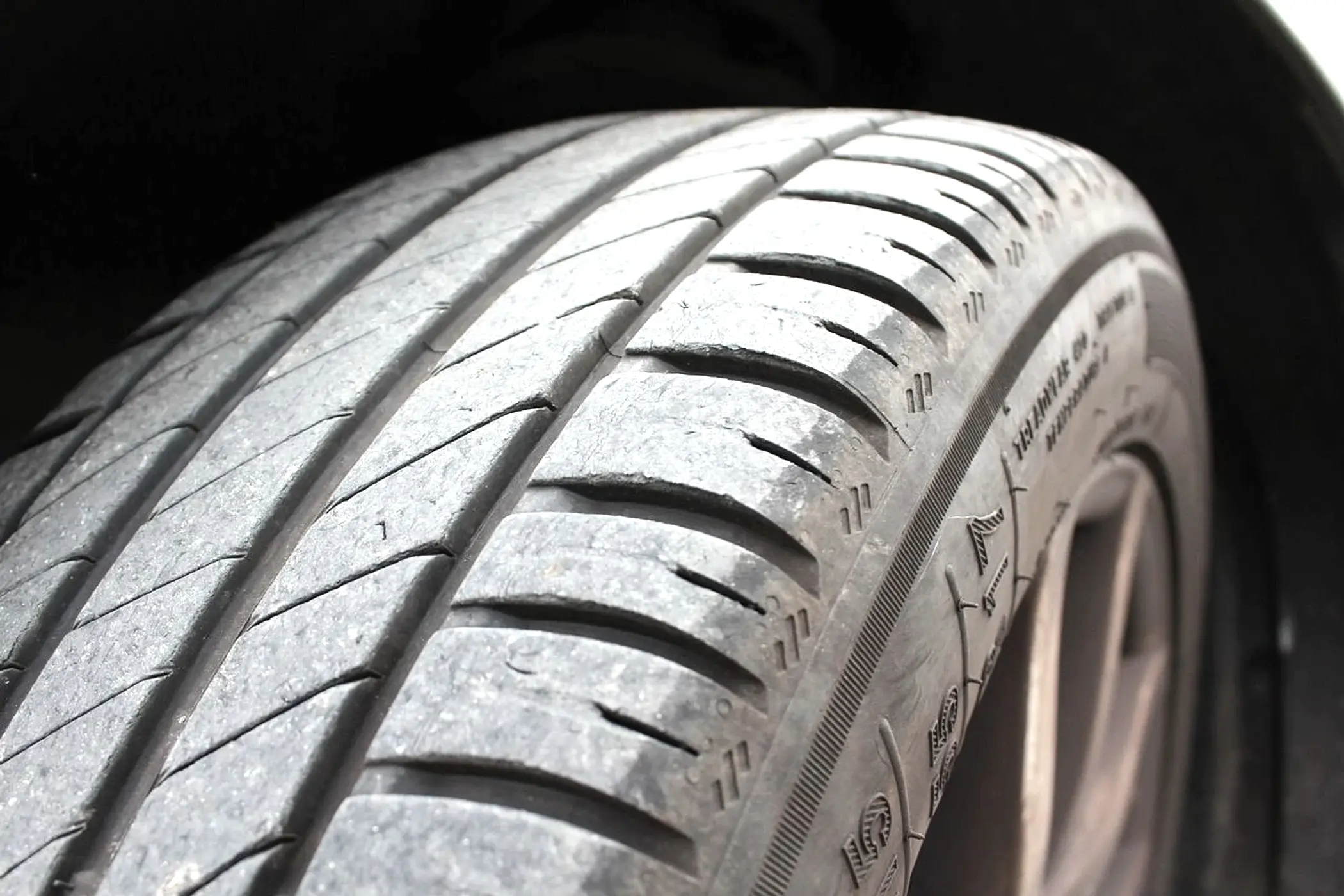
That produces cupped or patchy wear around the tread, and here's the catch: that wear pattern then causes vibration of its own.
Balance the wheel at that point and the shake doesn't fully go away, because the tire is now physically uneven. You've turned a setup problem into a tire problem.
Which is why it's worth sorting early rather than living with it for a year.
Wheel balance changes over time
Wheel balance drifts. Weights fall off, particularly the stick-on kind after a few winters, tread wears unevenly, and mud packs into the inside of the rim.
That's why it's worth rechecking when tires are rotated, rather than only when a new set goes on.
Things that knock a wheel out of balance:
- Losing a weight: Look for a clean patch on the rim where one used to sit.
- Pothole damage: A slightly bent rim won't balance out properly.
- Uneven tread wear: Often caused by the imbalance in the first place.
- Debris in the rim: Packed mud and snow, and it comes and goes with the seasons.
- A tire that's out of round: Balancing can't fix shape. That needs truing.
Common balancing mistakes to avoid
- Assuming any vibration is balance. A shudder under braking is rotors. A constant vibration is usually driveline or a bent wheel.
- Only balancing the fronts. A shake through the seat rather than the wheel is coming from the back.
- Living with it through a set of tires. The bouncing wheel wears the tread in patches, and then the tire itself causes vibration.
- Rebalancing repeatedly when it never fully clears. If a careful balance didn't fix it, the tire may be out of round rather than out of balance.
- Skipping it on a rotation. Weights fall off and wear changes. It's worth rechecking whenever the wheels come off.
The bottom line
Note the speed it happens at and whether you feel it in the wheel or the seat. That's the diagnosis, most of the way.
Steering wheel means front, seat means rear, and a narrow speed band means balance rather than something else.
If it survives a careful balance, come and talk to us about truing, because that's a different fix and one very few shops still offer.
Balancing and alignment are different jobs that get confused constantly. A wheel alignment fixes direction, balancing fixes vibration, and a tire rotation is the cheapest way to keep both honest.
Call Five Points Tire on 650-365-0280 and tell us the speed it starts at. That number narrows down where the weight is before the car goes on the machine.
Need new tires? Tell us your vehicle or tire size and we'll come back with options and pricing. Find tires for my vehicle
Wheel balancing questions we get asked
Question not on the list? Ask us directly.
What is the difference between wheel balancing and wheel alignment?
- Balancing corrects weight distribution around the wheel and cures vibration. Alignment corrects the angles the wheels sit at and cures pulling and uneven wear. They are completely different jobs that are often needed at the same time.
Why does my car shake at highway speed but not around town?
- That is the signature of a balance problem. The out-of-balance force rises sharply with rotational speed, so it stays imperceptible at low speed and then arrives over a narrow band, often between 50 and 70 mph.
Do new tires need balancing?
- Yes, always. A new tire and wheel assembly is never perfectly balanced on its own, and it is part of fitting tires properly rather than an extra.
Can unbalanced wheels damage my tires?
- Yes. The tire bounces very slightly at speed and scrubs where it lands, which wears the tread in patches. Once that pattern is established the vibration continues even after the wheel is balanced, so it is worth correcting early. Five Points Tire checks the tires for the cupping that unbalanced wheels leave behind, since that damage does not reverse.
Related services
Wheel Alignment
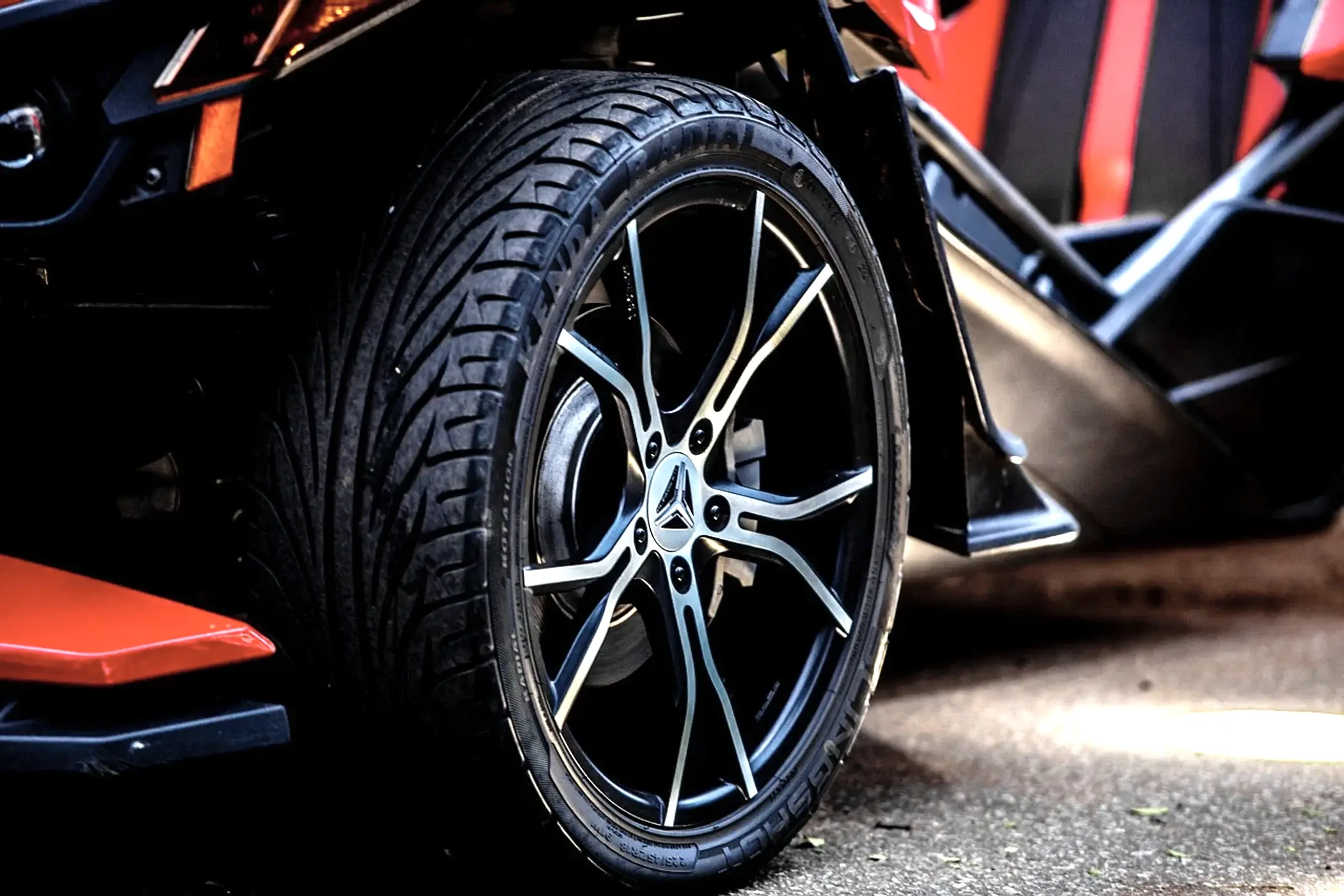
If your car pulls to one side, the steering wheel sits off center when you are going straight, or your tires are wearing on one edge, the alignment is out.
Tire Rotation
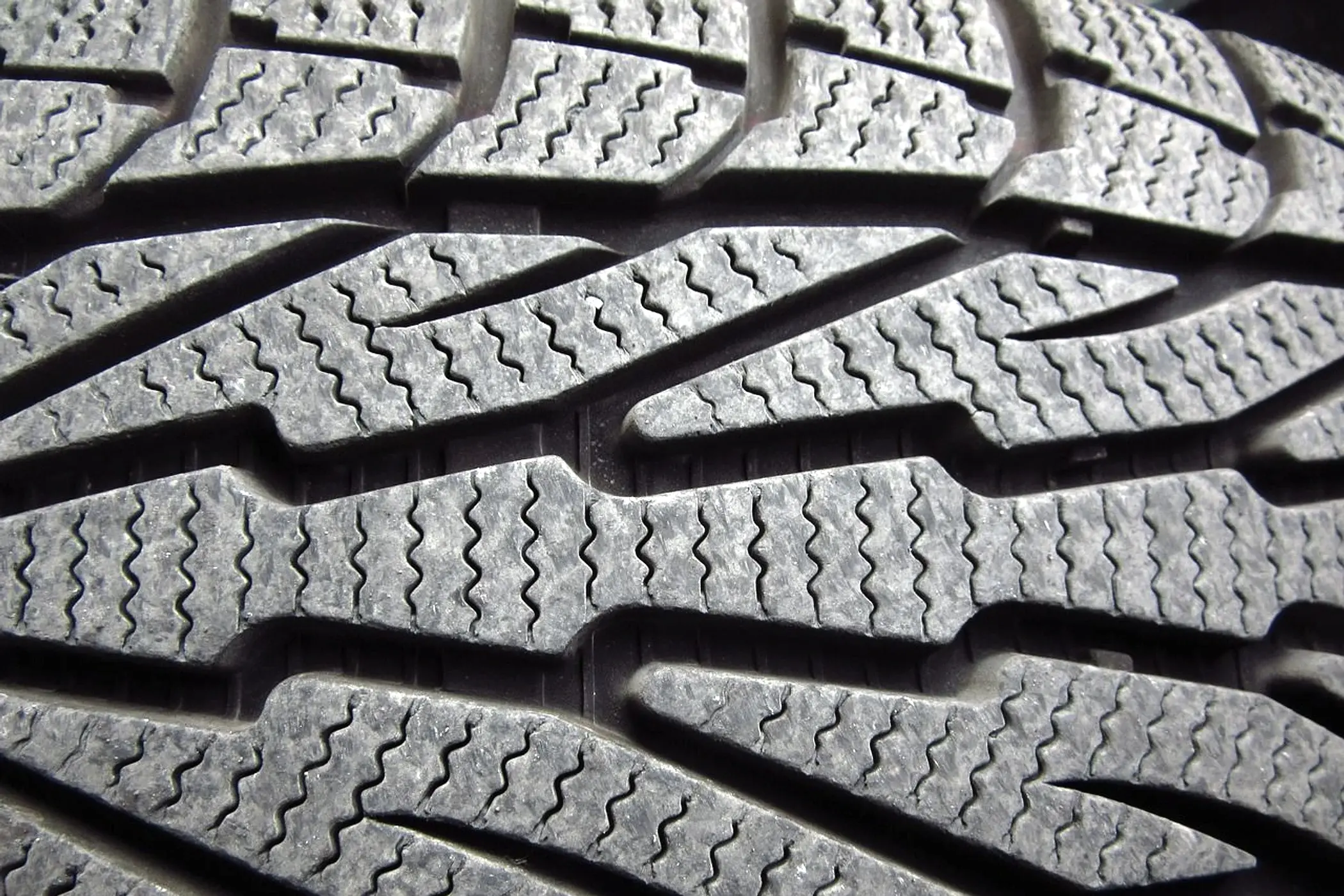
Tires wear at different rates depending on which corner they sit at, so moving them around at regular intervals is what makes a set wear evenly and last its full life.

Tire Shaving
Tire shaving, also called truing, removes a small amount of rubber to make a tire as close to perfectly round as possible, which cures vibration that balancing alone will not fix and improves grip and handling.
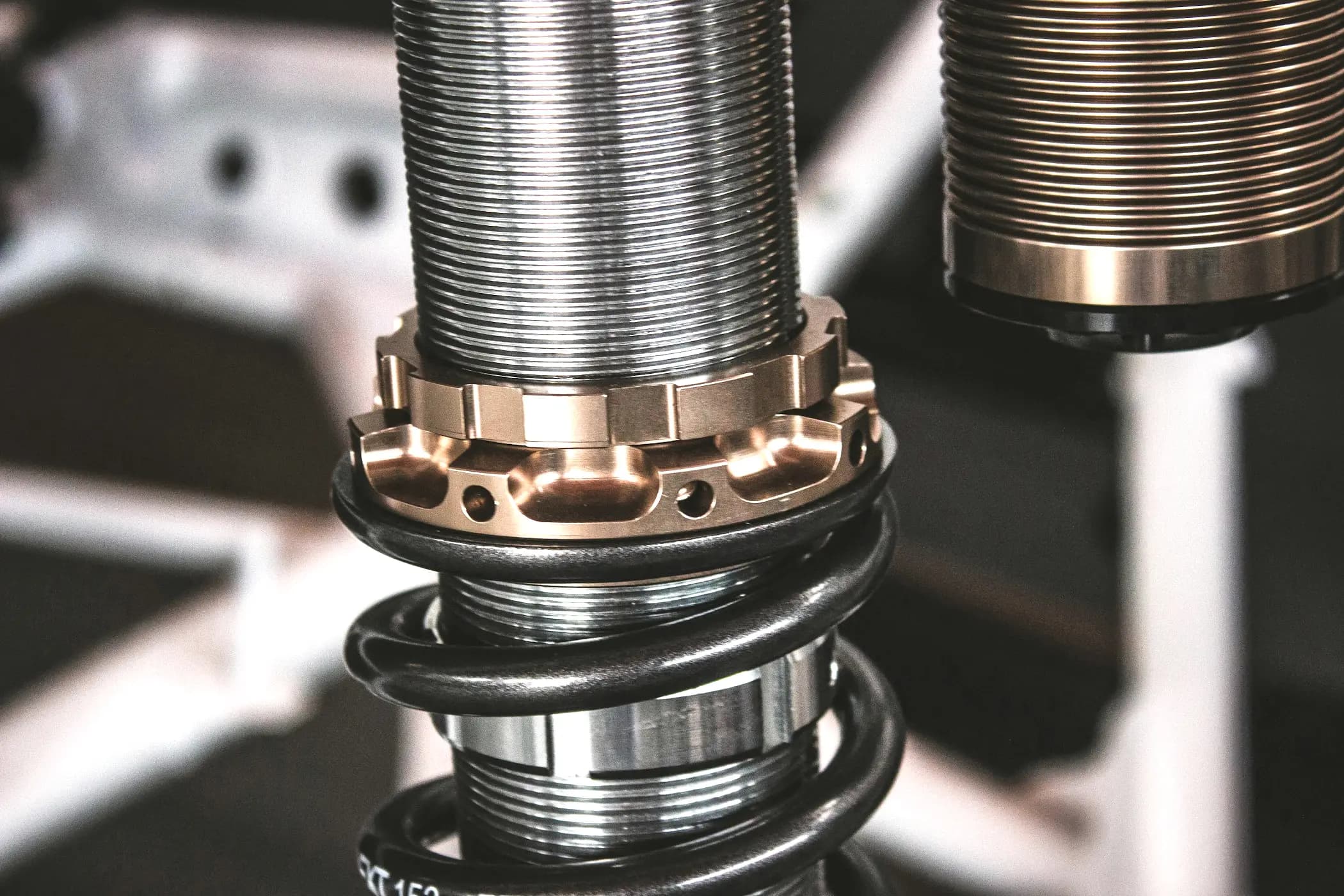
Shocks & Struts
Shocks and struts stop your springs from bouncing, and because they fade gradually rather than failing outright, most people do not realize how far gone theirs are until they drive a car with fresh ones.
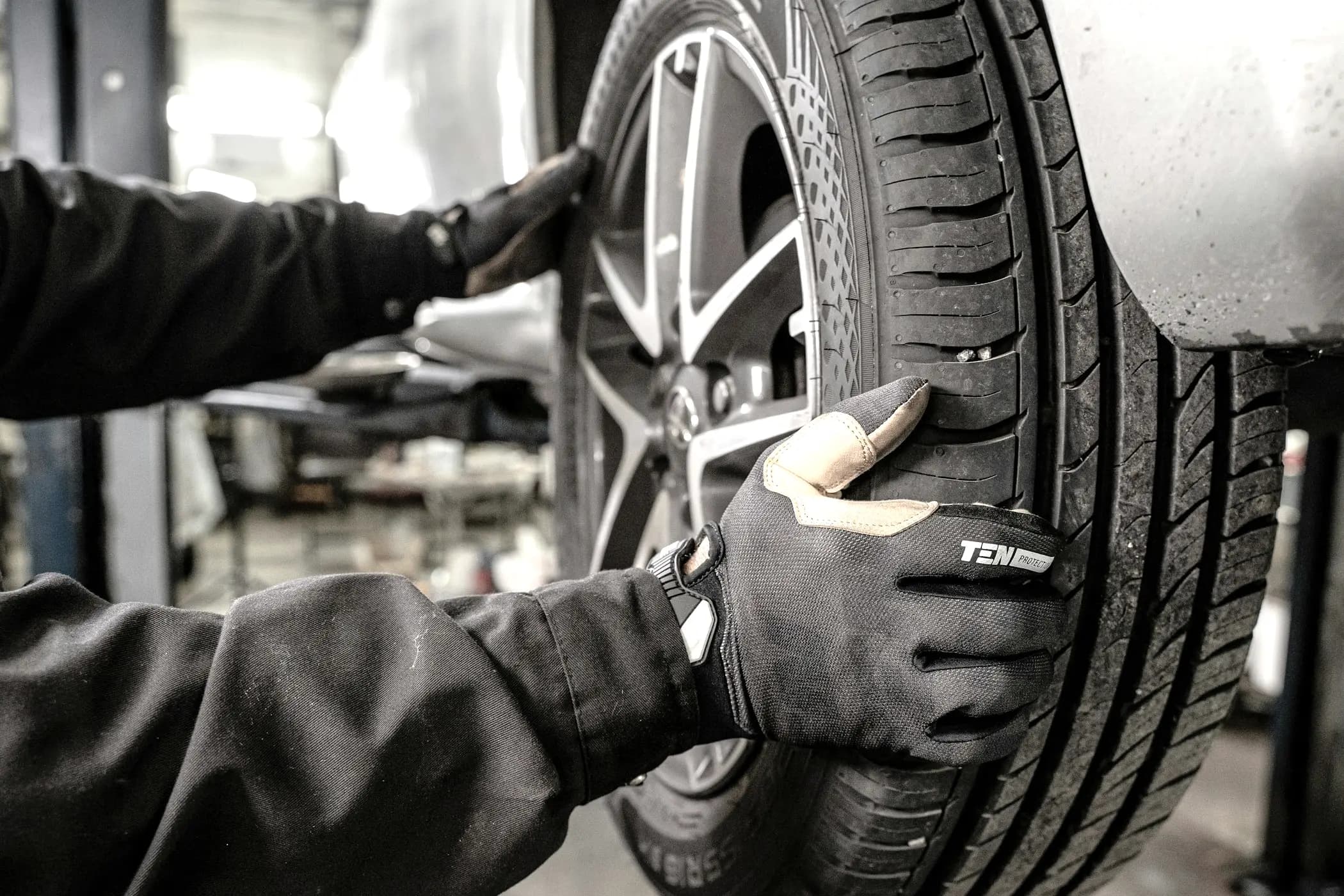
Tire Installation
New tires need to be mounted to the wheel, balanced, and fitted with the pressures and TPMS reset set correctly, or they will wear unevenly from the first mile.
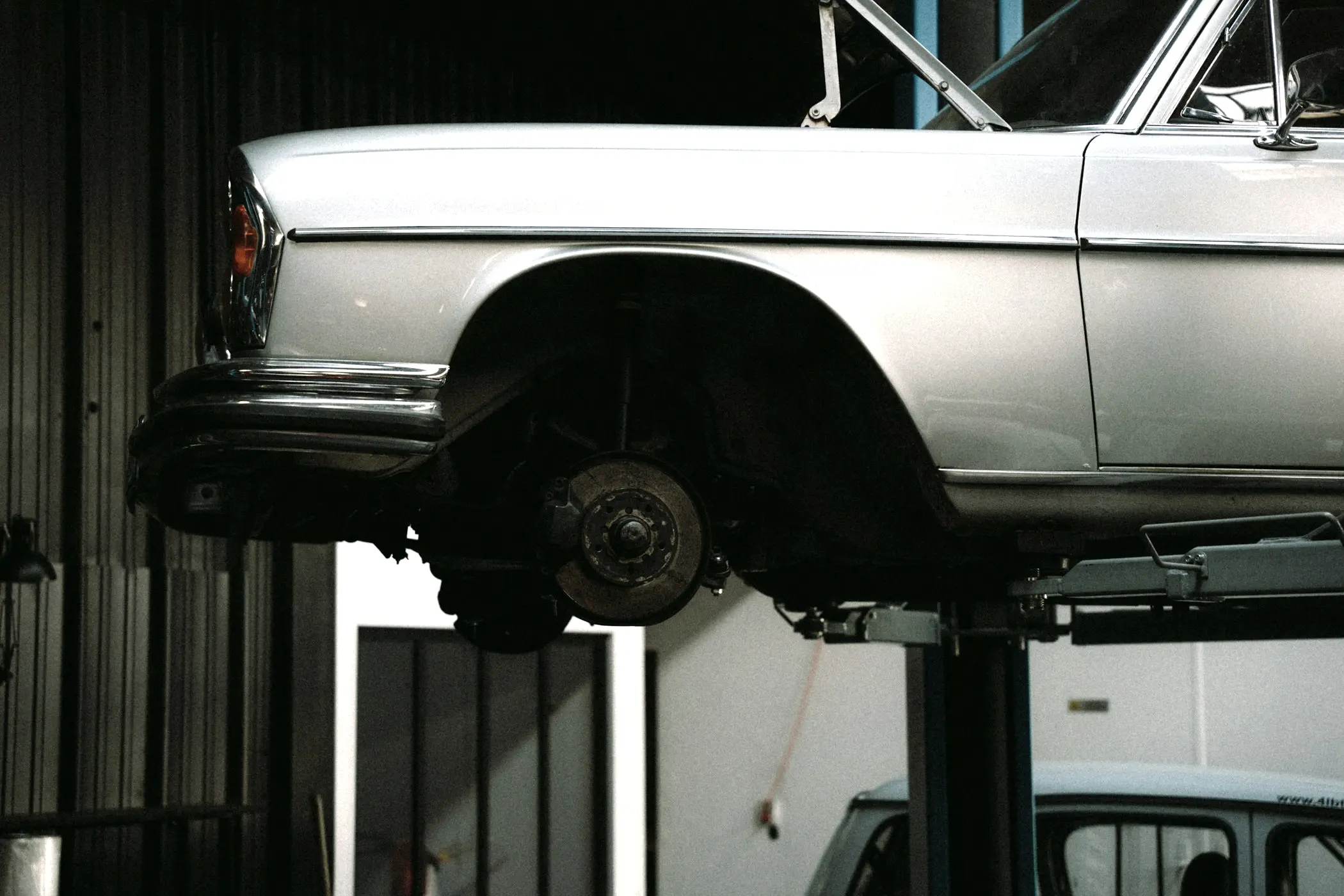
Suspension Services
Your suspension keeps the tires in contact with the road and absorbs what the road throws at the car, so when parts of it wear you lose ride quality, steering precision and grip together.