Fluid Inspection in Redwood City: Condition, Not Just Level
Every major system in your car runs on a fluid, and most of them fail quietly by degrading rather than by running out. Five Points Tire checks the level and the condition of all your fluids, looking at color, clarity and contamination, and flags anything that points to a problem worth catching early.
Fluid inspection at Five Points Tire, in short
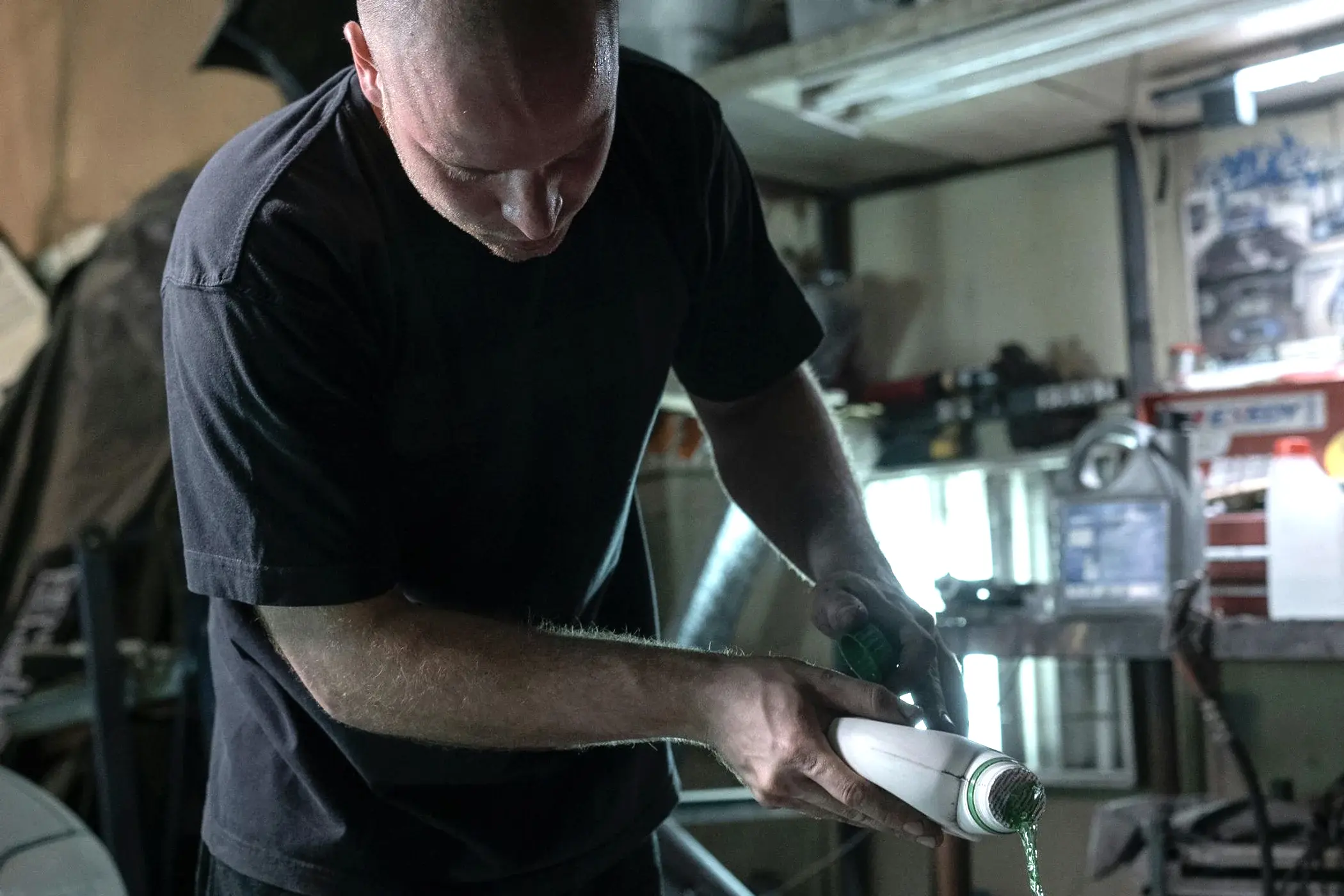
Five Points Tire checks the condition of your fluids in Redwood City, not just the level. Our technicians confirm each fluid is the right color, clear and free of contaminants, and flag anything discolored as a sign of a problem worth catching early. Most fluids fail by degrading rather than by running out, which a level check alone will miss.
Almost every major system in your car runs on a fluid, and almost all of them fail the same quiet way.
They don't run out. They degrade.
That's why checking the level tells you far less than people assume. The level can be perfect while the fluid stopped doing its job months ago.
Why level isn't the same as condition
Oil loses the additive package that protects the engine. Brake fluid absorbs water out of the air. Coolant loses its corrosion inhibitors. Transmission fluid breaks down under heat.
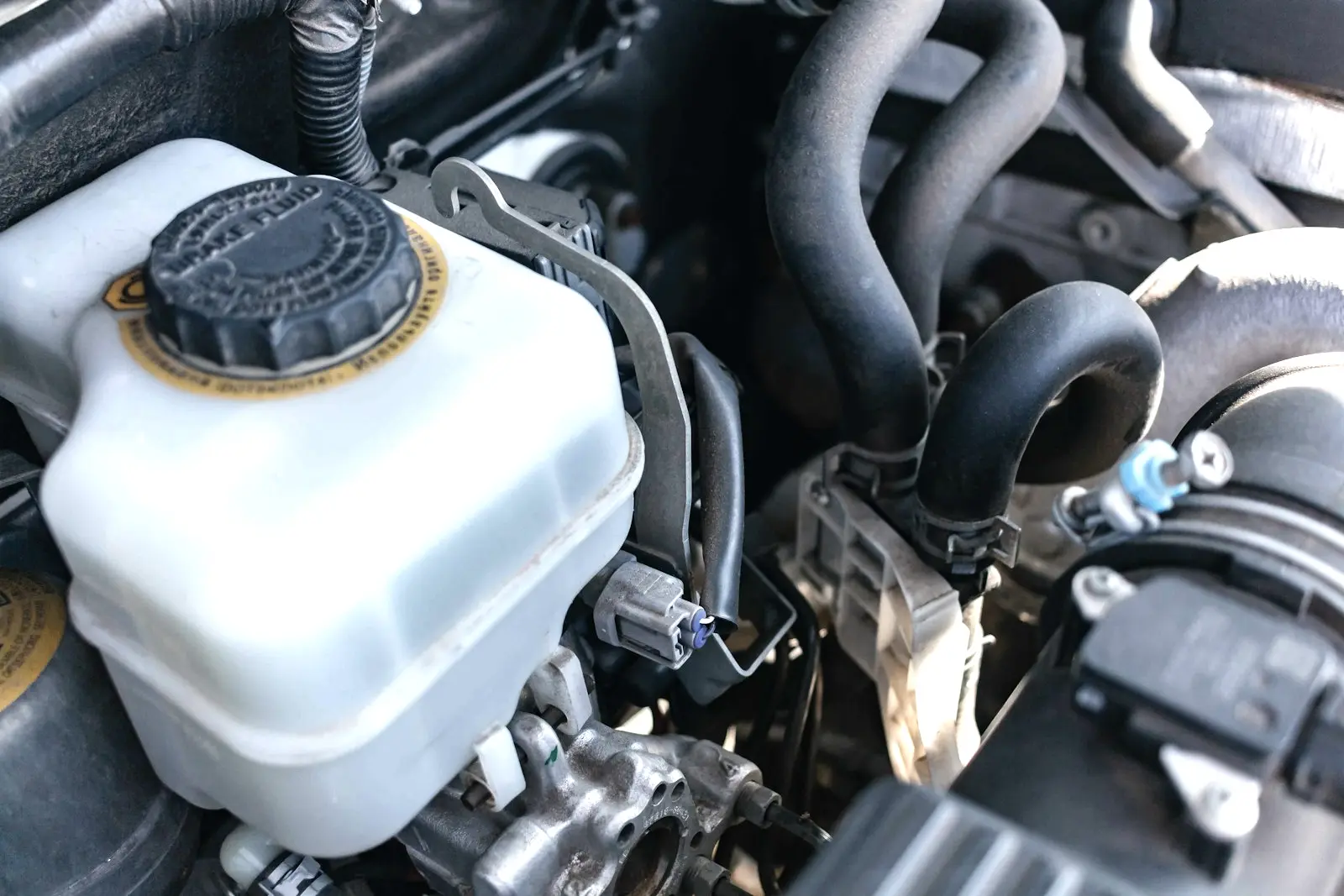
In every one of those cases, a dipstick reading between the marks tells you nothing about whether the fluid still works.
Condition is read mostly by color and clarity, and it's something you can do yourself with a rag and five minutes.
Milky oil is not a wait-and-see. A milky or foamy appearance on the dipstick or under the oil cap generally means coolant and oil are mixing. That points at a fault worth diagnosing before you drive much further.
Signs you need a fluid inspection
- A puddle or a drip under where the car was parked
- The temperature gauge sitting higher than it normally does
- Gear changes that feel harsher, slower or less smooth than they were
- Steering that has become heavy, or groans when you turn
- A brake pedal that feels different from how it used to
- A dashboard warning light for oil, coolant or brake fluid
- You cannot remember when the fluids were last properly checked
Reading your fluids by color and condition
| Fluid | Healthy | Needs attention |
|---|---|---|
| Engine oil | Amber to dark brown, smooth | Gritty, or milky and foamy |
| Transmission fluid | Red or pink, reasonably clear | Dark brown, burnt smell |
| Coolant | Bright and clear, to its spec color | Rusty, cloudy, or with debris |
| Brake fluid | Clear to light amber | Dark, which means moisture absorbed |
| Power steering fluid | Clear red or amber | Dark, or with a burnt smell |
Level tells you how much. Color and clarity tell you whether it is still working.
What our team does for fluid inspection
- 01Check the level of every fluid the vehicle uses
- 02Check the condition as well as the level, not just whether there is enough
- 03Confirm the fluids are the correct color and are clear and free of contaminants
- 04Flag discolored or contaminated fluid as a sign of a problem that needs looking at
Reading each fluid
Here's what healthy looks like, and what should make you book something.
| Fluid | Healthy | Needs attention |
|---|---|---|
| Engine oil | Amber to dark brown, smooth | Gritty, or milky and foamy |
| Transmission fluid | Red or pink, reasonably clear | Dark brown, burnt smell |
| Coolant | Bright, clear, its spec color | Rusty, cloudy, or with debris |
| Brake fluid | Clear to light amber | Dark, which means moisture |
| Power steering | Clear red or amber | Dark, or smells burnt |
| Differential and transfer case | Clear, thick | Dark, metallic glitter |
Dark engine oil is normal. Dark transmission fluid is not. They age very differently.
Milky oil is the one to act on
If the oil on your dipstick looks milky, or there's a pale foamy residue under the oil filler cap, stop and get it looked at.
That usually means coolant and oil are mixing, and the causes range from a failed gasket to something worse.
There is one benign explanation. Very short trips in cold weather can leave a small amount of condensation under the cap that never gets hot enough to burn off. If it's only under the cap and the dipstick is clean, that's often all it is.
If it's on the dipstick too, that's not condensation.
Want it checked? Describe what the car is doing and Five Points Tire will tell you whether it needs a fluid inspection or something else. Call 650-365-0280, or send the form and someone calls you back. Request an appointment
A fluid that keeps dropping is leaking
Engines consume a small amount of oil. That's normal and expected, particularly on higher mileage and some designs more than others.
Brake fluid, coolant and power steering fluid are different. Those are sealed systems. Nothing burns off and nothing is consumed.
So if you're topping any of them up on a schedule, it's going somewhere.
Coolant is the sneaky one, because a small leak can evaporate off a hot engine before it ever reaches the ground. No puddle doesn't mean no leak.
Rough guide to what a dropping level means:
- Engine oil: Some consumption is normal. A lot isn't, and it's either burning or leaking.
- Brake fluid: Drops slightly as pads wear. Anything more is a leak, and it's a safety system.
- Coolant: Never normal. Could be external, could be internal, and internal is worse.
- Power steering: Never normal. Usually a hose or the pump seal.
- Transmission fluid: Never normal. Check the driveway for red.
Why a fluid inspection is the cheapest thing on the menu
Low or contaminated fluid is a small item. What it leads to is not.
An overheated engine, a failed transmission, a seized power steering pump, brakes that go soft on a descent. Every one of those starts as a fluid that stopped doing its job.
That's the entire argument for checking condition rather than level, and it's why we look at color and clarity on every fluid rather than just confirming there's enough.
Common fluid mistakes to avoid
- Checking the level and stopping there. Most fluids fail by degrading, and a perfect level tells you nothing about that.
- Topping up a sealed system repeatedly. Brake fluid, coolant and power steering fluid don't get consumed. You're feeding a leak.
- Judging engine oil by darkness. Dark oil is usually oil doing its job. Gritty or milky is the problem.
- Assuming no puddle means no leak. Coolant frequently evaporates off hot metal before it can drip.
- Mixing coolant types. Different chemistries can gel and block the radiator and heater core.
- Ignoring burnt-smelling transmission fluid. It's overheated and no longer protecting anything, and that gets expensive fast.
The bottom line
Once a month, on a cold engine, check the levels and actually look at the fluid.
Red and clear is good. Brown and burnt is not. Milky on the dipstick needs looking at now.
And if you're topping up a sealed system on any kind of schedule, that's a leak rather than maintenance.
Five Points Tire checks condition as well as level at 2115 El Camino Real, because a fluid can be full and finished at the same time. Call 650-365-0280.
Fluid inspection questions we get asked
Question not on the list? Ask us directly.
How often should car fluids be checked?
- Level checks are worth doing regularly, and a proper condition check makes sense at each service or oil change. Your handbook will give replacement intervals per fluid, which vary a lot between them.
What color should my transmission fluid be?
- Healthy transmission fluid is typically red or pink and reasonably clear. Dark brown fluid, especially with a burnt smell, means it has been overheated and is no longer protecting the transmission properly.
Why does my car keep losing coolant with no visible leak?
- Coolant in a sealed system does not disappear on its own. Small leaks can evaporate off a hot engine before they ever drip, and coolant can also be lost internally into the engine, which is more serious. Either way it is worth pressure testing rather than repeatedly topping up.
Is milky oil serious?
- Treat it as serious. A milky or foamy appearance on the dipstick or under the oil cap generally means coolant and oil are mixing, and that points at a fault worth diagnosing before you drive much further. Five Points Tire looks at condition as well as level, which is how milky oil gets caught before the head gasket bill arrives.
Related services
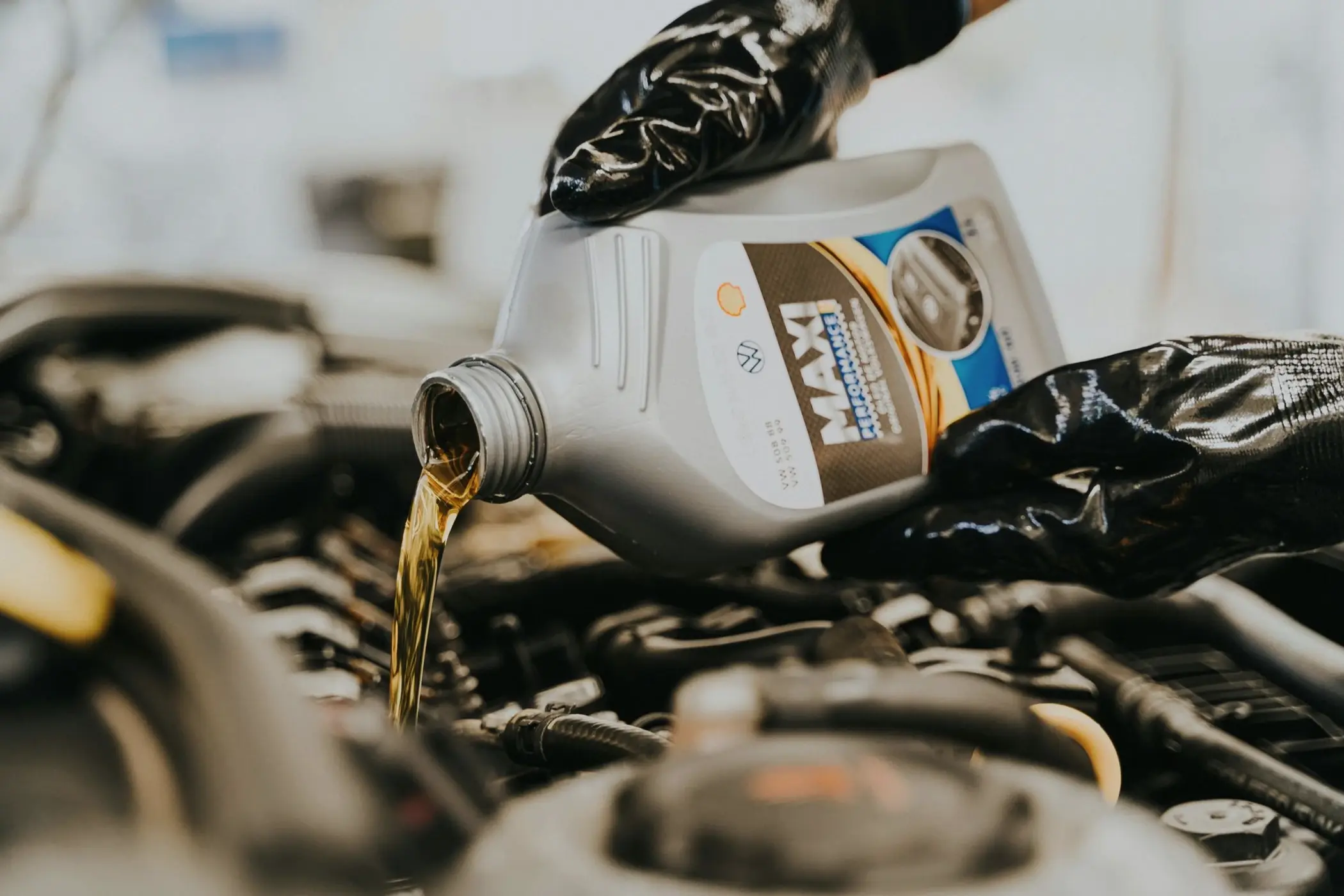
Oil Change Services
Engine oil lubricates, cools and carries contaminants away, and stops doing all three as it ages, which is why it is replaced on an interval, not when something goes wrong.
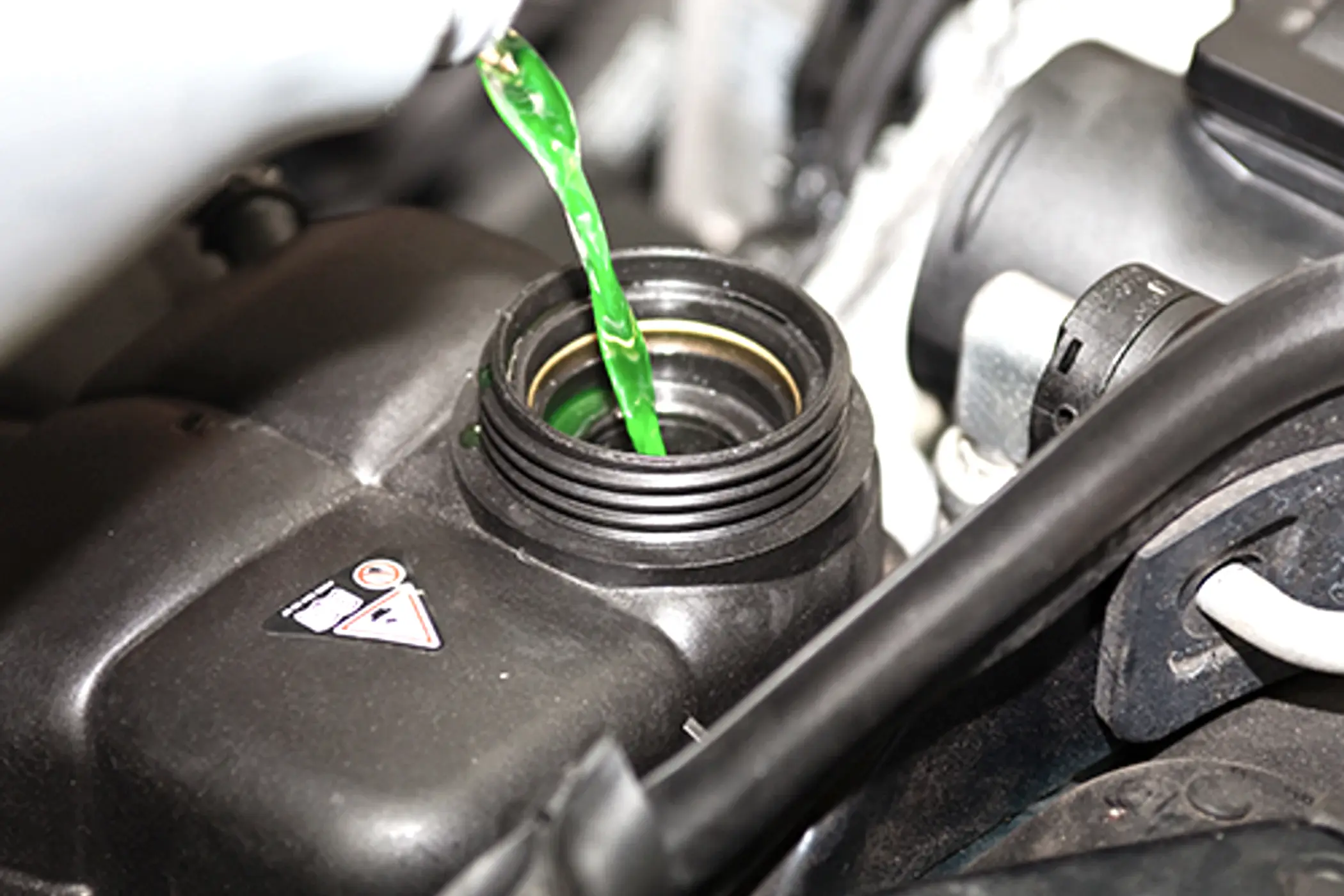
Coolant and Antifreeze
Coolant does more than stop freezing, it raises the boiling point and carries corrosion inhibitors that protect the metal inside your engine, and they wear out long before the fluid looks bad.
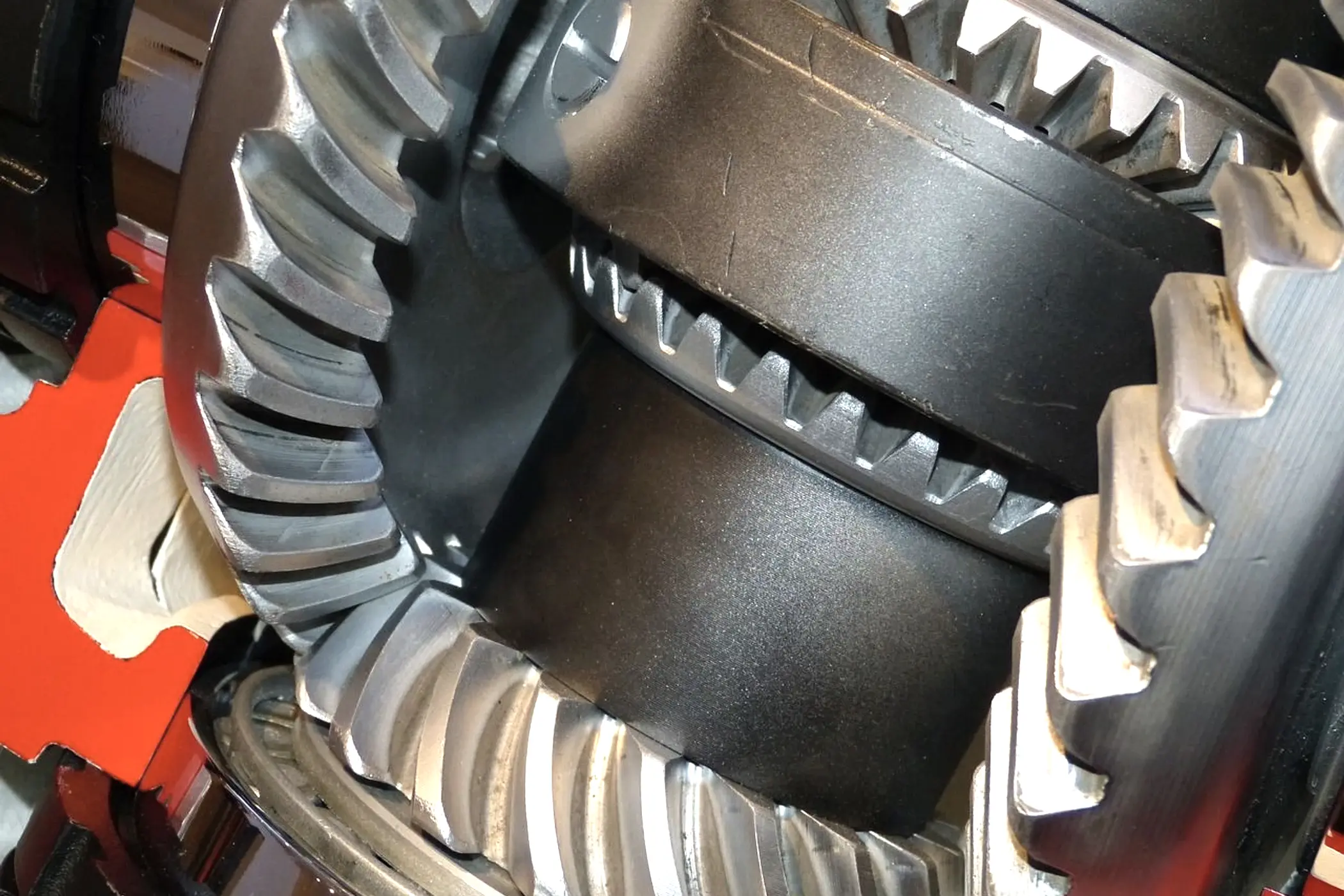
Transmission Service
Transmission problems almost always announce themselves gradually through slipping, harsh or delayed shifts and burnt fluid, and acting at that stage is the difference between a service and a rebuild.
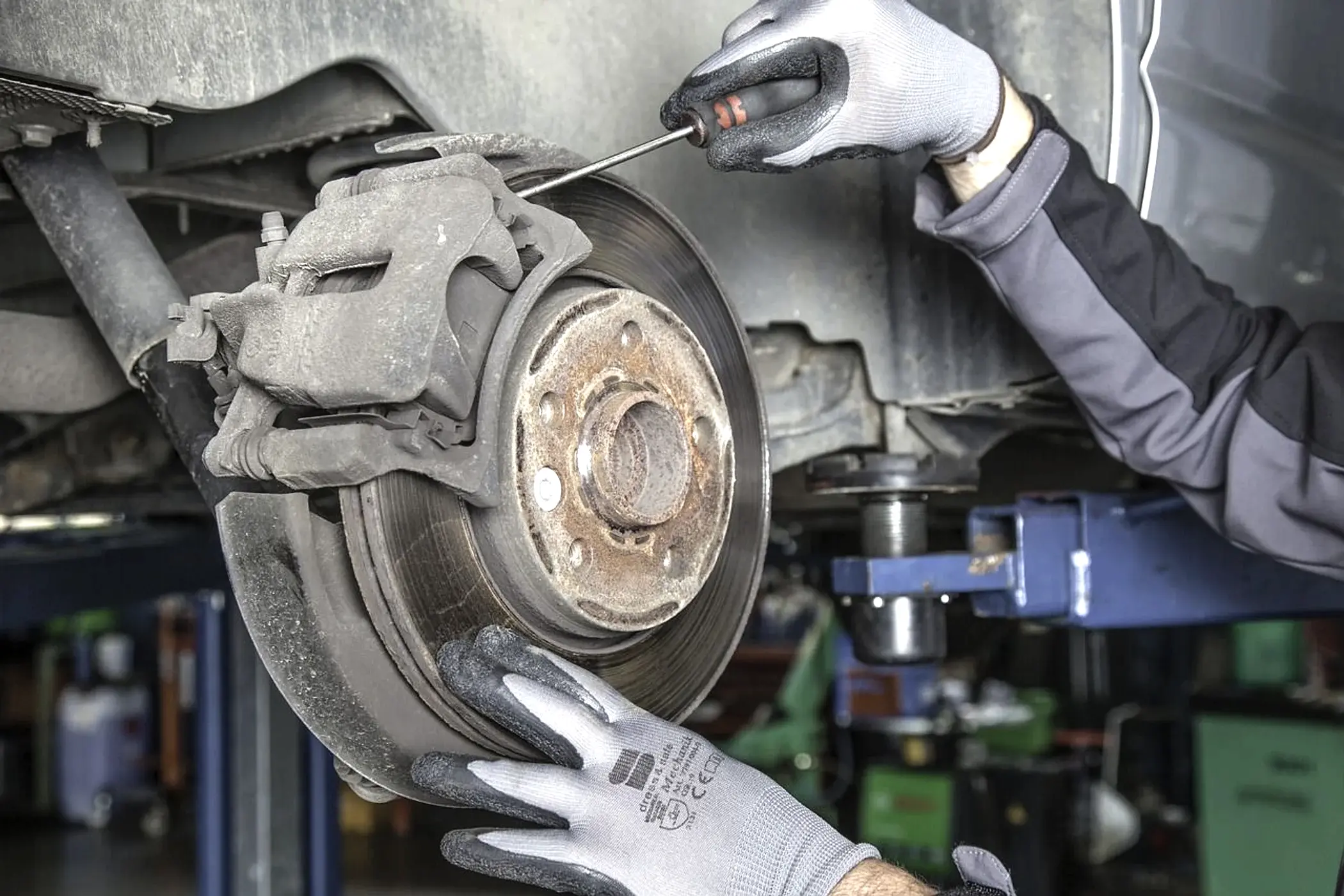
Brakes
If your brakes squeal, grind, pull to one side, or the pedal sinks further than it used to, have them inspected straight away rather than waiting to see if it settles.

Power Steering
If your steering has gone heavy, groans when you turn, or feels inconsistent from one moment to the next, the power steering system needs looking at rather than tolerating.
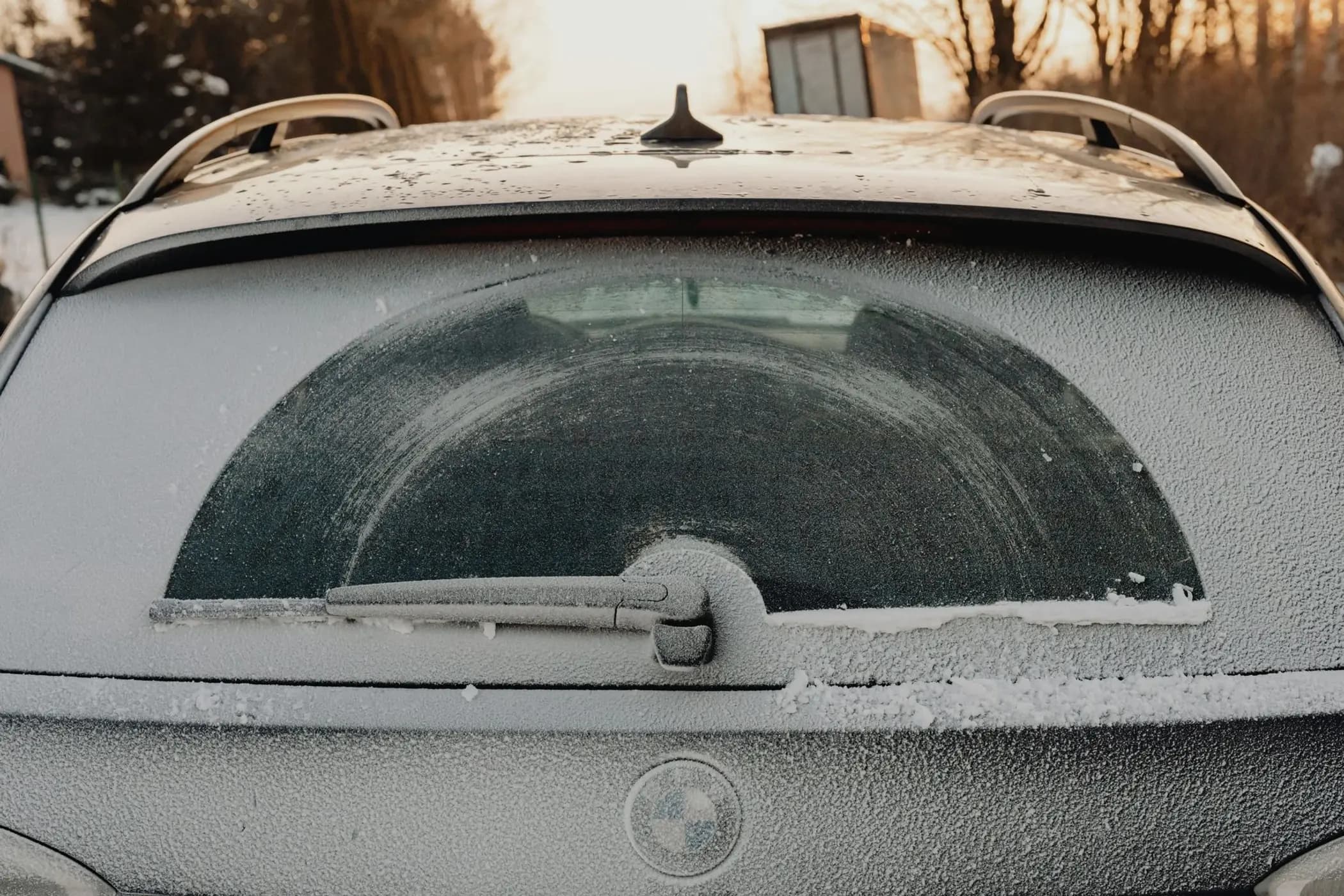
Wiper Blades
Wiper blades are rubber left out in the sun, so they harden and split whether you use them or not, and they usually fail right when the first serious rain arrives.