Transmission Service in Redwood City Before Slipping Gets Worse
Transmission problems almost always announce themselves gradually through slipping, harsh or delayed shifts and burnt fluid, and acting at that stage is the difference between a service and a rebuild. Five Points Tire inspects the transmission and carries out service and repairs on all types.
Transmission service at Five Points Tire, in short
Five Points Tire inspects transmissions in Redwood City and carries out service and repairs on all types. Slipping, harsh or delayed shifts and burnt fluid almost always announce themselves gradually, and acting at that stage is the difference between a service and a rebuild. This is the system where being early genuinely changes the size of the bill.
Transmissions almost never fail without warning. They give you months of it.
The warnings are just quiet enough to talk yourself out of. A shift that's a bit harsh. A pause before it moves. Fluid you've never looked at.
This is the system where acting early genuinely changes the number, because slipping generates heat and heat is what does the damage. Every mile driven while it's slipping makes the repair bigger.
What transmission fluid is actually doing
Automatic transmission fluid does four jobs at once: it transmits power through the torque converter, operates the hydraulic circuits that select gears, lubricates, and carries heat away.
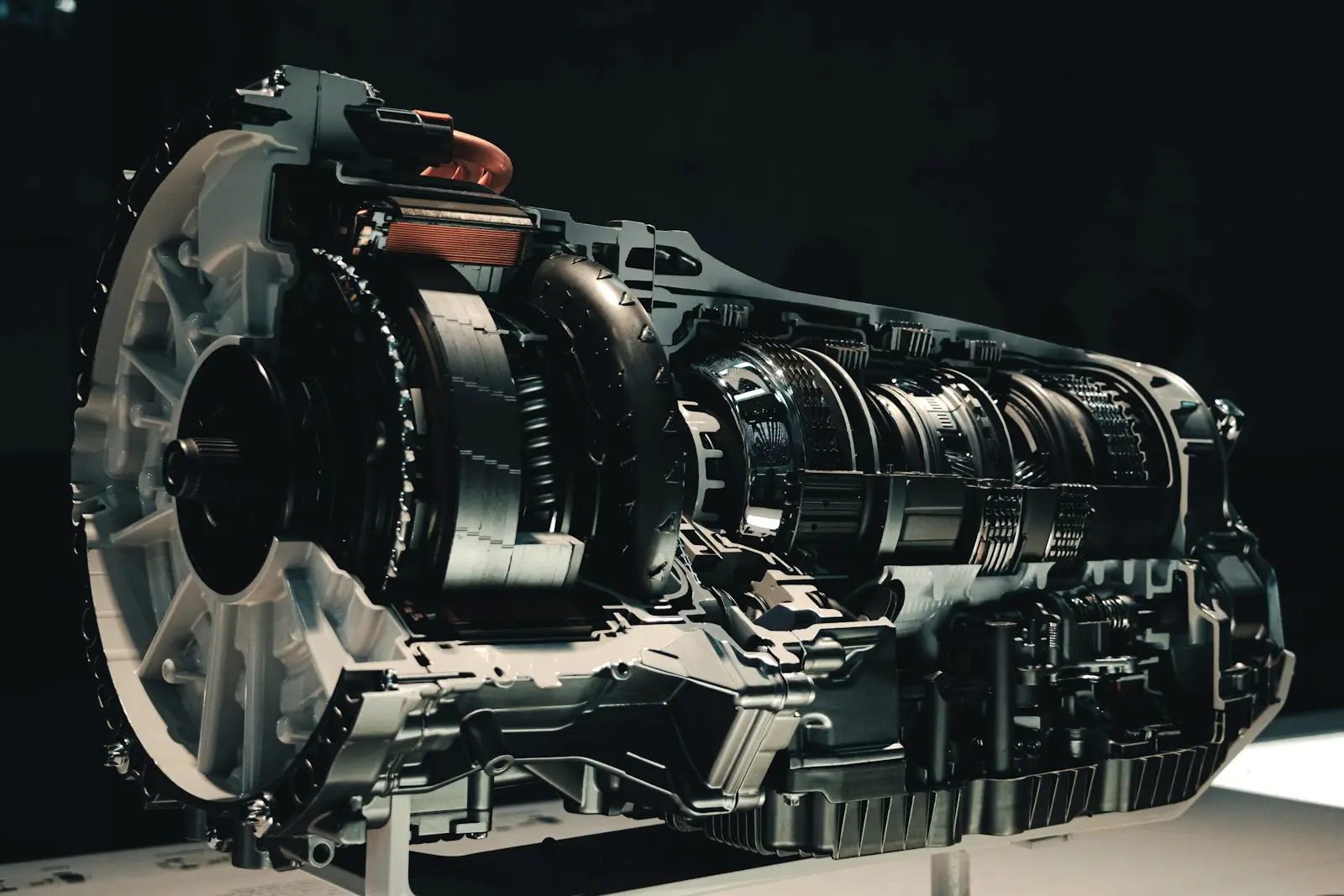
That's why fluid condition matters more here than in most systems. Degraded fluid gives you worse shifts, worse cooling and worse lubrication all at once.
Heat is what degrades it, and heat is also what it's supposed to be removing. That feedback loop is why transmission problems accelerate once they start.
Slipping is the one to act on immediately. Slipping generates heat, and heat is what causes the damage. Every mile driven while it is slipping tends to make the eventual repair larger, which is unusual: most faults get worse gradually, this one compounds.
Signs you need transmission work
- The engine revs climb but the car does not accelerate to match
- Shifts that are harsh, jerky, or noticeably delayed
- A pause before the car moves after selecting drive or reverse
- Reddish fluid on the driveway, or fluid that is dark brown and smells burnt
- A whine, hum or clunk that changes when the gear changes
- The transmission or check engine light on
- The car will not go into gear at all
Transmission symptoms and how fast to act
| What you notice | What it usually means | How urgent |
|---|---|---|
| Revs rise but the car does not accelerate to match | Slipping, and it is generating heat | Urgent |
| Harsh or jerky shifts | Fluid condition, or a solenoid fault | Soon |
| Pause before the car moves after selecting drive | Low fluid or internal wear | Soon |
| Dark brown fluid with a burnt smell | Fluid has been overheated | Urgent |
| Whine or hum that changes with the gear | Internal wear | Soon |
| Will not go into gear at all | Hydraulic or linkage failure | Stop driving |
| Reddish fluid on the driveway | A leak | Soon |
This is the system where being early genuinely changes the size of the bill.
What our team does for transmission service
- 01Inspect the transmission to identify the fault
- 02Carry out service and repairs on all types of transmission
How to read your transmission fluid
If your transmission has a dipstick, checking the fluid takes two minutes and tells you more than any other check available.
Not every car still has one, and some transmissions are sealed for life. But if yours does, use it.
| What you see | What it means | What to do |
|---|---|---|
| Red or pink, clear | Healthy | Nothing |
| Darker red, still clear | Aging normally | Check the interval |
| Brown | Heat damaged | Service it |
| Dark brown, burnt smell | Badly overheated | Get it looked at now |
| Milky or foamy | Coolant intrusion | Stop and get it diagnosed |
| Metallic glitter in it | Internal wear | Diagnosis before any service |
That last one matters: a fluid change on a transmission already shedding metal will not save it.
Slipping, and why it's the urgent one
Slipping is when the engine revs climb but the car doesn't accelerate to match.
It feels like the car briefly disconnecting from the road, and it usually shows up first under load: pulling away uphill, or accelerating to merge.
Here's why it's the symptom to act on immediately rather than monitor.
The clutches inside are meant to lock. When they slip instead, the friction generates a lot of heat very quickly. That heat cooks the fluid, degraded fluid makes them slip more, and it compounds.
A transmission caught slipping early is often a service. Caught late it's a rebuild.
Want it checked? Describe what the car is doing and Five Points Tire will tell you whether it needs transmission work or something else. Call 650-365-0280, or send the form and someone calls you back. Request an appointment
Delayed engagement and harsh shifts
Delayed engagement is the pause between selecting drive and the car actually moving. Harsh shifting is a jolt where there should be a slur. People adapt to both without noticing, because they arrive gradually.
On the pause: a second is worth investigating. Three seconds is not normal by any standard.
Harsh shifting often points at fluid condition or a solenoid rather than at the clutches.
Both are worth reporting precisely. When it happens matters: cold only, warm only, one specific gear, or all of them.
Worth noting before you call:
- Cold or warm: Faults that appear only cold often point somewhere different than warm ones.
- Which gear: A problem in one specific shift narrows it a lot.
- Under load or coasting: Slipping under load is the classic pattern.
- Any warning light: Transmission faults often store codes even without a light.
- Recent work: Including anything topped up or changed.
Towing, traffic and transmission heat
Heat is the enemy, and two things generate a lot of it.
Towing puts sustained high load through the transmission, and most manufacturers publish a shorter severe-service interval specifically for it. If you tow and you're following the normal schedule, you're under-servicing it.
Stop-and-go traffic is the other one, and it surprises people. Lots of running time, very few miles, and the torque converter generating heat every time you creep forward.
Local driving around Redwood City is harder on a transmission per mile than freeway running, for exactly that reason.
Common transmission mistakes to avoid
- Driving on while it's slipping. Slipping makes heat, heat degrades fluid, degraded fluid makes it slip more. It compounds.
- Never checking the fluid. It's the most informative two-minute check on the car, and most people have never done it.
- Assuming sealed for life means no maintenance. It means no dipstick. Plenty of sealed transmissions still have a service interval.
- Changing fluid on a transmission that's already shedding metal. If there's glitter in the fluid, a service won't save it and can mask the diagnosis.
- Following the normal interval while towing. Towing has its own severe-service schedule for a reason.
- Ignoring a one-second delay before it engages. It doesn't stay one second.
The bottom line
Check the fluid if your car has a dipstick. Red and clear is fine, brown means service it, burnt means now.
And if the revs ever climb without the car accelerating to match, stop treating that as a quirk. That's the one where waiting changes the bill.
The fault is not always the transmission. Its fluid is part of a fluid inspection, a vibration under load can be the drivetrain or the differential, and a stored code needs diagnostics before anything is opened up.
Five Points Tire inspects and services all transmission types at 2115 El Camino Real. Call 650-365-0280 and describe what it's doing, and when.
Transmission service questions we get asked
Question not on the list? Ask us directly.
What are the signs of transmission trouble?
- Slipping, where the revs rise without matching acceleration, harsh or delayed shifts, a pause before the car moves after selecting a gear, burnt-smelling dark fluid, and unusual noises that change with gear changes. Slipping is the one to act on fastest.
How often should transmission fluid be changed?
- It varies widely, and some manufacturers describe the fluid as lifetime fill while others give a clear interval. Towing, heavy loads and constant stop-start traffic all shorten it. Your handbook is the guide, and fluid condition overrides the schedule.
What color should transmission fluid be?
- Red or pink and reasonably clear when healthy. Dark brown, especially with a burnt smell, means it has been overheated and is no longer protecting the transmission. That is worth acting on rather than monitoring.
Can I drive with a slipping transmission?
- It is not advisable. Slipping generates heat, and heat is what causes the damage, so every mile driven while slipping tends to make the eventual repair larger. It is one of the faults where getting it looked at quickly genuinely saves money. If it is slipping now, call Five Points Tire on 650-365-0280 before driving it further, because free pickup costs less than a rebuild.
Related services
Fluid Inspections
Every major system in your car runs on a fluid, and most of them fail quietly by degrading rather than by running out.
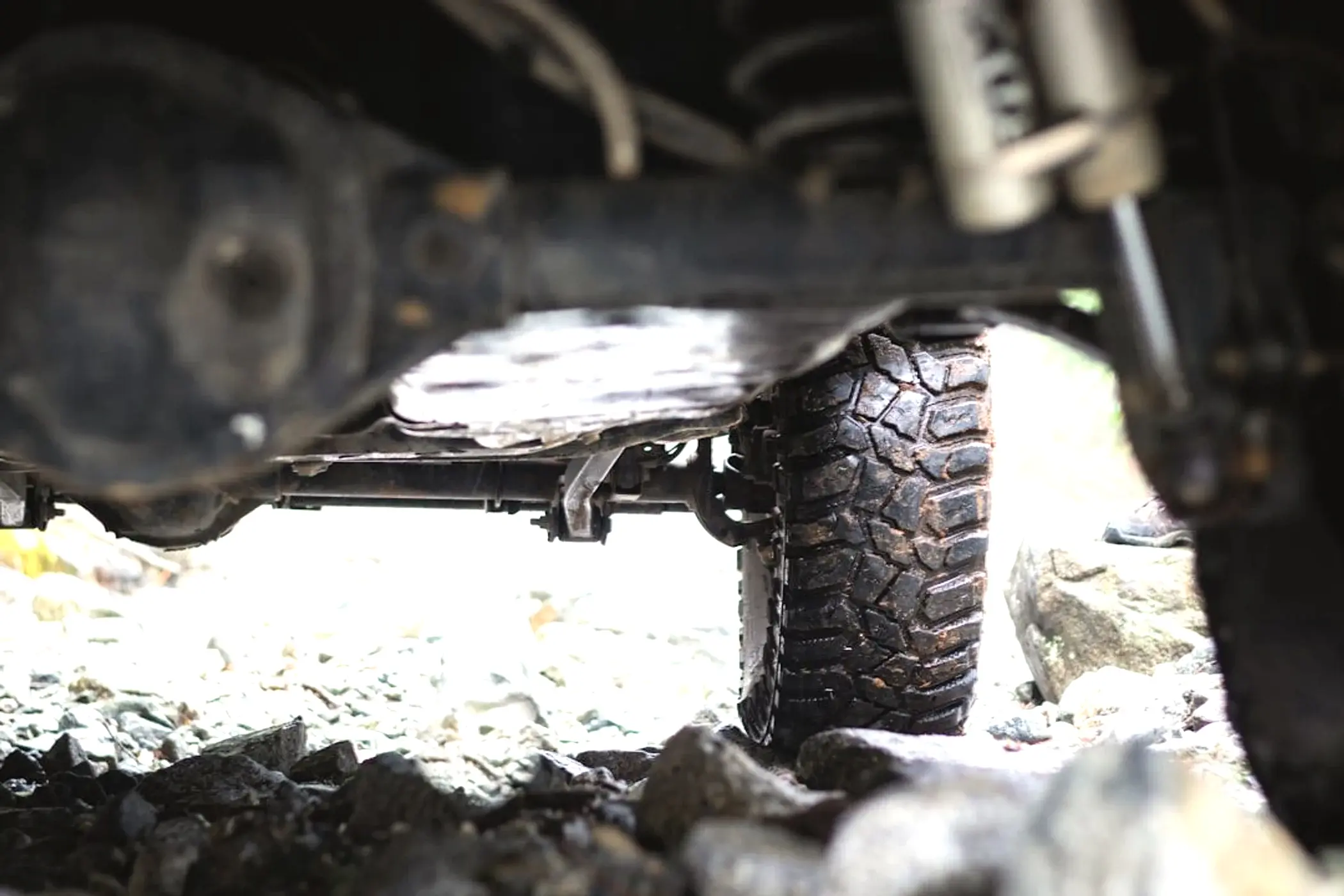
Drivetrain
The drivetrain is everything that carries power from your engine to the wheels, and a fault anywhere in it shows up as vibration, clunking or a driveline that does not feel connected.
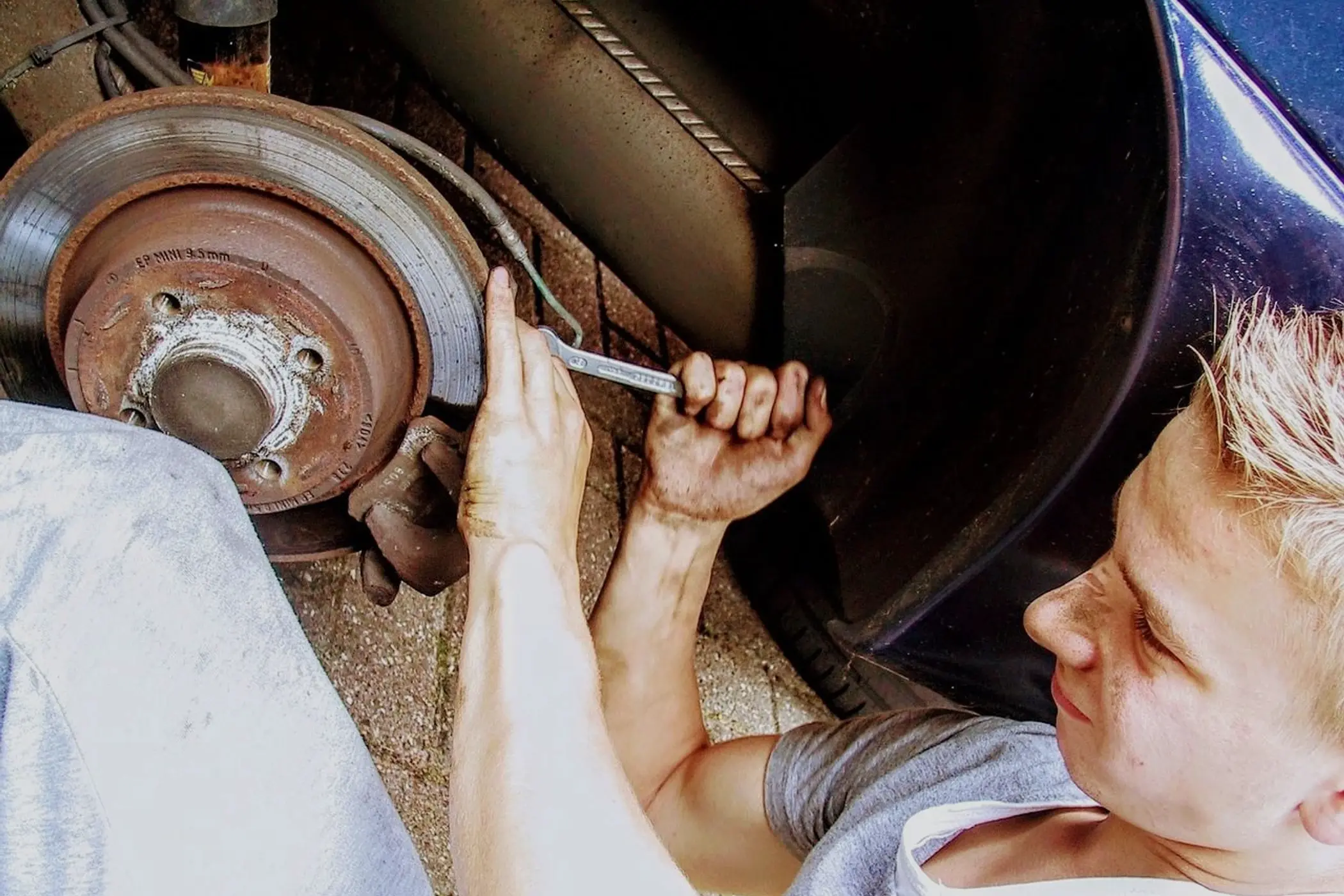
Differential
The differential lets your driven wheels turn at different speeds through a corner, and it runs on a heavy gear oil that degrades and needs replacing on a schedule.

Diagnostics
Modern vehicles record faults across dozens of electronic modules, and a proper diagnosis reads that data and then tests to confirm the cause rather than guessing from the code.
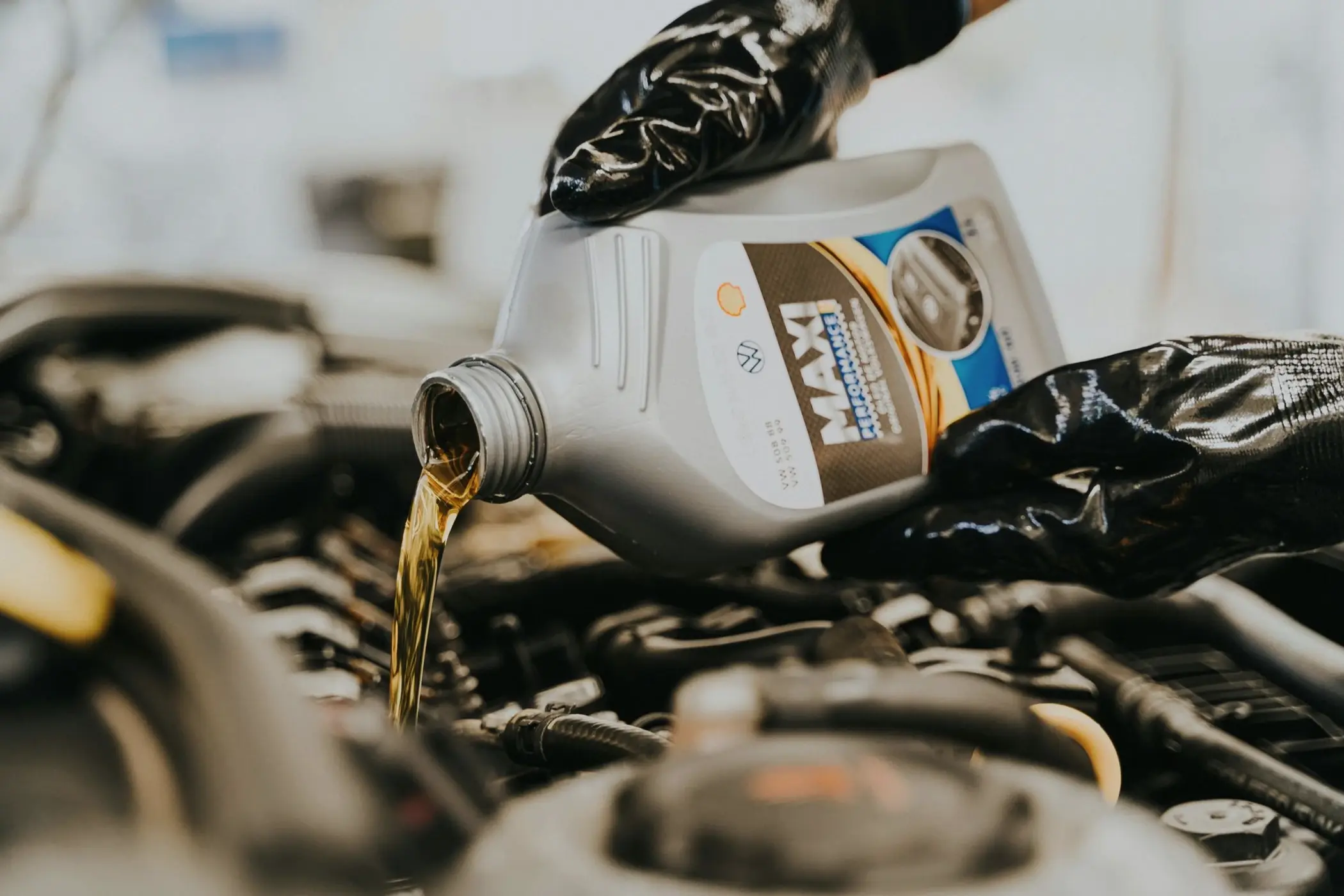
Oil Change Services
Engine oil lubricates, cools and carries contaminants away, and stops doing all three as it ages, which is why it is replaced on an interval, not when something goes wrong.
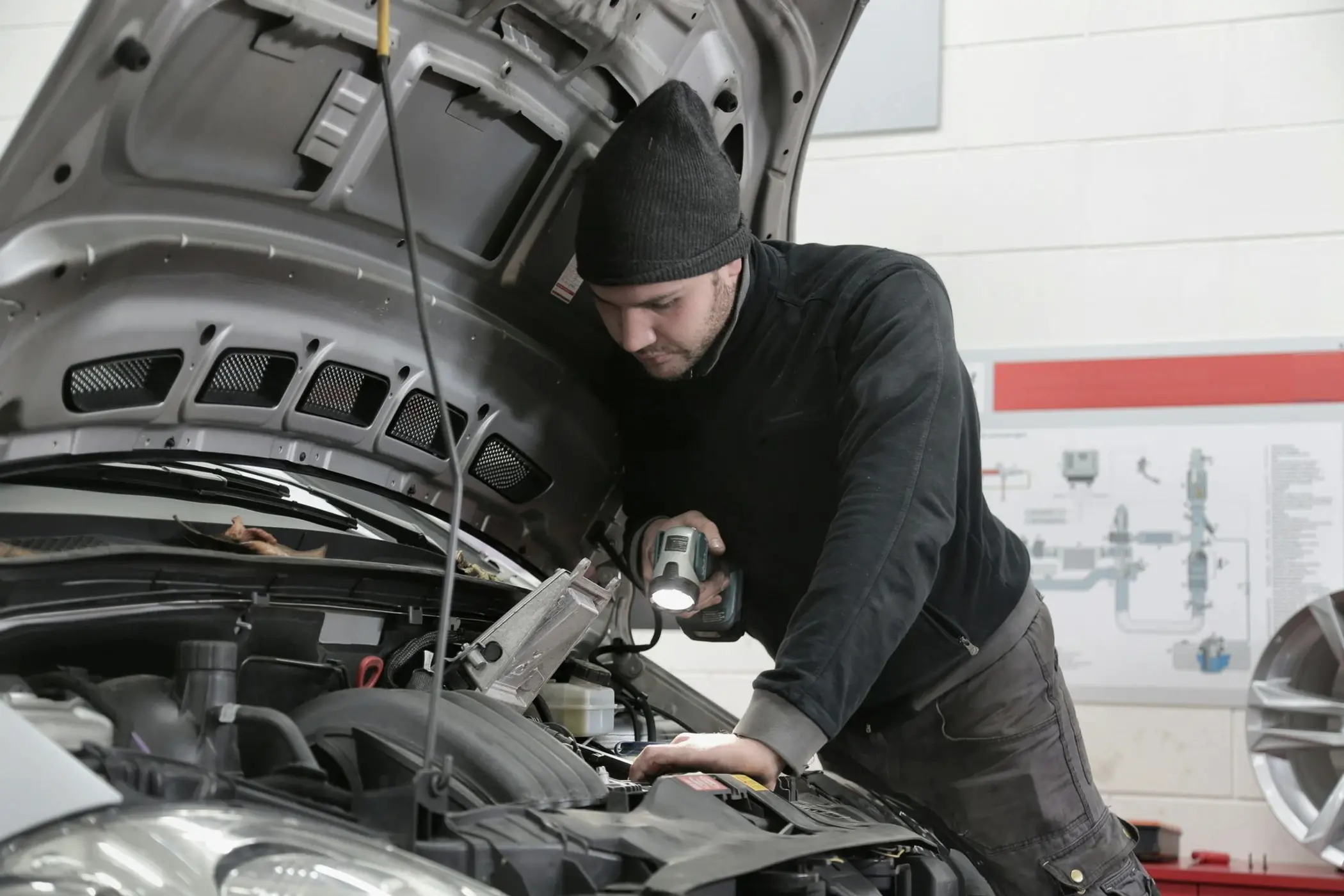
Preventative Maintenance
Preventative maintenance is servicing components on a schedule so they are replaced while they still work, rather than waiting for the failure and the damage that comes with it.