Belt and Hose Replacement in Redwood City Before They Fail
Belts and hoses are rubber parts that perish with age and heat, and when one fails it usually takes something more expensive with it or leaves you stopped at the roadside. Five Points Tire inspects them for wear and replaces a belt or hose before it lets go rather than after.
Belt and hose replacement at Five Points Tire, in short
Five Points Tire inspects belts and hoses in Redwood City and replaces a belt before it lets go rather than after. One serpentine belt usually drives charging, cooling and steering, so a failure takes all three at once. Rubber parts fail on age and heat cycling as much as on mileage.
Belts and hoses are the two things on your car that don't really wear out. They perish.
That matters because it changes how you check them. Mileage tells you very little, and a part that looks presentable can be days from letting go.
What it does mean is that almost all of it is visible, or feelable, in a couple of minutes with the engine cold.
Rubber ages whether you drive or not
Every warm-up and cool-down is a heat cycle, and heat cycles harden rubber.
The material loses its flexibility, then it cracks or splits, and it does that on a car that sits in a driveway as readily as on one that commutes every day.
So the deterioration is gradual and the failure is sudden. That's an awkward combination, and it's the reason these parts get inspected rather than scheduled.
A low-mileage car is not automatically a car with good belts and hoses. Often it's the opposite.
One belt, three systems. The serpentine belt usually drives the alternator, the water pump and the power steering pump. Lose it and you lose charging, cooling and steering assistance within about a mile of each other. Stopping is the right response, not pressing on.
Signs you need new belts or hoses
- A squeal from the engine bay, worst on a cold start or when you turn the wheel
- Visible cracking, glazing, fraying, or missing chunks on a belt
- A hose that feels spongy, rock hard, or swollen when squeezed
- Coolant loss, or damp residue and staining around a hose end
- The temperature gauge climbing
- A chirping that changes with engine speed
Checking belts and hoses
| Component | Healthy | Replace |
|---|---|---|
| Serpentine belt | Flexible, even ribs, matte surface | Cracked ribs, glazing, fraying, missing chunks |
| Coolant hose | Firm and slightly springy | Spongy, rock hard, or swollen |
| Hose ends | Dry and clean | Damp, stained, or crusty residue |
| Tensioner and idlers | Quiet, no play | Chirping, or visible wobble |
Squeeze hoses cold. The deterioration that matters happens on the inside.
What our team does for belt and hose replacement
Inspect belts for wear and replace them where the wear is significant or the belt has failed.
How to check a hose properly
Squeeze it. That's the whole test, and it's the one thing your eyes can't do for you.
A healthy coolant hose feels firm and slightly springy. It should push back against your hand.
Spongy and soft means the inner layer is breaking down. Rock hard and brittle means it has already lost its flex and will split at the next pressure spike. Swollen or bulging near the ends means it's saturated.
The deterioration that matters on a hose happens on the inside, where you can't see it.
Do it cold. A hot cooling system is pressurized and it will burn you.
Where hoses actually fail
Hoses fail at their ends, where the clamp grips, far more often than in the middle.
The last inch or two by the clamp takes the most heat and the most movement, so that's where you'll find damp staining, crusty residue, or a hose that's gone soft only where it's gripped.
Residue around a hose end is a slow leak that has been evaporating as fast as it appears. It's still a leak, and it's telling you the clock has started.
Coolant loss shows up on the driveway only once it's bad. It shows up at the joints long before that.
Want it checked? Describe what the car is doing and Five Points Tire will tell you whether it needs new belts or hoses or something else. Call 650-365-0280, or send the form and someone calls you back. Request an appointment
What a hose failure actually costs
A burst hose is a coolant loss event, and a coolant loss event becomes an overheating event a couple of minutes later.
Engines tolerate overheating badly. Warped heads and failed gaskets are the usual outcome, and both cost a great deal more than the part that started it.
So the arithmetic here is unusually simple. The hose is the cheapest component in the cooling system and the one most likely to end your trip.
Why belts and hoses get replaced together
Access is most of the labor on this kind of work, and these parts tend to share it.
If a hose is already off and its neighbor is the same age in the same condition, dealing with both while the system is drained costs a fraction of coming back for the second one.
The same reasoning applies to a tensioner and idler pulleys when a belt is off. They sit behind the same work, and a worn tensioner will destroy a new belt.
It's worth asking what else is accessible before the job starts rather than after.
Common belt and hose mistakes to avoid
- Judging a hose by how it looks. The layer that fails is the inner one. Squeeze it cold, and trust your hand over your eyes.
- Squeezing hoses on a hot engine. The system is pressurized when warm. Let it cool first.
- Ignoring crusty residue at a hose end. That's a slow leak evaporating as fast as it arrives, and it won't stay slow.
- Topping up coolant and moving on. Coolant that keeps disappearing is going somewhere. Find where before it all goes at once.
- Replacing one hose and leaving its twin. Same age, same heat, same condition, and you'll pay the access cost twice.
The bottom line
Wait until the engine is stone cold, then squeeze the big hoses. Firm and springy is fine. Spongy, hard or swollen is not.
Run a hand around each hose end and look for staining or crusty residue, because that's the first place a leak shows itself.
On the belt, look for cracks across the ribs, a glazed shine or fraying, and listen for a squeal that comes and goes with the weather.
Belts and hoses are two jobs that share an inspection. The serpentine belt drives the accessories, the timing belt is on a fixed interval and is not optional, and a soft hose is a radiator problem waiting to happen.
Five Points Tire inspects belts and hoses at 2115 El Camino Real and replaces a belt before it lets go rather than after. Call 650-365-0280.
Belt and hose replacement questions we get asked
Question not on the list? Ask us directly.
How often should belts and hoses be replaced?
- They age rather than simply wear, so condition matters more than mileage. Most manufacturers give an inspection interval and a replacement window, and any cracking, glazing, softness or swelling moves that forward regardless of what the schedule says.
What happens if the serpentine belt breaks while driving?
- You typically lose the alternator, the water pump and the power steering pump together, because one belt drives all three. The engine overheats quickly with no water pump, so the right response is to stop rather than to try to reach home.
How can I tell if a hose is bad?
- Squeeze it when the engine is cold. It should feel firm and slightly springy. Spongy, mushy, rock hard or swollen all mean it is deteriorating from the inside, which you cannot see from the outside. Five Points Tire checks hoses by feel and by pressure, because a hose that looks fine can still be soft underneath.
Related services
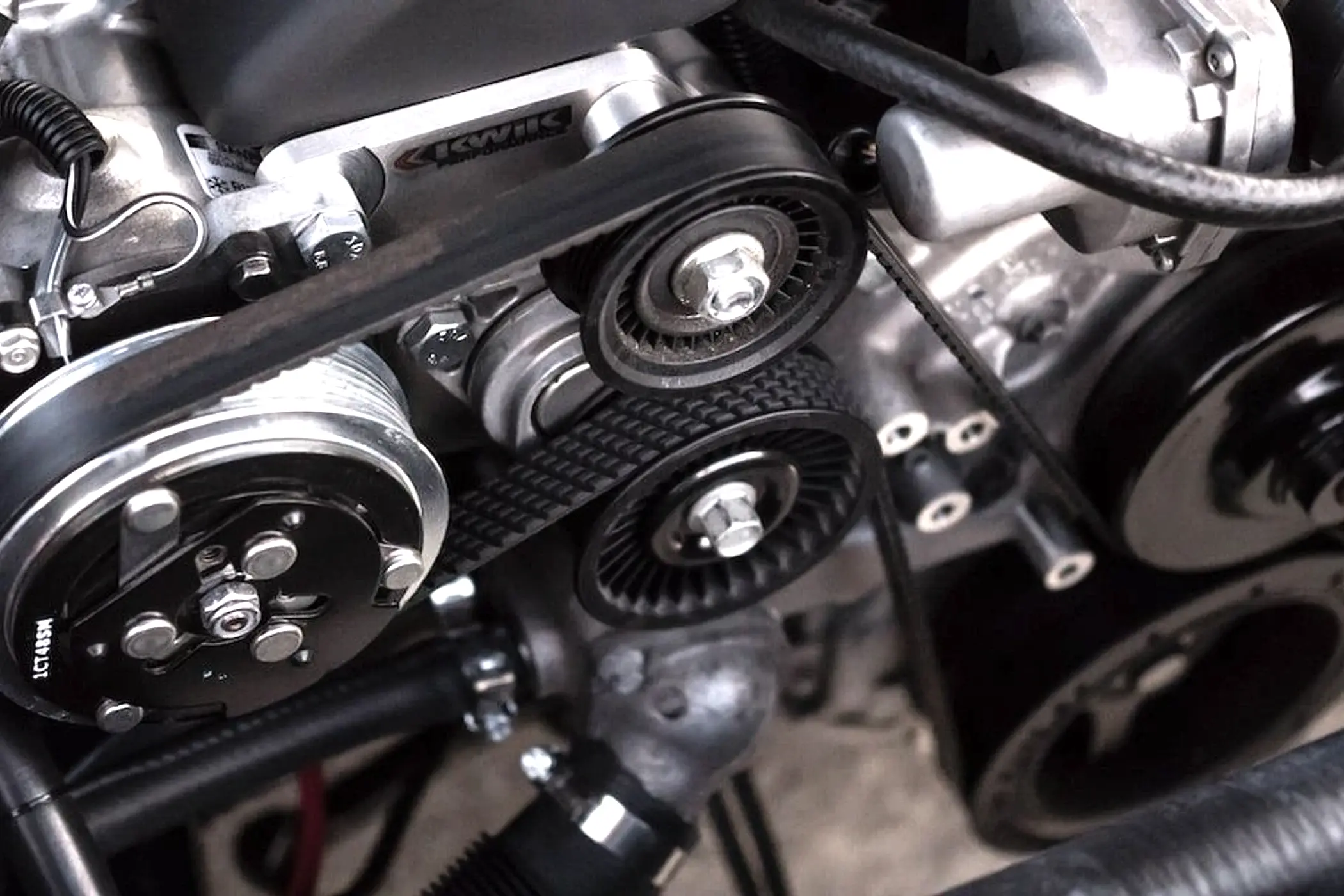
Serpentine Belt
One serpentine belt usually drives your alternator, water pump and power steering, so when it fails you lose charging, cooling and steering assistance at the same time.
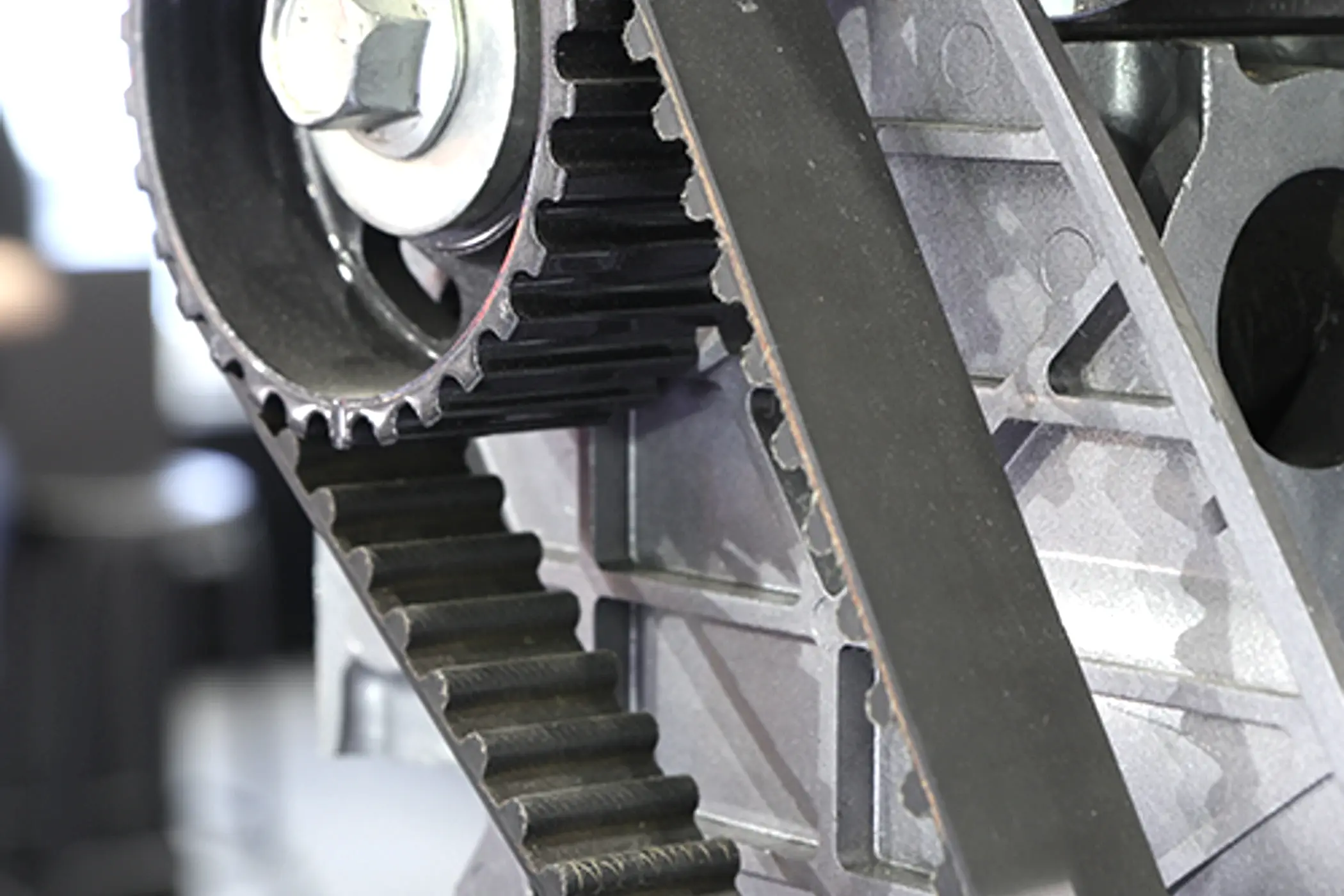
Timing Belt Services
The timing belt keeps your engine's valves and pistons moving in step, and on an interference engine a snapped belt lets them collide, which can destroy the engine.
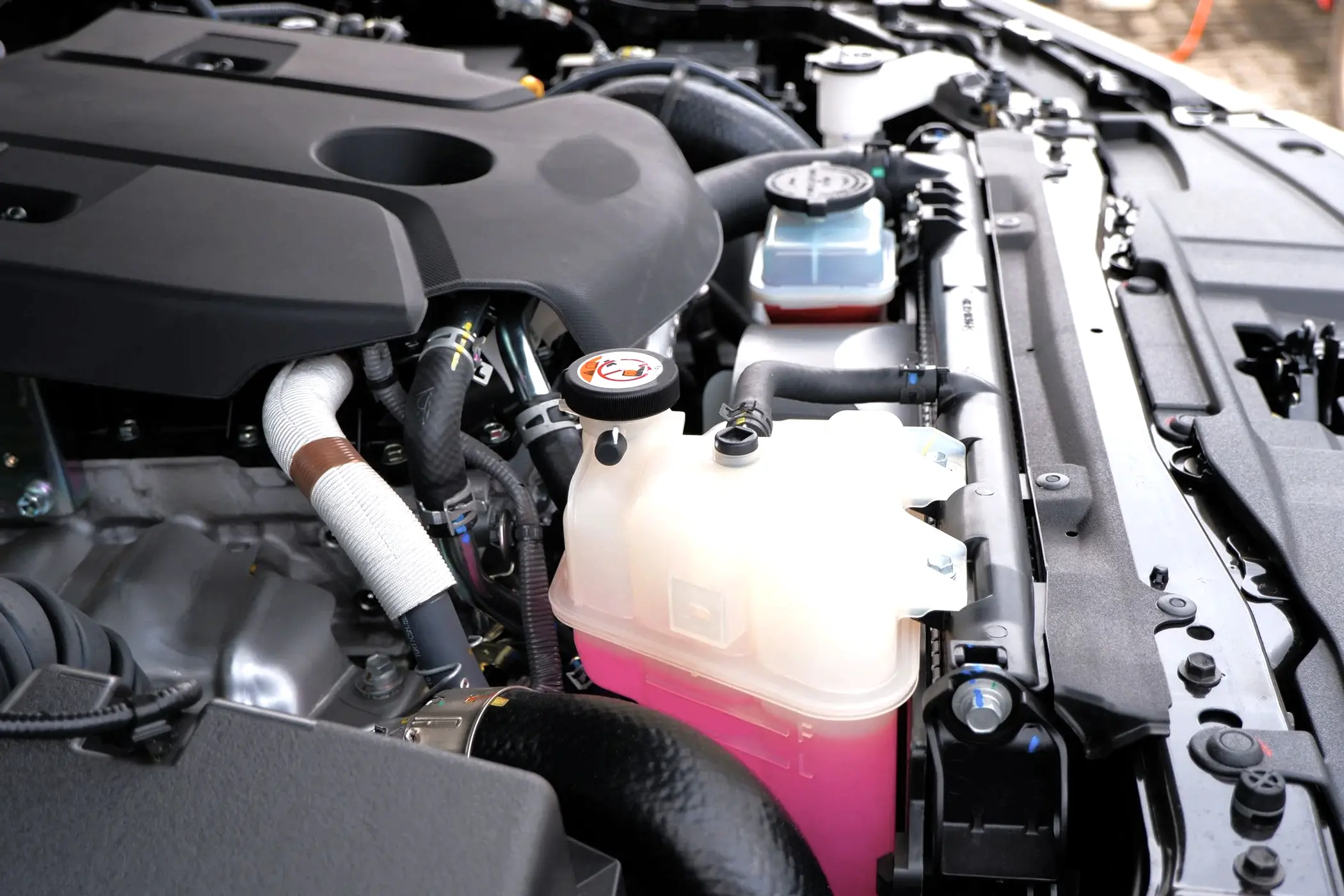
Cooling System
An engine that overheats even briefly can warp a cylinder head, so a cooling system problem is one of the few faults where continuing to drive genuinely makes it far more expensive.
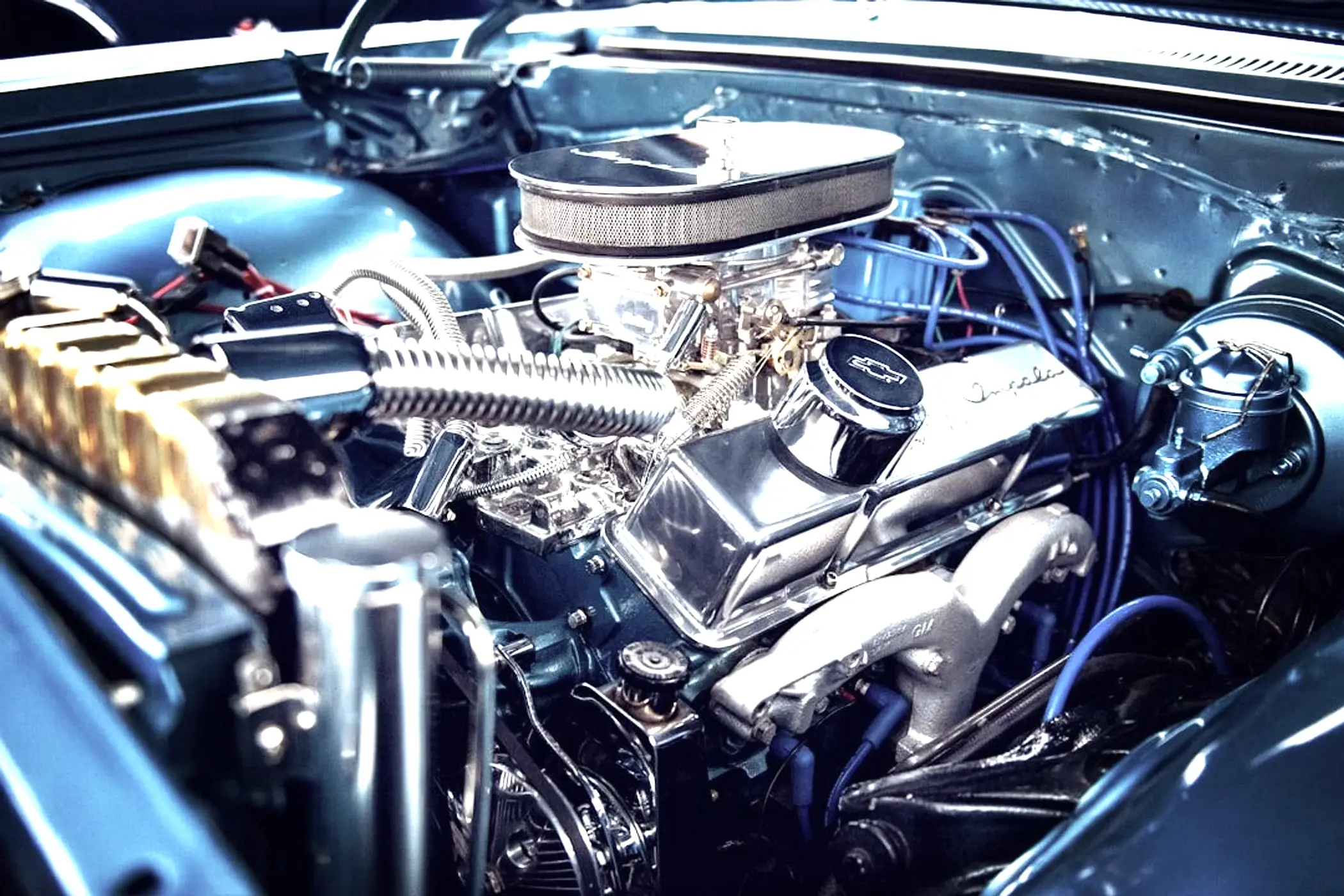
Radiator Service
The radiator is where your engine's heat actually leaves the car, and it fails by corroding internally, blocking, or leaking at its seams and plastic end tanks.
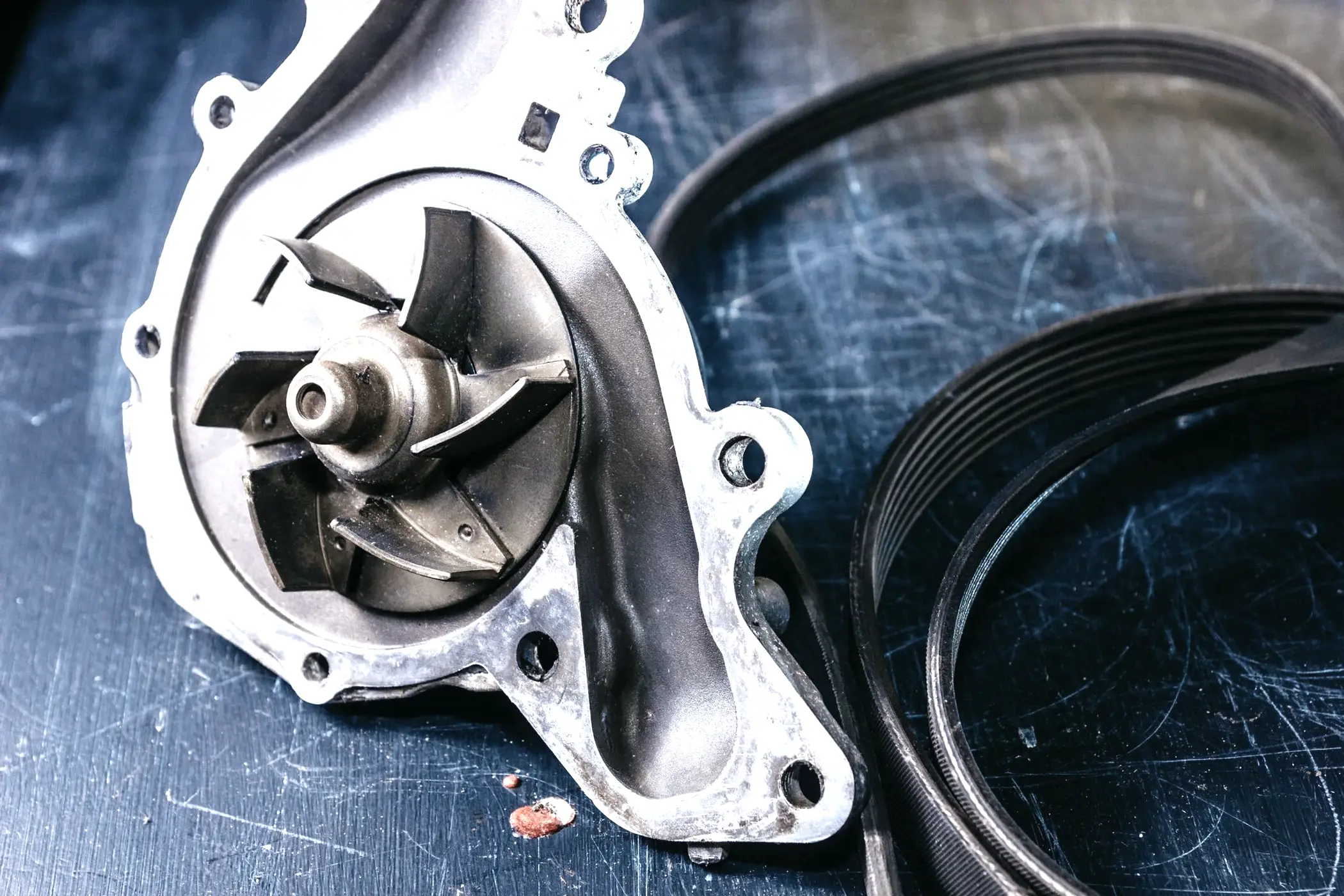
Water Pump Service
The water pump circulates coolant through the engine, and when it fails, coolant stops moving and the engine overheats within minutes no matter how full the system is.
Preventative Maintenance
Preventative maintenance is servicing components on a schedule so they are replaced while they still work, rather than waiting for the failure and the damage that comes with it.