Radiator Service in Redwood City: Blocked, Cracked or Leaking
The radiator is where your engine's heat actually leaves the car, and it fails by corroding internally, blocking, or leaking at its seams and plastic end tanks. Five Points Tire inspects the radiator along with its hoses and cap, and replaces what is needed to keep the system sealed and correctly pressurised.
Radiator service at Five Points Tire, in short
Five Points Tire inspects radiators in Redwood City along with the hoses and the cap, and replaces what is needed to keep the system sealed and correctly pressurised. Radiators fail by corroding internally, blocking externally with road debris, or cracking at the plastic end tanks. The cap is a pressure component, not a lid, and a failed one alone can cause overheating.
Radiators rarely fail all at once. They fail by degrees, and the symptom is a car that runs a little hotter than it used to under load.
That's easy to miss, because it isn't overheating. It's just closer to it than it should be.
How a radiator actually sheds heat
Hot coolant is pumped through a lot of narrow tubes, with thin fins between them. Air passing over those fins carries the heat away.
The whole design depends on two things: the tubes staying clear inside, and the fins staying open outside.
Lose either one and the radiator still works. It just can't move as much heat as it needs to, which shows up first when you ask the most of it.
The cap is a pressure component, not a lid. It holds the system at its designed pressure so the coolant does not boil at operating temperature. Worth testing whenever a cooling complaint comes in, because it is trivially cheap to replace and easy to overlook.
Signs you need radiator work
- The temperature gauge running high, particularly under load or in traffic
- Colored coolant puddles under the front of the car
- Visible corrosion, crusty residue or staining on the radiator
- Coolant that looks rusty or has sediment in it
- Bent or clogged fins, or the front of the radiator packed with debris
- The engine running hot despite the coolant level being correct
How radiators fail
| Failure | Cause | What you notice |
|---|---|---|
| Internal blockage | Old coolant that lost its inhibitors, corrosion and scale | Runs hot under load |
| External blockage | Leaves, insects and road debris packed into the fins | Runs hot in traffic |
| End tank crack | Plastic tanks going brittle after years of heat cycling | Coolant puddle at the seam |
| Fin damage | Stone strikes, pressure washing too close | Reduced cooling, gradual |
| Cap failure | Seal perished, no longer holds pressure | Overheating with no other fault |
Blockage from the inside, blockage from the outside, or a leak at the seam.
What our team does for radiator service
- 01Inspect the radiator and cooling system
- 02Inspect and replace radiator hoses and the radiator cap where needed, to keep the coolant sealed and correctly pressurised
A radiator blocks from the inside or the outside
Internal blockage shows up as running hot under sustained load. External blockage shows up worst in slow traffic. Same radiator, opposite patterns.
Inside, corrosion products and scale collect in the narrow tubes, especially in systems where coolant was left in long past its interval and lost its inhibitors.
Outside, it's leaves, insects and road debris packed into the front face, so the fan can't pull air through when the car isn't moving.
The second one is easy to check yourself with a flashlight, and easy to fix.
| Failure | Cause | How you'd notice |
|---|---|---|
| Internal blockage | Old coolant, corrosion, scale | Runs hot under sustained load |
| External blockage | Leaves and road debris in the fins | Runs hot in traffic |
| End tank crack | Plastic going brittle after years of heat | Coolant puddle at the seam |
| Fin damage | Stone strikes, pressure washing too close | Gradual loss of cooling |
| Cap failure | Perished seal, no longer holds pressure | Overheating with nothing else wrong |
Only one of these looks like a leak. The others just make the car run warmer.
Why plastic end tanks crack
Most modern radiators are an aluminum core with plastic tanks crimped onto each end.
It's a cheap and effective way to build them, and the weakness is exactly where you'd expect. The plastic goes brittle after years of heat cycling, and it cracks at the seam or around a fitting.
That's why radiator leaks so often appear along the top or bottom edge rather than in the middle of the core.
It's also why a radiator that's been fine for a decade can start leaking without anything hitting it.
Want it checked? Describe what the car is doing and Five Points Tire will tell you whether it needs radiator work or something else. Call 650-365-0280, or send the form and someone calls you back. Request an appointment
The radiator cap is a pressure component
The cap looks like a lid. It isn't.
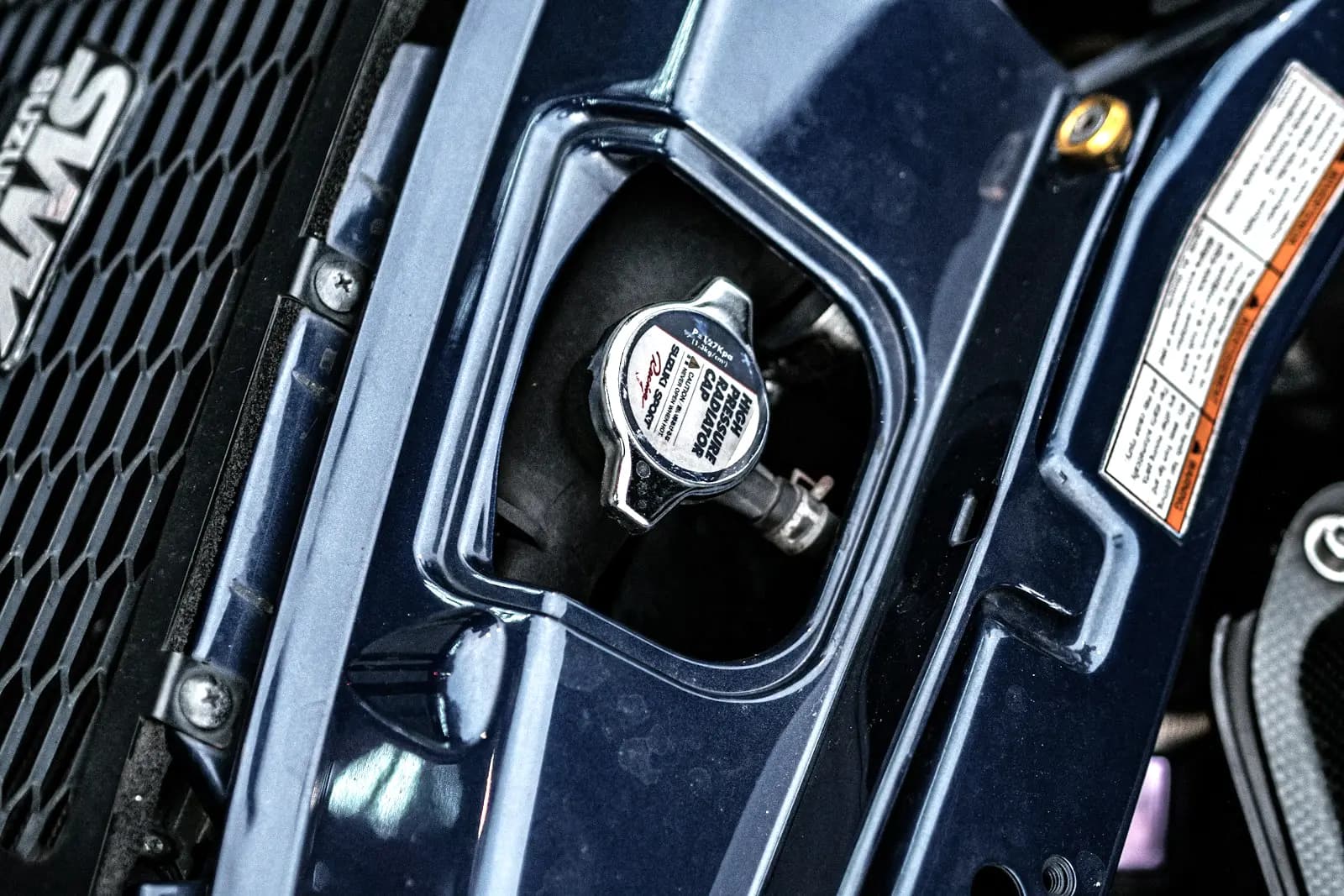
The cap holds the system at its designed pressure, which is what keeps the coolant from boiling at operating temperature. It also has a second valve that lets coolant flow back from the overflow tank as the engine cools.
A cap whose seal has perished will cause overheating on a system where everything else is fine, and it will also cause coolant loss through the overflow that looks like a leak.
It's worth testing on any cooling complaint, because it's trivially cheap and easily overlooked.
Common radiator mistakes to avoid
- Ignoring a car that runs slightly warm. That's a partially blocked radiator, and it doesn't get better on its own.
- Pressure washing the front of the radiator. Too close and you flatten the fins, which is exactly the airflow you were trying to restore.
- Replacing a radiator without flushing the system. Whatever blocked the old one is still in there.
- Overlooking the cap. It's a pressure component, and a failed one causes overheating with no other fault present.
- Leaving old coolant in past its interval. That's what causes the internal corrosion that blocks the core in the first place.
The bottom line
If the car runs warmer than it used to, especially under load, that's worth looking at before it becomes an overheat.
Check the front face of the radiator for packed debris while you're there. It's free and it's a surprisingly common cause.
We inspect the radiator, the hoses and the cap together, because the cheapest part on that list causes the same symptom as the most expensive one.
The radiator is one component in a system that fails as a whole. The water pump moves what the radiator cools, the coolant itself has a service life, and a soft coolant hose undoes all of it.
Call Five Points Tire on 650-365-0280 and say whether it's losing coolant or losing temperature control. Those are different faults with different fixes.
Radiator service questions we get asked
Question not on the list? Ask us directly.
What are the signs of a failing radiator?
- Running hot under load or in traffic, coolant puddles at the front of the car, visible corrosion or staining on the radiator, and rusty or sediment-filled coolant. Blocked or damaged fins across the front face are also worth looking for.
Can a radiator be repaired or does it need replacing?
- It depends on the failure. Debris blocking the fins can be cleaned, and hoses and the cap are replaceable on their own. A corroded core or a cracked plastic end tank generally means replacement.
Does the radiator cap really matter?
- More than most people expect. It maintains the pressure that keeps coolant from boiling at operating temperature. A cap that has lost its seal can cause overheating with no other fault present, and it is one of the least expensive parts on the car. Five Points Tire tests the cap along with the rest of the system, since it is the cheapest part that causes the most expensive failures.
Related services
Cooling System
An engine that overheats even briefly can warp a cylinder head, so a cooling system problem is one of the few faults where continuing to drive genuinely makes it far more expensive.
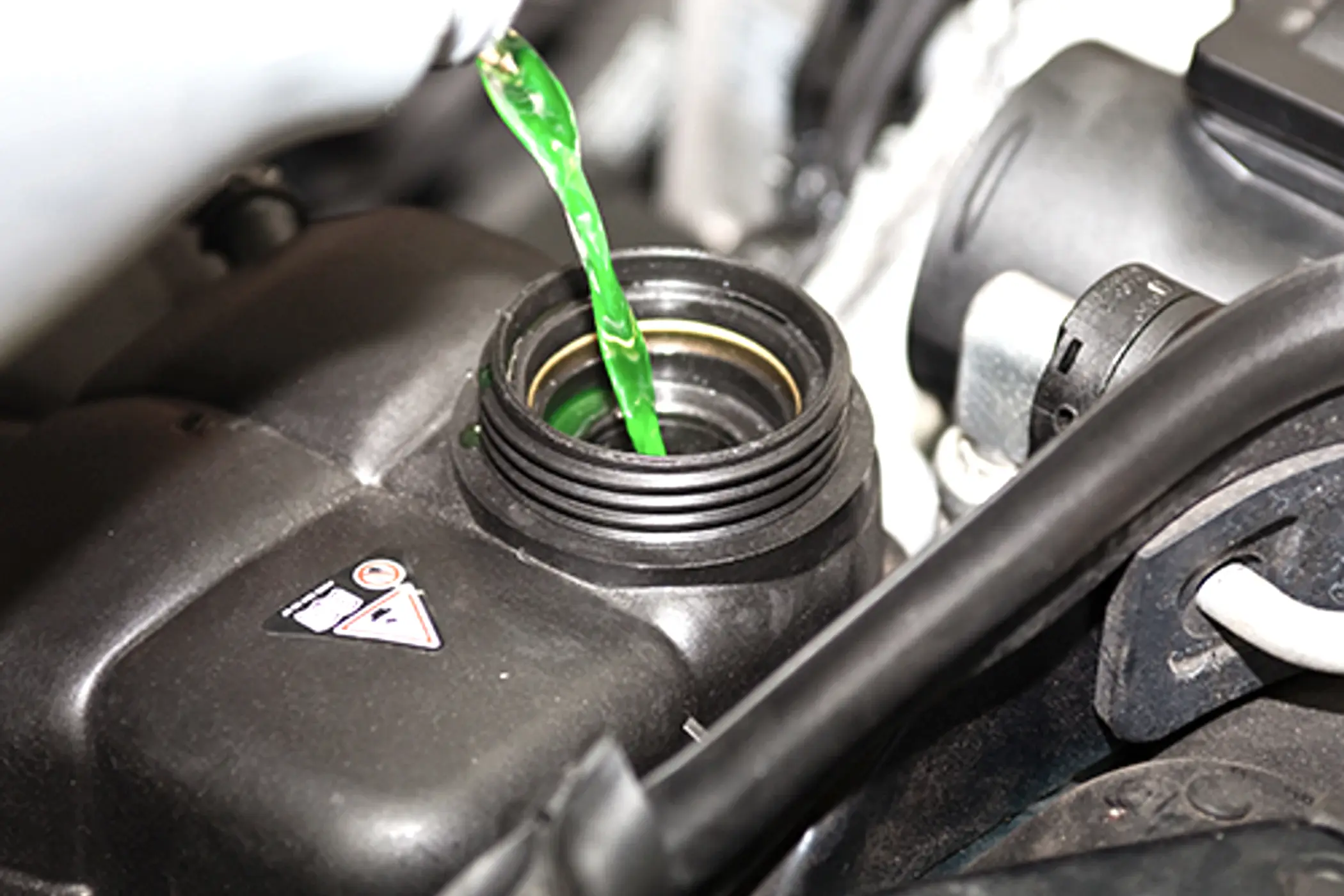
Coolant and Antifreeze
Coolant does more than stop freezing, it raises the boiling point and carries corrosion inhibitors that protect the metal inside your engine, and they wear out long before the fluid looks bad.
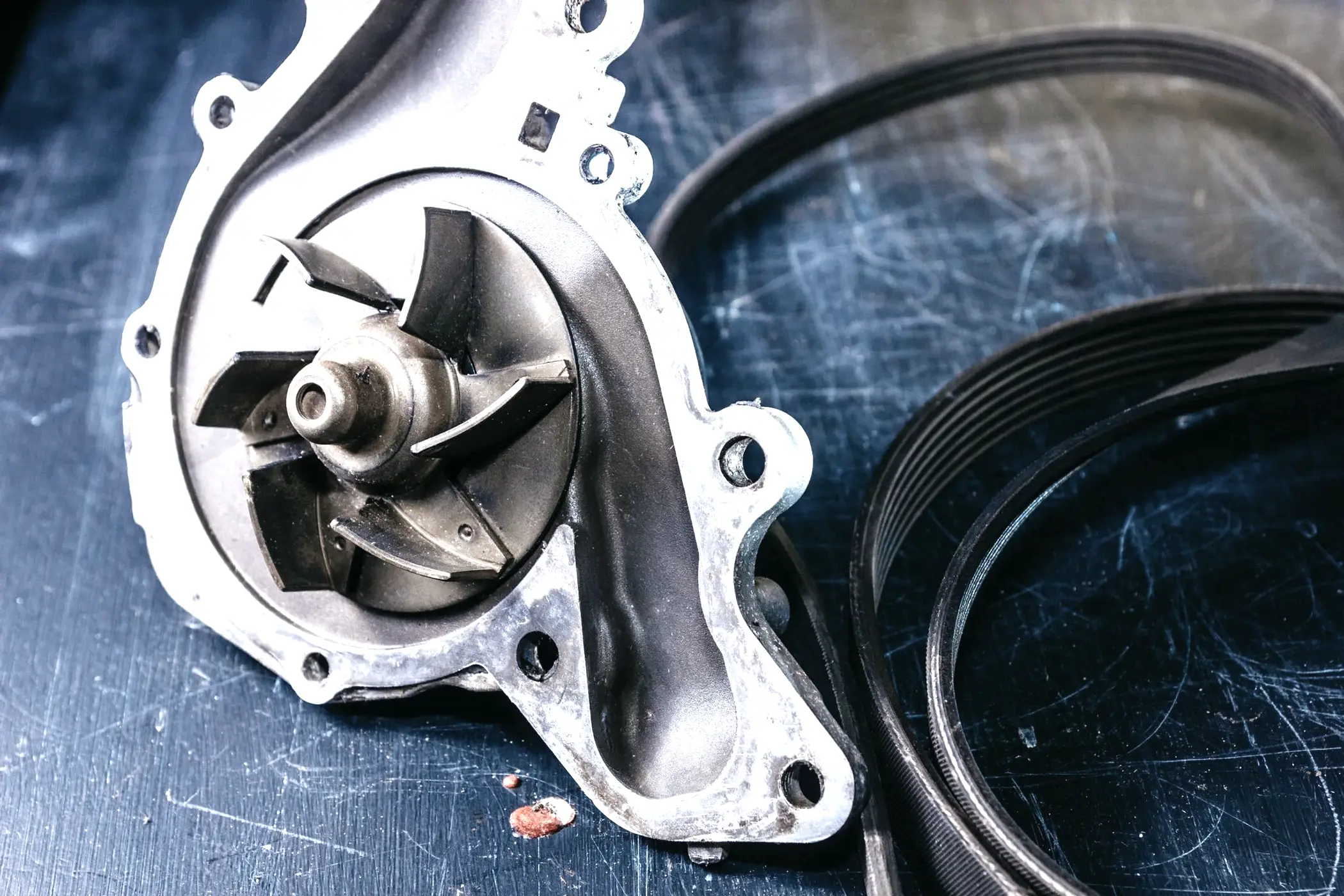
Water Pump Service
The water pump circulates coolant through the engine, and when it fails, coolant stops moving and the engine overheats within minutes no matter how full the system is.
Belts and Hoses
Belts and hoses are rubber parts that perish with age and heat, and when one fails it usually takes something more expensive with it or leaves you stopped at the roadside.
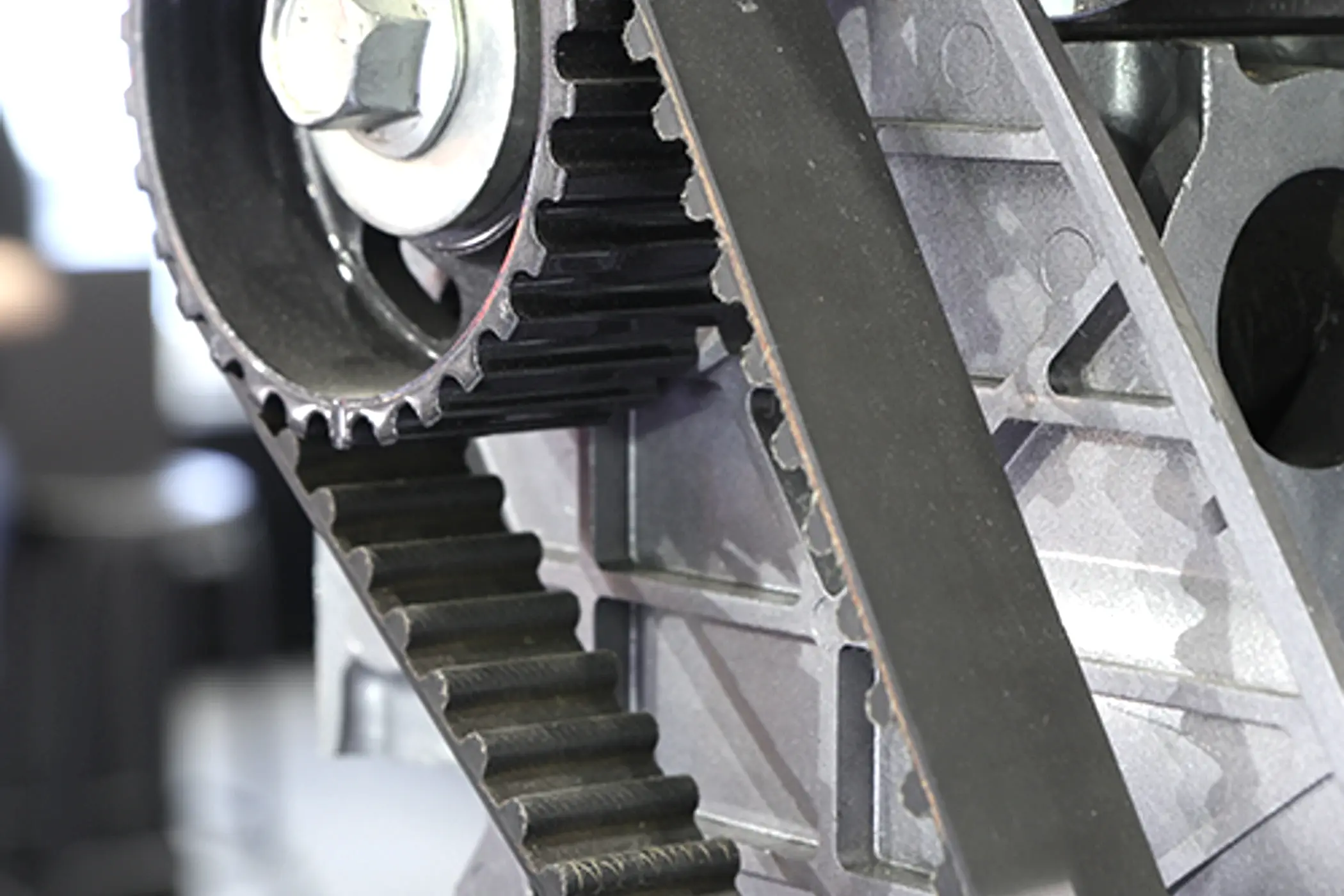
Timing Belt Services
The timing belt keeps your engine's valves and pistons moving in step, and on an interference engine a snapped belt lets them collide, which can destroy the engine.
Preventative Maintenance
Preventative maintenance is servicing components on a schedule so they are replaced while they still work, rather than waiting for the failure and the damage that comes with it.