Oil Changes in Redwood City, and How Often You Actually Need One
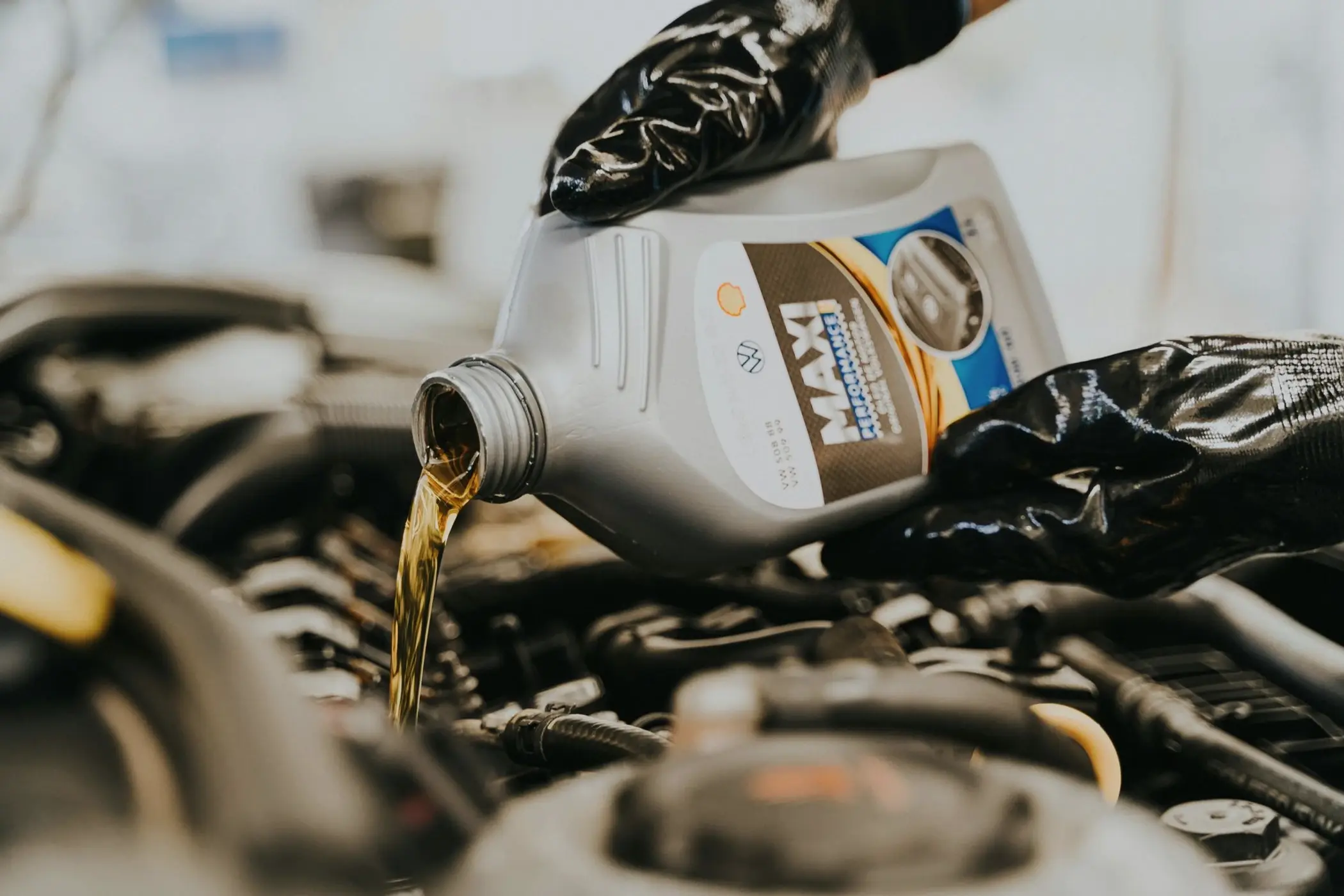
Engine oil lubricates, cools and carries contaminants away, and stops doing all three as it ages, which is why it is replaced on an interval, not when something goes wrong. Five Points Tire checks the quality and quantity of your oil, tells you whether it is due, and can supply anything from conventional to high-performance synthetic.
Oil changes at Five Points Tire, in short
Five Points Tire changes oil in Redwood City and supplies everything from conventional through to high-performance synthetic. We check the quality and quantity of what is in the engine and tell you whether it is genuinely due rather than assuming it is. Serving Redwood City, Atherton and Menlo Park from 2115 El Camino Real.
The 3,000 mile rule is the most persistent piece of outdated advice in car ownership.
It was right once. It was right for conventional oil in engines with looser tolerances and no oil life monitoring.
Most cars on the road in Redwood City today aren't that car. Plenty of them go 7,500 or 10,000 miles and are perfectly happy doing it.
Here's how to work out what yours actually needs.
What engine oil is actually doing
Engine oil lubricates, cools, cleans and neutralizes acid, and lubrication is the only one of those anyone talks about.
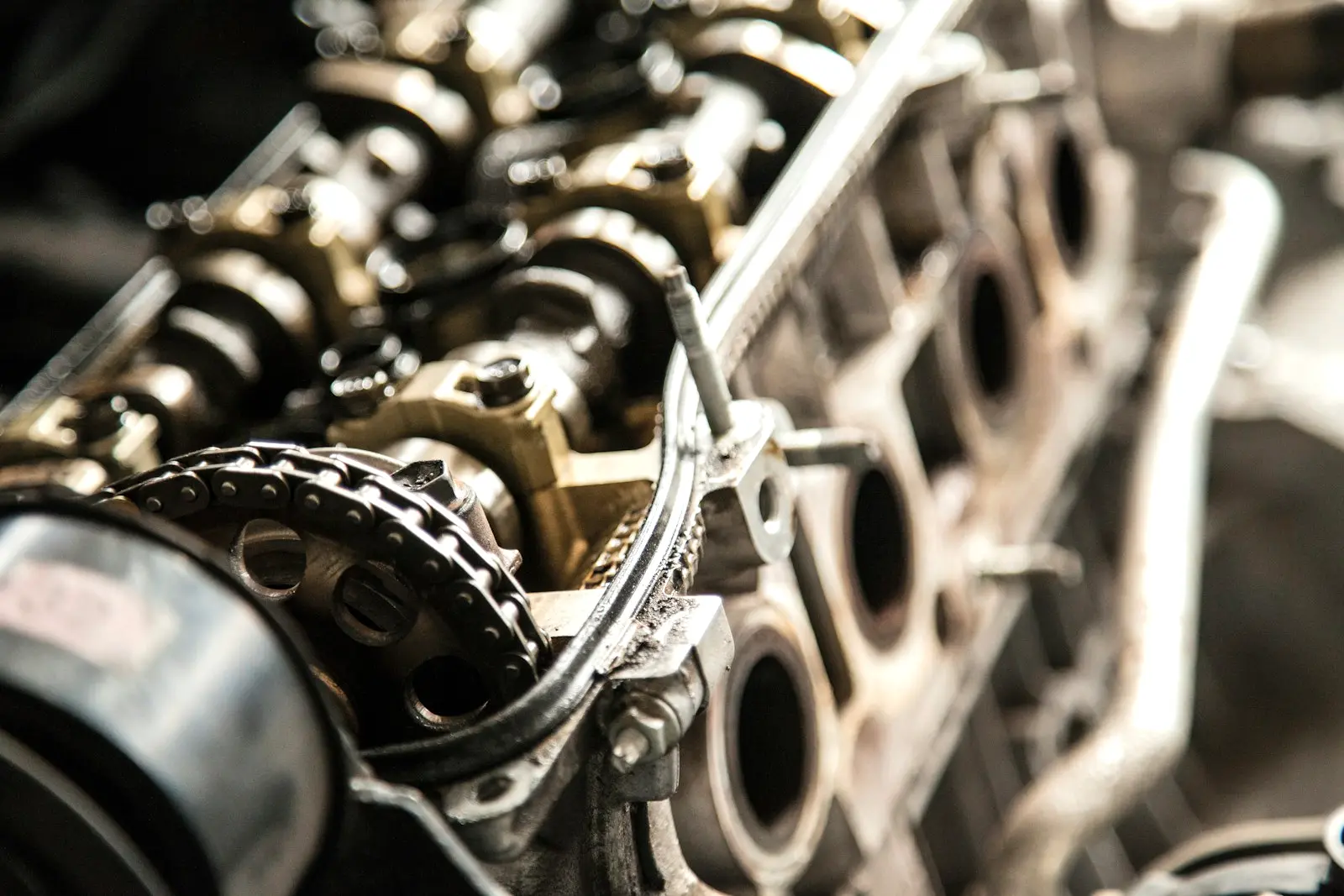
It carries heat away from parts your coolant never touches. It holds combustion soot in suspension so it doesn't cake up inside the engine. And it carries an additive package that neutralizes the acids combustion produces.
Here's the part that matters: the base oil lasts a long time. The additives don't.
When we say oil is worn out, we mean the additive package is spent. That's what a change is really replacing.
It is the additives that wear out, not the oil. The base oil lasts a long time. The additive package that holds contaminants in suspension and neutralises acids is what gets used up, and that is really what an oil change is replacing.
Signs you need an oil change
- You have reached the mileage or the time interval in your handbook
- The oil life monitor or service light has come on
- The oil on the dipstick is very dark, gritty, or low
- The engine sounds noisier or rougher than usual, especially cold
- You cannot remember the last change
- Blue smoke from the exhaust, or a burning oil smell
Synthetic and conventional oil
| Conventional | Full synthetic | |
|---|---|---|
| Made by | Refining crude oil | Engineering uniform molecules |
| Cold start flow | Slower when cold | Flows sooner, less start-up wear |
| Heat stability | Breaks down sooner | Holds up considerably better |
| Typical interval | Shorter | Often 7,500 to 10,000 miles |
| Required by | Older engines, most tolerate either | Many modern and turbocharged engines |
Use what your manufacturer specifies. Many modern engines will not tolerate a substitute.
What our team does for oil changes
- 01Check the quality and the quantity of the oil currently in the engine
- 02Determine whether it is due for replacement rather than assuming it is
- 03Supply and change the oil, from conventional through to high-performance synthetic
Synthetic or conventional oil?
Synthetic and conventional aren't grades of the same thing. They're different products.
Conventional oil is refined from crude, so the molecules come in a range of sizes. Synthetic is engineered, so they're uniform.
That uniformity is why synthetic holds up better under heat and flows sooner on a cold start, which is when most engine wear happens.
| Conventional | Full synthetic | |
|---|---|---|
| Cold start flow | Slower | Flows sooner, less start-up wear |
| Heat stability | Breaks down sooner | Holds up considerably better |
| Typical interval | Shorter | Often 7,500 to 10,000 miles |
| Cost per change | Lower | Higher |
| Cost per mile | Usually similar | Usually similar |
| Required by | Most older engines accept either | Many modern and turbo engines specify it |
If your handbook specifies synthetic, that isn't a suggestion. Turbos in particular will not tolerate a substitute.
How often should you actually change your oil?
Start with your owner's manual, or the oil life monitor if your car has one.
Those monitors aren't counting miles. They're modelling how hard the oil has worked based on engine temperature, load, trip length and revs, which is a far better guide than an odometer.
Then adjust for how you actually drive.
Shorten the interval if most of this sounds like you:
- Short trips around town: The engine never fully warms, so fuel and water condense into the oil instead of boiling off.
- Stop-and-go traffic: Lots of running time, very few miles.
- Towing or hauling: Sustained high load means sustained high oil temperature.
- Dusty conditions: More contamination reaching the oil.
- Long periods parked: Oil ages on a clock as well as on mileage.
Want it checked? Describe what the car is doing and Five Points Tire will tell you whether it needs an oil change or something else. Call 650-365-0280, or send the form and someone calls you back. Request an appointment
Why the oil grade on the bottle matters
The number on the bottle, 5W-30 or 0W-20 or whatever your car takes, describes how the oil flows cold and hot.
The W number is the cold rating. Lower means it flows better when you start the car on a cold morning, and that's when most wear happens.
Modern engines are built around a specific viscosity. Variable valve timing in particular runs on oil pressure through very small passages, and the wrong grade can make it misbehave.
So use what the manufacturer specifies. This isn't a place to improvise.
Short local trips are the hard case. An engine that never fully warms lets fuel and water condense into the oil rather than boiling off. A car doing school runs and short trips around Redwood City is working its oil harder per mile than one doing freeway miles.
Checking your oil yourself, which takes a minute
Between changes, the level is the thing worth watching. It's the single cheapest habit in car ownership.
Park level, engine off, and give it a few minutes to drain back:
- Pull the dipstick and wipe it clean. The first reading is always wrong.
- Push it all the way back in, then pull it again. Now read it.
- Check the level is between the two marks. Nearer the top is fine. Below the bottom is not.
- Look at the oil itself. Dark is normal. Gritty or milky is not.
- Top up in small amounts if needed. Overfilling causes its own problems.
Common oil change mistakes to avoid
- Still changing at 3,000 miles. On a modern engine running full synthetic you're throwing away good oil and money.
- Ignoring the oil life monitor. It models how hard the oil has actually worked. It's better information than the sticker on your windshield.
- Using the wrong viscosity. Modern engines are designed around a specific grade, and oil-fed components misbehave without it.
- Judging oil by color. Dark oil is usually oil doing its job, holding soot in suspension. Color alone tells you very little.
- Never checking the level between changes. Running low is the fastest way to end an engine, and it takes sixty seconds to rule out.
- Overfilling. Too much oil gets whipped into foam by the crankshaft, and foam doesn't lubricate.
The bottom line
Follow your handbook or your oil life monitor, then shorten the interval if you're doing mostly short local trips.
Use the grade your manufacturer specifies, and check the level between changes.
That's the whole thing. There's no secret to it, and there's no benefit in changing early.
An oil change is the appointment where everything else gets looked at. A fluid inspection covers the fluids the dipstick does not, and it is the natural point to check what else is due on the maintenance schedule.
Five Points Tire changes oil at 2115 El Camino Real, everything from conventional through full synthetic, and we'll tell you if it isn't actually due yet.
How often should I change my oil?
- Follow your handbook or your car's oil life monitor. Modern engines on full synthetic commonly go 7,500 to 10,000 miles, while older engines and conventional oil need it sooner. The old 3,000 mile rule is out of date for most cars on the road now.
What is the difference between synthetic and conventional oil?
- Conventional oil is refined from crude. Synthetic is engineered, so its molecules are more uniform, which means it holds up better under heat, flows better on cold starts, and lasts longer. Many modern and turbocharged engines specify synthetic and should not be run on anything else.
Can I switch from conventional to synthetic?
- In general yes, provided synthetic meets your manufacturer's specification, and there is no harm in switching. The old idea that changing over causes leaks is not a concern with modern oils.
What happens if I do not change my oil?
- The additives that keep contaminants in suspension and neutralise acids get used up. Deposits build, the oil thickens, and it stops protecting under heat. Left long enough it causes wear and eventually engine damage that costs many times what the changes would have.
Why does my oil look dark so soon after a change?
- Dark oil is usually oil doing its job. Part of its function is to hold combustion soot in suspension rather than letting it deposit inside the engine, and that darkens it quickly. Color alone is not a reliable indicator, which is why condition is assessed rather than eyeballed. Five Points Tire will tell you whether dark oil is normal for your engine or a sign of something else.
Related services

Fluid Inspections
Every major system in your car runs on a fluid, and most of them fail quietly by degrading rather than by running out.

Preventative Maintenance
Preventative maintenance is servicing components on a schedule so they are replaced while they still work, rather than waiting for the failure and the damage that comes with it.
Engine Air Filter
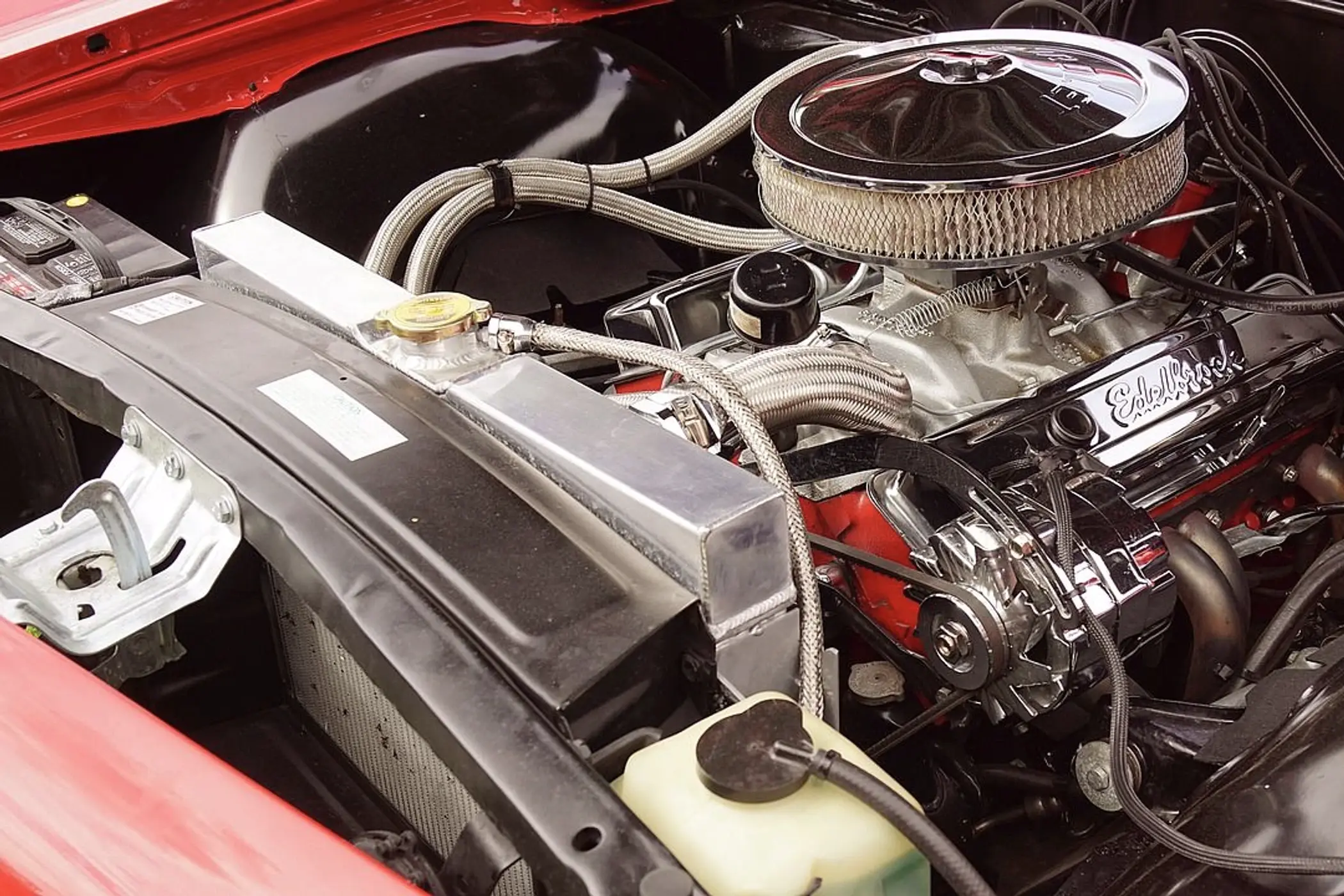
The engine air filter stops dust and grit reaching the inside of your engine, and as it clogs the engine has to work harder to breathe, which costs you power and fuel.
Vehicle Tune-Ups
A tune-up replaces the ignition and filter parts that wear out: spark plugs, ignition coils, air and fuel filters, and the PCV valve.
PCV Valve
The PCV valve vents pressure out of your engine's crankcase and routes it back to be burnt, and when it sticks the pressure has to escape somewhere, which usually means pushed-out seals and oil leaks.

Cabin Air Filter
The cabin air filter cleans the air coming into your vents, and when it clogs your airflow drops, the windows take longer to demist, and the car starts to smell musty.