Vehicle Inspection in Redwood City: What Gets Measured
California does not require a periodic safety inspection, so a voluntary check is the only thing that catches brake, tire, steering and suspension wear before it becomes a failure. Five Points Tire works through the critical systems on the vehicle and tells you what is worn, what is close, and what is fine.
Vehicle inspection at Five Points Tire, in short
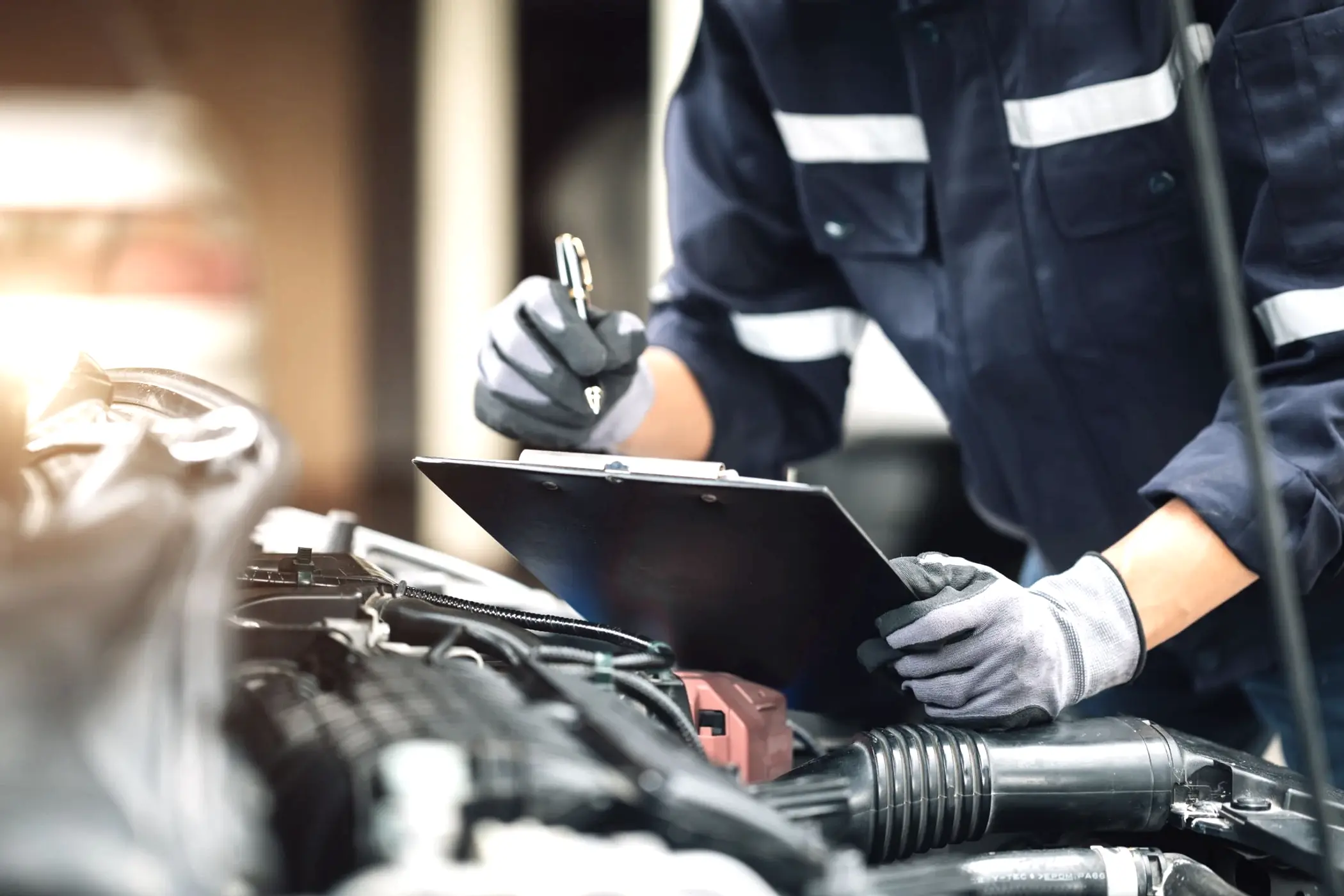
Five Points Tire inspects vehicles in Redwood City across the engine, fluids, steering, brakes, suspension, tires, the spare and the exterior lights, and tells you what is worn now and what is getting close. Because California requires no periodic safety inspection, a voluntary check is the only thing that catches this wear. Ideal before buying a used car.
California doesn't require a safety inspection. There's no annual sticker, no certificate, nothing that forces anyone to look at your brakes.
That's a bigger deal than it sounds. It means plenty of cars on the road here have never had a safety check at all, and the only thing that changes that is somebody choosing to book one.
The reason it matters is that wear is gradual, and you adapt to it without noticing.
Why you can't feel your own car getting worse
Brakes lose stopping power over thousands of miles. Steering develops play a fraction at a time. Shocks fade so slowly the car feels normal right up until you drive one with fresh ones.
None of that arrives as an event. You just recalibrate, and your idea of normal drifts with the car.
An inspection is somebody measuring instead of adapting. That's the whole value of it.
The pre-purchase inspection earns its cost twice. It tells you what you are actually buying, and it is the most useful negotiating document you will get, because it is specific and it is not your opinion.
Signs you need a vehicle inspection
- You are buying a used car and want it checked before you commit
- You have just bought a car with no service history
- You are about to drive a long distance
- Something feels different and you cannot identify what
- Nothing has been looked at in over a year
- You are selling and want to know what a buyer's inspection will find
What gets checked, and what gets measured
| System | What we look at | Measured or judged |
|---|---|---|
| Brakes | Pad and rotor wear | Measured, you get the numbers |
| Tires | Tread depth, wear pattern, age | Measured |
| Fluids | Level and condition | Judged on color and clarity |
| Suspension | Play in joints and bushings, ride height | Judged, with movement checked |
| Steering | Power steering function and free play | Judged |
| Lights | Taillights, hazards, brake lights | Pass or fail |
Being given the numbers is what lets you plan rather than react.
What our team does for vehicle inspection
- 01Inspect the engine to confirm it is running efficiently and nothing is excessively worn
- 02Check the level and condition of the fluids, and drain and refill where they are low or dirty
- 03Check the steering system, including that the power steering is working correctly
- 04Inspect the brakes, including pads and rotors, for excessive wear
- 05Evaluate the suspension
- 06Assess the condition of the tires
- 07Check the spare tire is serviceable if you need it
- 08Check the taillights, hazard lights and brake lights all function
- 09Recommend replacement where a part is worn enough to need it
Before you buy a used car
A pre-purchase inspection is the highest-value version of this service, and it's the one people skip most often because they're already emotionally committed to the car.
An hour of inspection against the cost of a transmission isn't a close comparison.
It's also the best negotiating document you'll get, because it's specific, it's written down, and it isn't your opinion. A seller can argue with you. It's harder to argue with a measured pad thickness.
Worth doing before you commit to any of these:
- A private sale. No warranty, no comeback, and you're relying entirely on what you're told.
- A dealer used car. Certified programs vary a lot in what they actually inspect.
- An online purchase. Especially anything bought sight-unseen or shipped in.
- A car with no service history. The absence of records is itself information.
- Anything that's been sitting. Fluids, tires and brakes all suffer from disuse, not just use.
What gets measured, and what gets judged
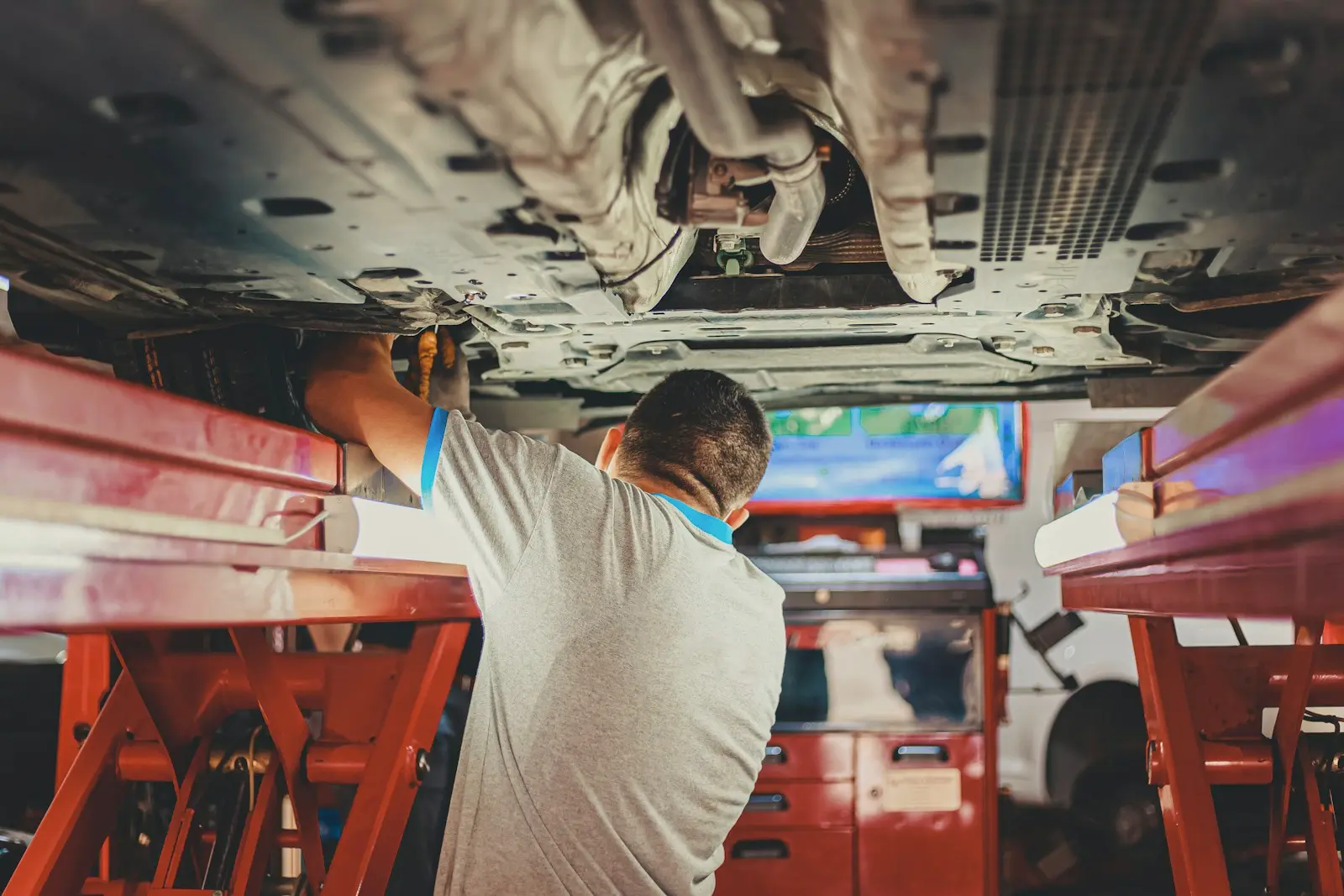
Some of an inspection is numbers and some of it is experience, and it's worth knowing which is which.
Tread depth and pad thickness are measured. You get a number, and a number lets you plan rather than react.
Fluid condition, suspension play and steering feel are judged. That's not vagueness, it's a technician comparing against thousands of vehicles.
A good report separates worn out now from getting close, because those are different decisions with different urgency, and lumping them together is what makes people distrust a service list.
Want it checked? Describe what the car is doing and Five Points Tire will tell you whether it needs a vehicle inspection or something else. Call 650-365-0280, or send the form and someone calls you back. Request an appointment
Where inspections usually find something
Tires, brakes, fluids, suspension play and small leaks account for the majority of findings on most cars, and nearly all of them are cheap at the point they're found.
| Area | What turns up | Typical outcome |
|---|---|---|
| Tires | Uneven wear, age, low tread | Alignment or replacement |
| Brakes | Pad and rotor wear | A number and a timeline |
| Fluids | Degraded or contaminated | Service, often overdue |
| Suspension | Play in joints, tired dampers | Explains the handling complaint |
| Leaks | Weeping seals and hoses | Cheap now, expensive later |
| Lights | One out, or aim off | Quick fix, easy to miss yourself |
Most findings are small and cheap at the point they're found. That's the point of finding them.
When else an inspection is worth doing
Before a long drive, before you sell, and after buying a car with no history are the other three moments an inspection earns its cost.
The long drive case is strongest when the car mostly does short local trips and is about to do something very different.
Before you sell, knowing what a buyer's inspector will find puts you in control of the conversation instead of reacting to it.
And on a car with no records, an inspection gives you a baseline to work from rather than guessing at what's been done.
Common inspection mistakes to avoid
- Skipping the pre-purchase inspection because the car looks clean. Cosmetic condition tells you about the last owner's habits, not the mechanical condition.
- Accepting a seller's own inspection. Get your own. It's your money and your risk.
- Treating everything on the report as urgent. A good report separates worn out now from getting close. Ask which is which.
- Assuming a smog check covers safety. It's emissions only. It doesn't look at brakes, tires, steering or lights.
- Only inspecting when something's wrong. By then you're not inspecting, you're diagnosing, and the cheap window has closed.
The bottom line
Nothing in California will ever prompt you to have your brakes, tires, steering or suspension looked at. That's just how the rules work here.
So the only two moments it reliably happens are before you buy a used car, and when you decide to book one.
If you're about to buy something, book the inspection first. If it's been a year since anything was looked at, that's reason enough.
Five Points Tire inspects at 2115 El Camino Real and you get the numbers, not just a verdict. Call 650-365-0280.
Vehicle inspection questions we get asked
Question not on the list? Ask us directly.
What does a vehicle inspection include?
- The engine, fluid levels and condition, the steering including power steering, brakes down to pad and rotor wear, suspension, tire condition, the spare, and the exterior lights. You get told what is worn now and what is getting close.
Should I get a car inspected before buying it?
- It is the single best money you can spend in a used car purchase. It tells you what you are actually buying, and it gives you something specific and independent to negotiate with if it turns something up.
Is a vehicle inspection required in California?
- No. California has no periodic safety inspection. A Smog Check is required for most vehicles at registration renewal, but that is emissions only and does not look at brakes, tires, steering or lights.
How long does an inspection take?
- That depends on the vehicle and how much comes up, so it is worth calling to arrange rather than dropping in. Call 650-365-0280 and we will tell you what to expect. Five Points Tire gives you the measurements rather than a pass or fail, so you can decide with numbers in front of you.
Related services

State Inspection Rules
California does not have a periodic vehicle safety inspection, so there is no annual or biennial safety certificate to obtain here as in many other states.
Headlamp Replacement
A headlight that has failed, or a lens so clouded it is throwing away most of its light, is both a safety problem and something you can be pulled over for.
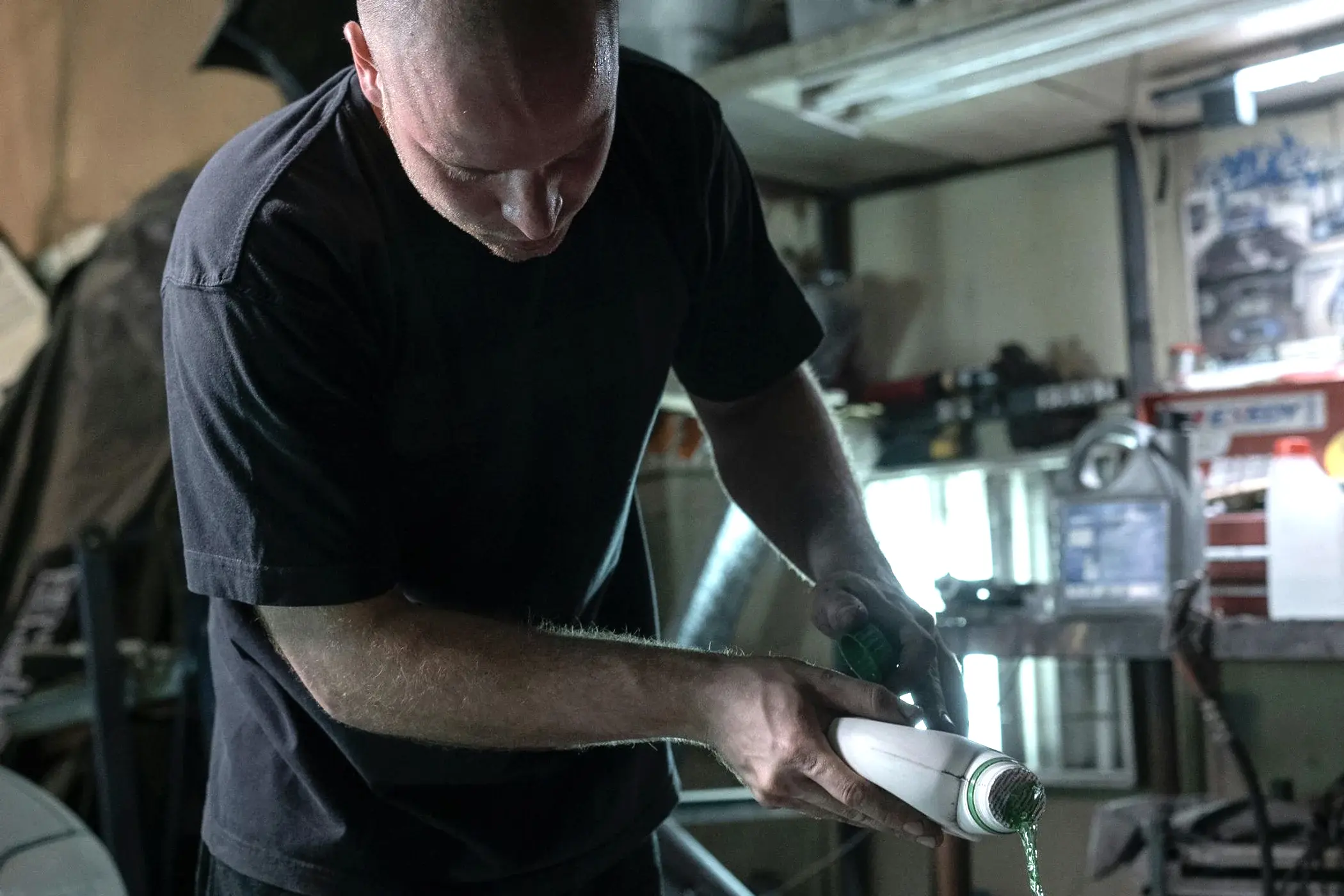
Fluid Inspections
Every major system in your car runs on a fluid, and most of them fail quietly by degrading rather than by running out.
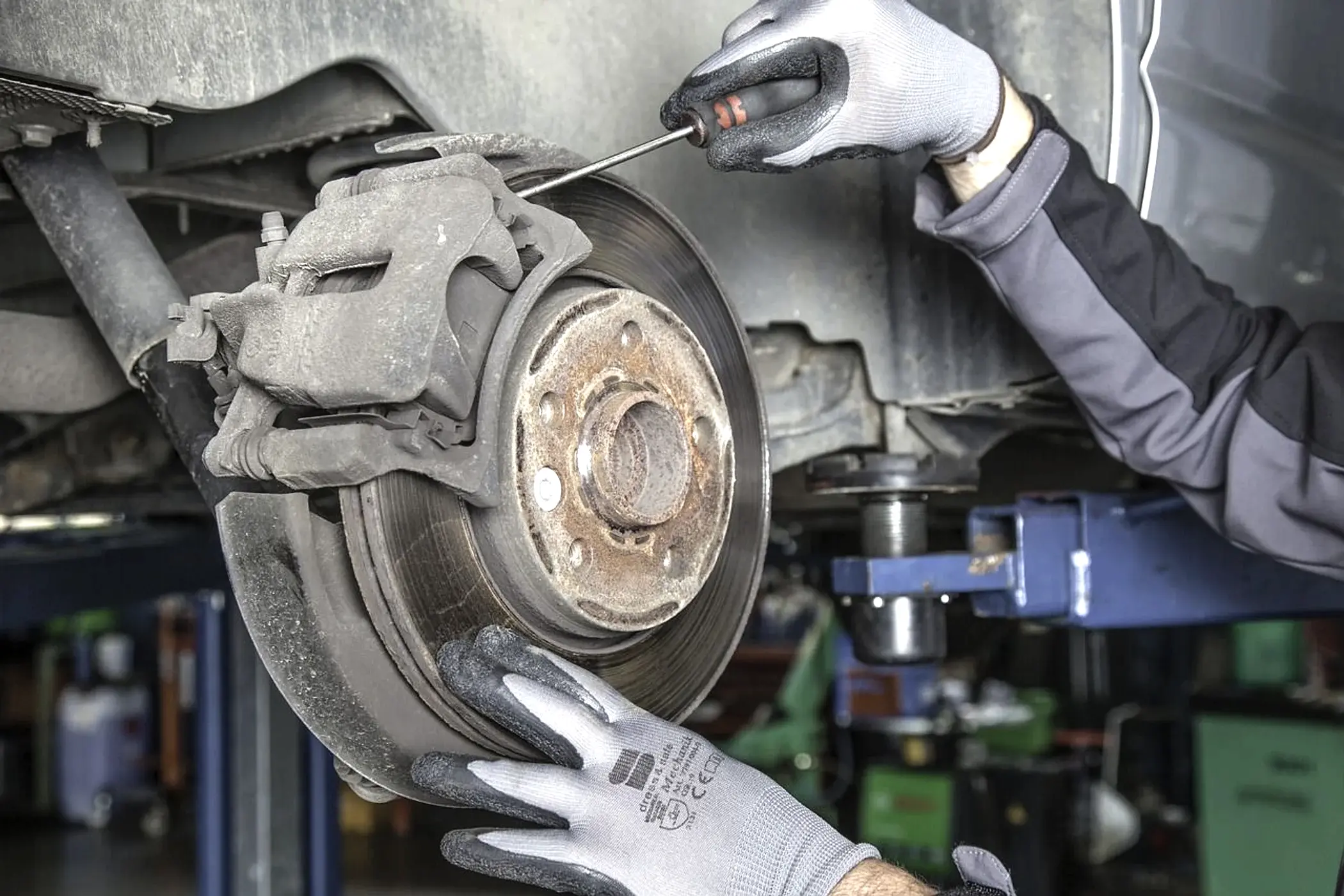
Brakes
If your brakes squeal, grind, pull to one side, or the pedal sinks further than it used to, have them inspected straight away rather than waiting to see if it settles.
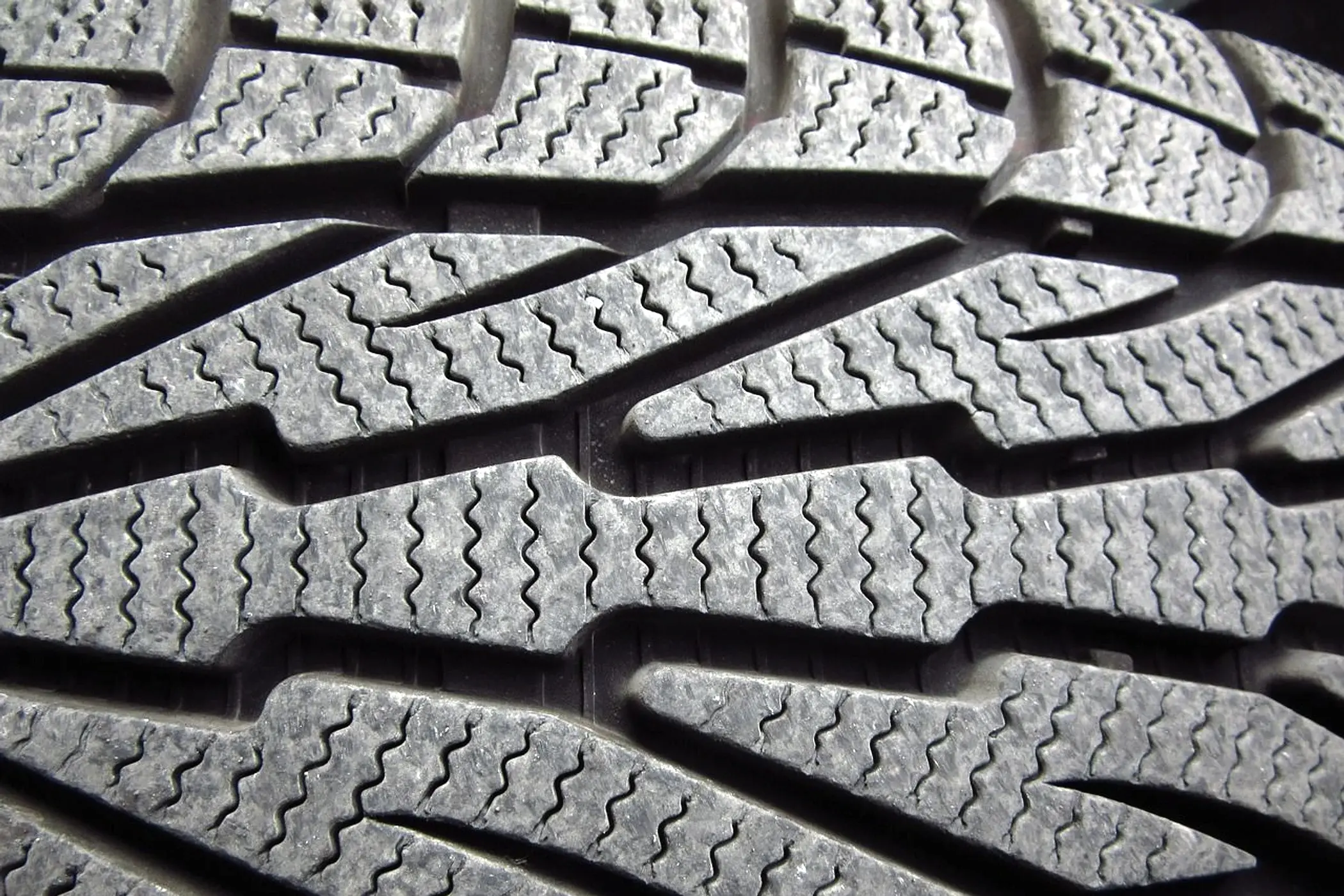
Tire Rotation
Tires wear at different rates depending on which corner they sit at, so moving them around at regular intervals is what makes a set wear evenly and last its full life.
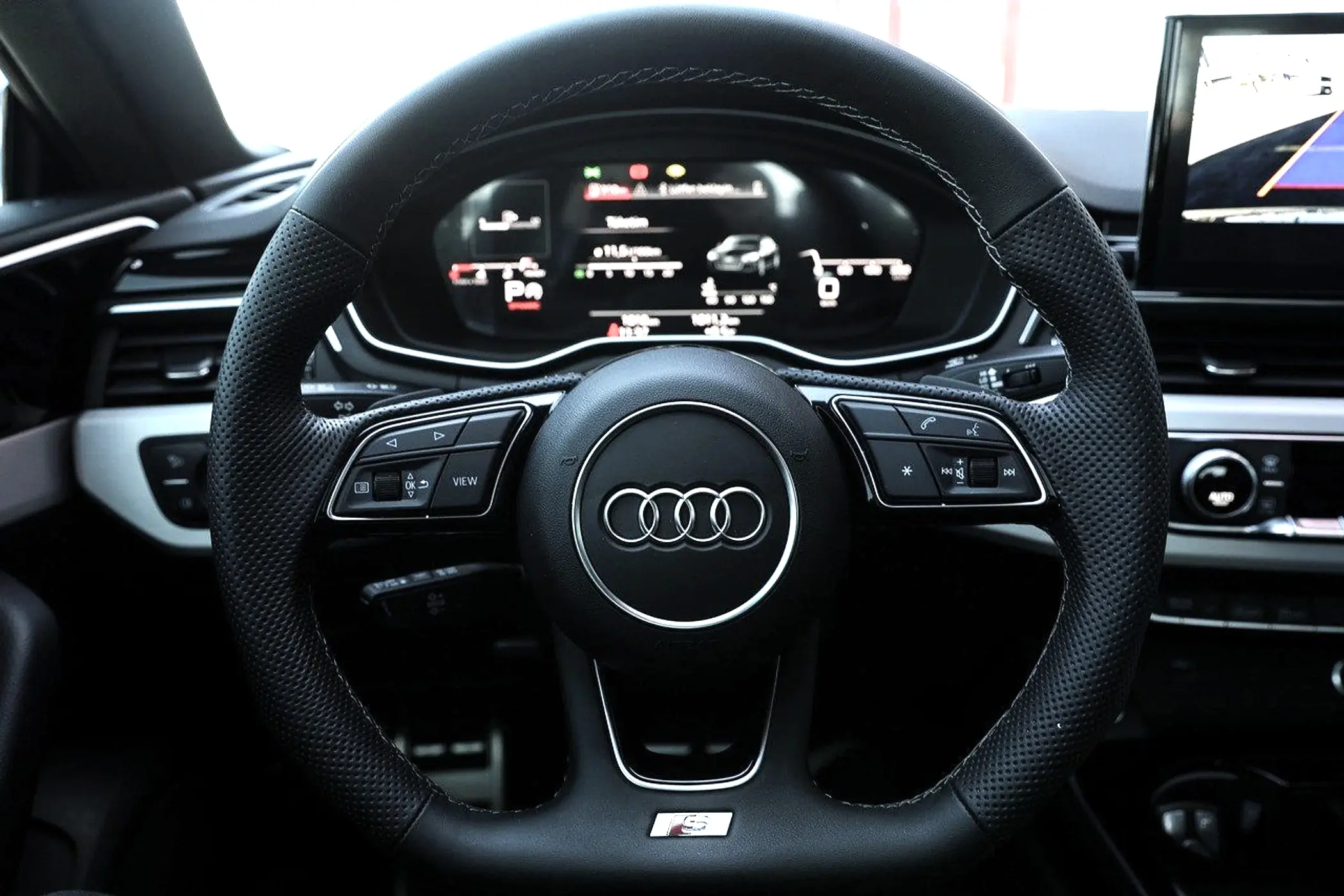
Diagnostics
Modern vehicles record faults across dozens of electronic modules, and a proper diagnosis reads that data and then tests to confirm the cause rather than guessing from the code.