Wheel Alignment in Redwood City: Pulling, Wander and Tire Wear
If your car pulls to one side, the steering wheel sits off center when you are going straight, or your tires are wearing on one edge, the alignment is out. Five Points Tire uses computerised alignment equipment to measure the angles and set them back to your manufacturer's specification.
Wheel alignment at Five Points Tire, in short
Five Points Tire aligns wheels in Redwood City on computerised equipment set to your manufacturer's specification. We inspect the tires and drive the vehicle first, because a pull is not always alignment, then adjust camber and toe, or all four wheels including caster where that is the better option. You get the exact measured angles for your service records.
Alignment is one of the cheapest services on the menu and one of the most expensive to skip.
Get it wrong and you don't just get a car that wanders. You get a set of tires destroyed in a few thousand miles, and tires cost a lot more than an alignment does.
The good news is that a car out of alignment tells you clearly, if you know what to look for.
The three alignment angles, in plain terms
Alignment isn't one setting. It's three angles, toe, camber and caster, and they do different jobs.
You don't need to be able to set them. You do want to know which one your symptoms point at, because that tells you how worried to be.
| Angle | What it is | How a problem shows up |
|---|---|---|
| Toe | Whether the wheels point in or out, seen from above | Feathered tread wear and rapid tire loss |
| Camber | How far the top of the wheel leans in or out, seen from the front | Wear on one edge of the tread |
| Caster | The tilt of the steering axis | Wandering, vague steering, poor self-centering |
Toe is the one that eats tires. Caster you feel rather than see.
A pull is not always alignment. Uneven tire pressures, a dragging brake caliper and a worn suspension component all pull a car to one side. That is why the tires get inspected and the vehicle gets driven before it goes on the alignment rack, not after.
Signs you need an alignment
- The car drifts or pulls to one side on a flat, straight road
- The steering wheel is not centered when the wheels are pointing straight
- One edge of a tire is wearing much faster than the rest
- The tread feels feathered or saw-toothed when you run a hand across it
- The steering feels loose, vague, or does not self-center after a turn
- You have hit a significant pothole or curb
- You have had suspension work or a lift kit fitted
The three alignment angles
| Angle | What it is | How a problem shows up |
|---|---|---|
| Toe | Whether the wheels point in or out, viewed from above | Feathered, saw-toothed tread wear and rapid tire loss |
| Camber | How far the top of the wheel leans in or out, viewed from the front | Wear concentrated on one edge of the tread |
| Caster | The tilt of the steering axis | Vague steering, wandering, poor self-centring |
Toe is the angle that destroys tires. Caster does not cause wear, but you feel it.
What our team does for wheel alignment
- 01Physically inspect the tires and drive the vehicle to gauge the problem first
- 02Measure the alignment angles on computerised equipment
- 03Set the angles back to manufacturer specification
- 04Adjust camber and toe on the front wheels for a front-end alignment
- 05Adjust camber and toe on the rear wheels where a rear-end alignment is called for
- 06Adjust camber, toe and caster on all four wheels for a full four-wheel alignment
- 07Test drive the vehicle and advise whether a four-wheel alignment is the better option
- 08Provide the exact measured adjustment angles for your service records
Why toe destroys tires fastest
A wheel with a toe error isn't rolling clean. It's being dragged sideways a fraction of an inch for every foot the car travels.
Do that for a few thousand miles and you scrub the tread right off. It's the single most expensive alignment fault, and it's also the most common.
The wear it leaves has a signature you can feel with your hand.
Run your palm across the tread, front to back, then back to front:
- Smooth one way, sharp the other. That's feathering. Toe is out.
- Sharp both ways. Usually more than one angle out, or worn suspension letting them move.
- Smooth both ways but worn on one edge. Camber, not toe.
- Even wear all across. Alignment is probably fine. Look at pressures instead.
A pull isn't always alignment
Uneven tire pressures, a sticking brake caliper and worn steering parts all produce the same pull as bad alignment, and the crown of the road can fake one too.
That's why we inspect the tires and drive the car before it goes anywhere near the rack.
| What you notice | Could be | Check first |
|---|---|---|
| Pulls on a flat, straight road | Alignment, or uneven pressures | Tire pressures |
| Pulls only under braking | Sticking caliper | Brakes |
| Pulls and the tire is wearing oddly | Alignment or worn suspension | Suspension play |
| Wanders both ways | Caster, or worn steering components | Steering play |
| Steering wheel off-center, tracks straight | Alignment, front toe | Alignment |
A car that pulls one way on one road and the other way on another is often just road camber.
Want it checked? Describe what the car is doing and Five Points Tire will tell you whether it needs an alignment or something else. Call 650-365-0280, or send the form and someone calls you back. Request an appointment
Which alignment does your vehicle need?
| Type | Angles adjusted | Typically for |
|---|---|---|
| Front-end | Camber and toe, front wheels | Most vehicles, most of the time |
| Rear-end | Camber and toe, rear wheels | Often rear-wheel drive vehicles |
| Four-wheel | Camber, toe and caster, all four | The most comprehensive option |
We drive the vehicle before the rack and advise which applies.
When to get an alignment checked
There's no mileage interval for alignment, because it isn't caused by mileage. It's caused by events.
Something knocks it out, and then it stays out until someone sets it back.
Worth checking after any of these:
- A hard pothole or curb strike. The most common cause by a distance.
- Any suspension work. Replacing a component moves where everything sits.
- Fitting a lift kit or lowering springs. Changing ride height changes the geometry.
- Buying new tires. Cheaper to check first than to replace a set early.
- An accident, even a light one. Including the ones that left no visible damage.
- Any of the symptoms above. Pulling, off-center wheel, uneven wear.
Align before fitting new tires, not after. If the alignment is out, a new set starts wearing unevenly from the first mile. Checking first is considerably cheaper than replacing tires early.
What computerized alignment actually gives you
Alignment tolerances are fractions of a degree. There's no eyeballing it and no adjusting by feel.
The equipment measures where each wheel is actually pointing and compares it to the specification for your exact vehicle.
We set the angles back to that spec, and you get the measured numbers to keep with your service records. That matters more than it sounds, because next time something changes you have a baseline to compare against.
Common alignment mistakes to avoid
- Fitting new tires before checking the alignment. If it's out, the new set starts wearing unevenly from the first mile.
- Aligning a car with worn suspension. A worn bushing or ball joint lets the angles move under load, so the alignment won't hold.
- Assuming a pull means alignment. Check tire pressures first. It's free and it's the answer more often than people expect.
- Ignoring an off-center steering wheel. The car may track straight, but the wheel sitting crooked means the toe is split wrong between the sides.
- Only doing the front. On many vehicles the rear sets the thrust angle, and a rear that's out makes the front chase it.
The bottom line
Alignment is the cheapest insurance you can buy on a set of tires.
If the car pulls, if the wheel sits off-center, or if you can feel feathering across the tread, get it measured before you spend money on anything else.
And if you're about to buy tires, check it first. Every time.
Alignment rarely travels alone. If the car also shakes at speed the wheels need wheel balancing, uneven wear across an axle usually means a tire rotation was skipped, and a pull that survives a good alignment points at suspension or tired shocks and struts.
Call Five Points Tire on 650-365-0280 or come by 2115 El Camino Real. We drive the car before we rack it, because a pull you can feel tells us where to measure.
Need new tires? Tell us your vehicle or tire size and we'll come back with options and pricing. Find tires for my vehicle
Wheel alignment questions we get asked
Question not on the list? Ask us directly.
How do I know if my car needs an alignment?
- The common signs are pulling to one side on a flat road, a steering wheel that is off center when you are going straight, uneven wear on one edge of a tire, or a feathered feel across the tread. Any of those is worth having measured.
What is the difference between a front-end and a four-wheel alignment?
- A front-end alignment adjusts camber and toe on the front wheels only. A four-wheel alignment adjusts camber, toe and caster across all four. Which one your vehicle needs depends on its suspension design, and we can advise after driving it.
How often should I get an alignment?
- There is no fixed interval, because it is caused by events rather than mileage. Have it checked after a hard pothole or curb strike, after suspension work, when fitting new tires, and any time the symptoms show up.
Will an alignment fix my vibration?
- Usually not. Vibration at speed is normally a balance problem or a tire that is out of round, not an alignment problem. Alignment shows up as pulling, off-center steering and uneven wear rather than shaking.
Do I need an alignment with new tires?
- It is worth checking. If the alignment is out, new tires will start wearing unevenly immediately, and you will lose a good part of a new set before you notice. Checking first is far cheaper than replacing them early. Five Points Tire drives the car before racking it, because a pull you can feel says where to measure.
Related services
Wheel Balancing
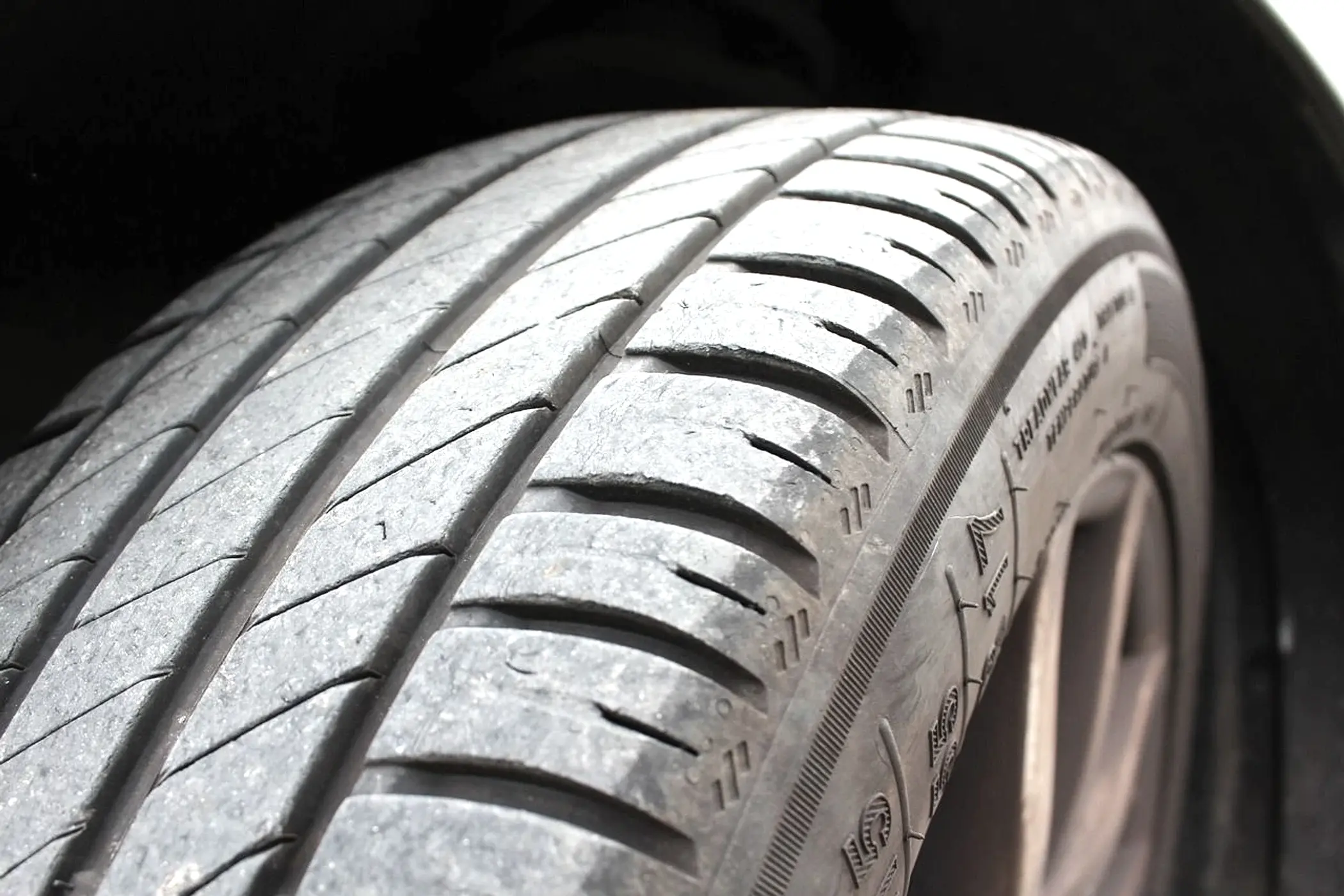
If you feel a vibration through the steering wheel, the seat or the floor that appears at a particular speed and fades again, the wheels are almost certainly out of balance.
Tire Rotation
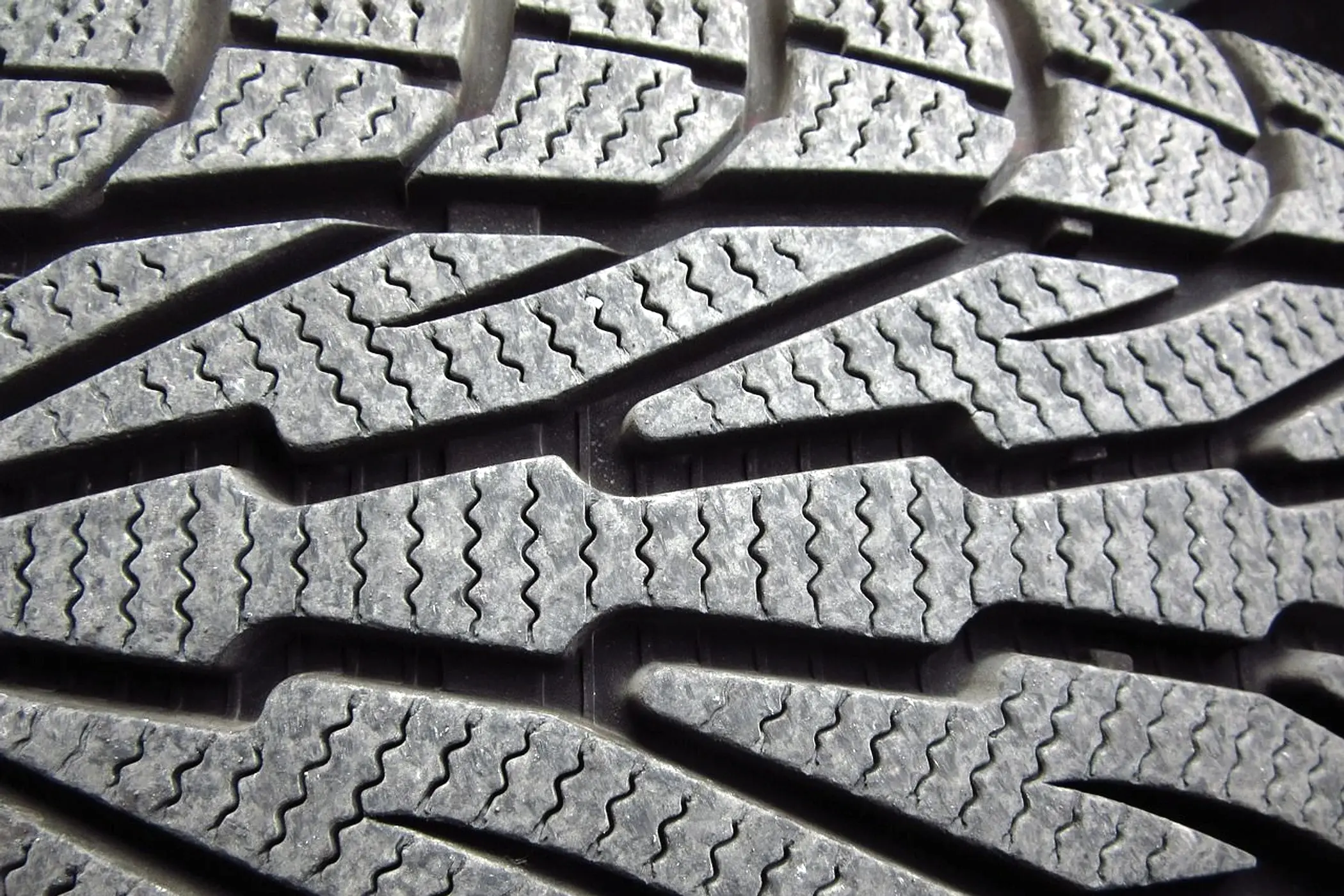
Tires wear at different rates depending on which corner they sit at, so moving them around at regular intervals is what makes a set wear evenly and last its full life.
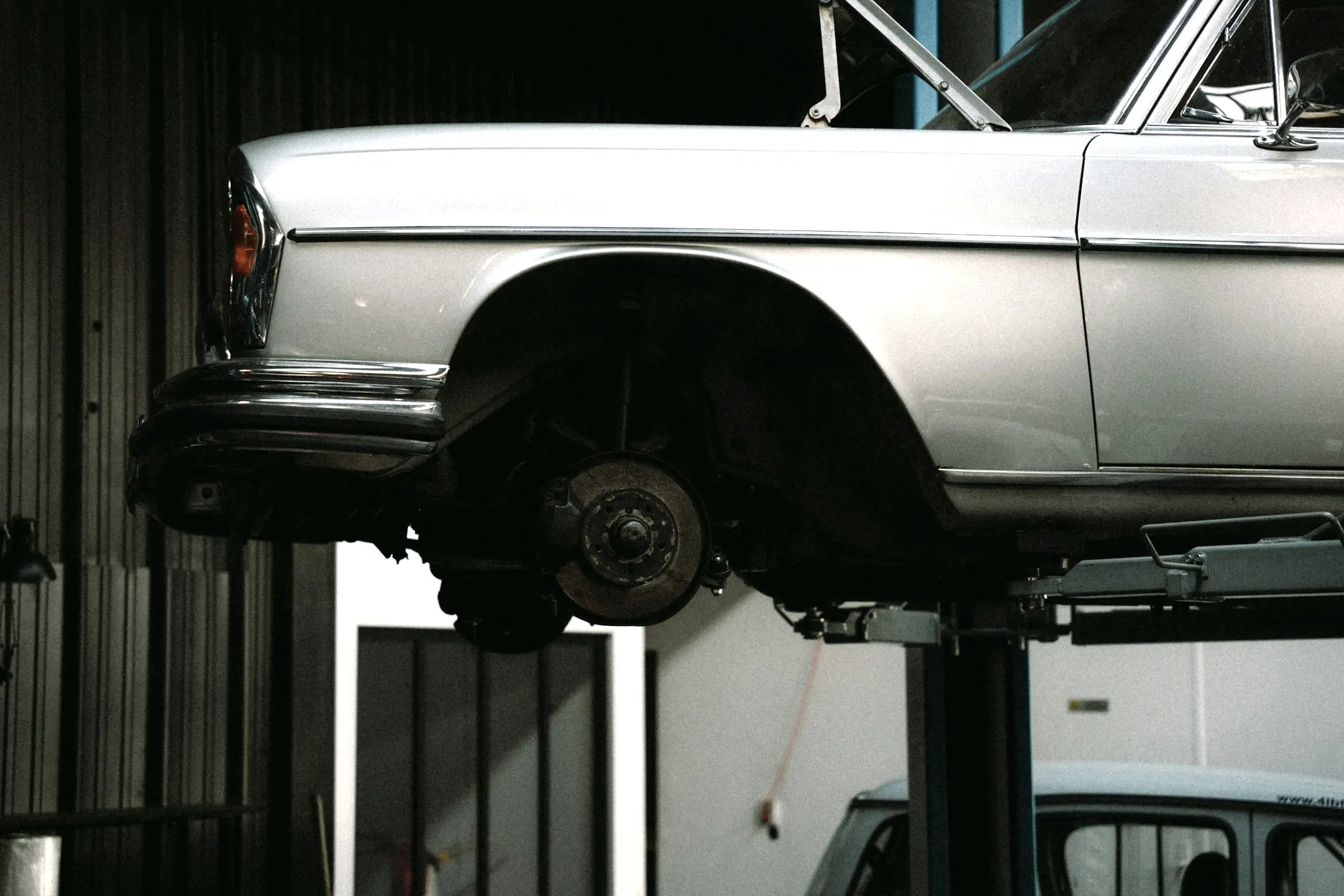
Suspension Services
Your suspension keeps the tires in contact with the road and absorbs what the road throws at the car, so when parts of it wear you lose ride quality, steering precision and grip together.
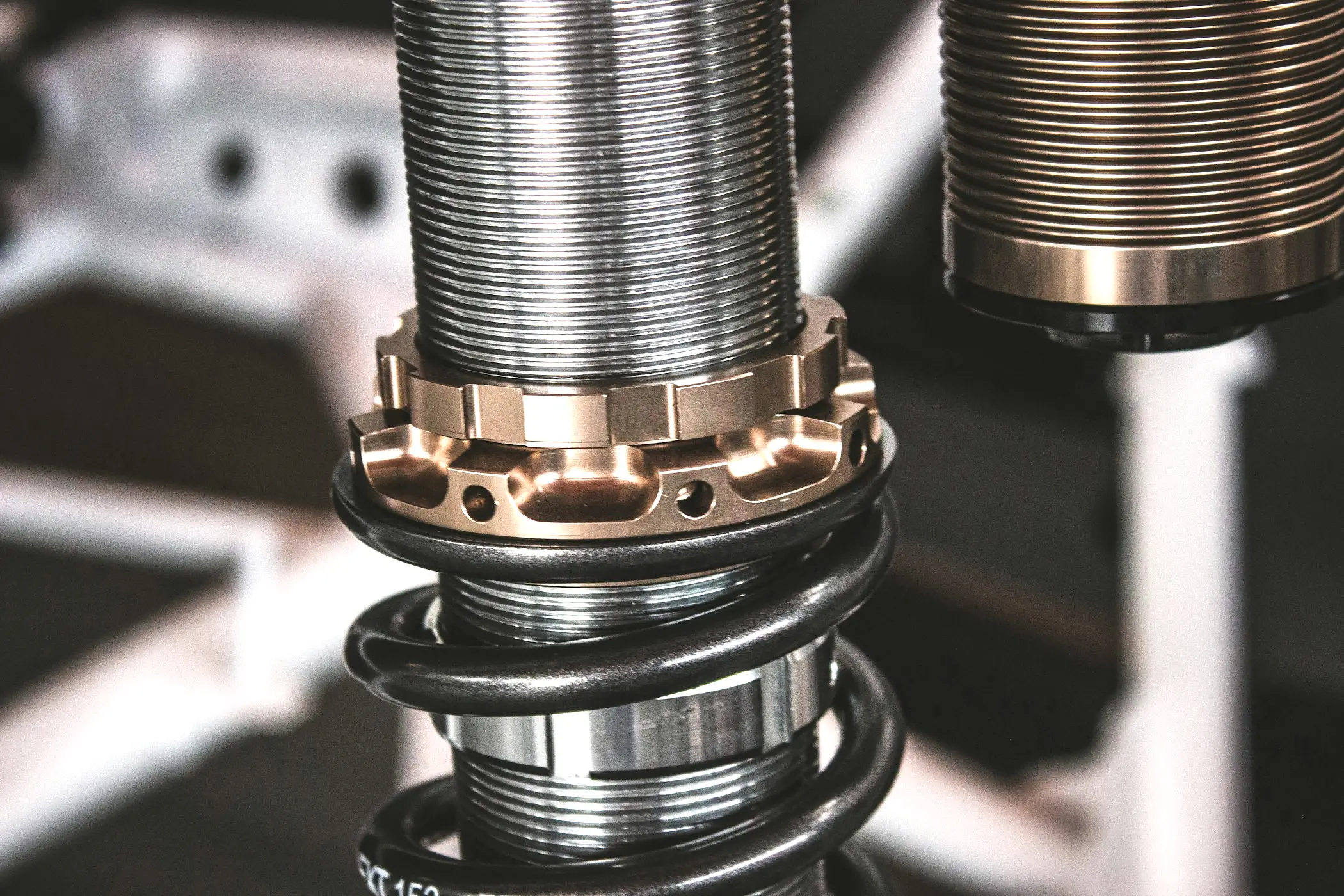
Shocks & Struts
Shocks and struts stop your springs from bouncing, and because they fade gradually rather than failing outright, most people do not realize how far gone theirs are until they drive a car with fresh ones.
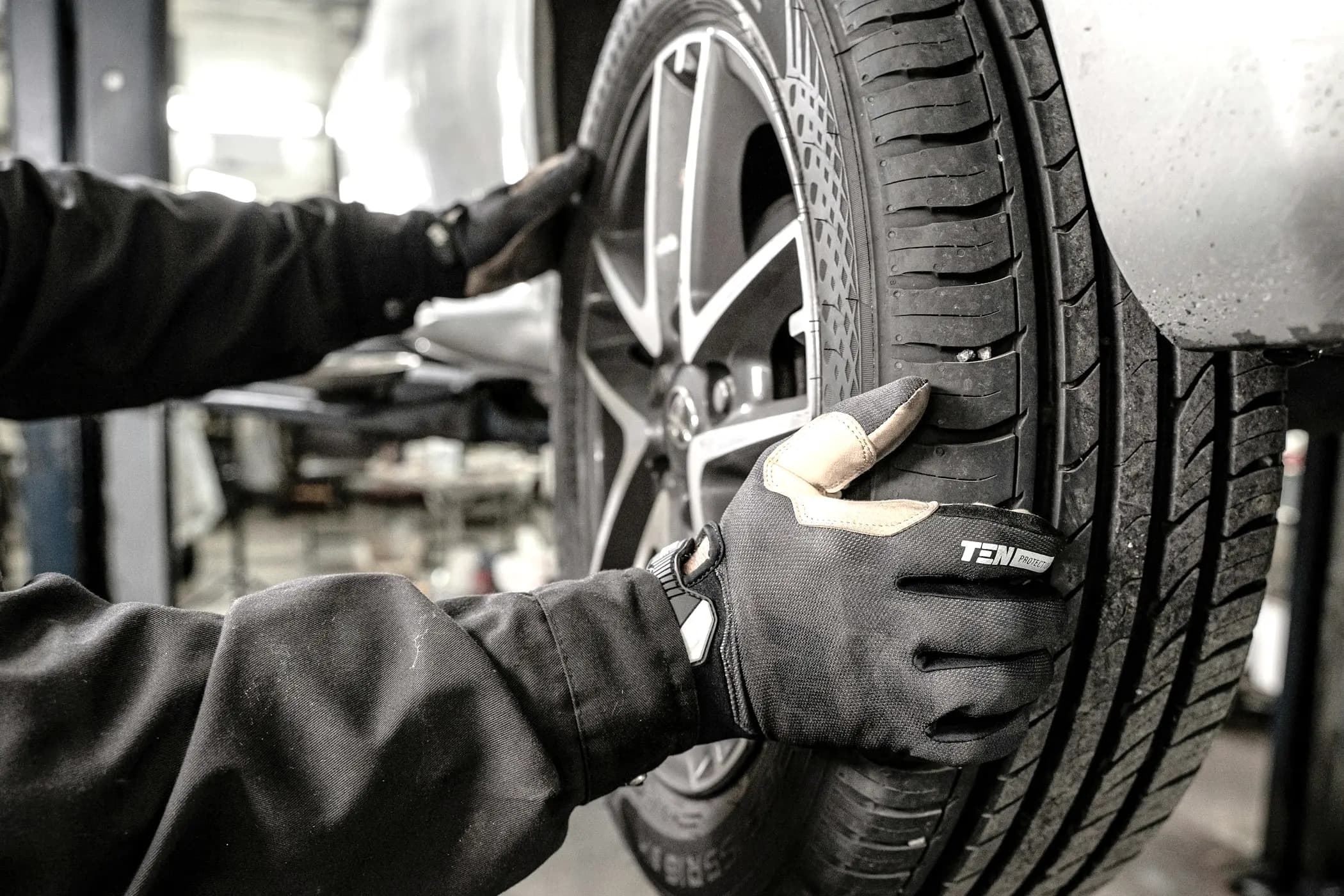
Tire Installation
New tires need to be mounted to the wheel, balanced, and fitted with the pressures and TPMS reset set correctly, or they will wear unevenly from the first mile.
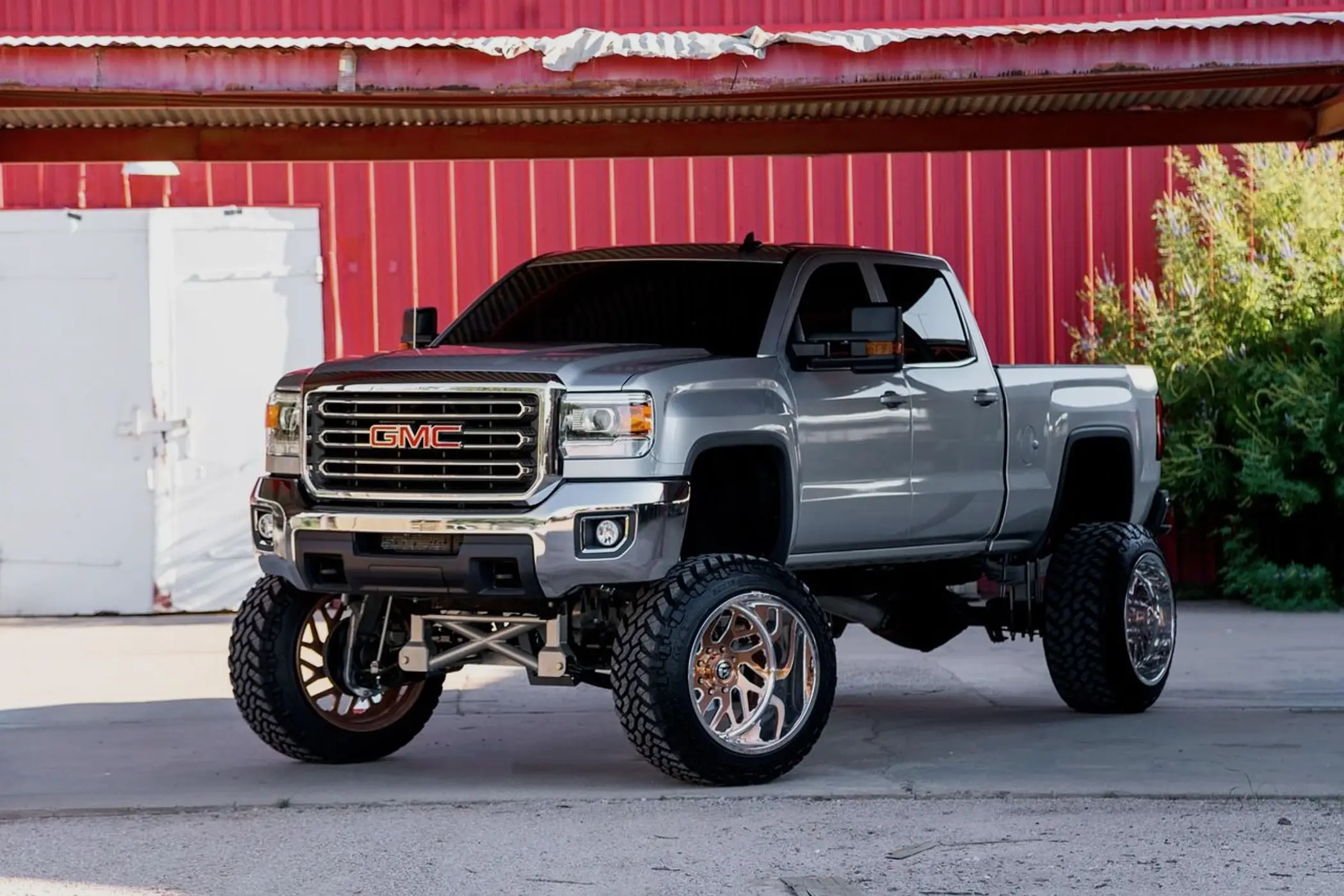
Lift Kits
A lift kit raises your truck or SUV to fit larger tires and gain ground clearance, and it changes the suspension geometry in the process, so it has to be aligned afterwards.