Check Engine Light Diagnosis in Redwood City, Steady or Flashing
A check engine light means the engine management system has stored a fault code, and the code narrows down where to look rather than telling you what to replace. Five Points Tire reads the OBD-II codes with diagnostic equipment and works out the actual cause before any part is changed.
Check engine light diagnosis at Five Points Tire, in short
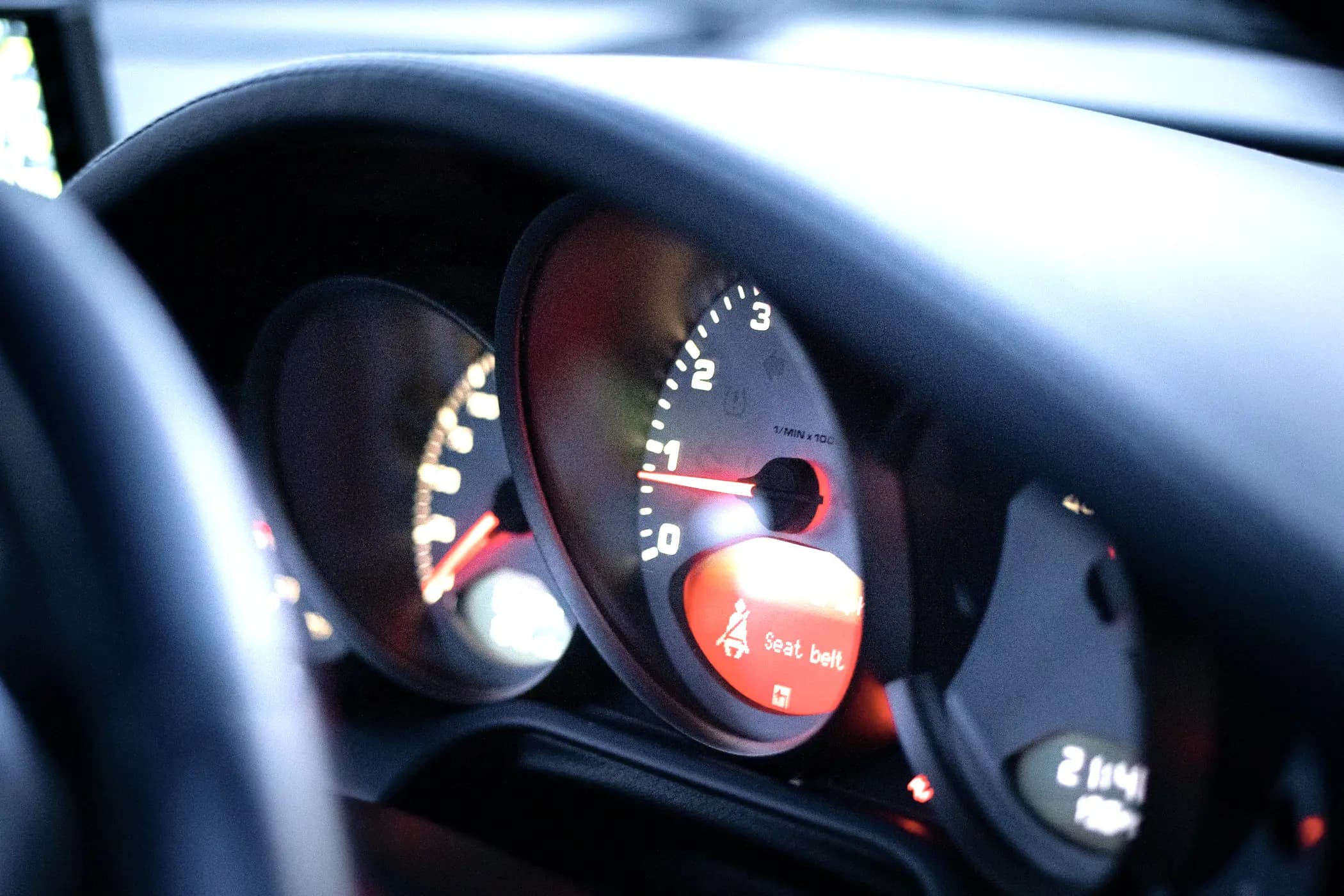
Five Points Tire reads OBD-II fault codes in Redwood City with specialized diagnostic equipment and works out the actual cause before any part is changed. A code names the circuit that reported the problem, not the part that caused it. A steady light means check it soon; a flashing light usually means an active misfire and needs attention now.
The check engine light is the most misunderstood warning on your dashboard, and the reason is simple.
It covers everything from a fuel cap you didn't tighten to a misfire that's melting your catalytic converter, and it uses the same amber symbol for both.
But it does tell you how worried to be. You just have to watch how it behaves.
Steady or flashing: reading the light's urgency
A steady check engine light means book it in soon. A flashing one means something is actively going wrong right now, almost always a misfire severe enough to damage the catalytic converter.
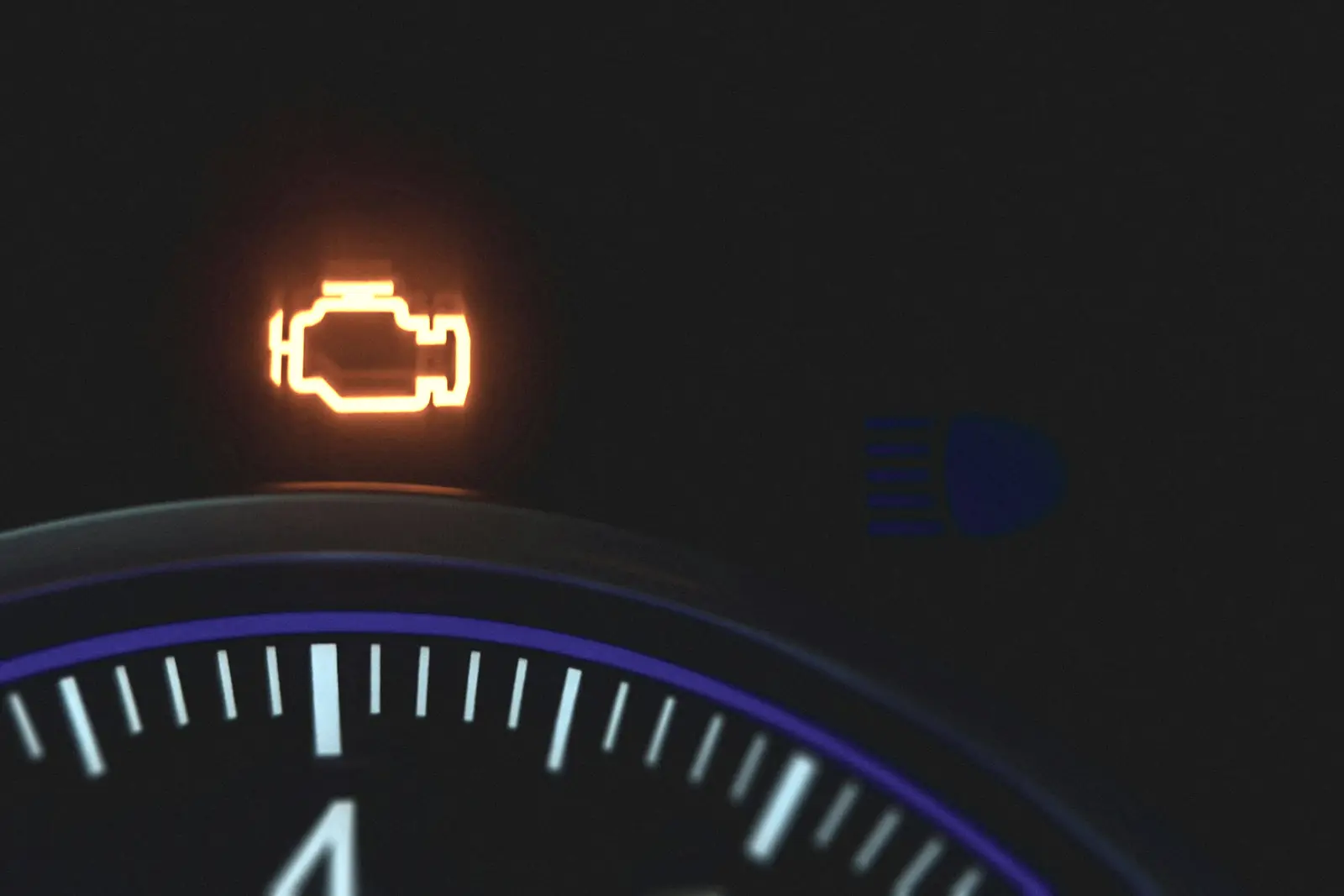
Steady, with the car driving normally, means a fault is stored and you have time.
Flashing means unburnt fuel is being dumped into the exhaust and cooking a part that costs a great deal more than whatever caused it. Reduce speed, stop asking for power, and get it looked at rather than finishing the week.
Check the fuel cap first, it costs nothing. The evaporative emissions system tests for leaks, and a loose or worn cap seal registers as one. Tighten it properly, and if the light clears over the next few drive cycles, that was the whole fault.
Signs you need a diagnosis
- The check engine light is on and steady
- The light is flashing, which needs attention immediately
- The light is on with no obvious change in how the car drives
- The light came on and then went off again by itself
- Rough running, hesitation, or a loss of power alongside the light
- A smog check is due and the light is on
What the light is doing, and how fast to act
| Light behavior | What it means | How urgent |
|---|---|---|
| Steady, car drives normally | A fault is stored, worth reading | Soon |
| Flashing | Active misfire damaging the converter | Stop driving |
| Steady, with rough running or power loss | A fault affecting how the engine runs | Urgent |
| Came on then cleared itself | Intermittent fault, still stored in memory | Book it in |
| On, with a smog check due | Automatic test failure | Urgent |
| On right after refuelling | Often a loose or perished fuel cap | Monitor |
The behavior of the light changes how quickly you need to act.
What our team does for check engine light diagnosis
- 01Read the stored OBD-II diagnostic trouble codes with specialized diagnostic equipment
- 02Use the code to pinpoint the actual cause rather than replacing the part the code names
- 03Identify the fault and provide a solution before it causes further damage
Why the code isn't the answer
Anyone can plug in a reader and get a code. That's the easy part, and it's why the free code-read offer exists.
The code tells you which circuit reported something outside expected range. It does not tell you which part caused it.
Take a code naming an oxygen sensor. The sensor might be faulty. Or it might be reporting perfectly accurately on an exhaust leak, a vacuum leak, or a wiring fault upstream of it.
Replace the named part without diagnosing and you have a decent chance of buying the same sensor twice.
The diagnosis is the work of proving which of the possible causes applies to your car.
One code, several possible causes. A lean fault could be:
- A vacuum leak. Unmetered air getting in after the mass airflow sensor.
- An exhaust leak. Fresh air reaching the sensor and reading as excess oxygen.
- A failing fuel pump. Not enough fuel to match the air.
- A dirty mass airflow sensor. Under-reporting how much air is coming in.
- An actual bad oxygen sensor. Which is what the code names, and often isn't the cause.
Check the gas cap first
A loose gas cap is genuinely one of the most common causes of a check engine light, and checking it costs nothing.
Your evaporative emissions system pressure-tests the fuel tank for leaks. A loose cap, or a cap whose rubber seal has hardened, registers as exactly that.
Tighten it until it clicks a few times. If that was the fault, the light usually clears itself over the next several drive cycles.
If it comes back, at least you've ruled it out for free.
A light that clears itself is still worth reading
Modern systems turn the light off after several clean drive cycles without the fault recurring.
The stored code generally stays in memory though, along with freeze frame data recording what the engine was doing at the moment it triggered.
That's valuable. An intermittent fault that has happened once will happen again, and the freeze frame is often what makes it diagnosable without waiting for it to reappear on a test drive.
So don't take a light going out as the problem going away.
A code names a circuit, not a part. A code naming an oxygen sensor means the system saw a reading outside expected range on that circuit. The sensor might be faulty, or reporting accurately on an exhaust leak, a vacuum leak or a wiring problem. Replacing the named part without diagnosis is how people buy the same sensor twice.
Want it checked? Describe what the car is doing and Five Points Tire will tell you whether it needs a diagnosis or something else. Call 650-365-0280, or send the form and someone calls you back. Request an appointment
The check engine light and your smog check
An illuminated check engine light is an automatic Smog Check failure, regardless of what the tailpipe is actually emitting.
The test reads your onboard diagnostics before anything else, so if a renewal is coming up, the light is the first thing to deal with.
And clearing the codes to hide it makes things worse, not better.
Erasing codes also resets the readiness monitors, which are the self-tests your car runs as you drive. A vehicle arriving with monitors not ready can't complete the test at all, so you fail on a technicality and then have to drive it for a while before you can try again.
What ignoring the light actually costs
Not every code is urgent. But the costs of ignoring one aren't vague, they're specific.
| Fault | If ignored | Roughly |
|---|---|---|
| Loose gas cap | Nothing, beyond a smog failure | Free to fix |
| Worn oxygen sensor | Worse economy, then converter damage | Sensor now, converter later |
| Misfire | Unburnt fuel cooks the converter | Coil now, converter later |
| EVAP leak | Smog failure | Usually small |
| Failing converter | Power loss, smog failure | One of the more expensive parts on the car |
The pattern is consistent: the cheap part fails first and takes the expensive one with it.
Common check engine light mistakes to avoid
- Treating a flashing light like a steady one. Flashing means active misfire. Every mile is adding to the converter damage.
- Replacing the part the code names. The code names the circuit that reported the problem, not the part that caused it.
- Clearing codes before a smog test. It resets the readiness monitors and you fail a different way.
- Assuming a light that went out means a fault that went away. The code is usually still stored, and intermittent faults come back.
- Ignoring it because the car drives fine. Emissions faults often don't change how the car feels until something expensive has already failed.
- Skipping the gas cap check. It's free, it takes ten seconds, and it's one of the most common causes.
The bottom line
Watch the light. Steady and driving normally means book it in. Flashing means deal with it now.
Tighten your gas cap before anything else, because it's free and it's a common cause.
Then get the code read AND diagnosed, which are two different things. The reading is quick. The diagnosis is what stops you buying parts you didn't need.
The code is the start, not the answer. A rich or lean condition often ends at the fuel injectors, a misfire can be spark plugs, and the light is what stops a car passing a Smog Check.
Five Points Tire uses specialized diagnostic equipment at 2115 El Camino Real to read the codes and work out what actually caused them, which is the part a code reader on its own cannot do.
Check engine light diagnosis questions we get asked
Question not on the list? Ask us directly.
What does the check engine light mean?
- That the engine management system has detected something outside its expected parameters and stored a fault code. It covers everything from a loose fuel cap to a misfire, which is why the code has to be read rather than guessed at.
Can I drive with the check engine light on?
- If it is steady and the car drives normally, generally yes, but get it read soon. If it is flashing, treat that as urgent, reduce speed and stop driving it further than you need to, because a flashing light usually means a misfire that is damaging the catalytic converter.
Why did my check engine light turn off by itself?
- Because the fault stopped occurring and the system cleared the light after several clean drive cycles. The stored code usually remains in memory, so it is still worth reading. An intermittent fault tends to return.
Can a loose gas cap cause the check engine light?
- Yes, and it is one of the most common causes. The evaporative emissions system tests for leaks, and a loose or worn cap seal registers as one. Tighten it properly and the light often clears within a few drives.
Does reading the code tell you what to replace?
- Not on its own. The code tells you which circuit or system reported the problem, not which component caused it. Working out which is the diagnosis, and it is what stops you paying for parts that were never faulty. Five Points Tire uses the code as a starting point and tests from there, which is the part a parts-counter scan does not include.
Related services
Diagnostics
Modern vehicles record faults across dozens of electronic modules, and a proper diagnosis reads that data and then tests to confirm the cause rather than guessing from the code.
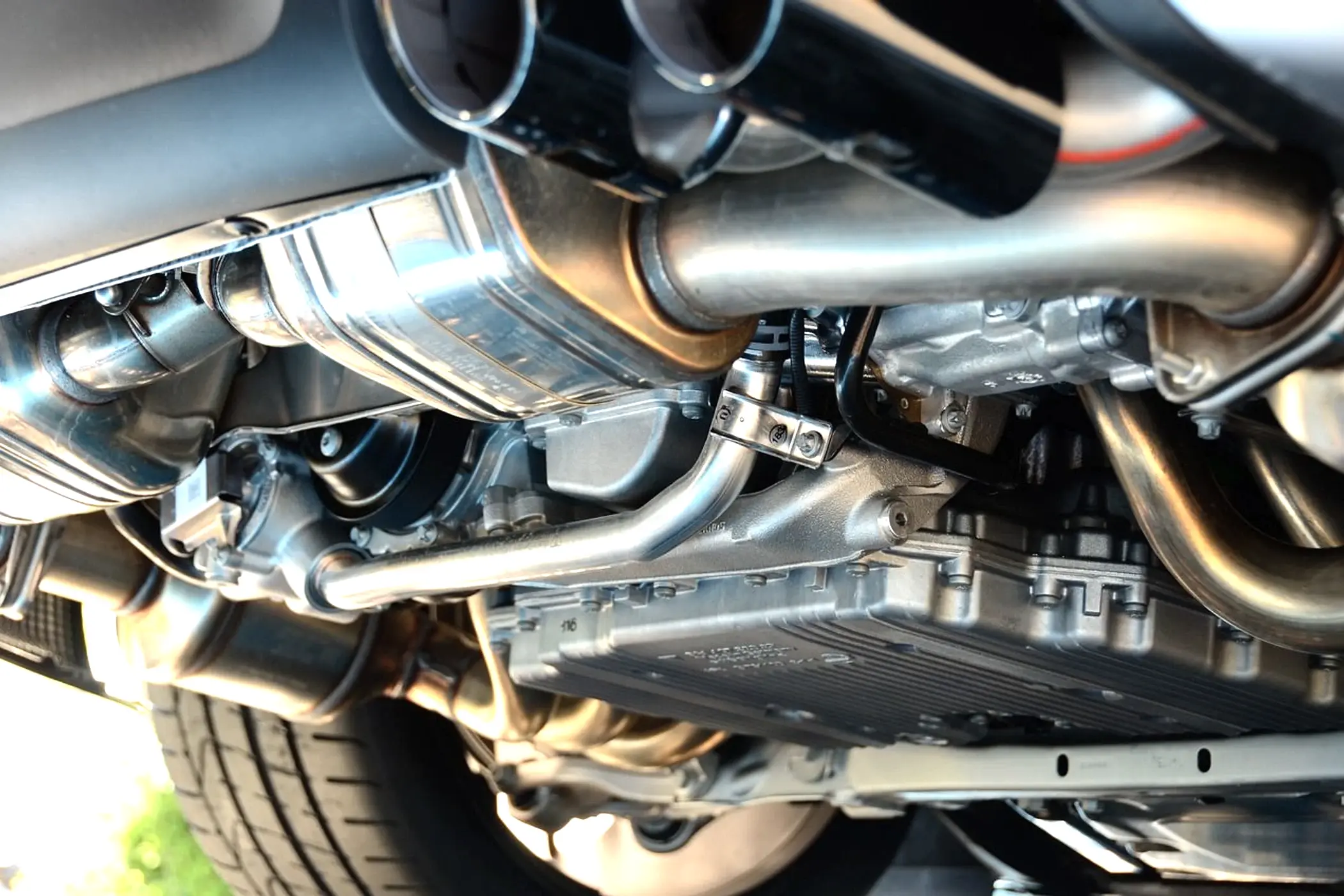
Smog Check Repair
If your vehicle has failed its California Smog Check, or the check engine light is on with a smog test due, the underlying fault has to be found and repaired before it can pass.
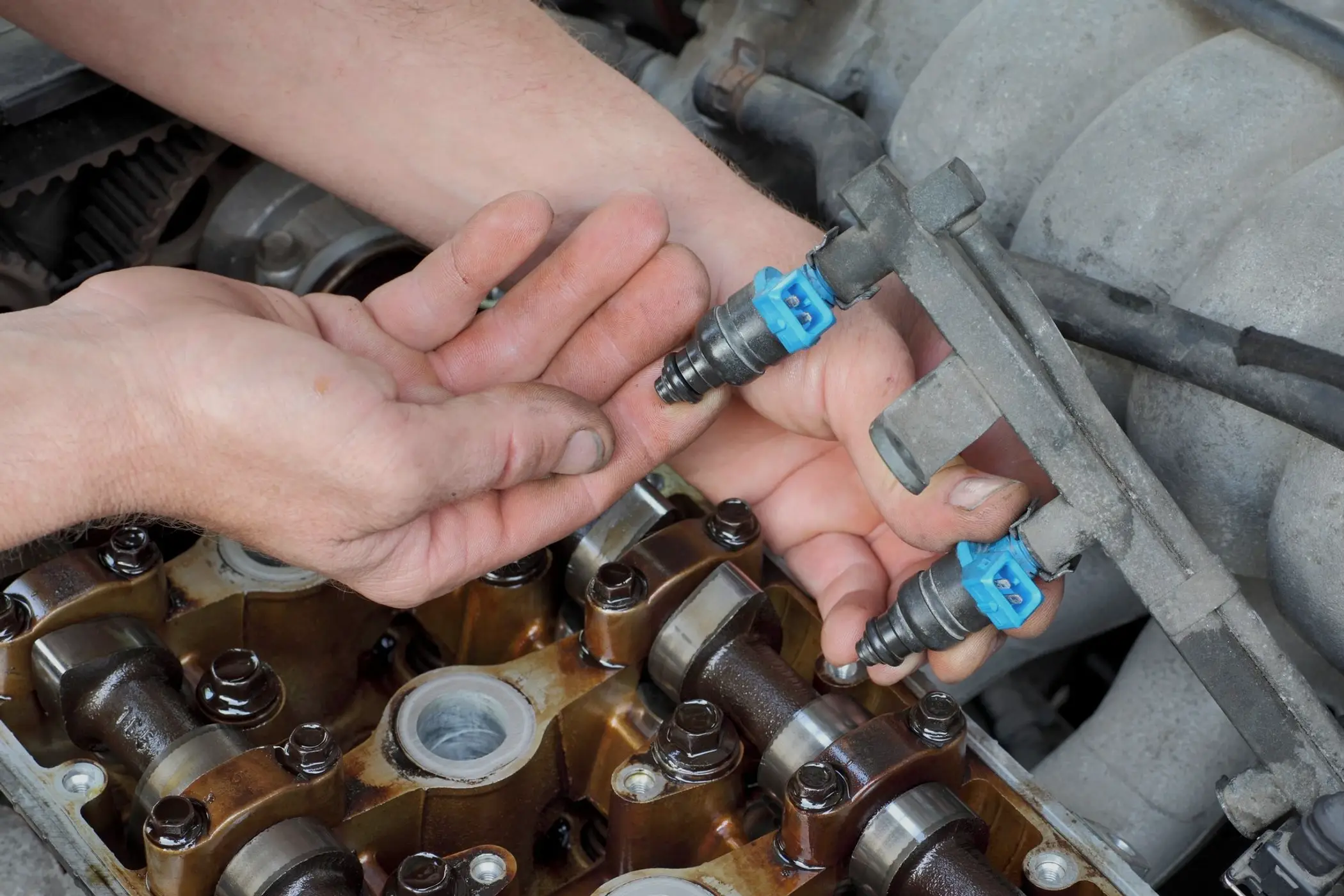
Fuel Injectors
Fuel injectors spray a precisely metered, finely atomised mist of fuel into the engine, and when their nozzles foul the spray pattern degrades and the engine misfires, runs rough and drinks more fuel.
Vehicle Tune-Ups
A tune-up replaces the ignition and filter parts that wear out: spark plugs, ignition coils, air and fuel filters, and the PCV valve.
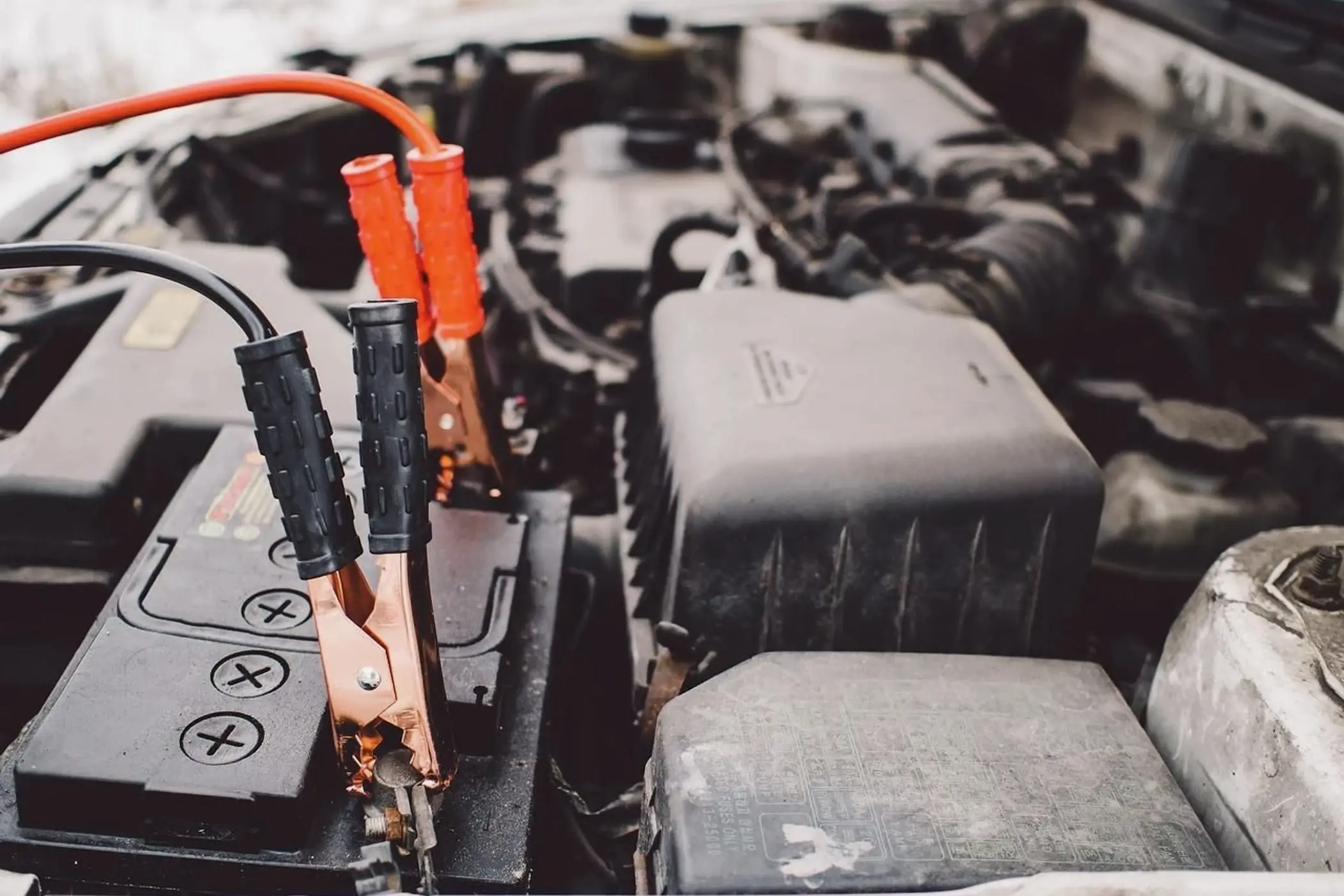
Battery Service
If your car cranks slowly, needs a jump, or the electrics behave oddly, the battery is the first thing to test, and it may not be the battery at all.
PCV Valve
The PCV valve vents pressure out of your engine's crankcase and routes it back to be burnt, and when it sticks the pressure has to escape somewhere, which usually means pushed-out seals and oil leaks.