Differential Service in Redwood City: Whine, Clunk and Chatter
The differential lets your driven wheels turn at different speeds through a corner, and it runs on a heavy gear oil that degrades and needs replacing on a schedule. Five Points Tire carries a wide range of differential fluids and can match the correct one to your vehicle, including for limited-slip differentials.
Differential service at Five Points Tire, in short
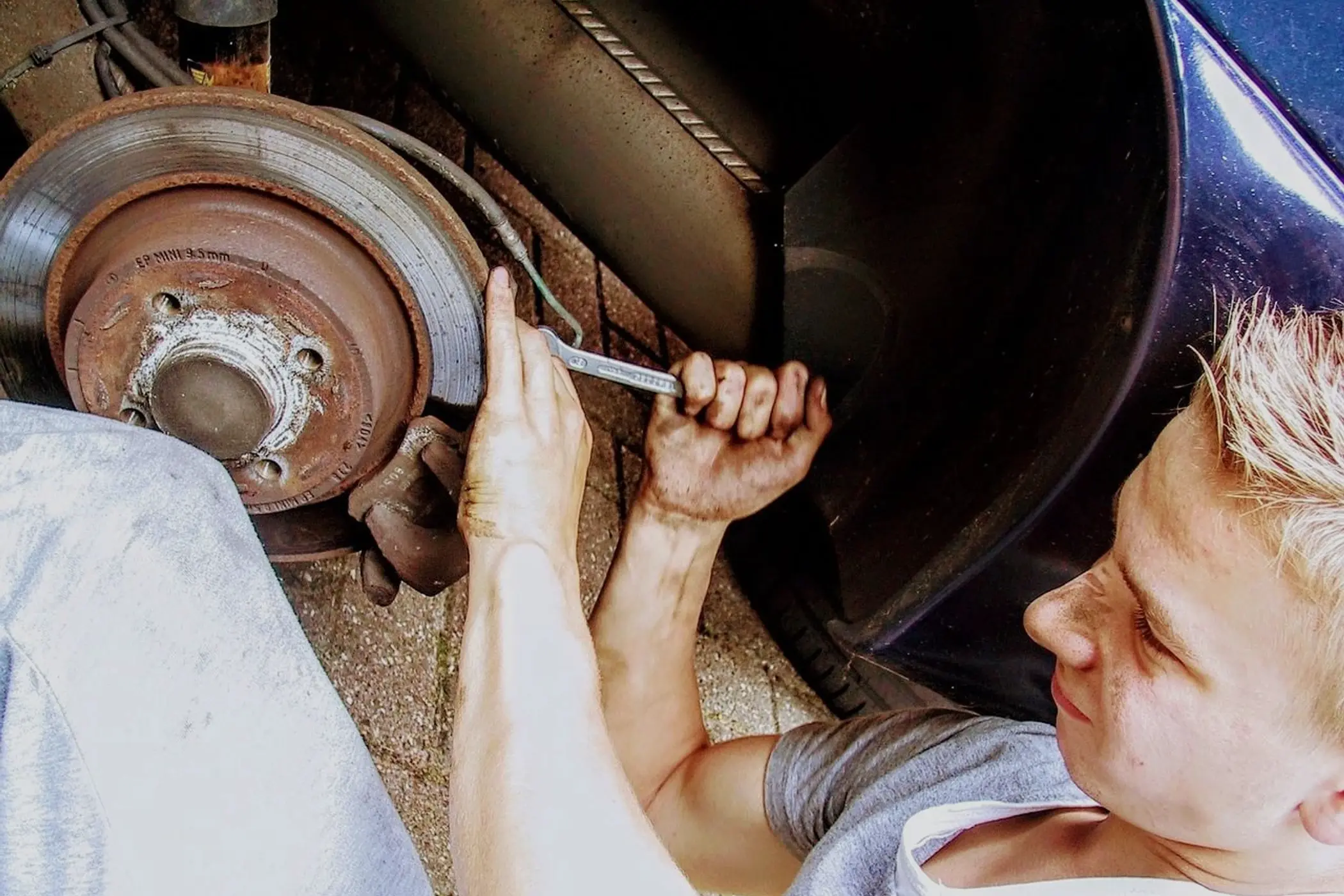
Five Points Tire services differentials in Redwood City and carries a wide range of differential fluids, so we can match the right one to your vehicle including for limited-slip units. A whine that tracks road speed rather than engine speed, a clunk on take-up or chatter through tight turns all point here.
The differential is one of the least understood parts of a car and one of the easiest to neglect, because almost nobody thinks to service it.
It's also one that tells you clearly when it's unhappy. It just does it in a language most people haven't learned.
What a differential does, and why you need one
When a car turns, the outside wheel travels further than the inside one. Both are on the same axle.
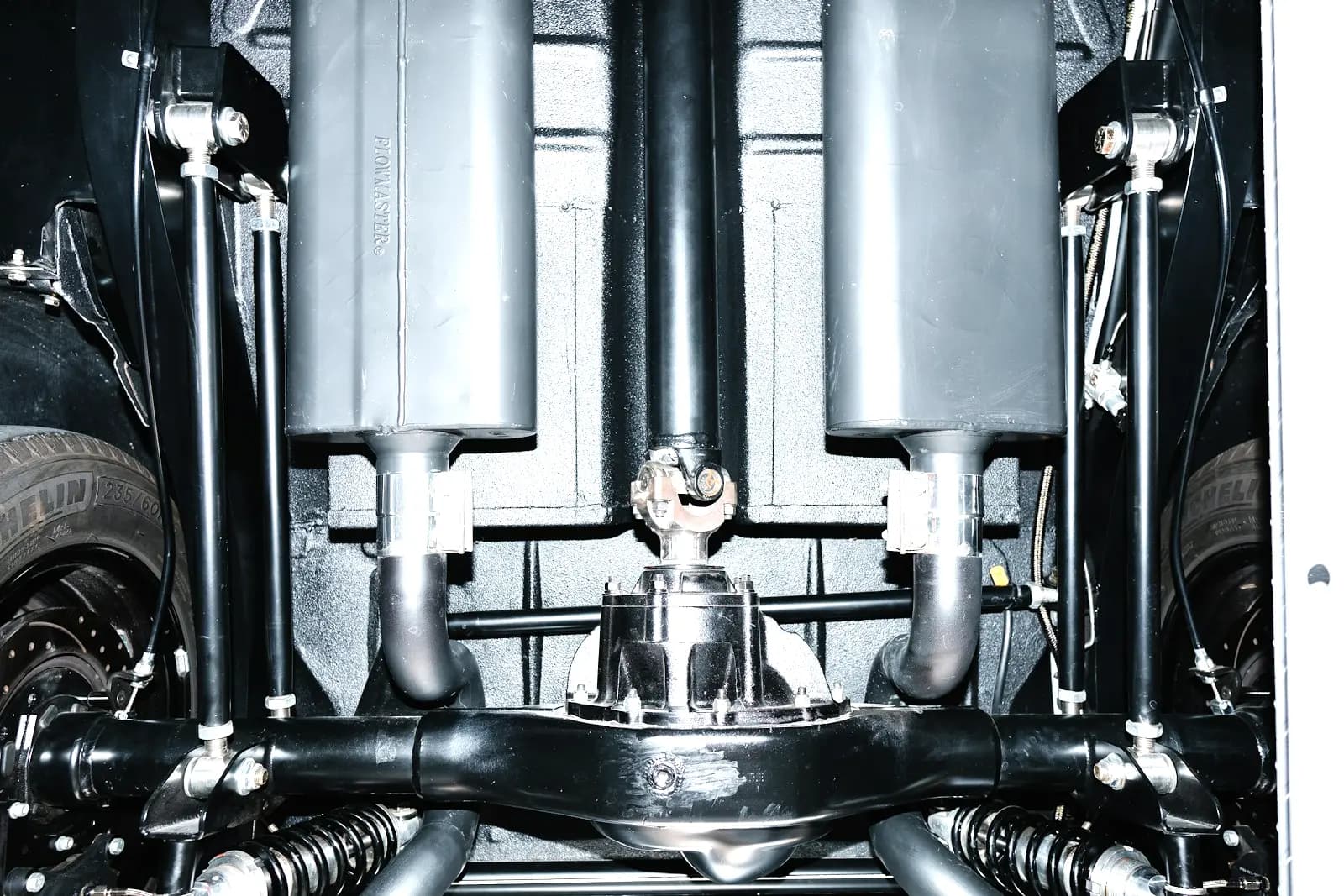
The differential is the gearset that lets them turn at different speeds while still driving both. Without it the tires would scrub and the drivetrain would wind up against itself in every corner.
It's a simple idea doing a lot of work under high load, which is why the oil inside it matters more than people expect.
Limited-slip units need a friction modifier. They contain clutch packs that require it, either built into the fluid or added separately. Filling one with standard gear oil is the usual cause of the chatter people notice on a full-lock parking maneuver.
Signs you need differential work
- A whine or howl from underneath that changes with road speed, not engine speed
- A clunk when you pull away, or when changing between drive and reverse
- A rumble or vibration that increases with speed
- Chattering or shuddering through tight, slow turns
- Oil leaking around the differential housing or the axle seals
- A burnt smell after towing or a long climb
Differential noises and what they point at
| What you notice | What it usually means | How urgent |
|---|---|---|
| Whine or howl that changes with road speed | Differential gears or wheel bearings | Soon |
| Clunk when pulling away or shifting drive to reverse | Backlash from wear inside the unit | Soon |
| Chatter or shudder through slow tight turns | Wrong fluid in a limited-slip differential | Book it in |
| Rumble that increases with speed | Worn bearings | Soon |
| Oil around the housing or axle seals | Pinion or axle seal weeping | Book it in |
| Burnt smell after towing | Fluid overheated | Soon |
Whether the noise tracks road speed or engine speed is the first thing to establish.
What our team does for differential service
- 01Check the differential when you bring the vehicle in
- 02Match the correct differential fluid to your vehicle from a wide range carried in stock
- 03Carry out limited-slip differential service with the correct fluid for that type
Why differential fluid lives a hard life
Differential oil is thick, and it needs to be.
The loads inside a differential are very high and very concentrated at the point where the gear teeth meet. The fluid takes shear and heat that engine oil never sees.
It degrades, and once it does the gears start wearing rather than sliding cleanly. That wear is what eventually produces the whine.
It's also one of the most commonly forgotten services, because there's no light for it and no obvious dipstick.
Reading a differential noise
Diagnosis starts with one question: does the noise track ROAD speed or ENGINE speed?
Put the car in neutral at speed and let it coast. If the noise stays the same, it's tracking road speed, which points at the differential or the wheel bearings. If it changes with the revs, look elsewhere.
That single test rules out a great deal.
| Noise | When | Usually |
|---|---|---|
| Whine or howl | Rises with road speed | Differential gears or wheel bearings |
| Whine on acceleration only | Under power | Gear mesh wear |
| Whine on deceleration only | Coasting | Bearing preload or gear wear |
| Clunk | Pulling away, or drive to reverse | Backlash from internal wear |
| Chatter or shudder | Tight, slow turns | Wrong fluid in a limited-slip unit |
| Rumble | Increasing with speed | Worn bearings |
The coast test separates road-speed noises from engine-speed ones, which halves the possibilities.
Limited-slip units need specific fluid
A limited-slip differential needs fluid with a friction modifier, either built into the specified oil or added separately.
The clutch packs inside are the reason. Fill one with standard gear oil and the clutches grab rather than slip smoothly.
The symptom is a distinctive chatter or shudder on a full-lock parking maneuver, and it's almost always this.
It's a cheap mistake to make and a cheap one to correct, provided it's caught before the clutches wear.
Want it checked? Describe what the car is doing and Five Points Tire will tell you whether it needs differential work or something else. Call 650-365-0280, or send the form and someone calls you back. Request an appointment
Towing shortens the differential interval
Towing and heavy loads put sustained high load through the differential and raise the fluid temperature considerably.
Most manufacturers publish a shorter interval for it, and it's one of the specifications people most often don't look up.
If you tow, check the severe-service figure rather than assuming the normal one applies.
Leaks are worth chasing early
The pinion seal at the front and the axle seals at each end harden and weep over time.
A differential that runs low on fluid fails quickly and expensively, and the seal that caused it is a small part.
Look for oily film around the housing or on the inside face of a rear wheel. That's the early warning, and it's a much better time to act than after the whine starts.
Common differential mistakes to avoid
- Never servicing it at all. There's no warning light and no obvious dipstick, so it gets forgotten until it whines.
- Using standard gear oil in a limited-slip unit. No friction modifier means chatter on tight turns, and eventually worn clutches.
- Ignoring a whine because the car still drives. It will. Right up until it doesn't, and by then it's a rebuild.
- Following the normal interval while towing. Towing has its own schedule for a reason.
- Dismissing an oily film around the housing. A seal is cheap. A differential run low on oil is not.
The bottom line
Do the coast test. If the noise tracks road speed rather than engine speed, this is the right page.
If it chatters on tight slow turns, that's almost certainly the wrong fluid in a limited-slip unit, and it's a straightforward fix.
We carry a range of differential fluids and match the right one to your vehicle, limited-slip included.
Differential noise and driveline noise sound alike from the driver's seat. The drivetrain is the wider system, four-wheel drive adds a second differential and a transfer case, and the fluid belongs in a fluid inspection.
Call Five Points Tire on 650-365-0280 with the year, make and model. Whether yours takes a limited-slip additive changes the fluid, and the wrong fluid causes the noise it was meant to prevent.
Differential service questions we get asked
Question not on the list? Ask us directly.
What does a differential do?
- It allows the driven wheels to rotate at different speeds while both still receive power, which is what a car needs in every corner, since the outside wheel travels further than the inside one.
How often should differential fluid be changed?
- It varies widely by vehicle, and towing or heavy loads shorten it considerably. Your handbook gives the interval. It is one of the more commonly forgotten fluids, so it is worth checking if it has never been done.
What does a bad differential sound like?
- Typically a whine or howl that changes with road speed rather than engine speed, sometimes with a clunk when you pull away or shift between drive and reverse. Chatter on slow tight turns usually means the wrong fluid in a limited-slip unit.
Does a limited-slip differential need special fluid?
- Yes. It contains clutch packs that need a friction modifier, either built into the fluid or added. Using standard gear oil in one is the usual cause of chattering through slow tight turns. Five Points Tire checks what your differential specifies before filling it, because the wrong fluid causes the noise the additive prevents.
Related services
Drivetrain
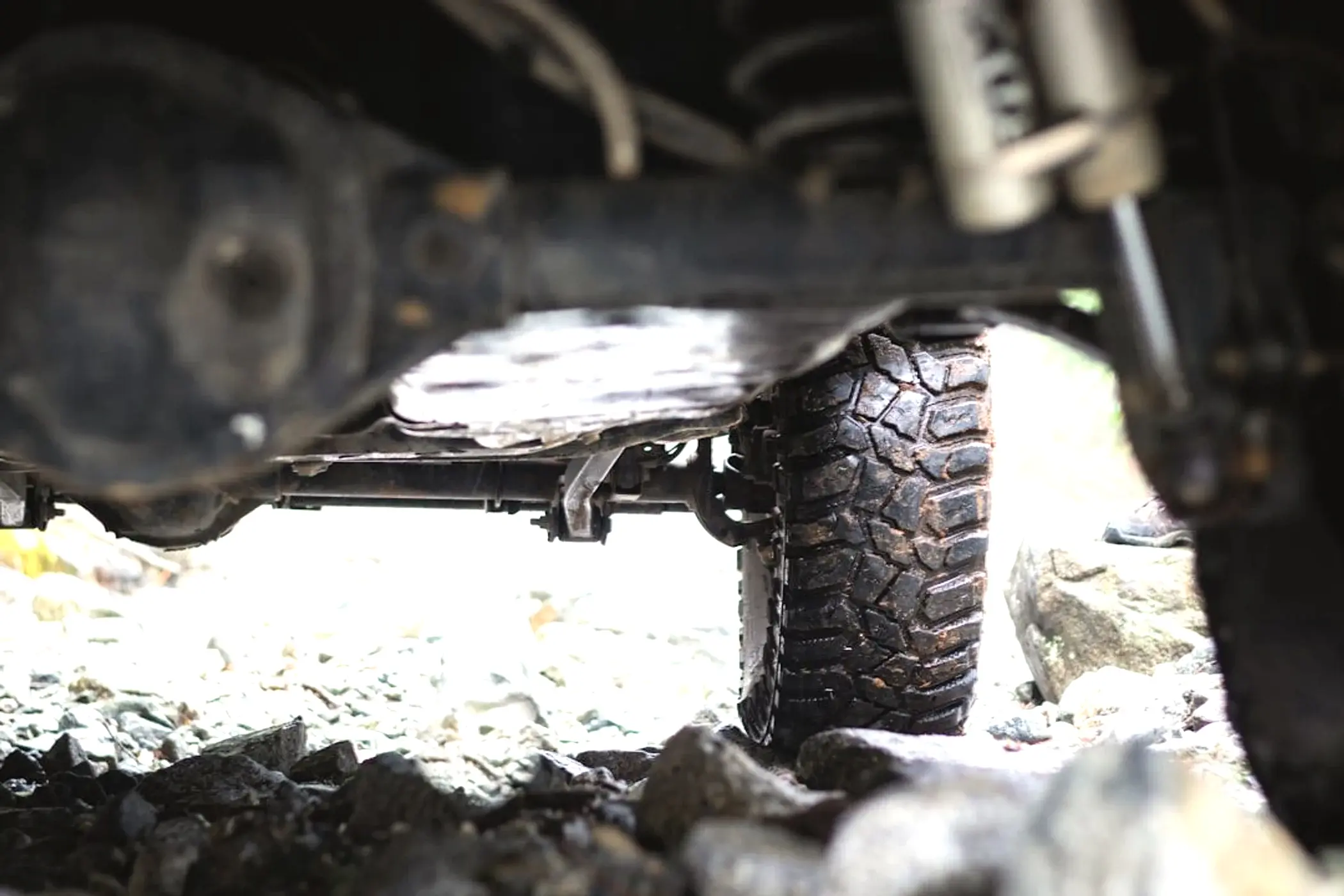
The drivetrain is everything that carries power from your engine to the wheels, and a fault anywhere in it shows up as vibration, clunking or a driveline that does not feel connected.
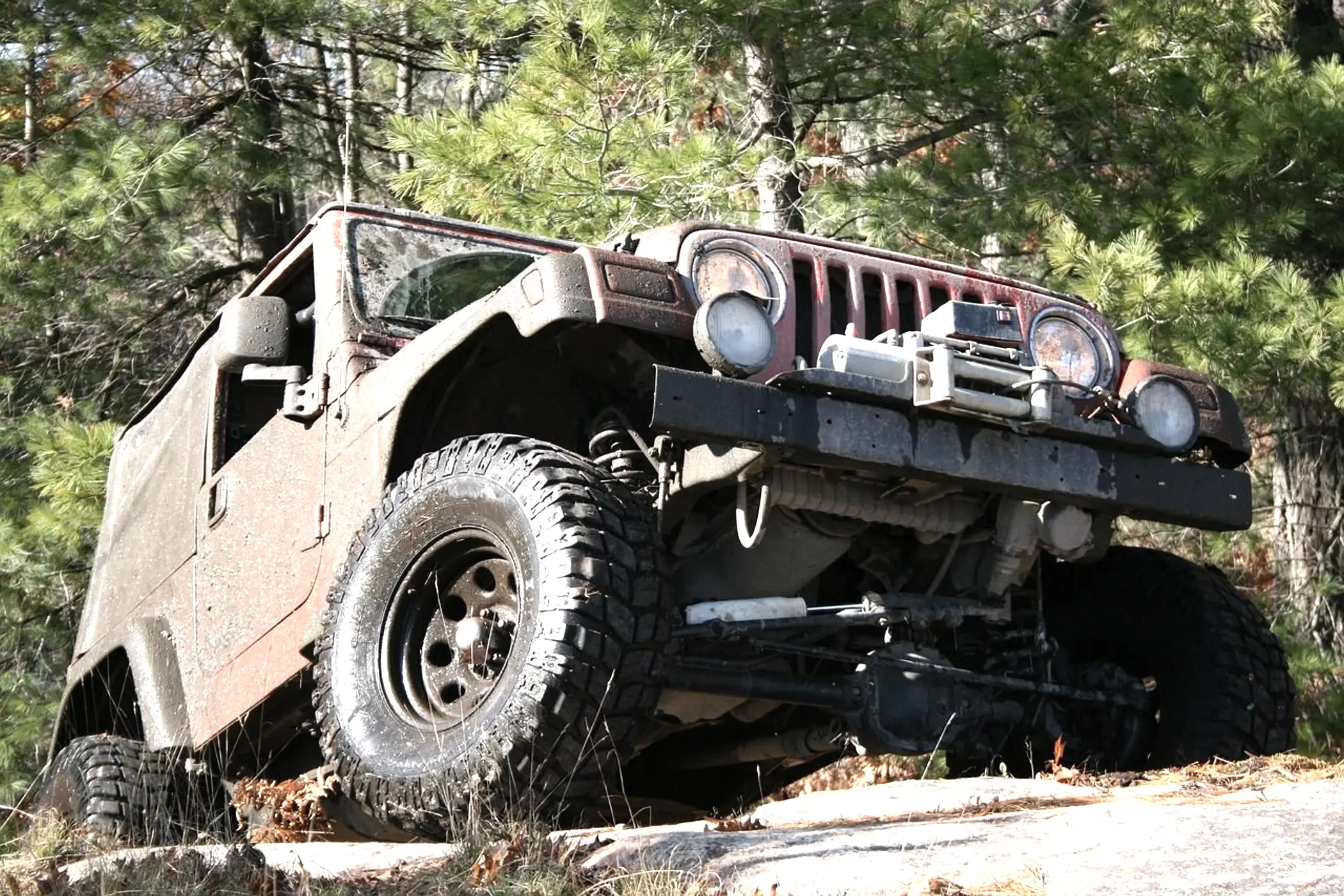
Four Wheel Drive
Four-wheel drive adds a transfer case and a second driven axle, which means more components to service and more ways for the system to fail to engage.
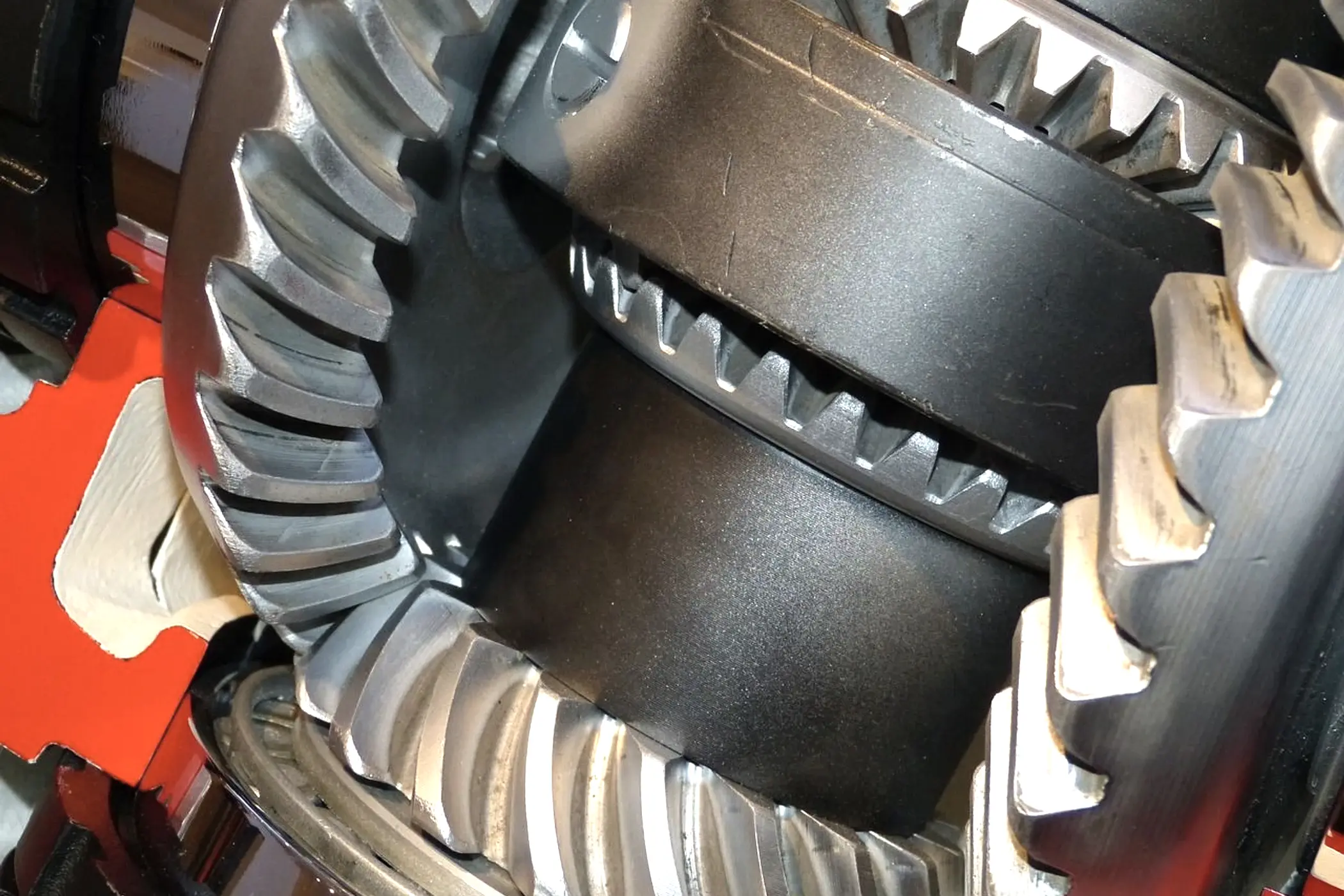
Transmission Service
Transmission problems almost always announce themselves gradually through slipping, harsh or delayed shifts and burnt fluid, and acting at that stage is the difference between a service and a rebuild.
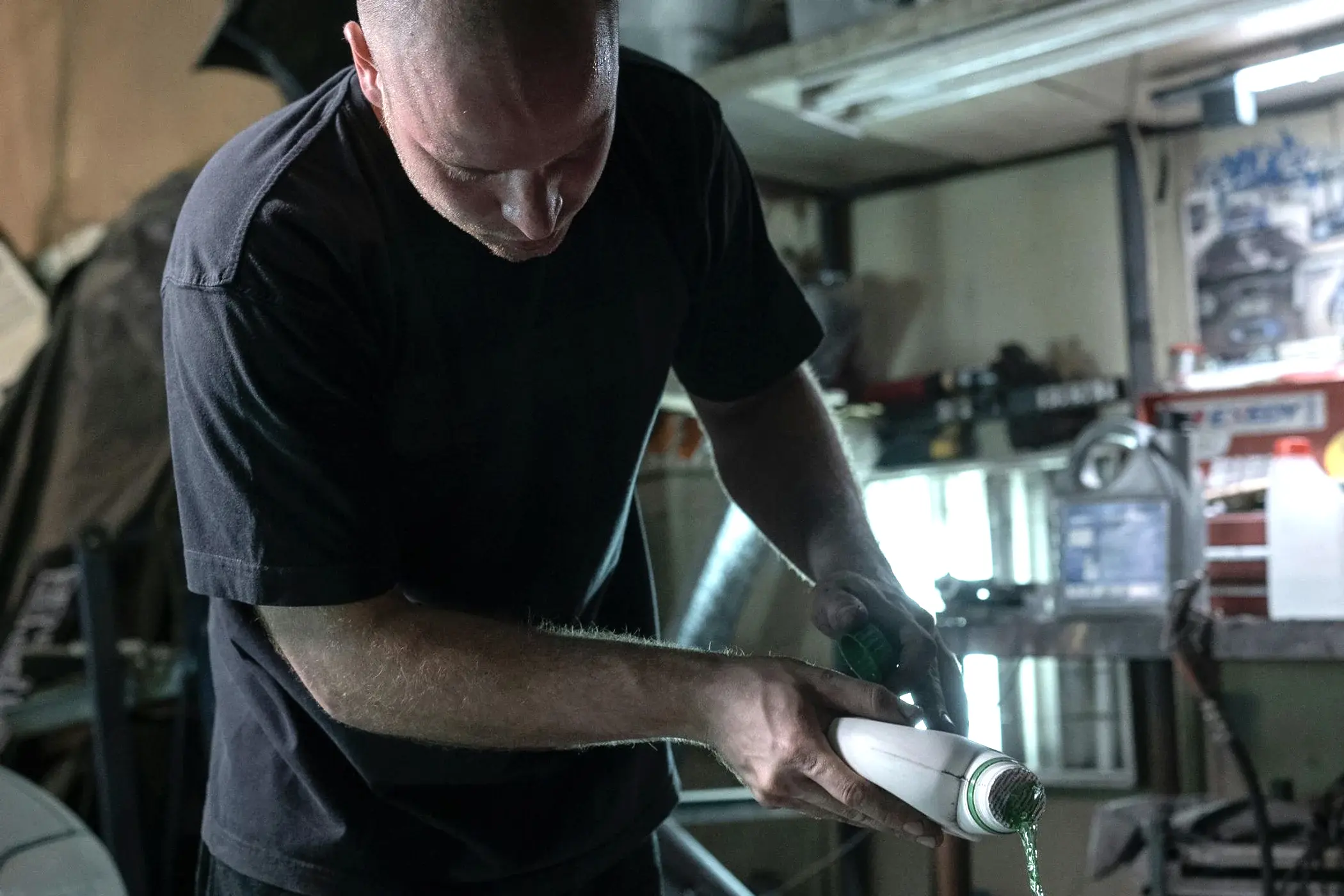
Fluid Inspections
Every major system in your car runs on a fluid, and most of them fail quietly by degrading rather than by running out.
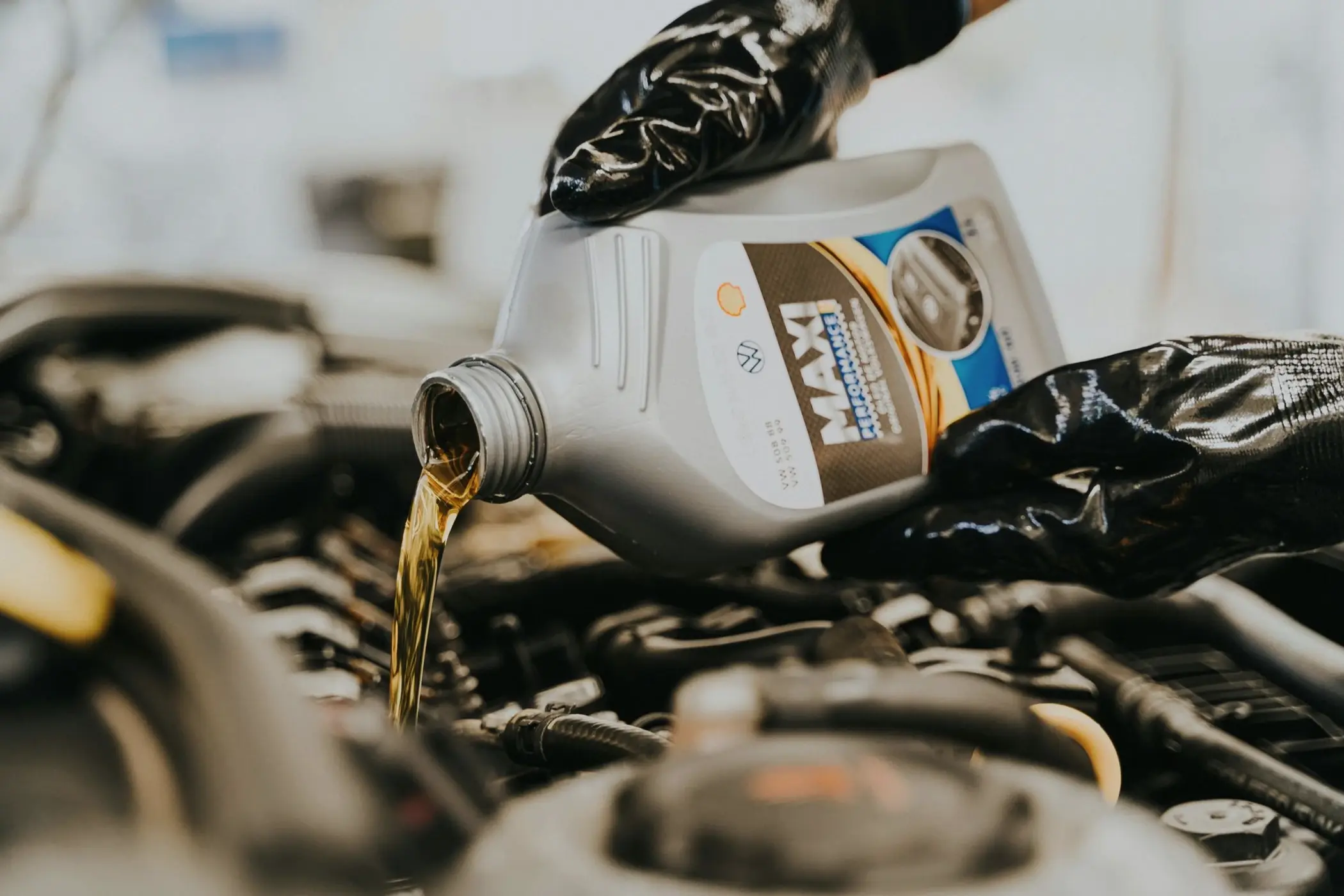
Oil Change Services
Engine oil lubricates, cools and carries contaminants away, and stops doing all three as it ages, which is why it is replaced on an interval, not when something goes wrong.
Suspension Services
Your suspension keeps the tires in contact with the road and absorbs what the road throws at the car, so when parts of it wear you lose ride quality, steering precision and grip together.