4WD Repair in Redwood City When It Won't Engage
Four-wheel drive adds a transfer case and a second driven axle, which means more components to service and more ways for the system to fail to engage. Five Points Tire diagnoses and services vehicles whatever their drivetrain configuration, with a thorough 4WD system inspection to find the root cause.
4WD repair at Five Points Tire, in short
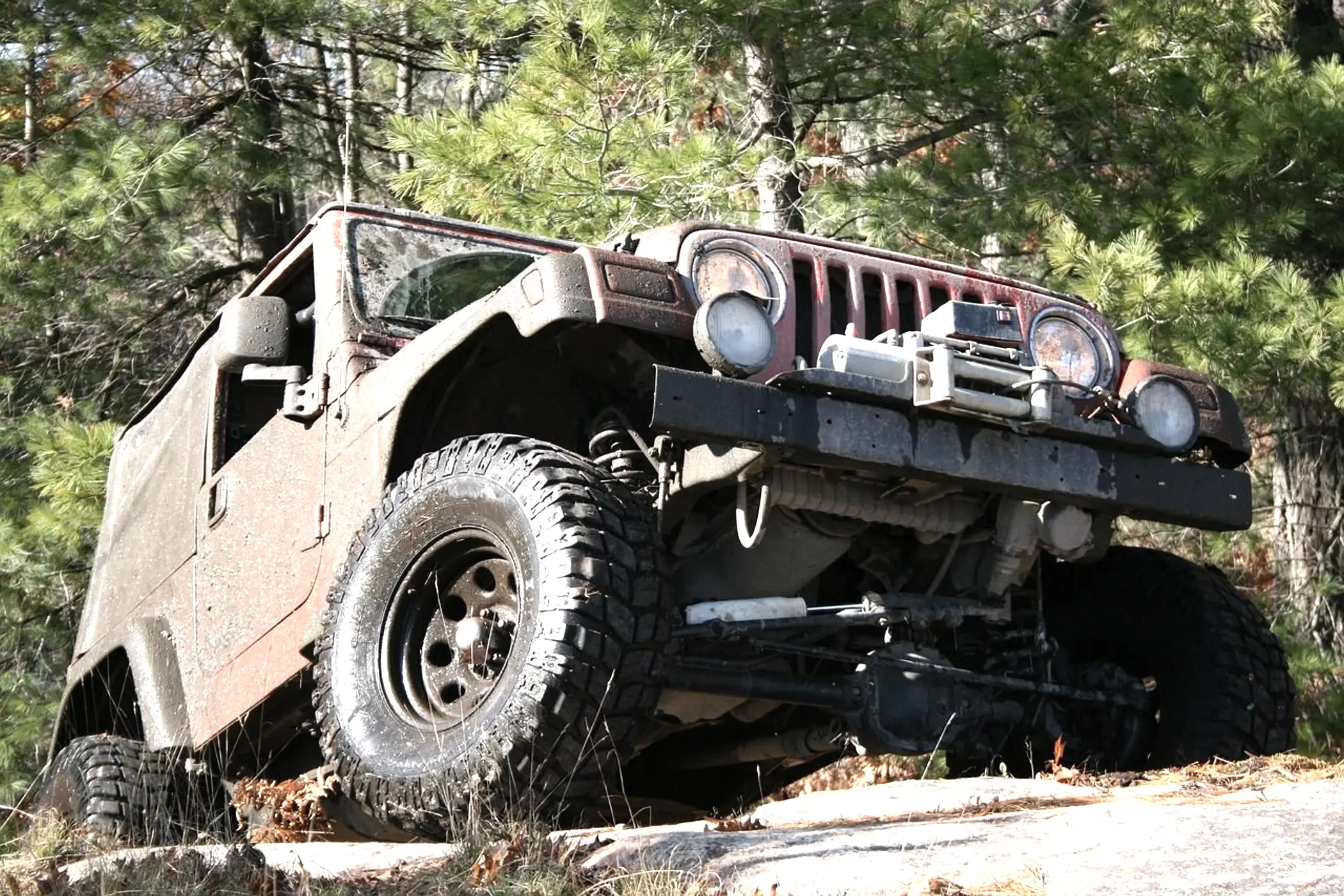
Five Points Tire carries out 4WD system inspections in Redwood City to find the root cause, and services vehicles whatever their drivetrain configuration, from vintage models through to modern. A system that will not engage is often the vacuum line, actuator or shift motor rather than the transfer case itself, which is why an inspection beats replacing the obvious part.
Most 4WD complaints turn out to be one of two things: a system that won't engage, or a system that's engaging exactly as designed and the driver thinks something's wrong.
The second one is common enough to be worth addressing first, because it saves people a diagnostic charge.
4WD and AWD are not the same system
Part-time 4WD locks the axles together and belongs on loose surfaces. All-wheel drive uses a center differential and can stay engaged everywhere. They're driven differently and they fail differently.
All-wheel drive's center differential lets the axles turn at different speeds, which is what makes it safe to leave engaged on dry pavement all the time.
If you have to select it with a lever or a dial, you probably have part-time 4WD. If it's always on and you never think about it, it's probably AWD.
It is often not the transfer case. Engagement on many systems runs through vacuum lines, an electric actuator or a shift motor, and any of those can fail while the mechanical parts are perfectly healthy. That is why a system inspection is worth more than replacing the obvious component.
Signs you need 4WD work
- Four-wheel drive will not engage, or will not disengage
- A grinding or clunking when you shift into 4WD
- A warning light for the 4WD or transfer case system
- Binding or hopping through tight turns on pavement
- A whine or vibration that appears only in 4WD
- Fluid leaking from the transfer case or either differential
4WD and AWD are not the same system: a quick reference
| Part-time 4WD | All-wheel drive | |
|---|---|---|
| Axle connection | Locked together at the same speed | Center differential allows different speeds |
| Use on dry pavement | No, it binds | Yes, continuously |
| Binding in tight turns | Expected behavior, not a fault | Should not happen |
| Best surface | Loose: mud, snow, gravel | Any |
| Driver action | Engage and disengage manually | Automatic |
This distinction explains most of the faults people bring in.
What our team does for 4WD repair
- 01Carry out a thorough 4WD system inspection to identify and fix the root cause
- 02Diagnose and service the vehicle accurately regardless of its drivetrain configuration
- 03Work across four-wheel-drive models from vintage through to modern
Why 4WD binds in tight turns on pavement
With part-time 4WD engaged, the axles are locked to the same speed. But in a turn the front wheels need to travel further than the rears.
Something has to give. On gravel or snow the tires slip a fraction and absorb it. On dry pavement they can't, so the driveline winds up and then releases.
You feel it as hopping, binding, and a steering wheel that fights you in a tight turn.
That is not a fault. That is the system doing exactly what it's built to do, and it's why part-time 4WD is for loose surfaces only.
Leaving it engaged on dry pavement for long enough will damage the transfer case, so this one matters.
When 4WD won't engage, it's often not the transfer case
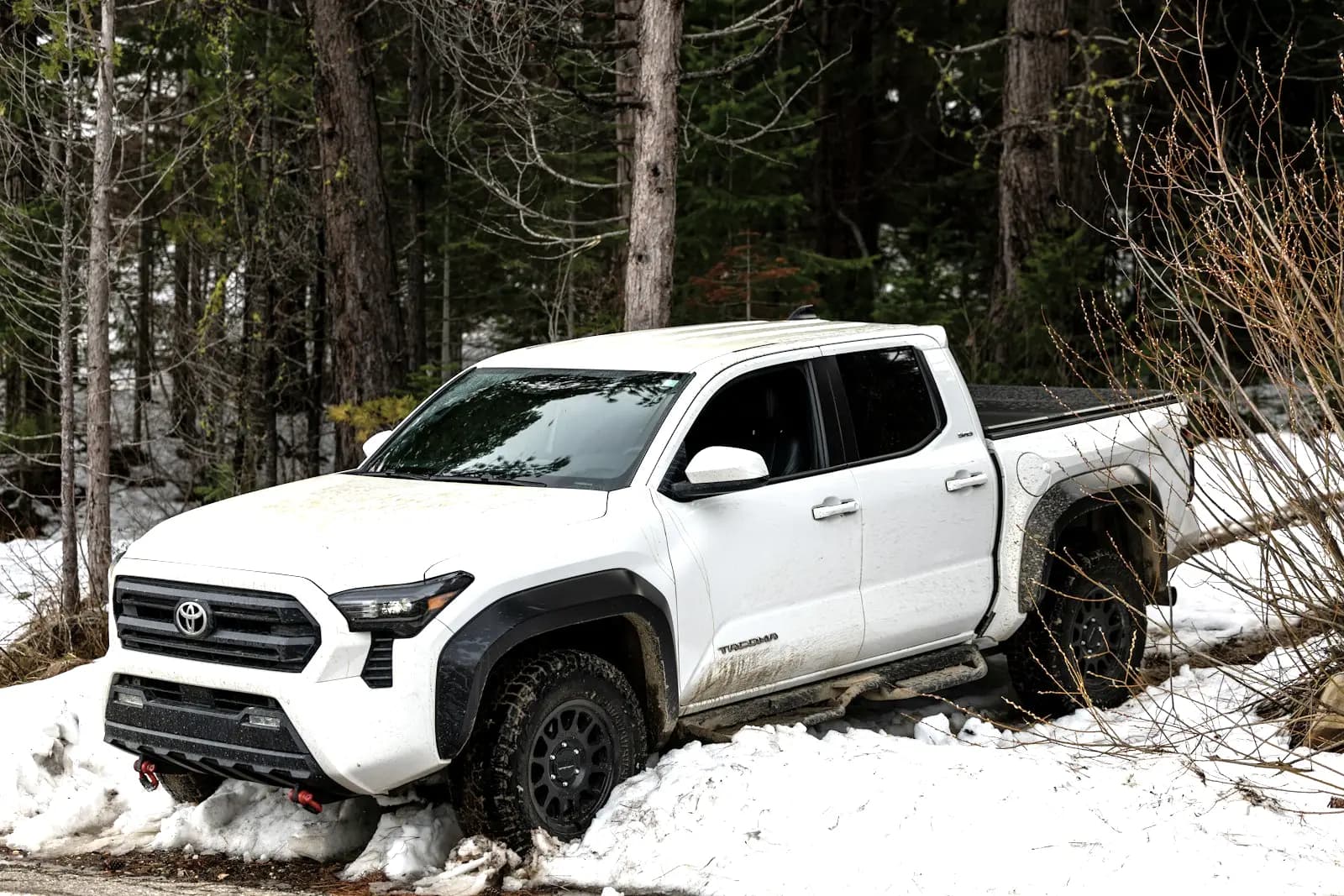
The transfer case is the expensive part, so it's the one people fear. It's frequently not the problem.
Engagement on many systems runs through a vacuum line, an electric actuator, or a shift motor, and any of those can fail while the mechanical parts are in perfect condition.
That's why a system inspection is worth more than replacing the obvious component. The cheap failures are more common than the expensive one.
Things we check before anyone mentions a transfer case:
- Vacuum lines: Cracked or disconnected lines are a very common cause on older systems.
- The actuator: Electric or vacuum, and it fails on its own.
- The shift motor: On electronically shifted systems.
- Transfer case fluid level: Low fluid stops it engaging cleanly.
- Linkage and bushings: On manually shifted systems, worn linkage means it never fully engages.
- Front axle disconnect: Where fitted, this is its own failure point.
Want it checked? Describe what the car is doing and Five Points Tire will tell you whether it needs 4WD work or something else. Call 650-365-0280, or send the form and someone calls you back. Request an appointment
4WD means three fluids, not one
A 4WD vehicle has more to service than a two-wheel drive one, and the extras get forgotten.
The transfer case has its own fluid and its own interval. So does the front differential, and so does the rear.
None of them have a warning light. All of them are running under high load, and the transfer case in particular takes a hard life.
If you've owned the vehicle a while and can't remember servicing them, that's the answer.
Why matched tires matter more on 4WD
Mismatched tires on a 4WD or AWD vehicle load the transfer case and differentials continuously, not only your grip.
Different rolling diameters mean the axles are being asked to turn at different speeds while the system is trying to hold them together.
It's why manufacturers are often strict about replacing all four rather than a pair, and why even significantly uneven wear across the set is worth correcting.
Common 4WD mistakes to avoid
- Using part-time 4WD on dry pavement. The binding you feel is the driveline winding up, and sustained use damages the transfer case.
- Assuming a system that won't engage means a transfer case. Vacuum lines, actuators and shift motors fail far more often, and cost far less.
- Never servicing the transfer case. It has its own fluid and its own interval, and no warning light.
- Replacing two tires instead of four. Diameter mismatch between axles loads the drivetrain continuously.
- Only using 4WD in winter. Systems that sit unused seize. Engaging it briefly on a loose surface now and then keeps it free.
The bottom line
If it binds in tight turns on dry pavement, that's expected behavior for part-time 4WD, not a fault. Disengage it.
If it won't engage at all, the odds favor something cheap: a vacuum line, an actuator, a shift motor. Get it inspected before anyone quotes a transfer case.
And check when the transfer case and both differentials were last serviced, because that's usually the honest answer to why it's stiff.
Four-wheel drive faults spread across the whole driveline. The drivetrain is the wider system, the transmission sits at the front of it, and a lift kit changes the angles everything runs at.
Call Five Points Tire on 650-365-0280 and say what it does and when. Part-time and all-wheel systems fail differently, so the symptom points at the layout before it points at the part.
What is the difference between 4WD and AWD?
- Part-time four-wheel drive locks the axles together at the same speed, which is right for loose surfaces and not for dry pavement. All-wheel drive uses a center differential that allows the axles to turn at different speeds, so it can be used all the time on any surface.
Why does my truck bind up in turns when in 4WD?
- Because the axles are locked together while the front wheels need to travel further through the turn. On a loose surface the tires slip slightly and absorb it. On dry pavement they cannot, so the driveline binds. That is expected behavior, not a fault.
Why will my 4WD not engage?
- Frequently the engagement mechanism rather than the transfer case, which may be a vacuum line, an electric actuator or a shift motor depending on the vehicle. Low transfer case fluid and worn linkage are also common. It is worth diagnosing before assuming the worst.
Do I need to service the transfer case?
- Yes. It has its own fluid and its own interval, and it is one of the most frequently overlooked services on a 4WD vehicle. The front and rear differentials need servicing too. Five Points Tire services transfer cases and will tell you the interval for your specific system.
Related services
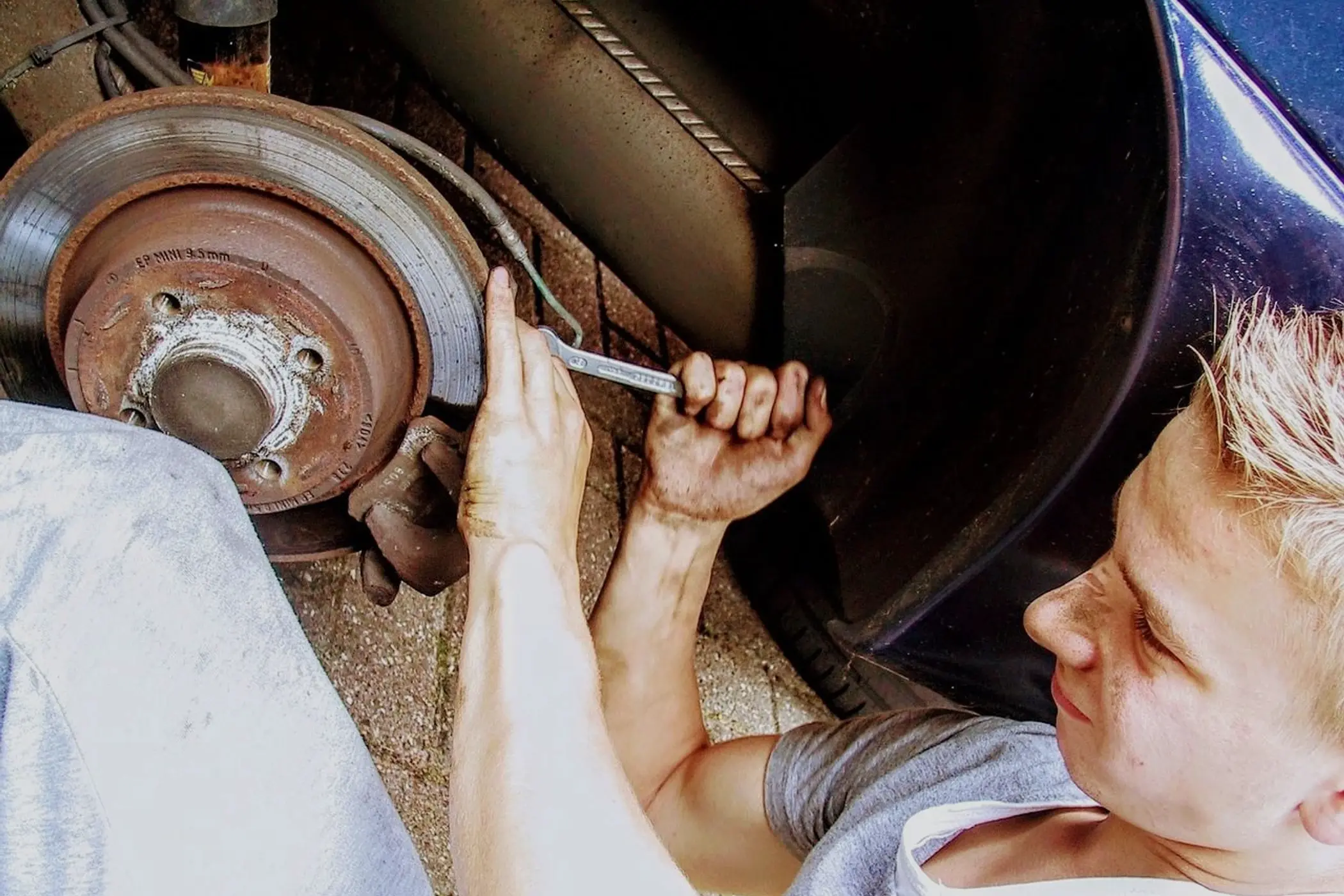
Drivetrain
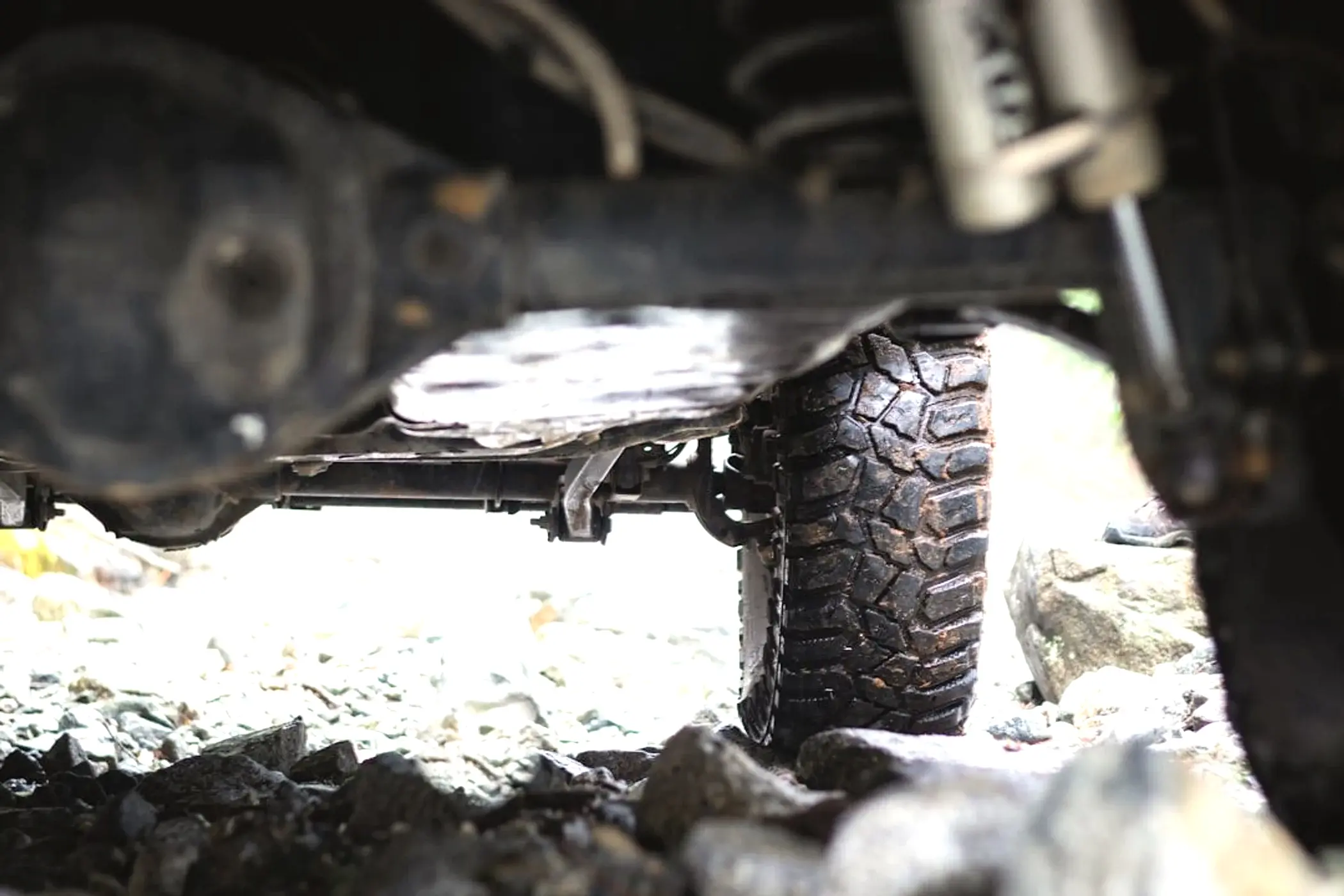
The drivetrain is everything that carries power from your engine to the wheels, and a fault anywhere in it shows up as vibration, clunking or a driveline that does not feel connected.
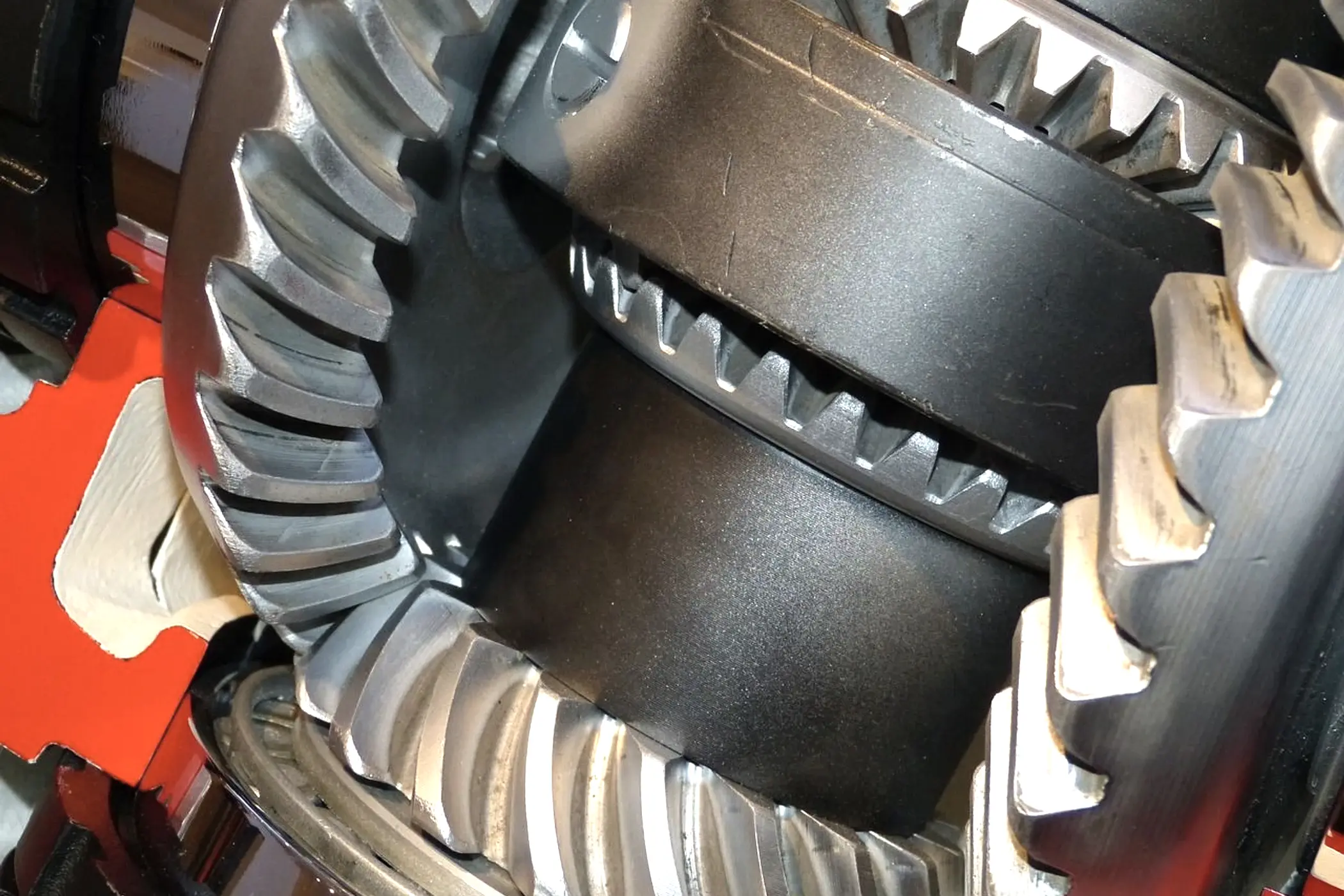
Differential
The differential lets your driven wheels turn at different speeds through a corner, and it runs on a heavy gear oil that degrades and needs replacing on a schedule.
Transmission Service
Transmission problems almost always announce themselves gradually through slipping, harsh or delayed shifts and burnt fluid, and acting at that stage is the difference between a service and a rebuild.

Lift Kits
A lift kit raises your truck or SUV to fit larger tires and gain ground clearance, and it changes the suspension geometry in the process, so it has to be aligned afterwards.

Fluid Inspections
Every major system in your car runs on a fluid, and most of them fail quietly by degrading rather than by running out.
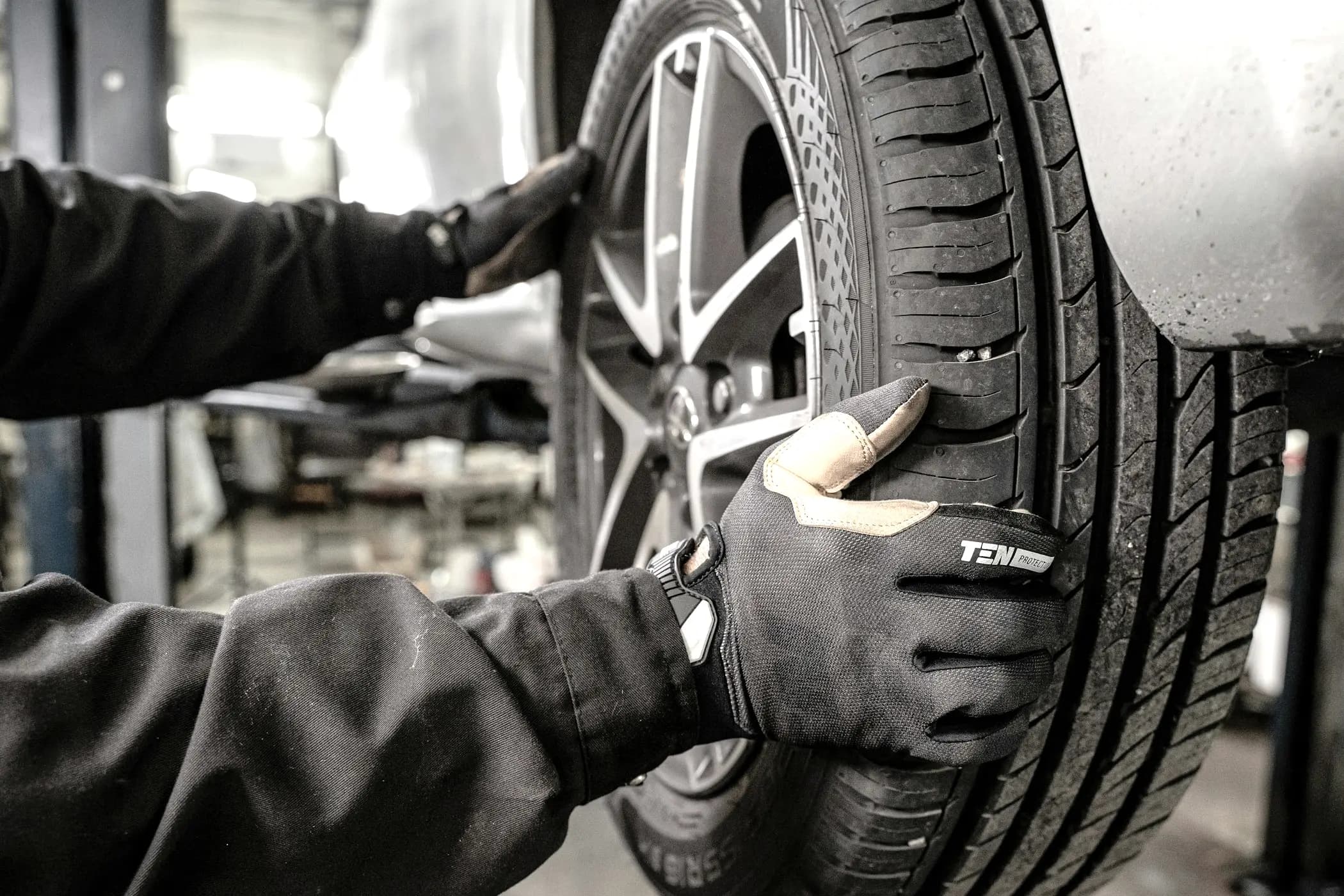
Tire Installation
New tires need to be mounted to the wheel, balanced, and fitted with the pressures and TPMS reset set correctly, or they will wear unevenly from the first mile.