Tune-Ups in Redwood City: What a Modern Engine Still Needs
A tune-up replaces the ignition and filter parts that wear out: spark plugs, ignition coils, air and fuel filters, and the PCV valve. Five Points Tire checks which of those your car is actually due for, so you pay for what it needs instead of a fixed package.
Tune-ups at Five Points Tire, in short
Five Points Tire does tune-ups in Redwood City. We check the parts that wear on a schedule: spark plugs, ignition coils, air and fuel filters, the PCV valve, belts, hoses, tires, brakes and fluids. We tell you which ones are due and replace those, rather than selling a fixed package. The shop has been at 2115 El Camino Real since 1964. Call 650-365-0280.
A tune-up today means replacing worn parts, not adjusting the engine. Engine management sets the timing and the fuel mixture itself.
So the only question worth asking is which parts your car is due for. That differs by engine, and the spread is wide: spark plug intervals alone run from 30,000 to 100,000 miles.
What a modern tune-up covers
Replacing these parts on schedule gives you smoother running, better fuel economy and easier starting.
Spark plugs erode, ignition coils weaken, filters clog and the PCV valve gums up. They wear at very different rates, which is why a fixed package always sells you something that is not due.
What we check, and when each part is due:
- Spark plugs 30,000 to 100,000 miles depending on type. Worn plugs misfire, which shows up as a rough idle, hard starting or a check engine light.
- Ignition coils No set interval. Replaced when they start misfiring under load.
- Air, oil and fuel filters Changed on condition rather than mileage. A clogged filter restricts flow.
- PCV valve Often 30,000 to 60,000 miles, and frequently missed.
- Belts They drive the water pump, power steering and alternator. A belt that comes off can strand you.
- Hoses They carry oil, fuel and coolant. A failed hose loses the fluid and can take the engine with it.
- Tires Checked and rotated if due. New tires are not part of a tune-up, but we tell you if one is too worn to keep.
- Brakes Pads and rotors checked for wear. We recommend replacement only if they need it.
- Fluids Engine oil, coolant, transmission, brake and power steering fluid, checked and topped up if low.
Signs you need a tune-up
- The engine idles roughly or the car shudders at a stop
- Hesitation or a stumble when you accelerate
- Harder starting than usual, especially first thing
- Fuel economy has dropped without a change in how you drive
- The check engine light is on, particularly with a misfire
- A noticeable loss of power, especially on hills
- The engine stalls, or will not turn over at all
What a modern tune-up actually replaces
| Part | Typical life | Symptom when due |
|---|---|---|
| Spark plugs, copper | Around 30,000 miles | Misfire, rough idle, hard starting |
| Spark plugs, iridium or platinum | Often 100,000 miles | Same, much later |
| Ignition coils | No fixed interval | Misfire under load, check engine light |
| Engine air filter | 15,000 to 30,000 miles | Flat throttle response, worse economy |
| Fuel filter | Varies widely by vehicle | Stumbles under load, fine at idle |
| PCV valve | Often 30,000 to 60,000 miles | Oil leaks, hunting idle |
Engine management sets timing and mixture itself. What is left is the parts that wear.
What our team does for tune-ups
- 01Check the air, oil and fuel filters, and replace the ones that are clogged
- 02Inspect the spark plugs and replace them if they are worn, which is usually somewhere between 30,000 and 40,000 miles depending on the vehicle
- 03Check that the belts driving the water pump, power steering and alternator are correctly routed and in good condition
- 04Inspect the hoses carrying oil, fuel and coolant for cracks, softening and leaks
- 05Check the tires, rotate them if they are due, and tell you if one is too worn or damaged to keep
- 06Check the brake pads and rotors for wear and damage, and recommend replacement if they need it
- 07Check the engine oil, coolant, transmission fluid, brake fluid and power steering fluid, and top up what is low
Spark plugs last far longer than they used to
Copper plugs need changing at around 30,000 miles. Iridium and platinum often last to 100,000.
That spread is why blanket advice is worthless. We check what is fitted to your engine and what the manufacturer specifies for it.
Fit the type the engine specifies, not the most expensive one. Some engines are particular about plug design and run worse on a substitute.
Why a misfire deserves urgency
A misfire is cheap to fix and expensive to ignore.
When a cylinder does not fire, the unburnt fuel passes into the exhaust and burns in the catalytic converter instead. The converter overheats. It is one of the most expensive parts on the car, and the coil or plug that caused it is one of the cheapest.
A flashing check engine light means this is happening now. Stop driving and call us on 650-365-0280.
Want it checked? Describe what the car is doing and Five Points Tire will tell you whether it needs a tune-up or something else. Call 650-365-0280, or send the form and someone calls you back. Request an appointment
Falling economy is an early warning
Fuel economy drops before anything feels wrong, which makes it the earliest warning you get.
A clogged air filter, worn plugs or a failing oxygen sensor will each cost you fuel for months before they change how the car drives.
If you track your mileage even roughly, a steady drop with no change in your driving is worth checking.
| Symptom | Often points at | How urgent |
|---|---|---|
| Rough idle | Plugs, coils or a vacuum leak | Soon |
| Hesitation on acceleration | Plugs, coils or fuel delivery | Soon |
| Hard starting | Plugs, or fuel pressure | Book it in |
| Economy dropped, drives fine | Filter, plugs or an oxygen sensor | Book it in |
| Check engine light, steady | Stored fault, needs reading | Soon |
| Check engine light, flashing | Active misfire | Stop driving |
The first four are cheap to investigate. The last one is not cheap to ignore.
Common tune-up mistakes to avoid
- Buying a fixed tune-up package.
- Fitting the most expensive plugs rather than the specified ones.
- Living with a rough idle.
- Ignoring a slow drop in fuel economy.
- Assuming a modern car never needs one.
The bottom line
Ask what is actually due rather than buying a package.
Your handbook lists the plug interval for your engine, and those alone range from 30,000 to 100,000 miles. The answer really does differ car to car.
If the idle is rough or the economy has dropped, have it looked at now rather than at the next service.
If the cause turns out to be elsewhere, we say so: fuel injectors for a poor spray pattern, the engine air filter for restricted airflow, or a check engine light scan for a stored fault code.
Five Points Tire works out what your vehicle actually needs, at 2115 El Camino Real in Redwood City. Call 650-365-0280.
What is included in a tune-up?
- Filters, spark plugs, belts, hoses, tires, brakes and fluids: the parts that wear on a schedule rather than fail suddenly. What yours needs depends on its mileage and what the manufacturer specifies, so ask when you book.
How often does a car need a tune-up?
- Five Points Tire publishes roughly every 25,000 miles as a general guide. No single interval fits every car, though: spark plug intervals alone run from 30,000 to 100,000 miles depending on type. Follow your handbook, and come in sooner if symptoms appear.
Will a tune-up improve my gas mileage?
- Yes, noticeably, if worn plugs, a clogged air filter or a failing sensor are what is costing you fuel. If the cause is something else, such as low tire pressures or a dragging brake, a tune-up will not fix it. That is why we diagnose first.
Do modern cars still need tune-ups?
- Yes, but not in the original sense. Engine management handles timing and mixture itself; the wearing parts still wear, and replacing those is what the term now means.
Related services
Check Engine Light
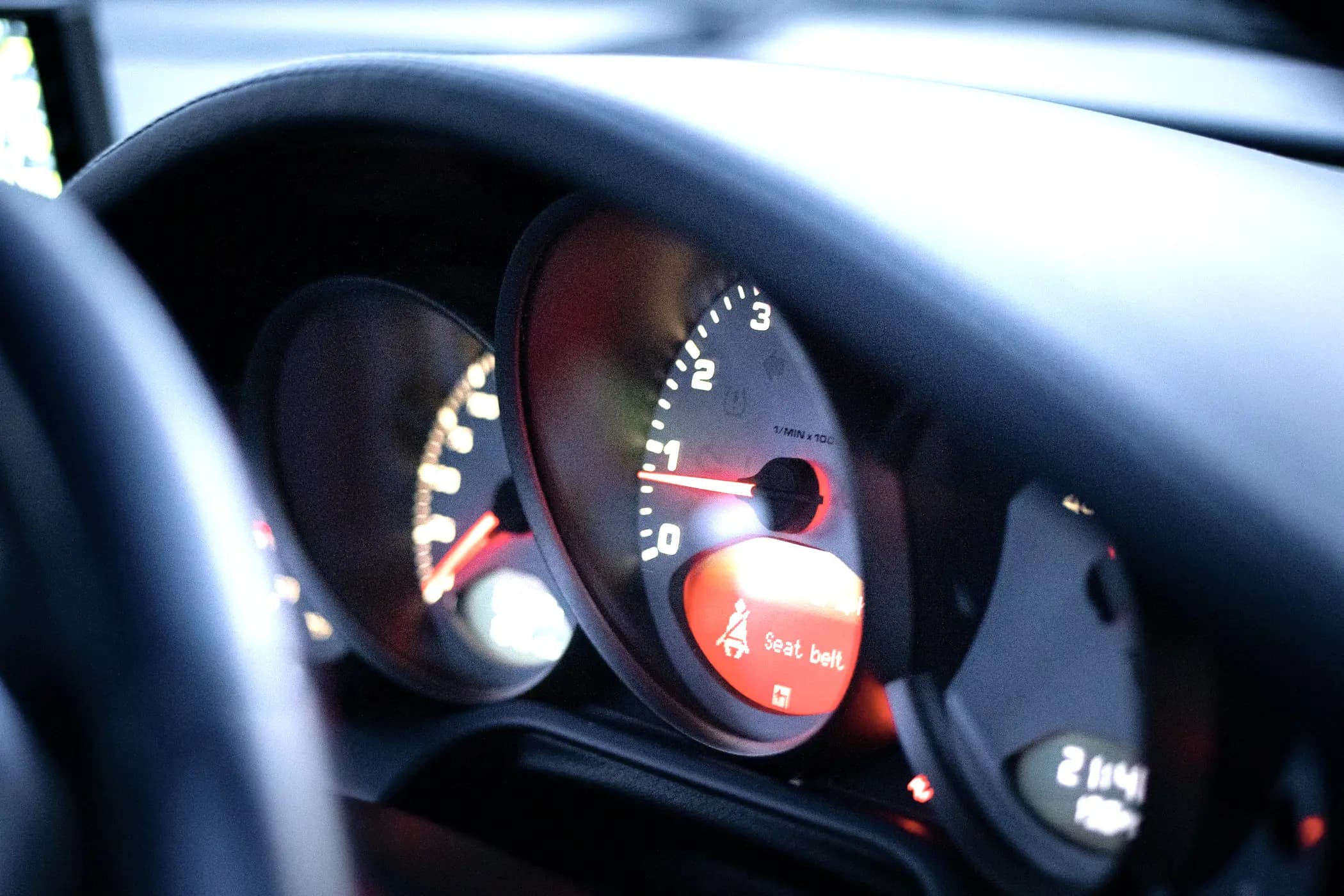
A check engine light means the engine management system has stored a fault code, and the code narrows down where to look rather than telling you what to replace.
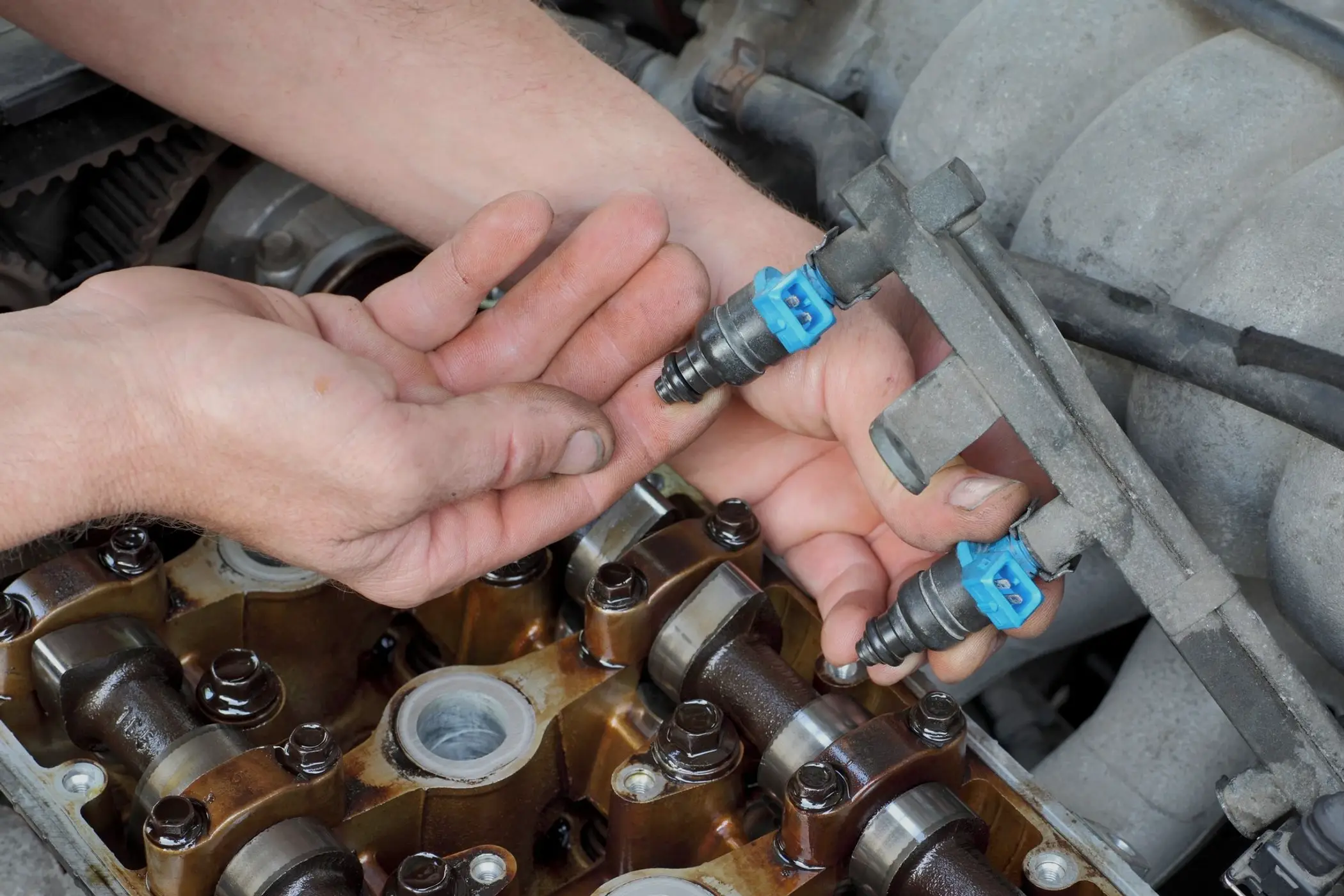
Fuel Injectors
Fuel injectors spray a precisely metered, finely atomised mist of fuel into the engine, and when their nozzles foul the spray pattern degrades and the engine misfires, runs rough and drinks more fuel.
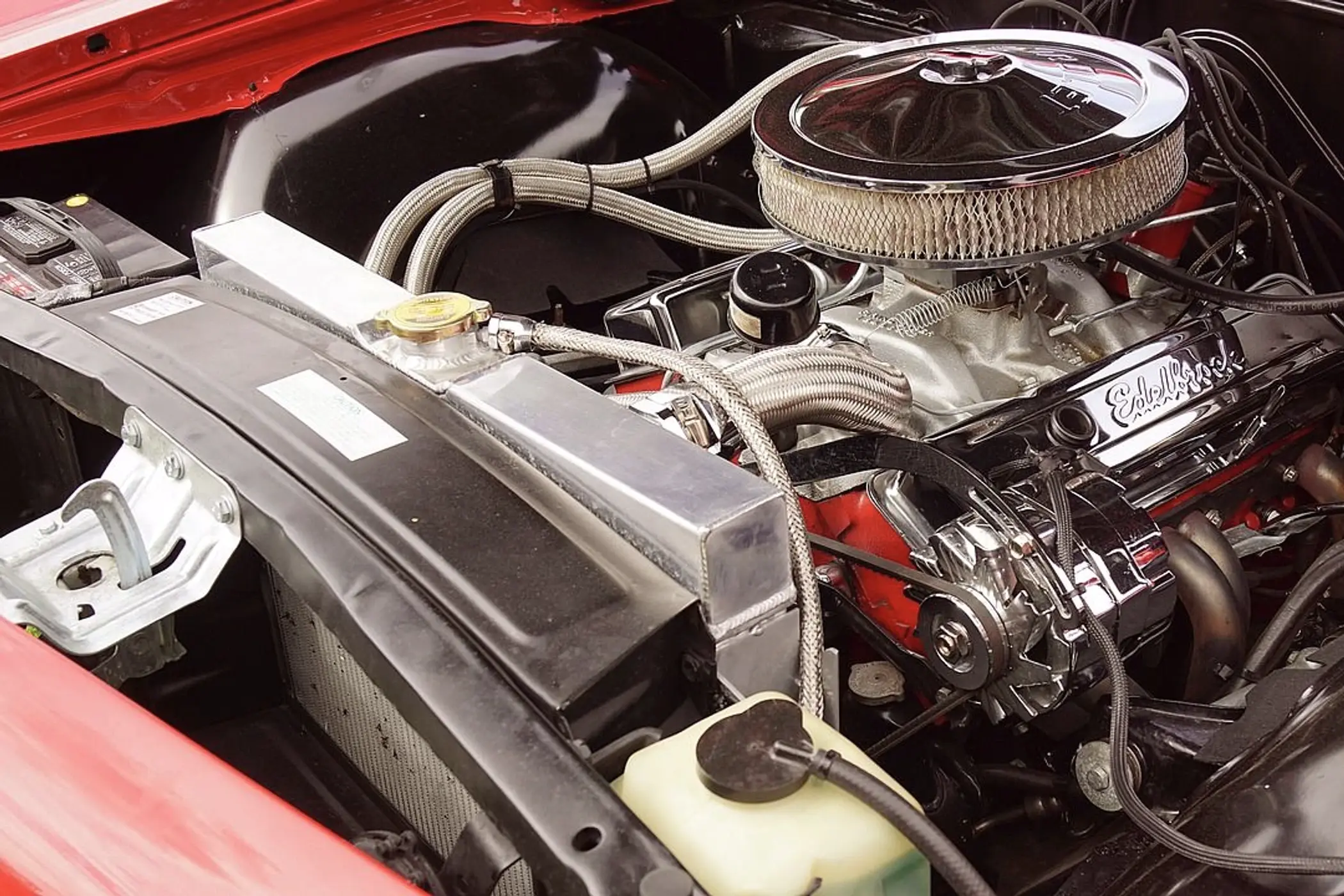
Engine Air Filter
The engine air filter stops dust and grit reaching the inside of your engine, and as it clogs the engine has to work harder to breathe, which costs you power and fuel.

Diagnostics
Modern vehicles record faults across dozens of electronic modules, and a proper diagnosis reads that data and then tests to confirm the cause rather than guessing from the code.
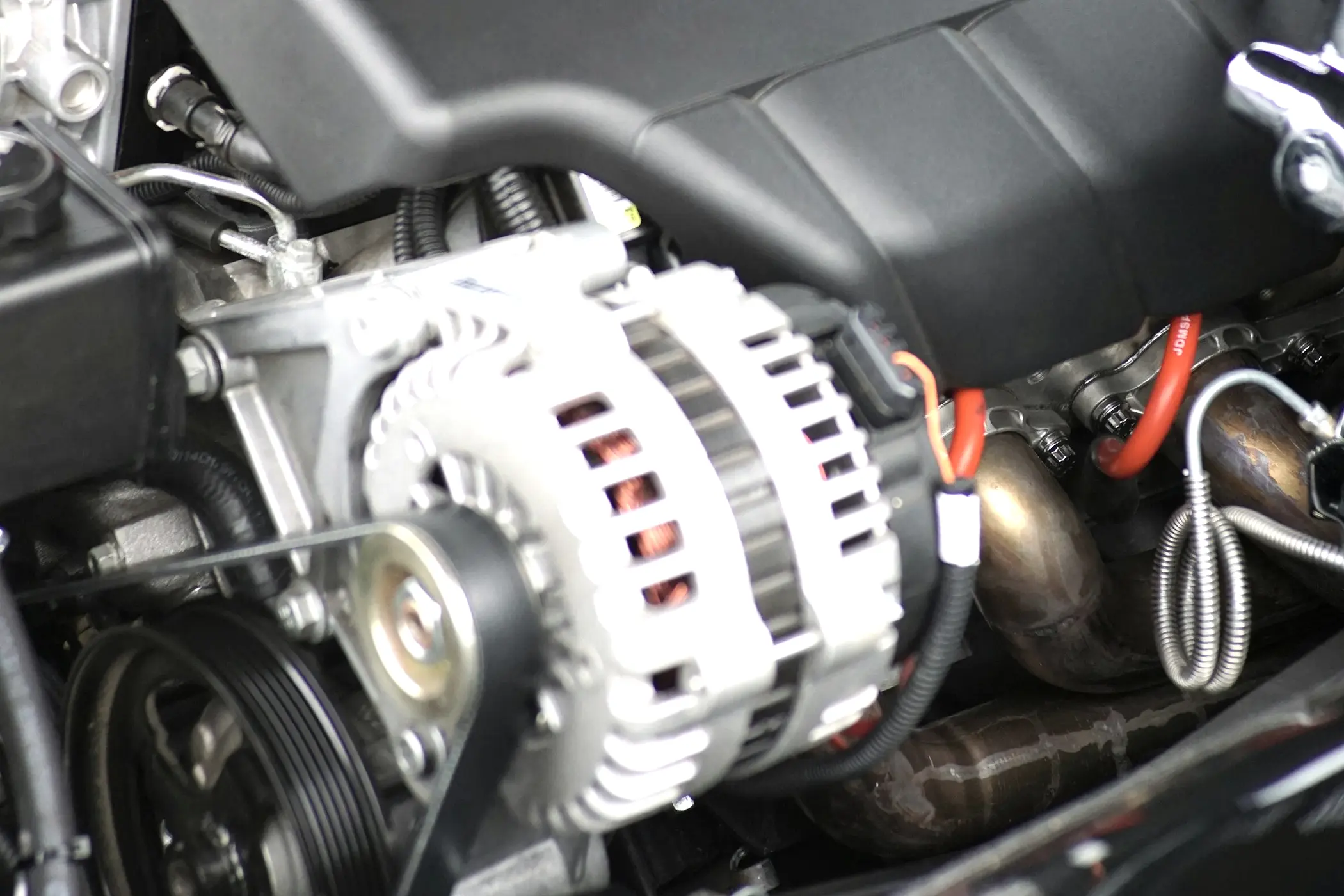
PCV Valve
The PCV valve vents pressure out of your engine's crankcase and routes it back to be burnt, and when it sticks the pressure has to escape somewhere, which usually means pushed-out seals and oil leaks.
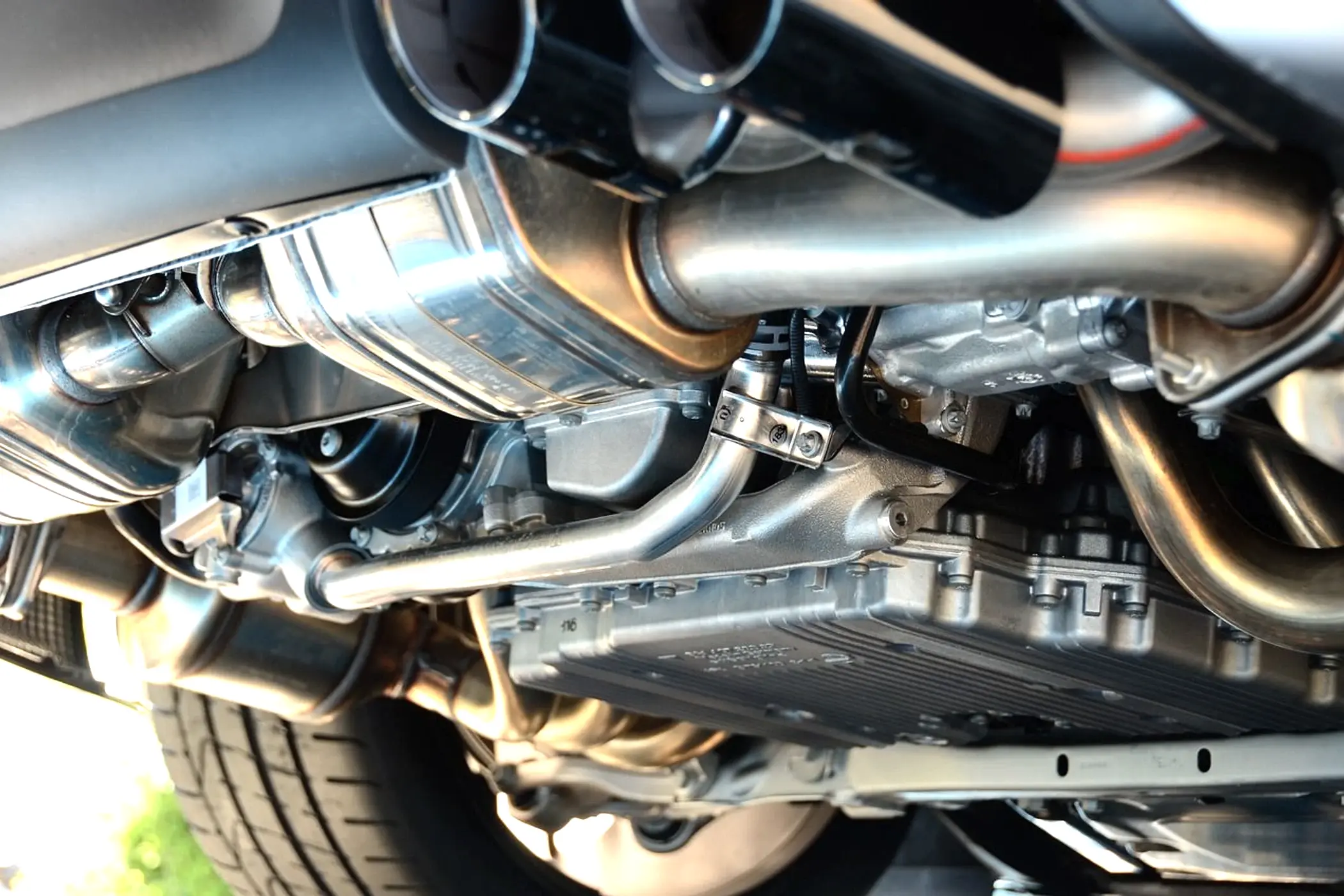
Smog Check Repair
If your vehicle has failed its California Smog Check, or the check engine light is on with a smog test due, the underlying fault has to be found and repaired before it can pass.