Serpentine Belt Replacement in Redwood City Before It Snaps
One serpentine belt usually drives your alternator, water pump and power steering, so when it fails you lose charging, cooling and steering assistance at the same time. Five Points Tire inspects the belt thoroughly to find where the problem actually is, then repairs or replaces it.
Serpentine belt replacement at Five Points Tire, in short
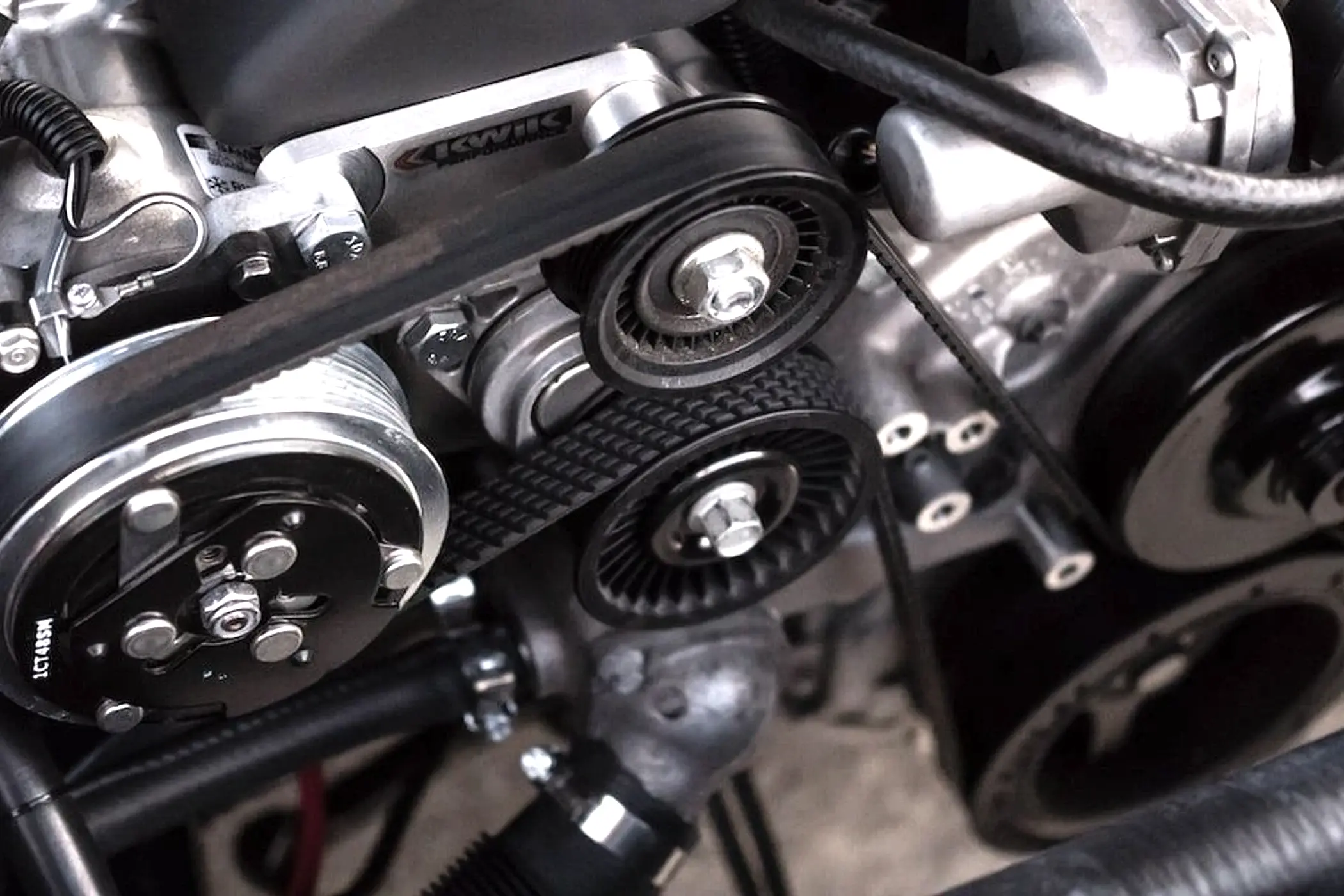
Five Points Tire inspects serpentine belts in Redwood City to find where the problem actually lies, then repairs or replaces. Not every noise from the front of the engine is the belt: tensioners and idler pulleys chirp too. Because one belt drives charging, steering and often the water pump, a failure means stopping rather than pressing on.
One rubber belt, a few feet long, is what keeps your battery charged, your steering light and, on a lot of engines, your coolant moving.
That's a lot of responsibility for a part that costs very little, and it's the whole reason a belt is worth replacing early rather than late.
The useful part is that it warns you. Belts squeal for weeks before they let go, and the wear is visible the moment you open the hood.
What one belt is actually driving
One serpentine belt usually drives your alternator, your power steering pump and, on many engines, your water pump too.
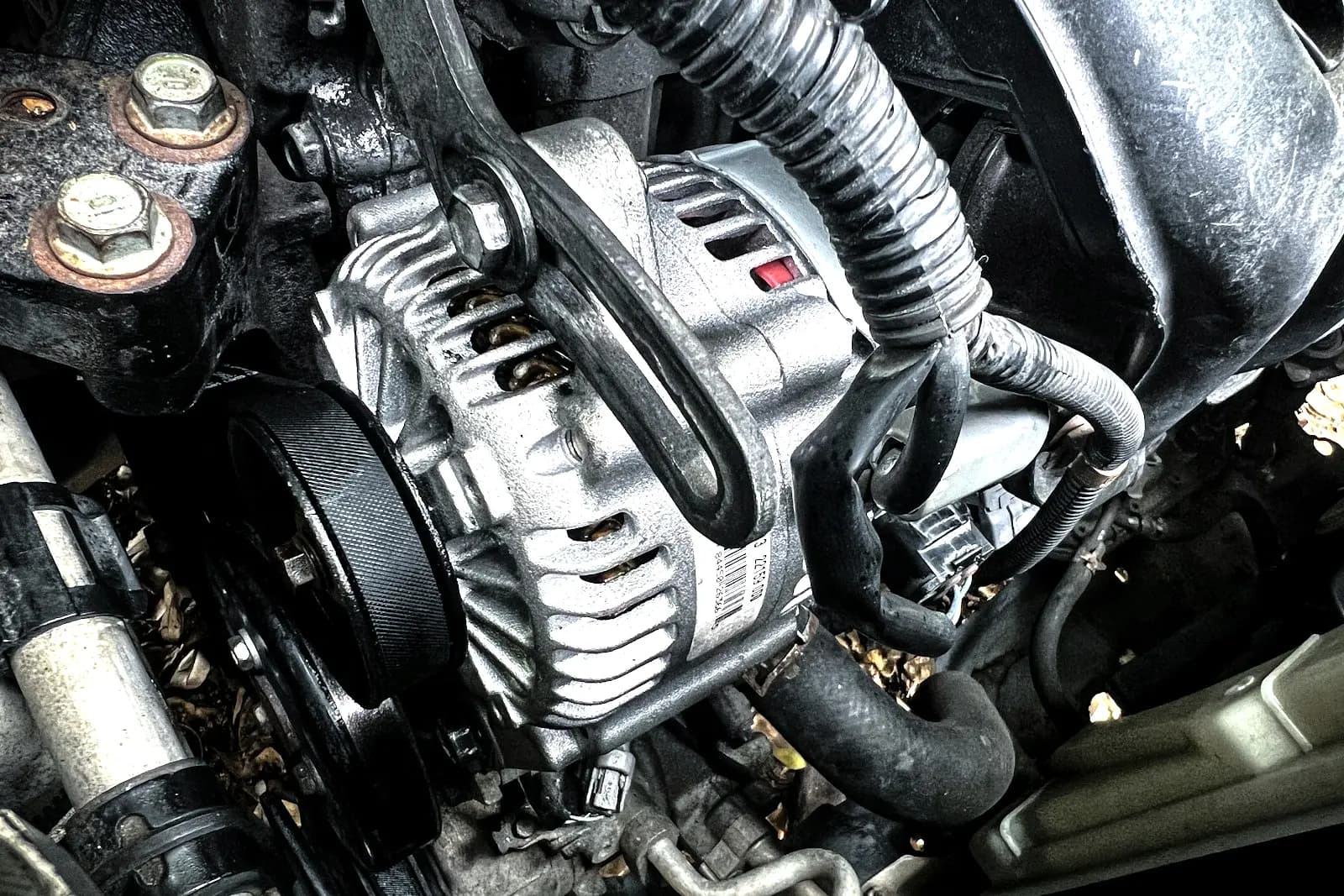
It snakes around most of the accessories on the front of the engine, which is where the name comes from.
That's what makes the failure so much bigger than the part. One belt goes and you lose charging, steering assistance and often cooling, all within about a mile of each other.
What the belt is usually turning:
- Alternator: Charges the battery and runs everything electrical. Lose it and you're on battery alone.
- Power steering pump: The wheel goes heavy the moment it stops turning, and that's worst at parking speed.
- Water pump: On many engines. Coolant stops circulating and the temperature climbs quickly.
- AC compressor: You lose air conditioning. On the day the belt breaks that's the least of it.
- Tensioner and idler pulleys: Not driven, but they hold the belt where it needs to be at the tension it needs.
If the belt goes, stop rather than press on. You lose charging, so the car runs on battery alone for a few miles. The steering goes heavy immediately. And if the belt drives the water pump, coolant stops circulating and the engine overheats within minutes.
Signs you need a new serpentine belt
- A squeal from the engine bay on cold start or when you turn the wheel
- A chirping noise that rises and falls with engine speed
- Visible cracks across the ribs, glazing, fraying, or missing chunks
- The battery warning light coming on intermittently
- The steering going heavy for a moment
- The temperature gauge rising
Reading a belt noise
| Noise | When | Usually |
|---|---|---|
| Squeal | Cold or damp start, clears as it warms | Belt hardened or losing tension |
| Squeal | When you turn the wheel at low speed | Slipping under power steering load |
| Chirp | Rises and falls with engine speed | Tensioner or idler pulley bearing |
| Rattle | At idle | Failing tensioner |
| Sudden silence, then warnings | Any time | The belt has gone. Stop. |
Not every noise from the front of the engine is the belt itself.
What our team does for serpentine belt replacement
- 01Inspect the serpentine belt thoroughly to detect where the issue actually lies
- 02Carry out the repair or replacement based on what the inspection finds
The warning a belt gives before it goes
Belts don't usually fail without notice. They squeal first, and they squeal for a while.
They show it too. Cracks across the ribs, a shiny glazed surface, frayed edges or missing chunks are all visible with the hood up and a flashlight.
That's the good news about this job. The inspection is quick, the evidence is on the outside, and the belt is cheap while it's still in one piece.
A squeal that only shows up on a cold or damp start and then settles usually means the belt has hardened or lost a little tension. A squeal that arrives when you turn the wheel at low speed means it's slipping under power steering load.
When the noise isn't the belt at all
A chirp that rises and falls with engine speed is usually a tensioner or idler pulley bearing, not the belt.
That distinction is where money gets wasted, because a new belt on a worn tensioner is a new belt that won't last.
A failing tensioner does something worse than make noise. It lets the belt run loose, which glazes it, and now the belt is squealing because of a fault that was never the belt.
So the inspection looks at the system rather than the rubber. Pulley wobble, bearing play and tensioner travel are all part of it.
Want it checked? Describe what the car is doing and Five Points Tire will tell you whether it needs a new serpentine belt or something else. Call 650-365-0280, or send the form and someone calls you back. Request an appointment
Why a new belt sometimes fails early
A belt that gets replaced and then fails again inside a year almost always had help.
Oil or coolant dripping onto it from a leaking seal above will soften the rubber and finish it. A pulley that isn't sitting true will chew the belt along one edge.
Both leave evidence. A belt worn unevenly across its width, or shredded down one side, is pointing at something else on the engine rather than at itself.
Which is worth catching at the time, because otherwise you buy the same part twice.
How long a serpentine belt should last
Modern belts commonly go 60,000 to 100,000 miles, and the material fitted today lasts considerably longer than what was fitted twenty years ago.
But condition decides it, not the number. Heat cycling ages rubber whether the car covers the miles or not, so a low-mileage car parked in the sun can be ready before a commuter car is.
Cracking, glazing or fraying means replacement regardless of what the odometer says.
Waiting for a squeal to become a snap saves nothing at all.
Common serpentine belt mistakes to avoid
- Trying to make it home on a broken belt. Charging, steering and often cooling are gone at once, and overheating turns a cheap belt into a head gasket.
- Replacing the belt and leaving the tensioner. A worn tensioner runs the new belt loose and glazes it, and you'll be back.
- Assuming every squeal is the belt. A chirp that tracks engine speed is more often a pulley bearing.
- Spraying belt dressing on a squeal. It quiets the noise for a few days and hides the reason the noise is there.
- Judging the belt on mileage alone. Rubber ages on heat cycles and time. Cracks and glazing are the real interval.
The bottom line
Open the hood and look at it. Cracks across the ribs, a glazed shine or frayed edges mean it's due, and none of that needs a lift to see.
If it squeals only when cold, it's hardened or slack. If it chirps in time with engine speed, suspect a pulley bearing before you suspect the belt.
If it snaps while you're driving, pull over. That one isn't worth pushing.
Five Points Tire inspects the belt, the tensioner and the pulleys together at 2115 El Camino Real, because a new belt on a failing tensioner fails again. Call 650-365-0280.
Serpentine belt replacement questions we get asked
Question not on the list? Ask us directly.
What happens if the serpentine belt breaks?
- You lose the alternator, the power steering and, on many engines, the water pump at the same moment. The steering goes heavy immediately and the engine overheats within minutes if it drives the pump. Stop safely rather than trying to get home.
Why is my serpentine belt squealing?
- Usually the belt has hardened, glazed or lost tension and is slipping on the pulleys. A squeal when you turn the wheel points at it slipping under power steering load. A chirp that follows engine speed more often means a worn tensioner or idler bearing.
How often should a serpentine belt be replaced?
- Modern belts often last 60,000 to 100,000 miles, but condition decides it. Cracking, glazing or fraying means replacement regardless of mileage, and a belt is cheap compared with the failure it causes. Five Points Tire inspects the tensioner and pulleys with the belt, since a new belt on a worn tensioner fails again.
Related services
Belts and Hoses
Belts and hoses are rubber parts that perish with age and heat, and when one fails it usually takes something more expensive with it or leaves you stopped at the roadside.
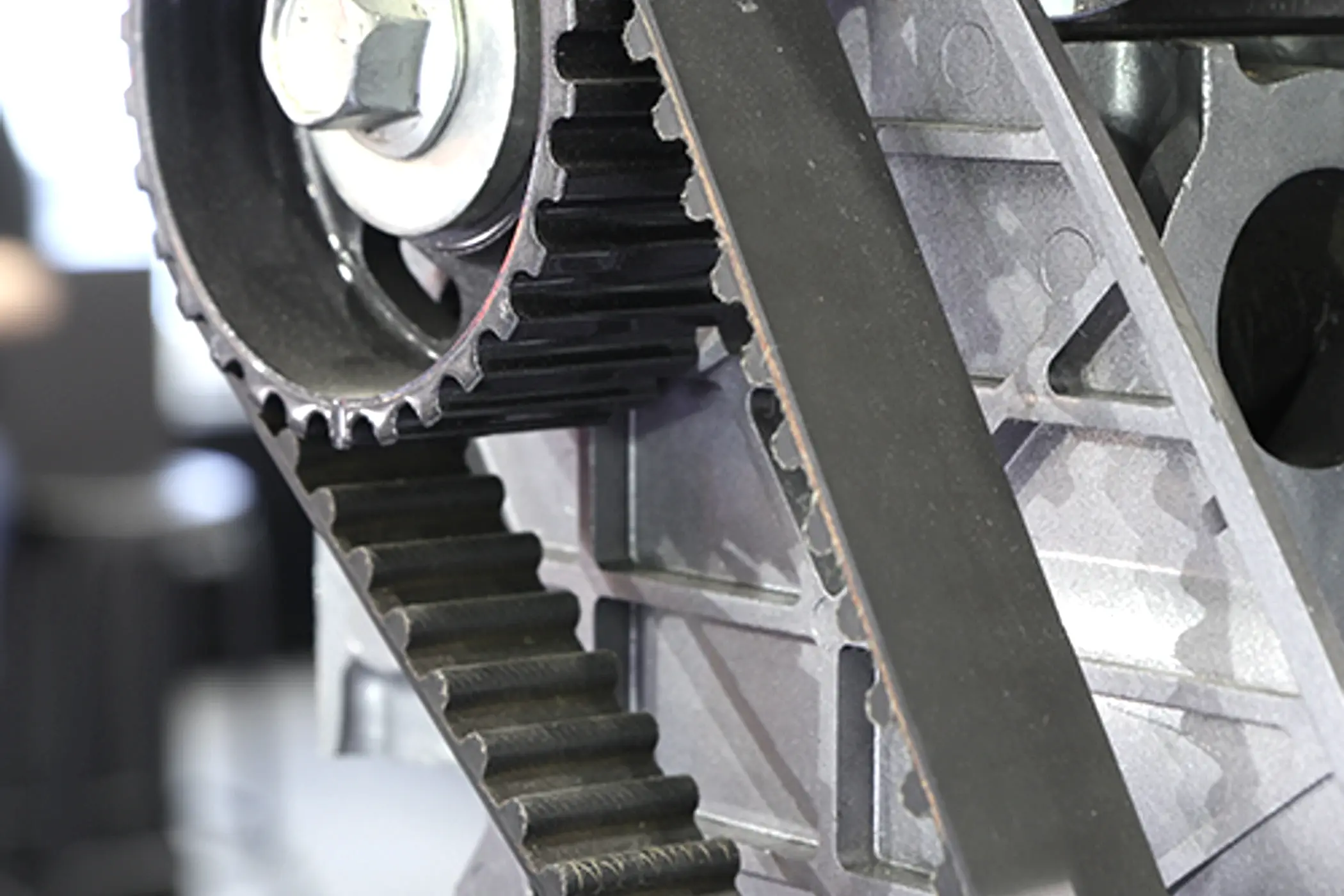
Timing Belt Services
The timing belt keeps your engine's valves and pistons moving in step, and on an interference engine a snapped belt lets them collide, which can destroy the engine.
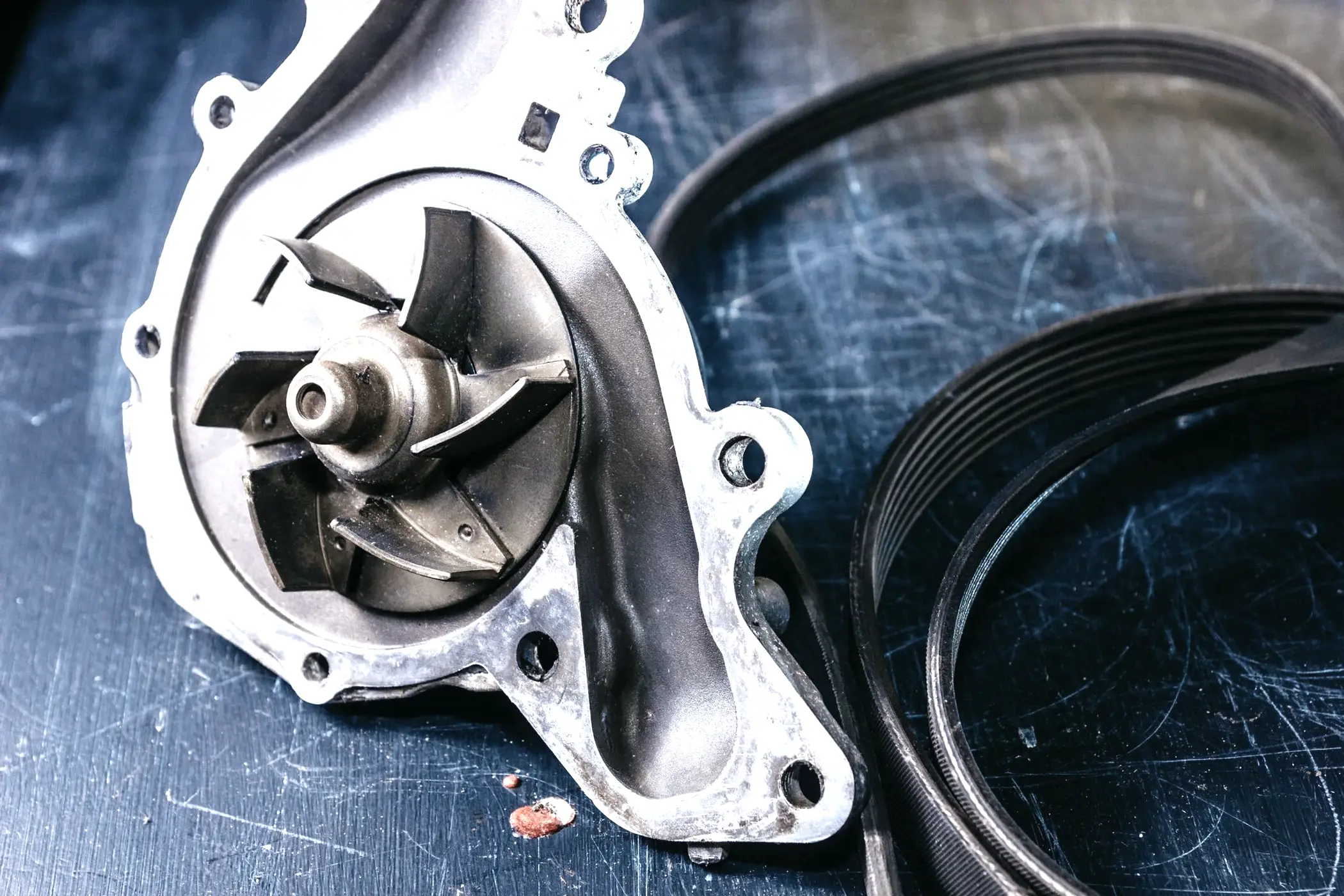
Water Pump Service
The water pump circulates coolant through the engine, and when it fails, coolant stops moving and the engine overheats within minutes no matter how full the system is.

Power Steering
If your steering has gone heavy, groans when you turn, or feels inconsistent from one moment to the next, the power steering system needs looking at rather than tolerating.
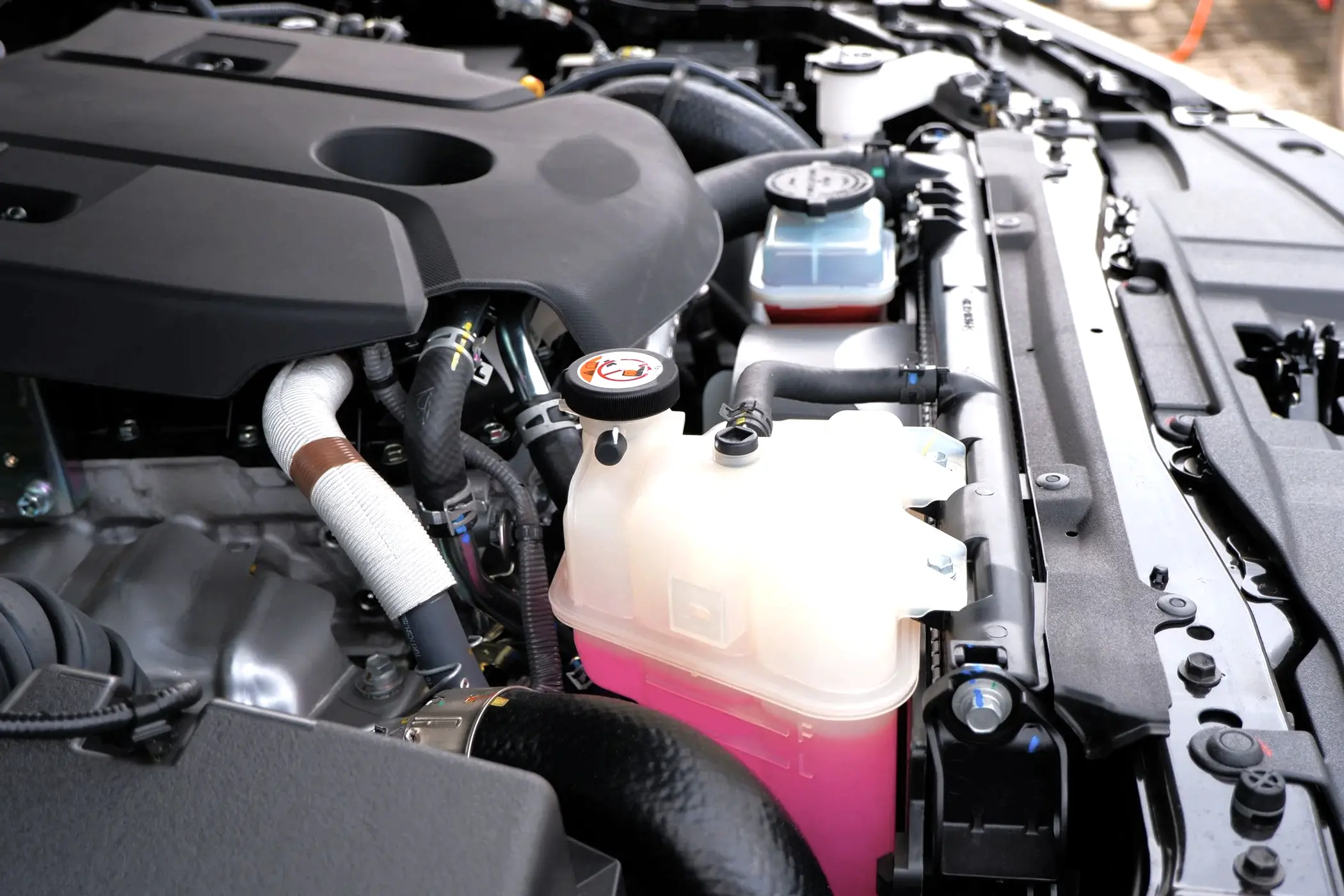
Cooling System
An engine that overheats even briefly can warp a cylinder head, so a cooling system problem is one of the few faults where continuing to drive genuinely makes it far more expensive.
Preventative Maintenance
Preventative maintenance is servicing components on a schedule so they are replaced while they still work, rather than waiting for the failure and the damage that comes with it.