Flatbed Towing in Redwood City, and When You Actually Need It
If your vehicle cannot be driven, we can bring it in on our own flatbed, and for most repairs that pickup is free, with tire repairs excluded. Call Five Points Tire on 650-365-0280 and tell us where the car is and what it is doing.
Towing at Five Points Tire, in short
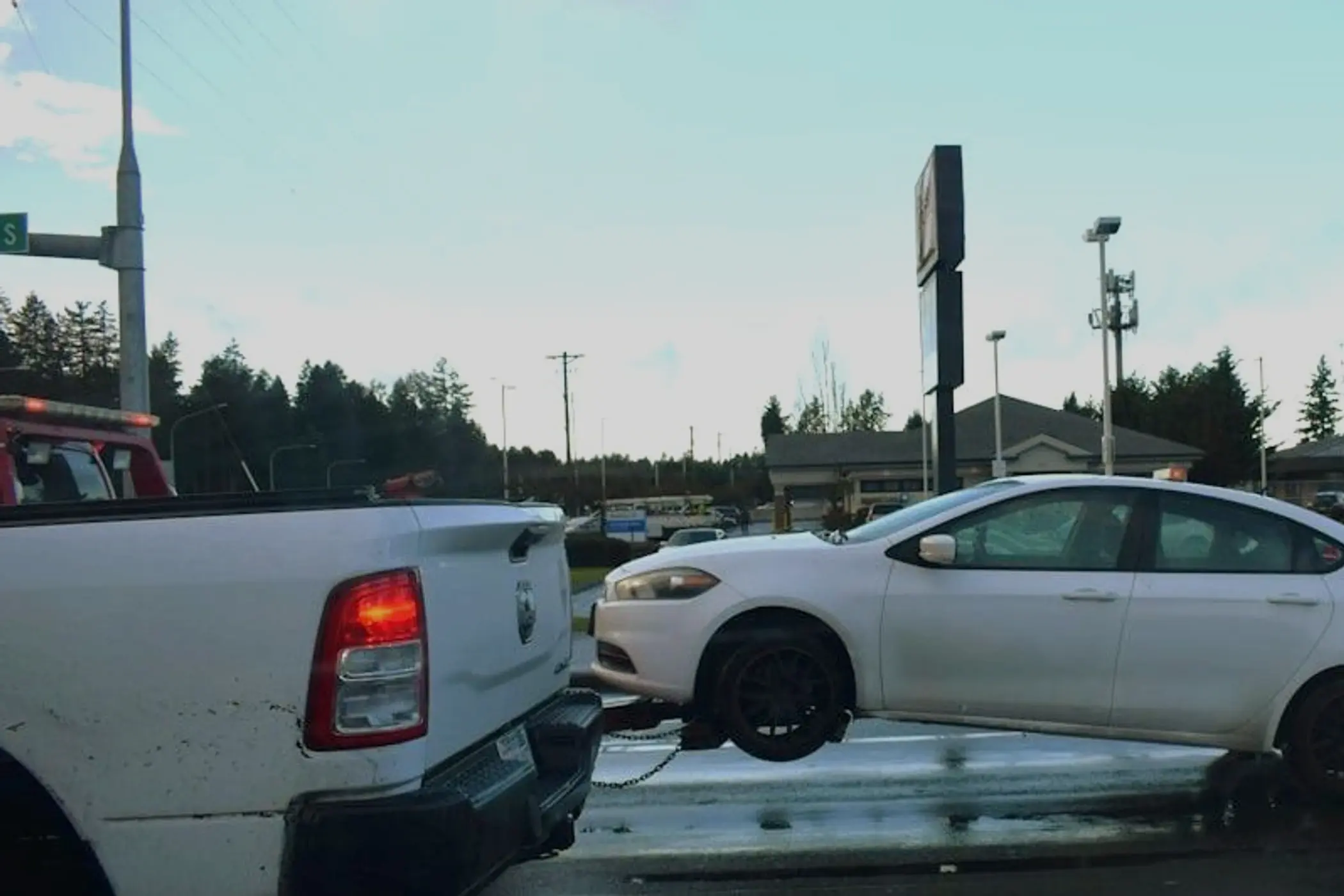
Five Points Tire runs its own flatbed and offers free pickup for most vehicle repairs in Redwood City, with tire repairs excluded. Flatbed means the vehicle is carried rather than dragged with two wheels turning, which matters on all-wheel drive, lowered cars and anything with drivetrain damage. If you would rather the car went to another garage, tell us when you call.
Most people call for a tow and take whatever turns up. Usually that's fine. On some cars it isn't.
The difference is whether your vehicle is carried or dragged, and on all-wheel drive, on anything lowered, and on anything with drivetrain damage, being dragged does fresh damage on the way in.
It's a two-minute conversation that occasionally saves a transmission, so it's worth having before the truck is dispatched.
Carried or dragged: the only distinction that matters
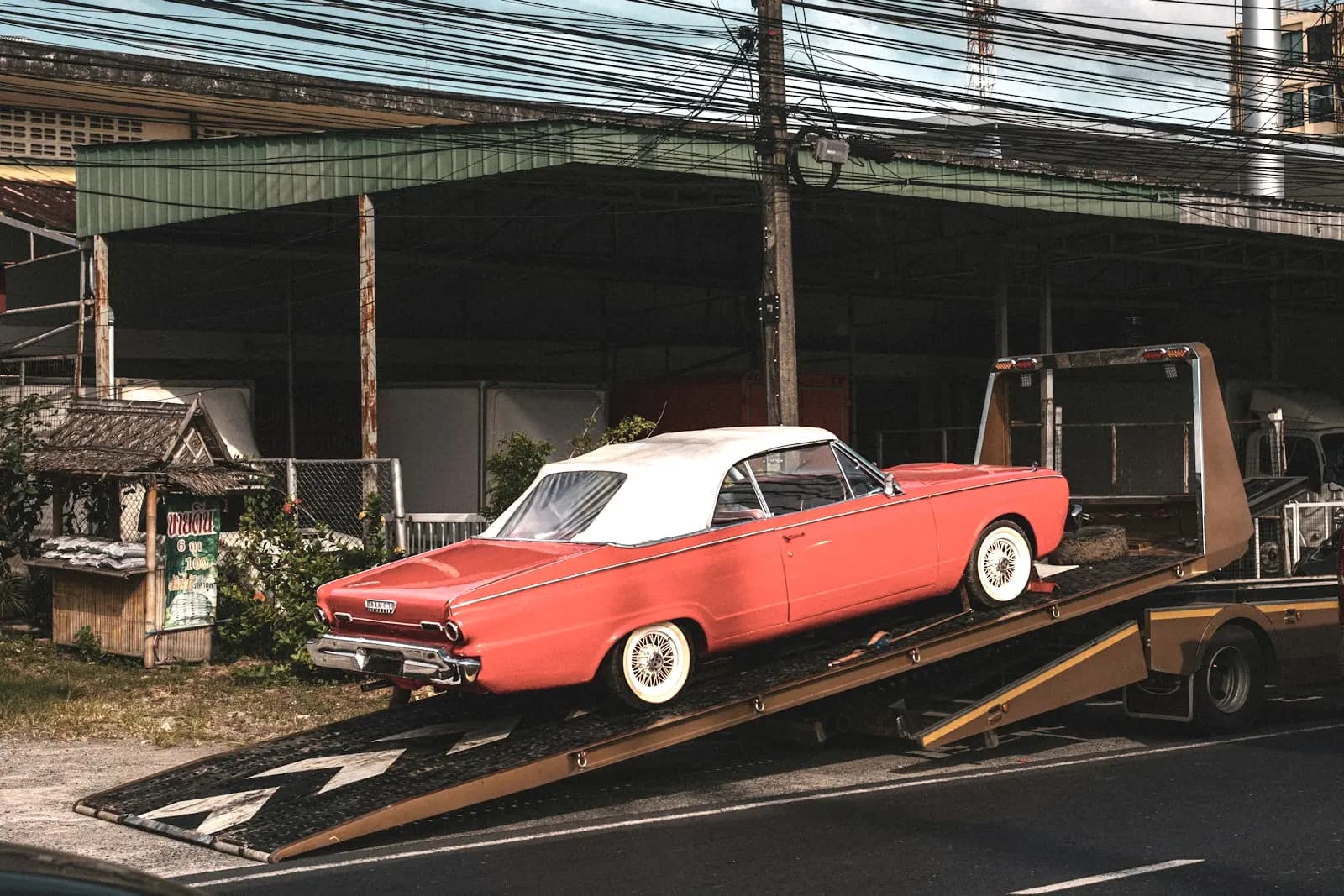
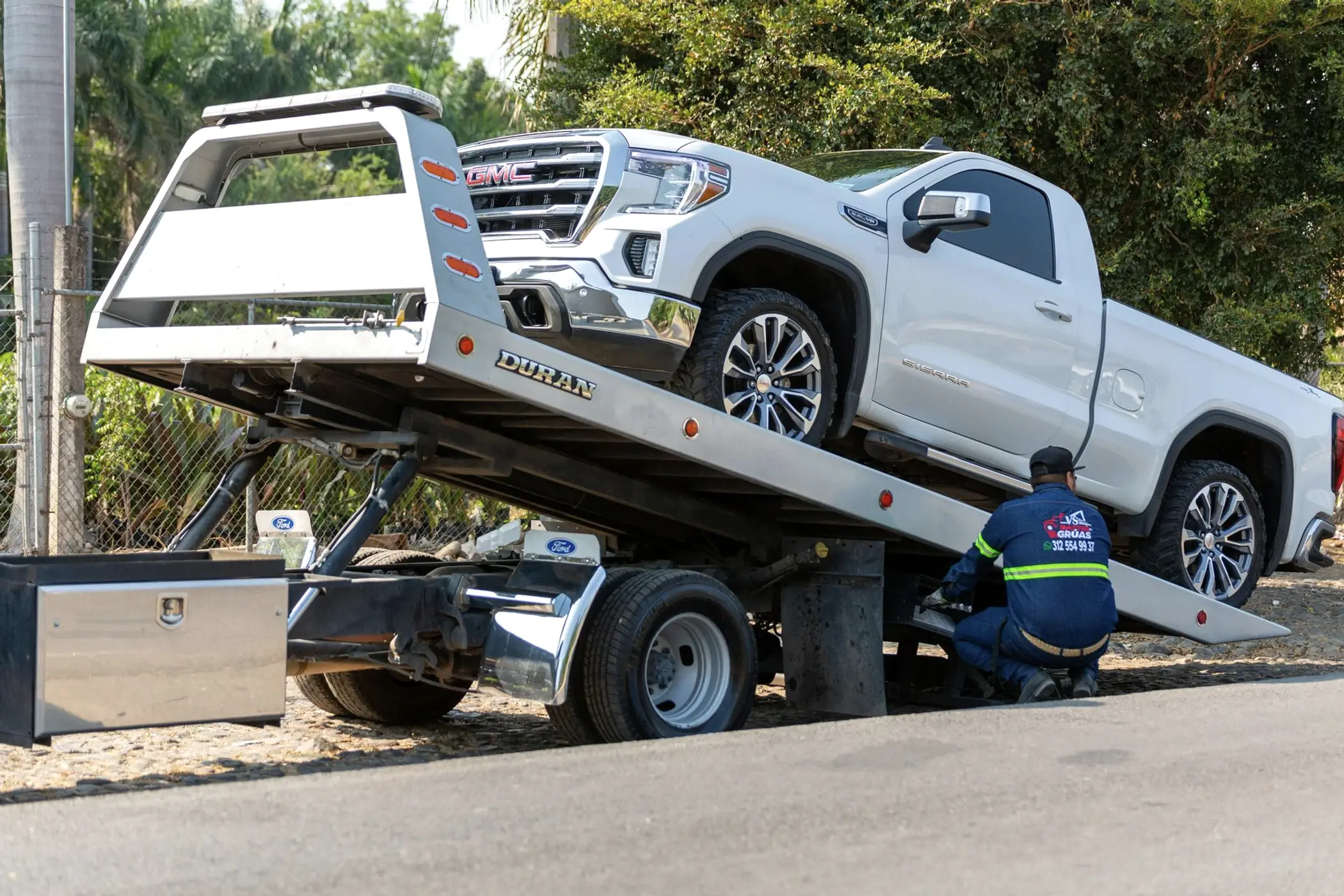
A flatbed carries the car. A dolly still leaves two wheels turning, and on the wrong vehicle that matters.
A hook-and-chain or a wheel-lift tow raises one axle and rolls the car on the other. For a lot of front-wheel drive cars with a healthy drivetrain, that's perfectly acceptable.
The problem is that the wheels still on the road are turning the parts attached to them, without the engine running and often without the transmission being lubricated the way it expects.
A flatbed removes the question entirely, which is why it's what we run.
Free pickup on most vehicle repairs. We run our own flatbed and pickup is free for most vehicle repairs, with tire repairs excluded. Tell us where the car is and what it is doing and we will tell you where yours falls before anything is arranged.
Signs you need a tow
- The car will not start and cannot be jumped
- It has broken down and is not drivable
- A flat with no usable spare
- A warning light that means it should not be driven further
- The car is overheating, or has lost oil pressure
- It is drivable but you would rather it was not driven
Why flatbed rather than a tow dolly
| Vehicle | Flatbed matters because |
|---|---|
| All-wheel drive | Towing a driven axle along the road can damage the drivetrain |
| Lowered or low-clearance | Ramp angle and ground clearance are controlled |
| Drivetrain damage | Nothing is turning that should not be |
| Flat tire, no usable spare | The wheel never has to roll |
| Accident damage | Wheels may not be aligned or free to turn |
Carrying the vehicle avoids doing damage on the way to the workshop.
What our team does for towing
- 01Tow the vehicle on our own flatbed truck
- 02Offer free pickup for most vehicle repairs, excluding tire repairs
- 03Change the tire on the spot where that is practical, rather than towing
- 04Tow the vehicle to the garage of your choice if you would rather it went elsewhere
Which cars need the flatbed specifically
All-wheel drive, lowered cars, known drivetrain damage, and anything that won't roll or steer: those four need the flatbed as a requirement, not a preference.
All-wheel drive and four-wheel drive, because every wheel is connected to the drivetrain and there is no axle you can safely leave rolling. Lowered cars and anything with low front bodywork, because the approach angle onto a dolly will take the front off it.
Anything with known drivetrain damage, because you already have a fault in the parts that a rolling wheel would keep turning. And anything that won't roll or won't steer, which rules out most of the alternatives on its own.
If you're not sure which category you're in, the year, make and model answers it in a sentence.
Tell us these and we'll know what to send:
- Year, make and model. Settles drivetrain layout and ride height immediately.
- Does it roll and steer? Decides whether it can be winched or has to be lifted.
- Is it in park, or can it go in neutral? Changes how it comes onto the bed.
- Where exactly is it? Underground parking and tight streets rule some equipment out.
- Any known drivetrain fault? The reason the flatbed stops being optional.
Not every flat needs a tow
A flat with a usable spare, in a safe place, is a wheel change where the car stands, not a tow.
That's quicker for everyone, and the car drives away rather than arriving on a truck.
Safe and practical is the condition, though. A narrow shoulder with traffic passing at speed is neither, and no wheel change is worth standing there for.
Tell us where the car is when you call and that decides it, rather than the flat itself.
Want it checked? Describe what the car is doing and Five Points Tire will tell you whether it needs a tow or something else. Call 650-365-0280, or send the form and someone calls you back. Request an appointment
Where the car goes is your call
For most vehicle repairs the pickup is free, on our own flatbed. Tire repairs are the exception.
That's the part worth establishing before you arrange anything else, because if the car was coming to us anyway, the recovery is already handled.
And if you'd rather it went to a different garage, say so up front. That's a normal request and we can take it where you want it.
What you should not do is let a car be taken to whichever shop is nearest by default. That decision is yours and it's easier to make before the truck arrives than after.
Common towing mistakes to avoid
- Letting an all-wheel drive car go on a dolly. Every wheel is connected to the drivetrain. There is no axle you can safely leave rolling.
- Not mentioning that the car is lowered. The approach angle is what takes the front bodywork off, and it happens at the loading stage.
- Assuming a flat means a tow. Where it's safe to change the wheel where it stands, that's faster and the car drives away.
- Letting it go to the nearest shop by default. Where the car ends up is your decision, and it's much easier to make before the truck arrives.
- Booking a tow before asking about pickup. For most repairs the pickup is free, so that call is worth making first.
The bottom line
Have the year, make and model ready, and know whether the car rolls and steers.
Say if it's all-wheel drive, lowered, or has a known drivetrain fault. Those are the three that make the flatbed non-negotiable.
Decide where you want it to go before the truck is dispatched rather than after.
A tow is the start of the job, not the job. Where the car stopped but is not damaged, roadside assistance may be enough, a puncture is a flat repair, and a no-start is often the car battery.
Call Five Points Tire on 650-365-0280 and tell us where the car is. For most vehicle repairs the pickup is free on our own flatbed, with tire repairs excluded.
Do you tow?
- Yes, on our own flatbed. For most vehicle repairs the pickup is free, with tire repairs excluded. Call 650-365-0280 to arrange it.
Is the pickup really free?
- For most vehicle repairs, yes. Tire repairs are excluded. Call the shop and describe what is wrong and we will tell you where yours falls.
Why does flatbed towing matter?
- Because the vehicle is carried rather than towed with wheels turning on the road. On all-wheel drive vehicles, lowered cars and anything with drivetrain damage, that avoids doing further damage during the tow itself.
Can you tow my car somewhere other than your shop?
- Yes. If you would rather it went to a different garage, tell us where when you call and we will take it there. Five Points Tire will take the car where you want it, though for most repairs the pickup is free when it comes to us.
Related services
Roadside Assistance
If your car will not start, has a flat, or will not make it to the shop under its own power, call us and describe what happened before arranging anything else.
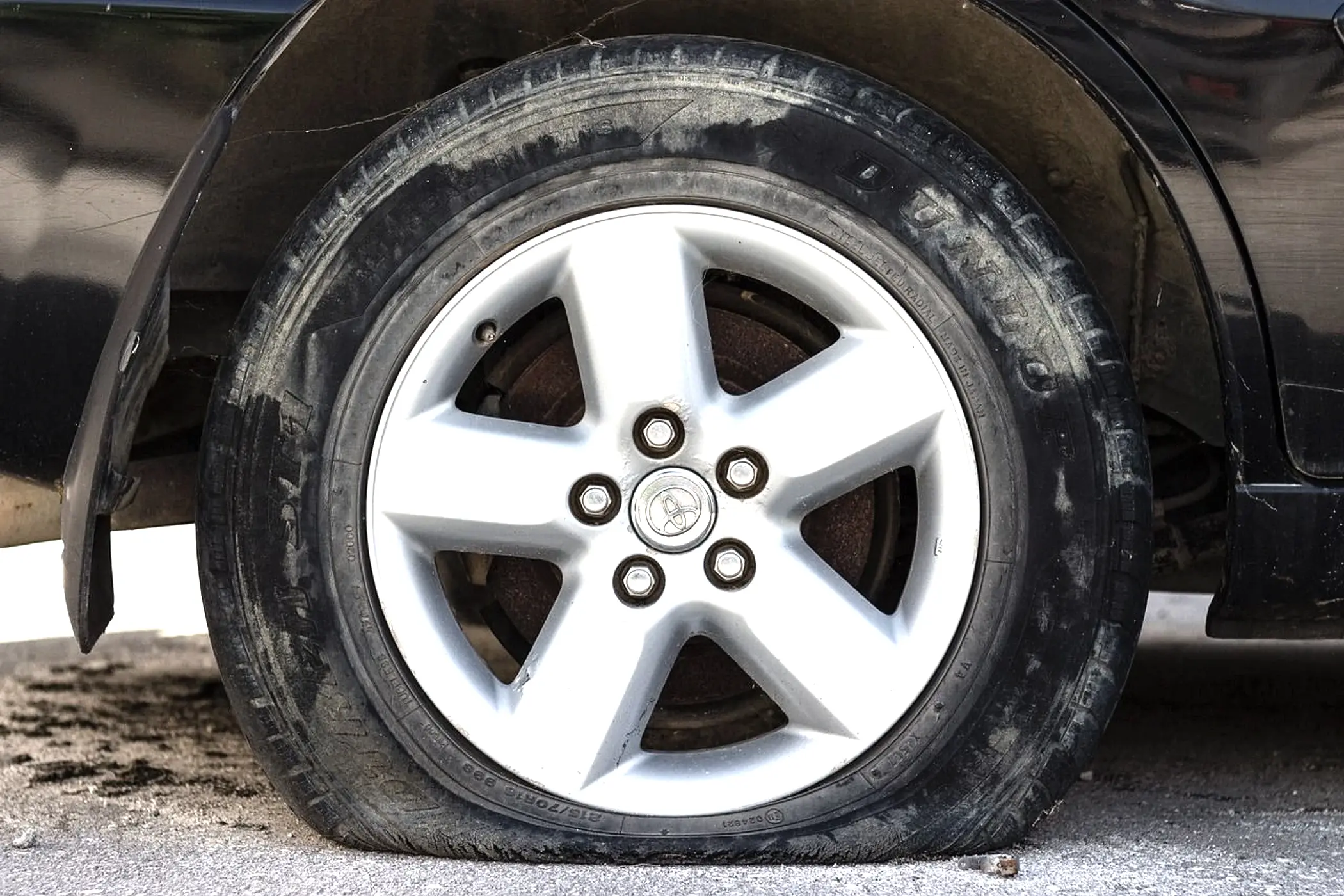
Flat Repair
If you have picked up a puncture, whether the tire is flat now or just losing pressure over a few days, bring it in and we will find the leak and tell you honestly whether it can be repaired or needs replacing.
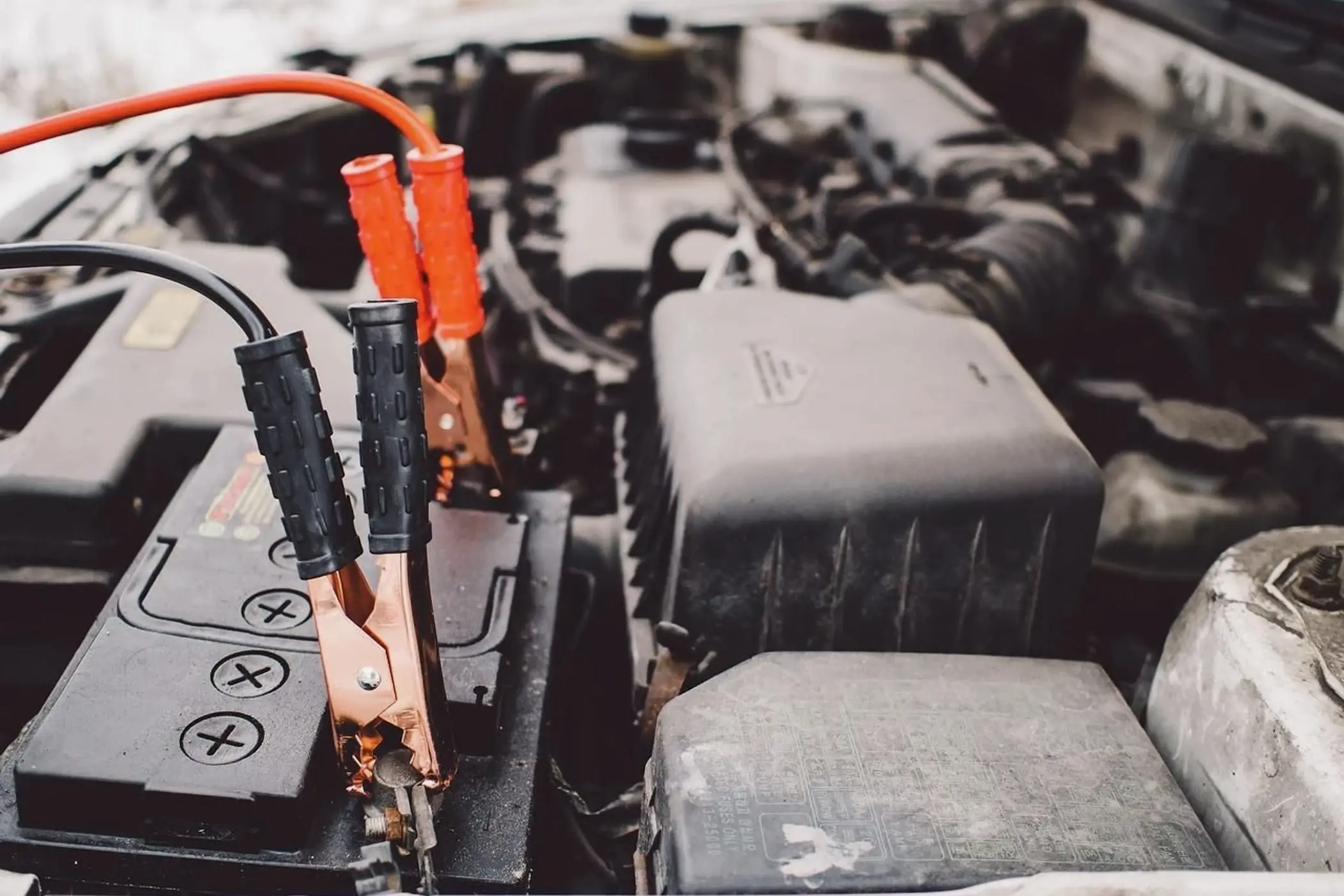
Battery Service
If your car cranks slowly, needs a jump, or the electrics behave oddly, the battery is the first thing to test, and it may not be the battery at all.
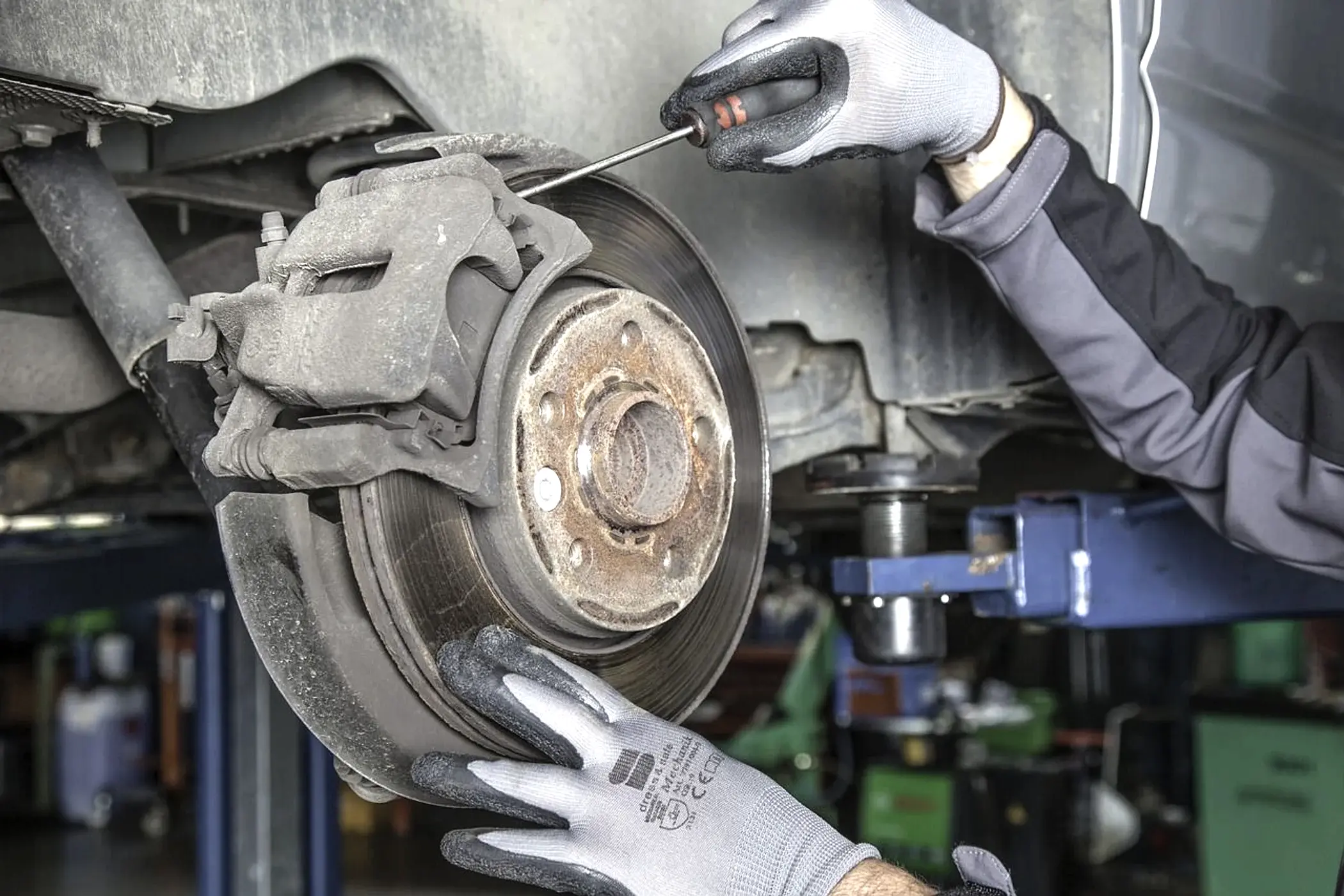
Brakes
If your brakes squeal, grind, pull to one side, or the pedal sinks further than it used to, have them inspected straight away rather than waiting to see if it settles.
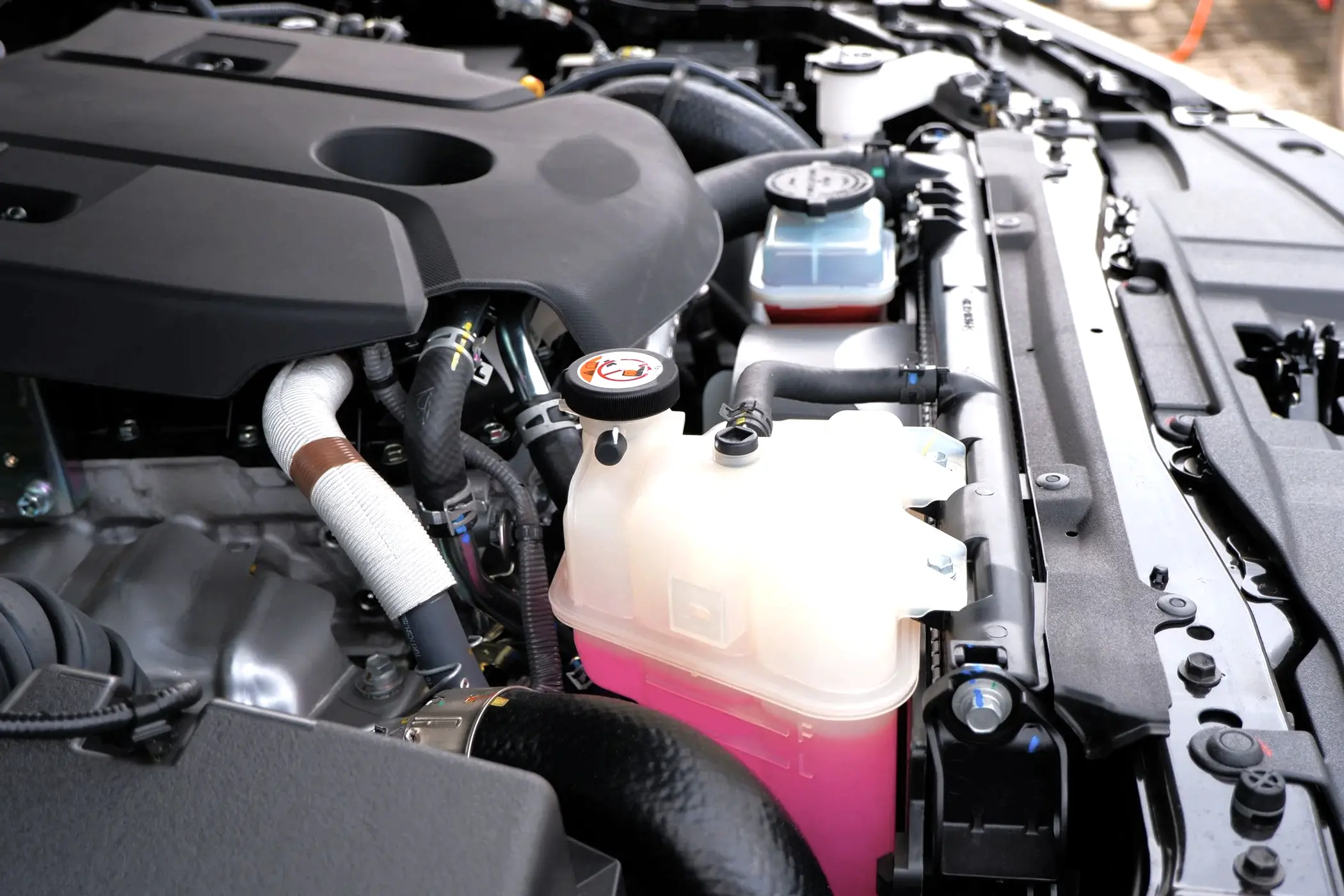
Cooling System
An engine that overheats even briefly can warp a cylinder head, so a cooling system problem is one of the few faults where continuing to drive genuinely makes it far more expensive.
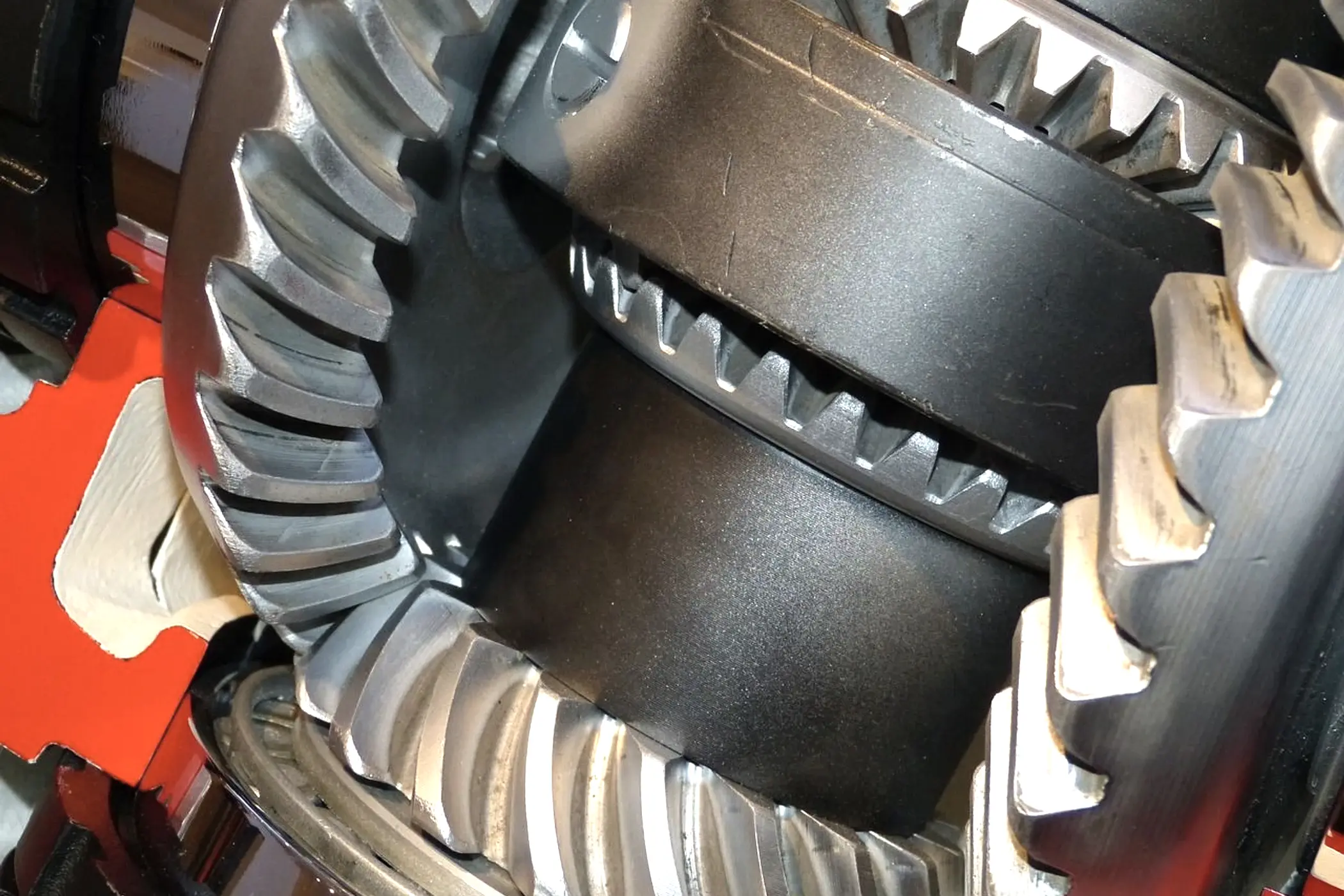
Transmission Service
Transmission problems almost always announce themselves gradually through slipping, harsh or delayed shifts and burnt fluid, and acting at that stage is the difference between a service and a rebuild.