Lift Kits in Redwood City: What Changes When You Go Up
A lift kit raises your truck or SUV to fit larger tires and gain ground clearance, and it changes the suspension geometry in the process, so it has to be aligned afterwards. Five Points Tire can supply the components, from coil springs to shock absorbers, and set the alignment so the vehicle handles properly once it is up.

Lift kits at Five Points Tire, in short
Five Points Tire supplies and fits lift kit components in Redwood City, from coil springs to shock absorbers, and sets the alignment afterwards so the truck handles properly at its new ride height. Changing ride height moves the suspension geometry, so the alignment is part of the job rather than an optional extra.
A lift kit is one of the few modifications that changes how a vehicle behaves in every situation, not just off road.
That's not an argument against it. It's an argument for going in knowing what changes.
Leveling kit or full lift?
A leveling kit raises only the front of the truck to match the rear. A full suspension lift raises the whole vehicle, and it touches far more of the suspension.
Most trucks leave the factory with the nose sitting lower than the tail, so there's room for a load without the back squatting. Leveling that out is mostly a stance change, and it gains you a modest amount of tire clearance.
Real ground clearance comes from the full lift, and so does most of the extra work on this page.
The alignment is part of the job, not an extra. Suspension geometry is designed around a particular ride height. Move away from it and the alignment angles move too. A lifted truck that has never been aligned shows it in the tire wear first, usually within a few thousand miles.
Signs you need a lift kit
- You want to fit larger tires than the vehicle will currently clear
- You need more ground clearance for trails or rough access
- The truck sits nose down or squats under load
- Your existing lift has never been aligned and the tires are wearing unevenly
- You are towing or carrying weight and the rear sags
How the two options compare
| Leveling kit | Full suspension lift | |
|---|---|---|
| What it does | Raises the front to match the factory rear | Raises the whole vehicle |
| Clearance gained | Minimal | Real, and the point of the exercise |
| Suspension touched | Front only, limited | Front and rear, extensive |
| Alignment after | Yes | Yes, and more of it |
| Tire size gain | Modest | Significant |
Which one you want depends on whether you are after clearance or stance.
What our team does for lift kits
- 01Supply the components the lift needs, from coil springs through to shock absorbers
- 02Set the alignment after the lift so the vehicle handles correctly at the new ride height
Why an alignment is part of every lift
Suspension geometry is designed around a particular ride height.
Move away from it and your alignment angles move too, particularly camber and caster. The vehicle will drive, and it'll wear tires at a rate that gets expensive fast.
A lifted truck that's never been aligned usually shows it in the tire wear within a few thousand miles, which is why we treat the alignment as part of the lift rather than an add-on.
What actually changes when you lift a truck
A higher center of gravity, longer stopping distances, changed steering feel, a speedometer that reads off, and on larger lifts, driveline angles and brake lines that need addressing.
- Higher center of gravity: More body roll in corners, and different weight transfer under braking.
- Longer stopping distances: Especially with heavier wheels and tires added on top.
- Changed steering feel: Caster shifts, and self-centering usually goes with it.
- Speedometer error: Bigger tires mean a bigger rolling diameter unless you correct for it.
- Driveline angles: On larger lifts this needs addressing, or you get vibration.
- Brake line length: Full droop can stretch a line that was fine at stock height.
Want it checked? Describe what the car is doing and Five Points Tire will tell you whether it needs a lift kit or something else. Call 650-365-0280, or send the form and someone calls you back. Request an appointment
Tires, gearing and the speedometer
Most people lift a truck in order to fit bigger tires, and bigger tires change your effective gearing.
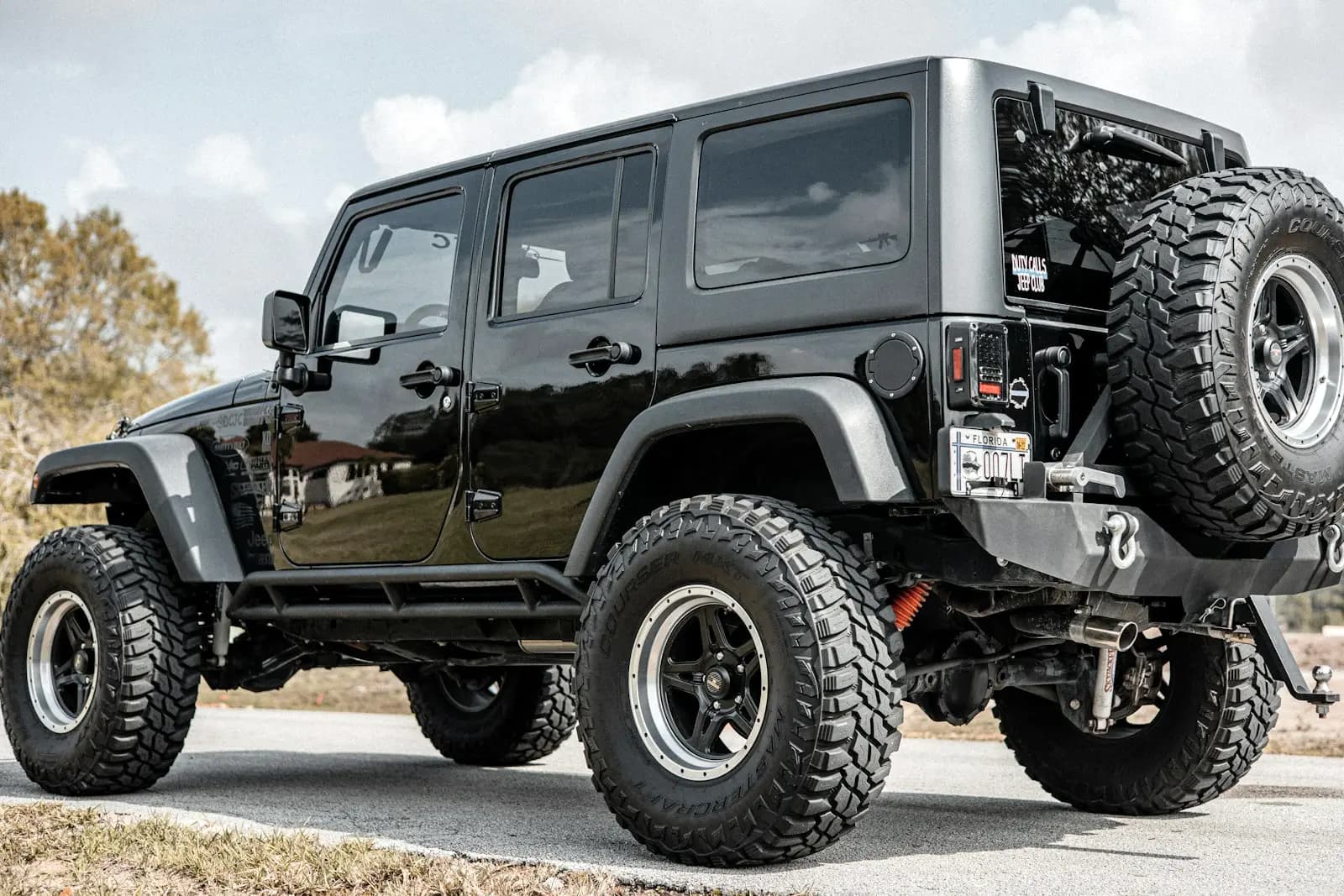
The engine has to turn more to move the same distance, so acceleration softens and fuel economy usually drops. Your speedometer reads low, which matters more than it sounds when the reading is what a ticket is based on.
It's all correctable, and it's much easier to plan for as part of the build than to discover on the drive home.
Common lift kit mistakes to avoid
- Skipping the alignment. The fastest way to destroy a new set of expensive tires.
- Ignoring driveline angles on a bigger lift. Produces a vibration that no amount of wheel balancing will fix.
- Forgetting brake line length. A line that was fine at stock height can be stretched tight at full droop.
- Not correcting the speedometer. Bigger tires mean you're going faster than the dash says.
- Assuming the ride will be the same. Higher center of gravity, more roll, longer stops. It's a real trade.
The bottom line
Decide first whether you want stance or clearance, because that's the difference between a leveling kit and a full lift.
Then budget the alignment into the job rather than treating it as optional, and plan the tire size up front so the speedometer and gearing get sorted at the same time.
We supply the components, from coil springs through shock absorbers, and set the alignment afterwards.
A lift is a system change, not a part. It moves the suspension geometry, usually needs a wheel alignment afterward, and it is the point at which custom wheels and tire size have to be worked out together.
Call Five Points Tire on 650-365-0280 and tell us what you're trying to achieve. The right kit depends on what you actually do with the vehicle, not on how it looks parked.
Thinking about new wheels? Start with fitment: offset, load rating and brake clearance. Find wheels for my vehicle
Need new tires? Tell us your vehicle or tire size and we'll come back with options and pricing. Find tires for my vehicle
Do I need an alignment after fitting a lift kit?
- Yes. Changing ride height changes suspension geometry, which moves your alignment angles away from where they should be. Skipping it is the fastest way to wear out a new set of tires and to make the steering feel vague.
What is the difference between a leveling kit and a lift kit?
- A leveling kit raises the front of a truck to sit level with a rear that is already higher from the factory, which is a small change. A full lift raises the entire vehicle for real ground clearance and involves considerably more of the suspension.
Will a lift kit affect how my truck drives?
- Yes. A higher center of gravity means more body roll and different weight transfer, and larger heavier tires change braking and acceleration. It is a normal trade for the clearance you gain, and a proper alignment afterwards is what keeps it feeling controlled.
Will bigger tires throw my speedometer off?
- If the overall rolling diameter increases, yes, and your odometer with it. It is worth working out the finished tire size before ordering, so any correction needed is part of the plan. Five Points Tire can recalibrate the speedometer where the vehicle allows it, and will tell you when it does not.
Related services
Custom Wheels
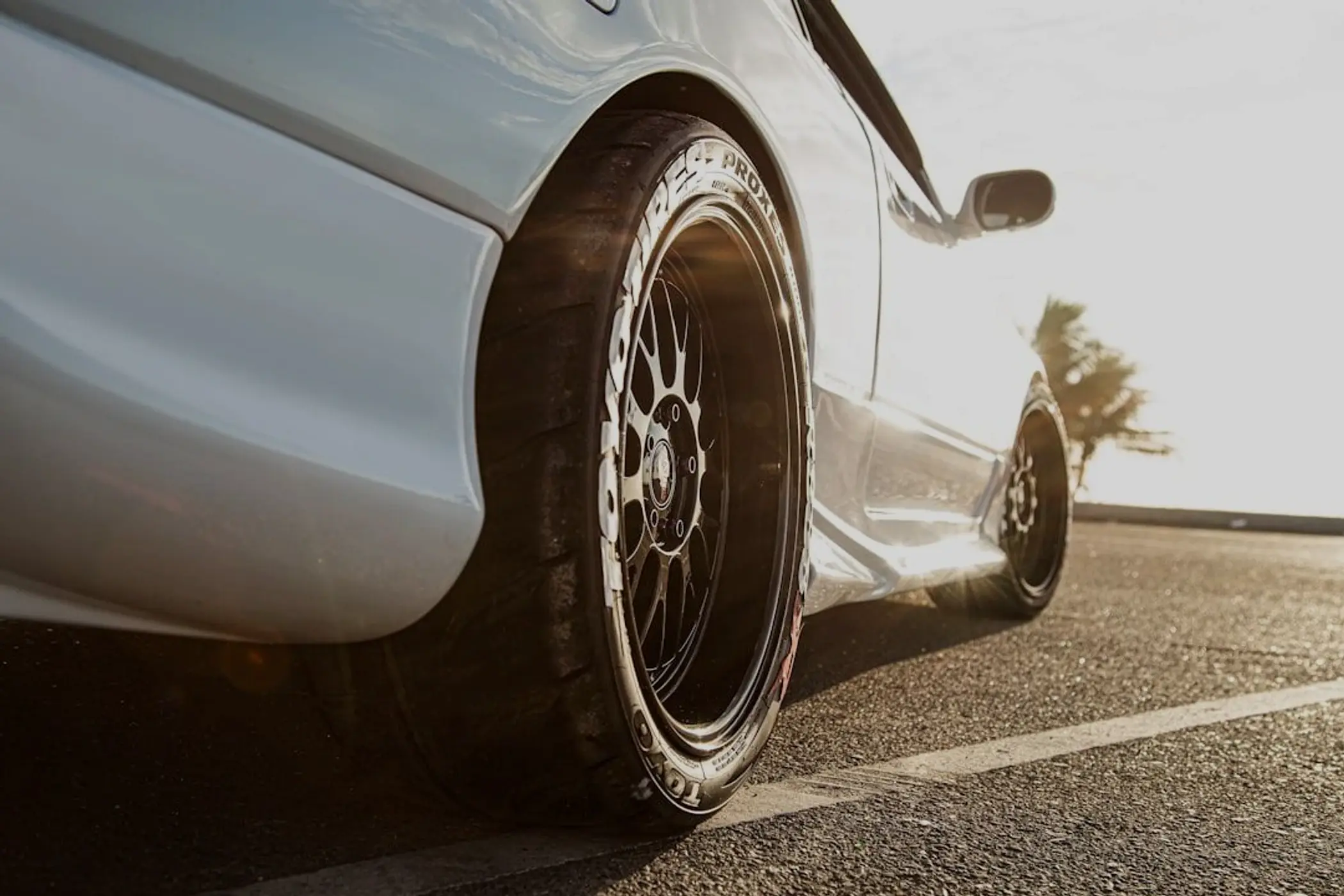
New wheels have to match your vehicle on bolt pattern, offset, load rating and brake clearance before the look matters at all.
Suspension Services
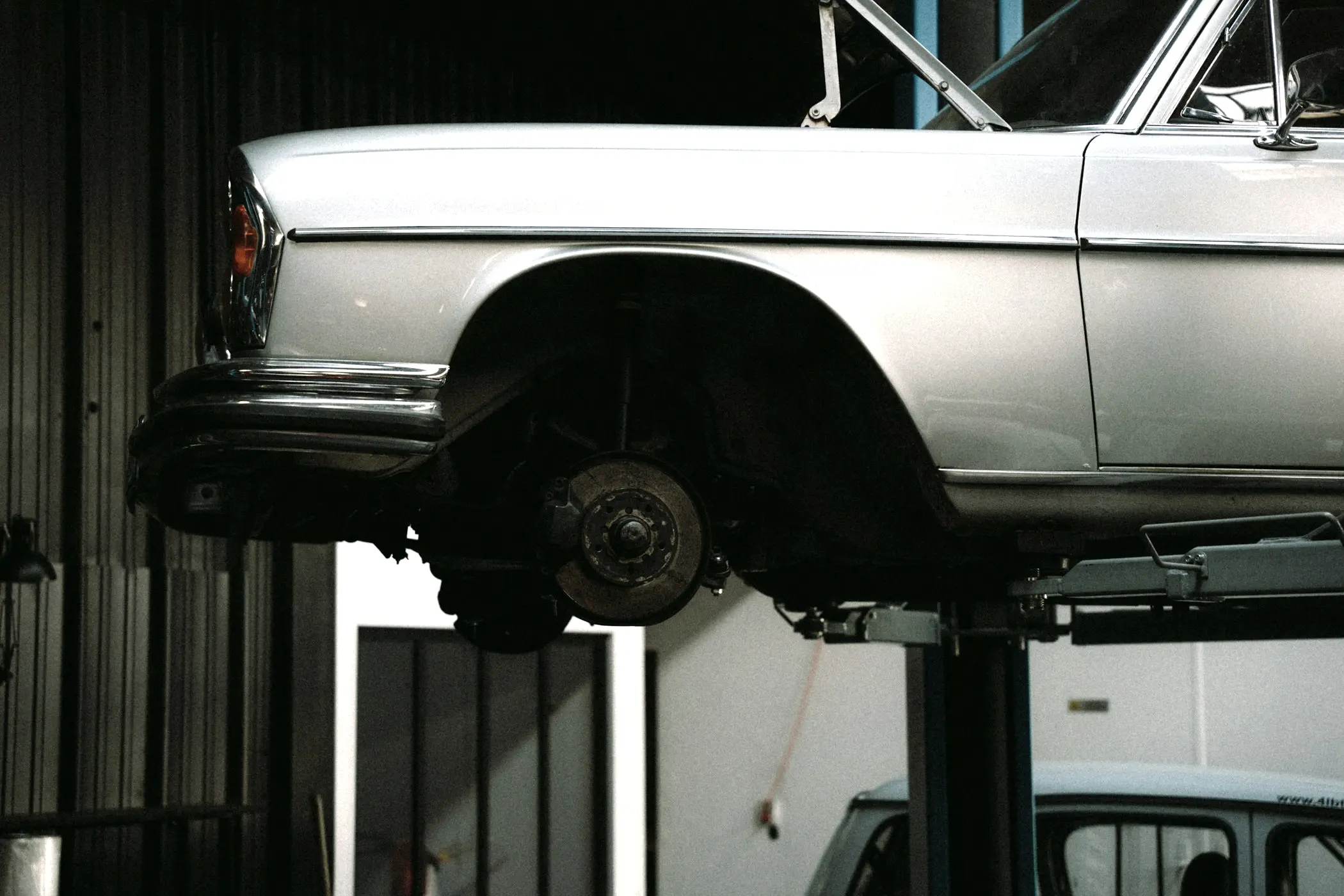
Your suspension keeps the tires in contact with the road and absorbs what the road throws at the car, so when parts of it wear you lose ride quality, steering precision and grip together.
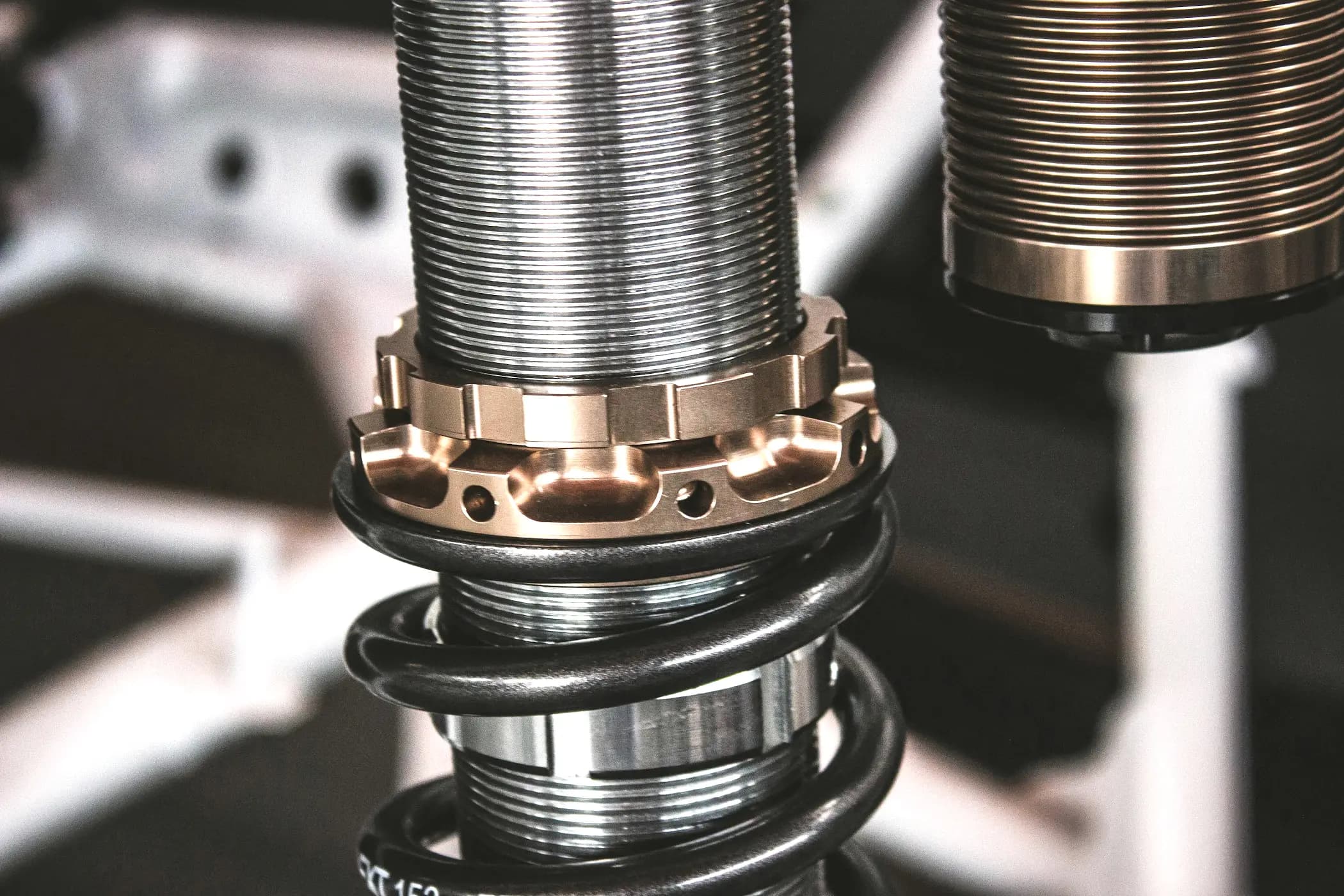
Shocks & Struts
Shocks and struts stop your springs from bouncing, and because they fade gradually rather than failing outright, most people do not realize how far gone theirs are until they drive a car with fresh ones.
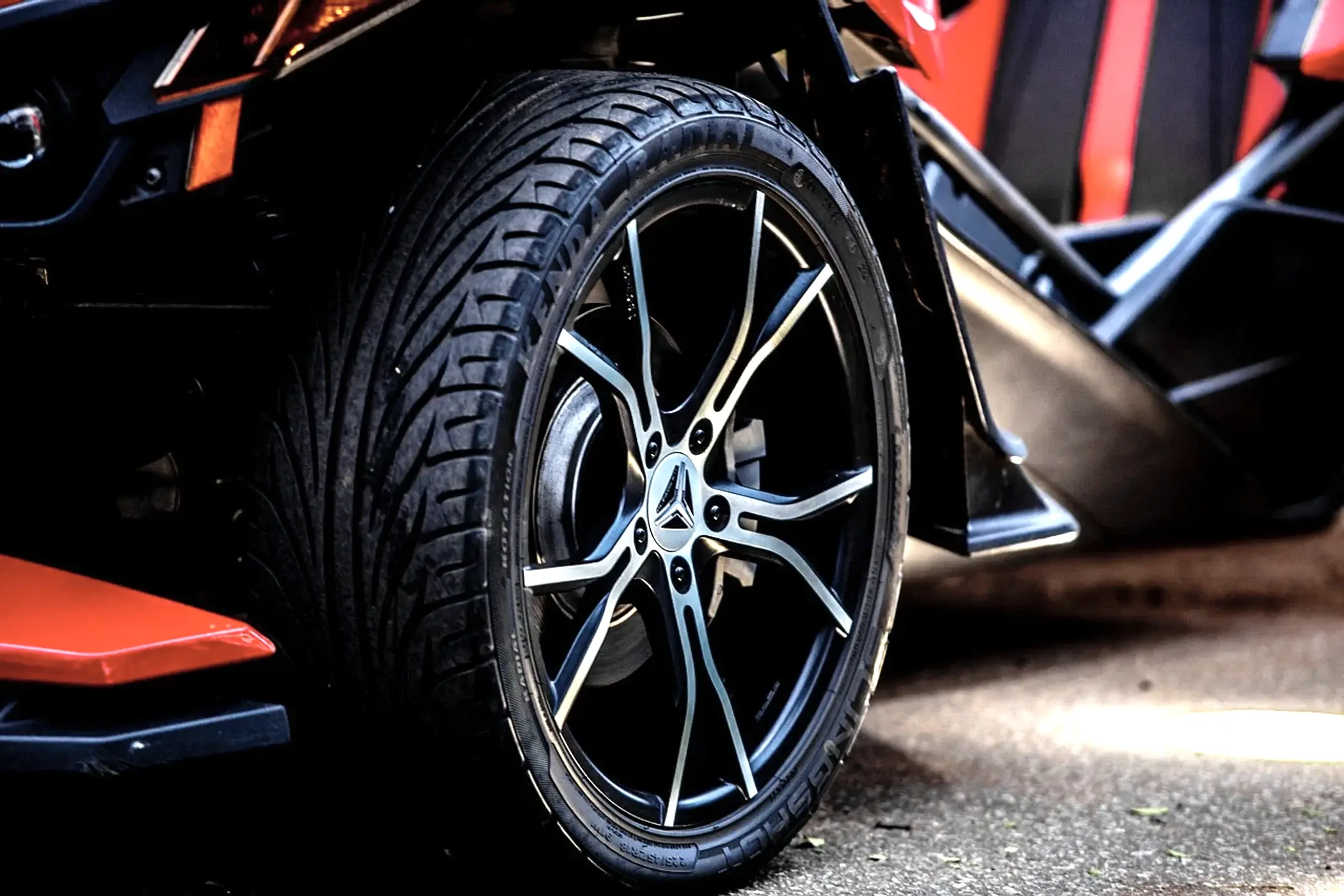
Wheel Alignment
If your car pulls to one side, the steering wheel sits off center when you are going straight, or your tires are wearing on one edge, the alignment is out.
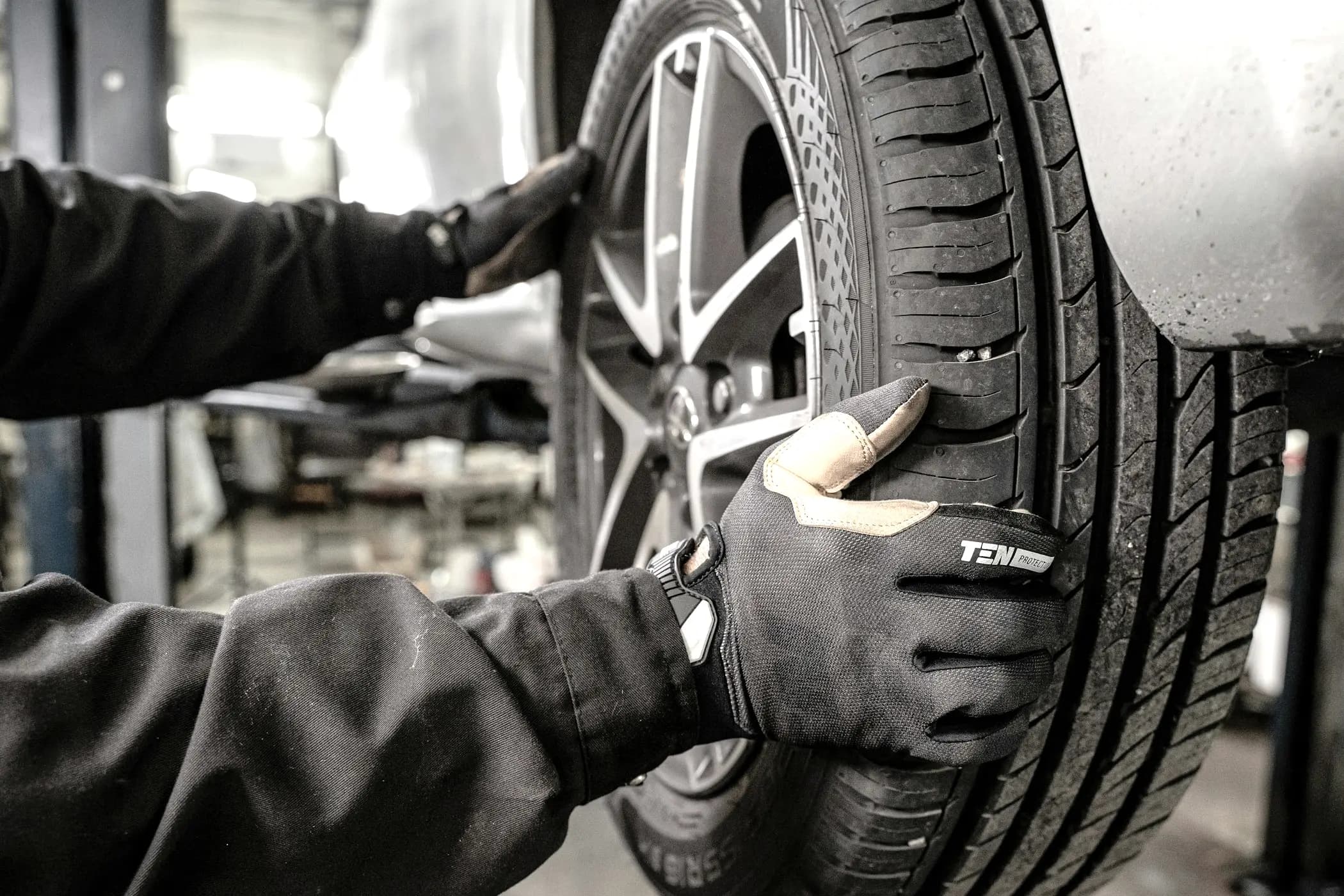
Tire Installation
New tires need to be mounted to the wheel, balanced, and fitted with the pressures and TPMS reset set correctly, or they will wear unevenly from the first mile.
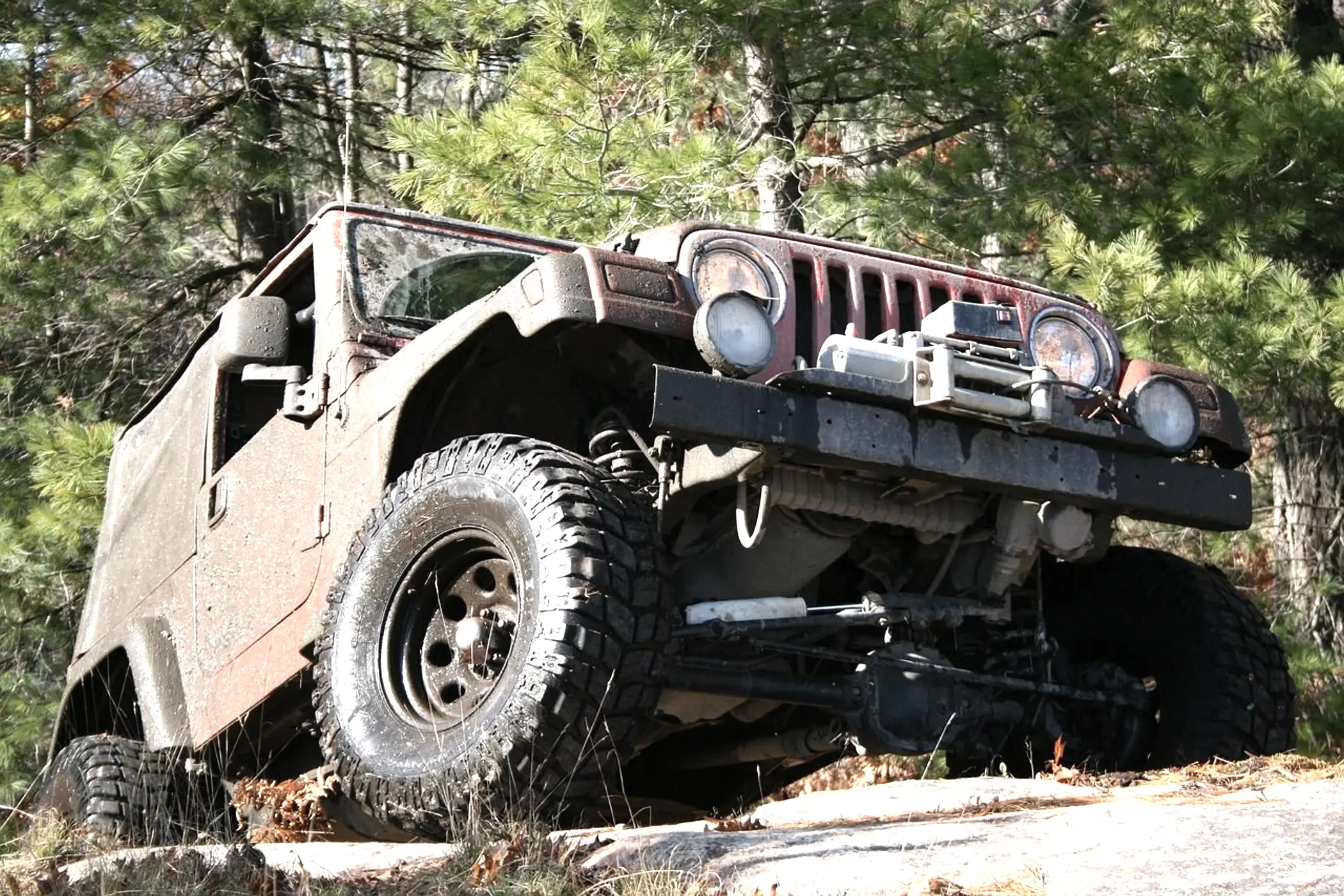
Four Wheel Drive
Four-wheel drive adds a transfer case and a second driven axle, which means more components to service and more ways for the system to fail to engage.