Headlight Repair in Redwood City: Dim, Cloudy or Out
A headlight that has failed, or a lens so clouded it is throwing away most of its light, is both a safety problem and something you can be pulled over for. Five Points Tire repairs and replaces headlamps in LED, halogen and xenon, fits aftermarket units, and can clean and buff clouded lenses back to clear.
Headlight work at Five Points Tire, in short
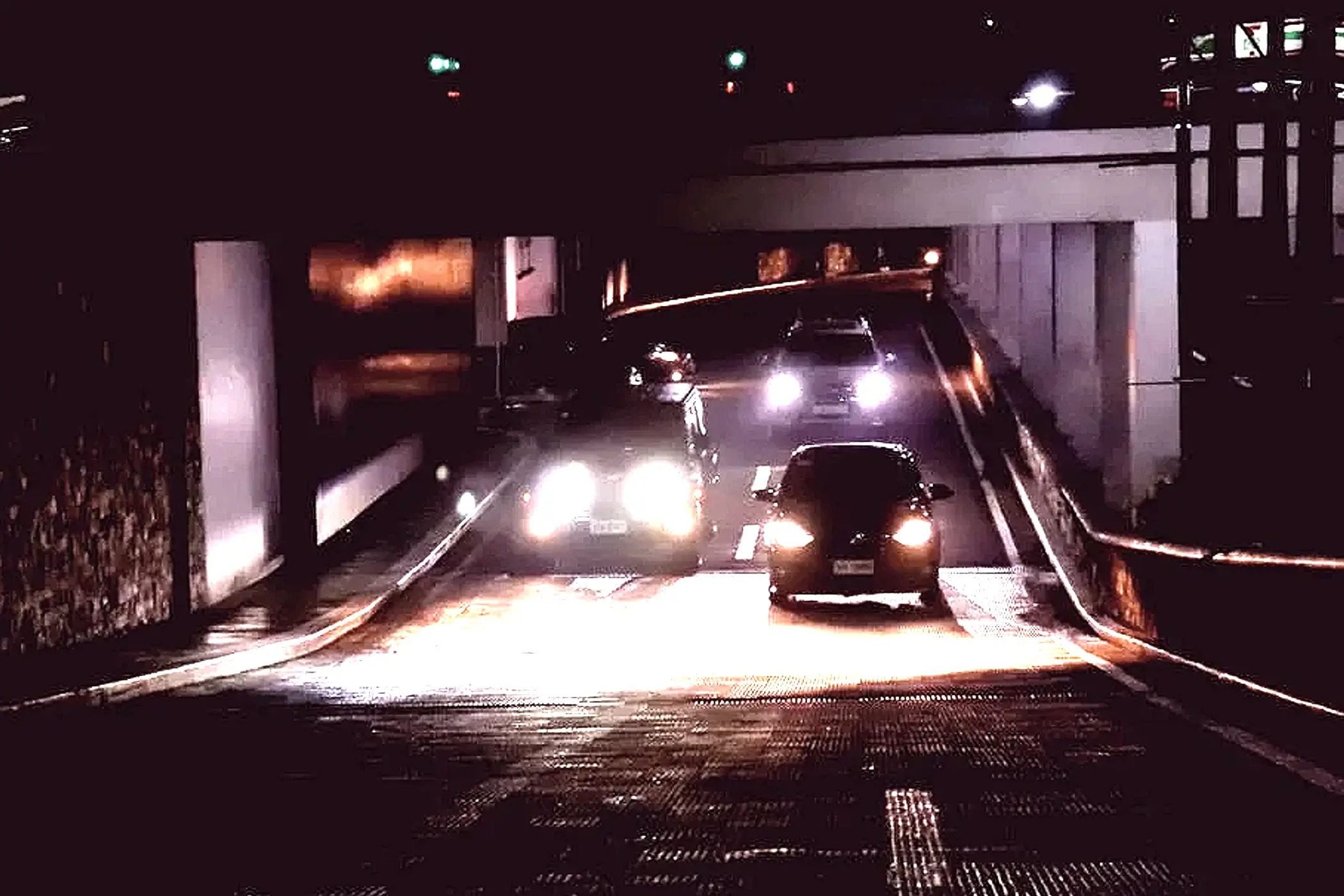
Five Points Tire repairs and replaces headlights in Redwood City in LED, halogen and xenon, fits aftermarket units, and cleans and buffs clouded lenses back to clear. A hazed lens can throw away much of its output while still looking like it works, so restoring it is often the cheapest real safety improvement available on an older car.
Most people replace headlights when one stops working. That's the obvious failure.
The one that actually costs you visibility happens gradually, on both sides at once, and never triggers anything.
The lenses go cloudy, and you adapt to it without noticing.
Cloudy lenses are the underrated problem
Headlight lenses are polycarbonate, and years of sunlight breaks down the surface. They yellow, they haze, and they start scattering light instead of projecting it down the road.
The lamp still lights up, so nothing feels broken. But a badly hazed lens can be throwing away a large share of its output, and because it happened over years you never noticed the change.
Buffing and restoring them is often the cheapest genuine safety improvement available on an older car, and the difference on an unlit road at night is significant.
Buffing the lenses is often the cheapest safety upgrade there is. A badly hazed lens can throw away a large share of its output while looking, from the driver's seat, like it is working perfectly. Restoring clarity costs far less than replacing the units and the difference at night is significant.
Signs you need headlight work
- One headlight is out, or noticeably dimmer than the other
- The lenses have gone yellow, cloudy or hazy
- A bulb keeps failing shortly after replacement
- The beam pattern is uneven, or points too low or too high
- Flickering, or a light that cuts out over bumps
- Condensation inside the headlight unit
- A cracked or damaged lens
Headlight faults and what causes them
| Problem | Usual cause | How urgent |
|---|---|---|
| Both lights dim and yellowed | Hazed polycarbonate lenses | Soon |
| One light out | Failed bulb, or the connector | Soon |
| Bulb keeps failing | Vibration, moisture, poor earth, or bare-finger handling | Book it in |
| Beam points too high or low | Aim out of adjustment | Soon |
| Flickering over bumps | Loose connector or failing earth | Soon |
| Water inside the housing | Failed seal | Book it in |
A hazed lens is the most common and the most overlooked.
What our team does for headlight work
- 01Repair or replace the headlamp
- 02Fit LED, halogen or xenon headlight replacements
- 03Install aftermarket headlights with higher output where you want them
- 04Clean and buff clouded lenses to restore clarity
- 05Restore the headlight with a dedicated kit where the damage is minor
- 06Inspect the lighting circuits where the fault is electrical
Why a headlight bulb keeps burning out
If you're replacing the same bulb every few months, the bulb isn't the problem.
Repeated failures usually trace to one of these:
- Vibration: A loose housing or a failing mount shakes the filament apart.
- Moisture in the unit: A failed seal lets water in, and the thermal shock kills bulbs.
- A poor ground: Corroded ground connections cause voltage irregularities.
- Charging system problems: Overvoltage from a failing regulator cooks bulbs quickly.
- Handling with bare fingers: Skin oil on halogen glass creates a hot spot that fails early.
Aim matters as much as brightness
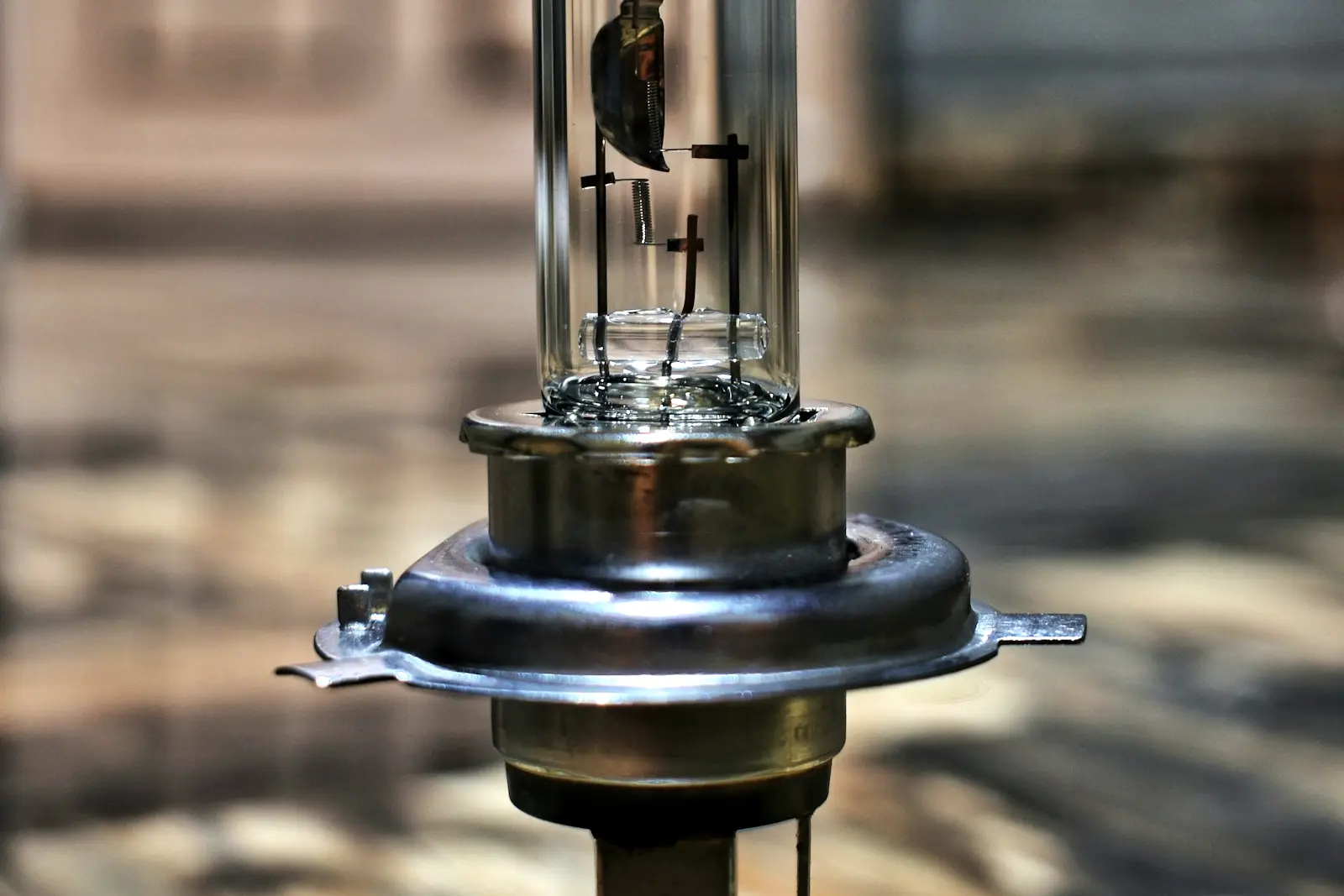
A correctly aimed standard headlight lights the road better than a brighter one pointed wrong.
Aimed too low and you're lighting fifteen feet of asphalt. Too high and you're lighting the trees and dazzling everyone coming the other way, which also means their reaction to you is worse.
Aim shifts over time from suspension settling, a knock to the front of the car, or simply a replacement unit that was never set. It's worth checking whenever a headlight is replaced.
Want it checked? Describe what the car is doing and Five Points Tire will tell you whether it needs headlight work or something else. Call 650-365-0280, or send the form and someone calls you back. Request an appointment
Water inside the headlight housing
A little misting on a cold damp morning that clears as the lamp warms up is normal and not worth worrying about.
Standing water, or fogging that never clears, means the seal has failed.
Left alone that corrodes the reflector coating, which is what actually directs your light, and corrodes the electrical connections behind it. Both are more expensive than resealing.
Why LED bulbs in halogen housings go wrong
An LED bulb dropped into a halogen housing scatters light, dazzles oncoming drivers, and usually gives you a worse beam than the halogen it replaced.
A halogen reflector housing is engineered around the exact size, shape and position of a halogen filament. Every curve in that reflector assumes light originates from that precise point.
Move the light source and the reflector scatters it. It looks brighter from outside the car, and it's usually worse from inside it.
There are ways to do it properly, and it's worth having the conversation before buying anything.
| Type | How it works | Worth knowing |
|---|---|---|
| Halogen | Filament in a gas-filled bulb | Cheap, warm light, shortest life |
| HID or xenon | Arc between two electrodes | Very bright, needs a ballast, warm-up delay |
| LED | Solid state emitter | Long life, instant on, needs the right housing |
The housing matters more than the bulb. Matching them is the whole job.
Common headlight mistakes to avoid
- Replacing units when the lenses just need restoring. Buffing hazed lenses costs a fraction and often recovers most of the output.
- Buying another bulb when one keeps failing. Repeated failure means vibration, moisture, a bad ground or a charging fault.
- Touching halogen glass with bare fingers. Skin oil creates a hot spot and the bulb fails early.
- Fitting LED bulbs into halogen reflectors. Brighter from outside, worse beam pattern from the driver's seat, and dazzling to oncoming traffic.
- Replacing only the bulb that failed. The other one is the same age and will follow shortly, and mismatched output looks odd.
- Ignoring aim after fitting new units. A correctly aimed standard light beats a brighter one pointed wrong.
The bottom line
If both your headlights look dim, look at the lenses before you look at the bulbs. That's the cheapest fix and usually the right one.
If one bulb keeps failing, stop buying bulbs and find out why.
And if you're thinking about LEDs, talk to us first about whether your housings will actually work with them.
Lighting and visibility go together. Wiper blades are the other half of seeing in the rain, dim lights are sometimes the charging system rather than the bulb, and lamps are one of the items a vehicle inspection checks.
Five Points Tire does headlight work at 2115 El Camino Real, including restoring clouded lenses rather than replacing a housing that is still good. Call 650-365-0280.
Why is my headlight so dim?
- Most often the lens has hazed and is scattering the light rather than projecting it. Halogen bulbs also dim gradually over their life, so a pair that has never been changed may be well down on output. Both are straightforward to sort.
Can cloudy headlights be restored?
- Usually, yes. We clean and buff the lenses to bring back clarity, and for minor damage a restoration kit does the job. It is a considerably cheaper route than replacing the whole unit, and the difference at night is significant.
Why does my headlight bulb keep burning out?
- Repeated failures usually point at something other than the bulb: vibration from a loose housing, moisture inside the unit, a poor earth or voltage irregularity, or the bulb having been touched with bare fingers during fitting. It is worth diagnosing rather than buying another bulb.
Can I upgrade to LED headlights?
- Often, but it needs doing properly. Simply putting LED bulbs into a housing built around a halogen filament typically produces glare and a poorer beam pattern. We can advise what will work on your vehicle and fit it so the beam is right.
Why is there water inside my headlight?
- The housing seal has failed. Light misting that clears as the lamp warms is normal, but standing water or persistent fogging will corrode the reflector and connections and should be dealt with. Five Points Tire will tell you whether a housing can be resealed or needs replacing, rather than defaulting to the expensive answer.
Related services
Wiper Blades
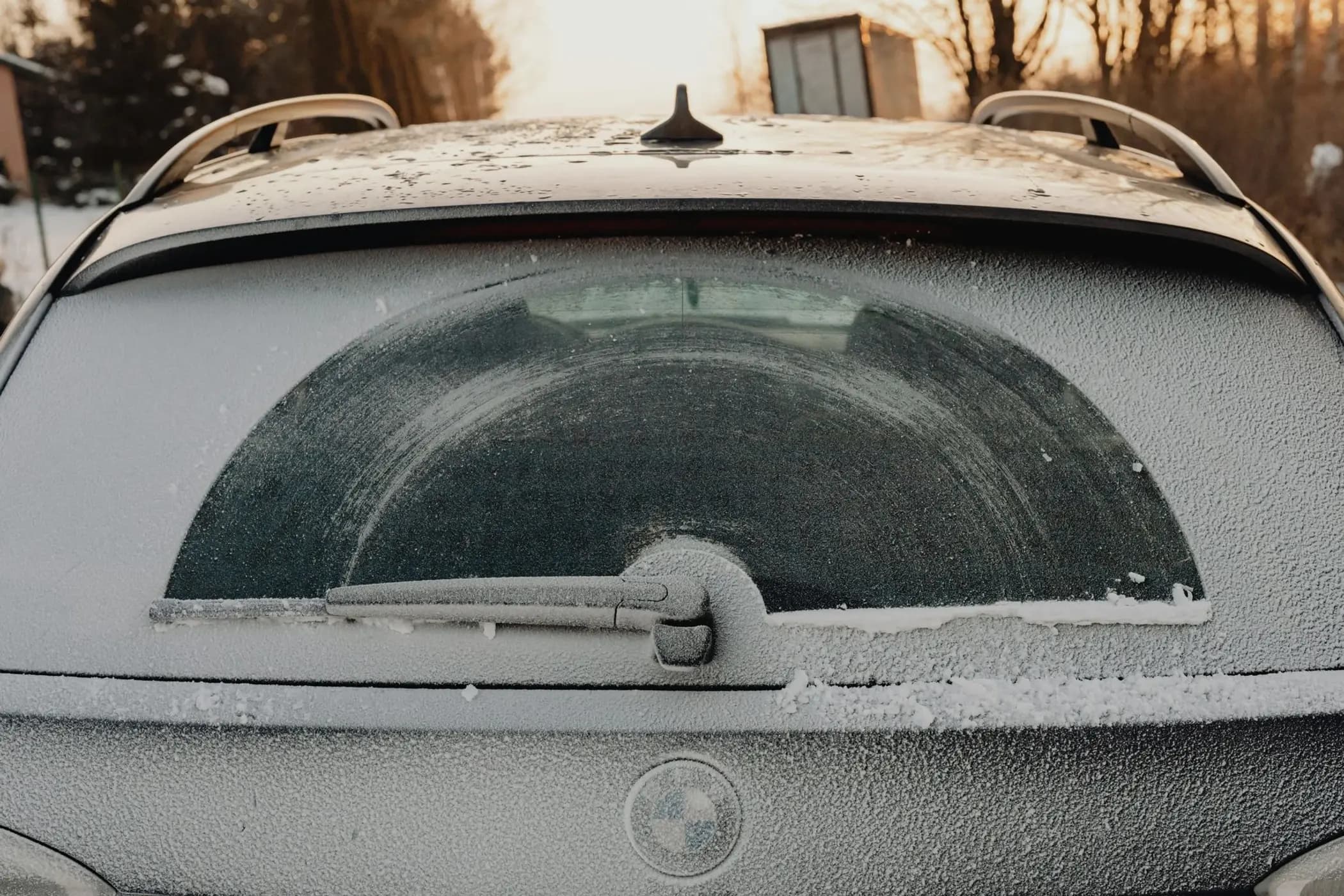
Wiper blades are rubber left out in the sun, so they harden and split whether you use them or not, and they usually fail right when the first serious rain arrives.
Battery Service
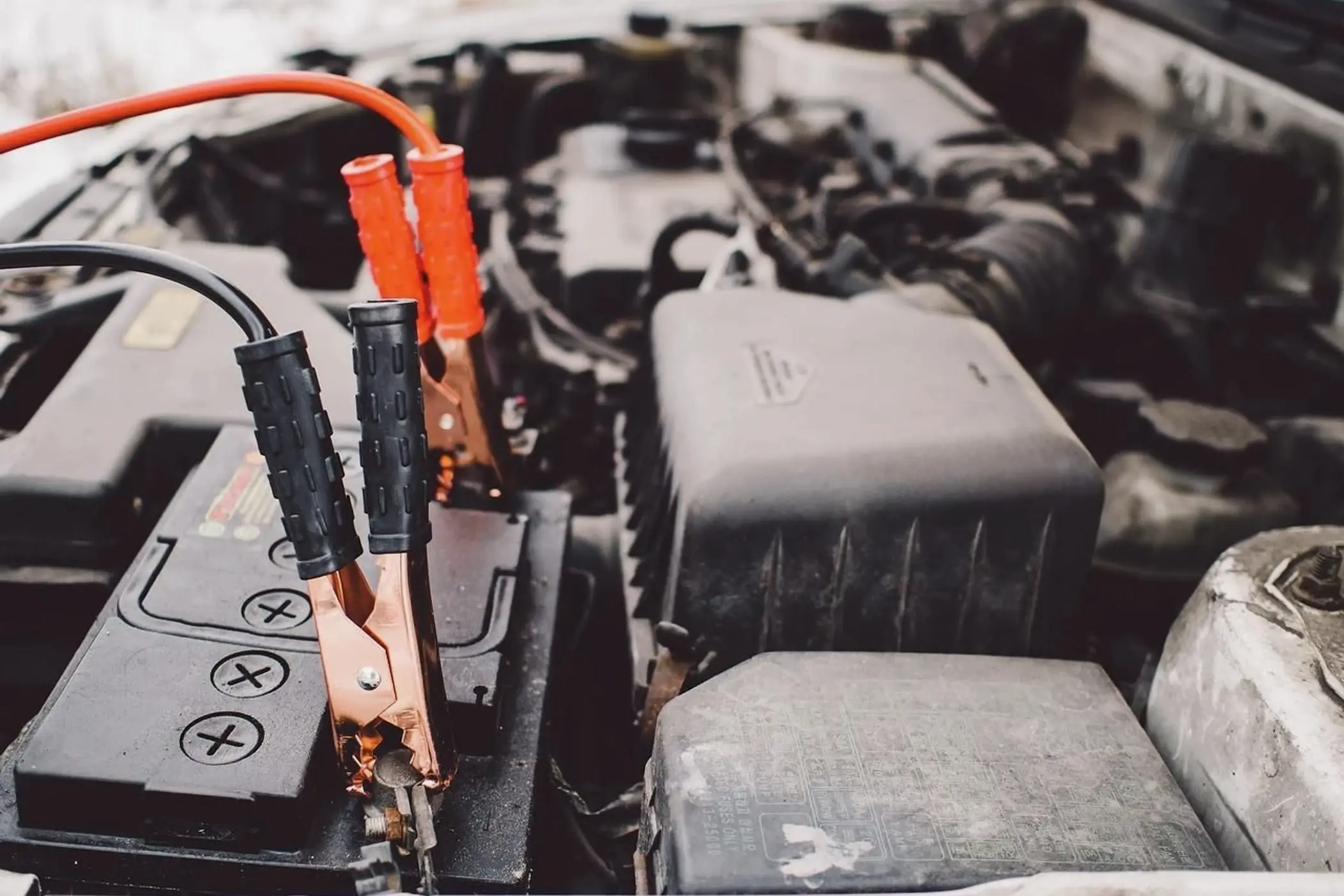
If your car cranks slowly, needs a jump, or the electrics behave oddly, the battery is the first thing to test, and it may not be the battery at all.
Vehicle Inspections
California does not require a periodic safety inspection, so a voluntary check is the only thing that catches brake, tire, steering and suspension wear before it becomes a failure.
State Inspection Rules
California does not have a periodic vehicle safety inspection, so there is no annual or biennial safety certificate to obtain here as in many other states.
Diagnostics
Modern vehicles record faults across dozens of electronic modules, and a proper diagnosis reads that data and then tests to confirm the cause rather than guessing from the code.
Preventative Maintenance
Preventative maintenance is servicing components on a schedule so they are replaced while they still work, rather than waiting for the failure and the damage that comes with it.