Cooling System Repair in Redwood City When the Gauge Climbs
An engine that overheats even briefly can warp a cylinder head, so a cooling system problem is one of the few faults where continuing to drive genuinely makes it far more expensive. Five Points Tire pressure tests the system to find hard-to-detect leaks, inspects the water pump and its components, and replaces a faulty thermostat.
Cooling system repair at Five Points Tire, in short
Five Points Tire pressure tests cooling systems in Redwood City to find leaks that are hard to detect otherwise, inspects the water pump and its components, and replaces a faulty thermostat. Overheating is one of the few faults where continuing to drive genuinely makes it far more expensive, because aluminum cylinder heads warp.
Overheating is the one gauge reading worth pulling over for, and most people don't.
The instinct is to press on to the next exit, or home, or just to somewhere more convenient. It's understandable and it's the single most expensive decision available to you in that moment.
Aluminum cylinder heads warp when they get too hot. The difference between stopping and continuing for another ten minutes is often the difference between a hose and an engine.
Why the system runs under pressure
Your cooling system is deliberately pressurized, usually to somewhere around 15 psi.
That's because raising the pressure raises the boiling point of the coolant well above 212 degrees, which lets the engine run at its designed temperature without the coolant flashing to steam.
It has a consequence people don't expect. A radiator cap that no longer holds pressure will cause overheating on a system where everything else is perfectly healthy.
It's one of the cheapest parts on the car and one of the most commonly overlooked.
It also means never opening the cap on a hot engine. The system is under pressure and it will spray scalding coolant.
Never open the cap on a hot system. The system is pressurised on purpose, which is what stops the coolant boiling at operating temperature. Opening it hot sprays scalding coolant. Let it cool.
Signs you need cooling system repair
- The temperature gauge reading higher than normal, or climbing in traffic
- Steam or a sweet smell from under the hood
- Coolant loss, or puddles of colored fluid under the car
- The heater blowing cold when the engine is warm
- The engine takes a long time to warm up, or never reaches temperature
- The cooling fan running constantly, or never running at all
- Gurgling from the dashboard area
Overheating symptoms and where to look
| What you notice | What it usually means | How urgent |
|---|---|---|
| Temperature climbs in traffic, fine on the freeway | Cooling fan not running | Urgent |
| Temperature climbs at speed under load | Blocked radiator or a failing pump | Urgent |
| Steam or a sweet smell under the hood | An active coolant leak | Stop driving |
| Heater blows cold when the engine is warm | Low coolant or air in the system | Soon |
| Engine never reaches temperature | Thermostat stuck open | Book it in |
| Coolant loss with no puddle | A leak evaporating off hot metal, or an internal loss | Urgent |
| Gurgling from the dashboard | Air trapped in the heater circuit | Soon |
Overheating is the one dashboard reading worth pulling over for.
What our team does for cooling system repair
- 01Pressure test the system to identify leaks that are hard to detect otherwise
- 02Inspect the water pump and its components
- 03Replace a faulty thermostat to prevent overheating
- 04Check and replace radiator hoses and the cap where needed
What to do when the gauge climbs
Turn the AC off, turn the heater on full, and find a safe place to stop. The heater core is a second radiator, and running it hot buys you real time.
If your temperature gauge starts rising:
- Turn the AC off. It adds heat load at the front of the car.
- Turn the heater on full. Counterintuitive, but the heater core is a second radiator. It buys you real time.
- Pull over safely and switch off. Idling with no airflow makes it worse, not better.
- Don't open the cap. Pressurized and scalding. Let it cool completely.
- Look underneath. A puddle tells you a lot before anyone opens the hood.
- Call rather than continue. This is the fault where the next ten miles decides the repair bill.
Overheating in traffic but not on the freeway
Overheating in traffic but staying cool on the freeway points at the cooling fan, or at something blocking the front of the radiator.
At speed, air is forced through the radiator whether or not anything is working. At a standstill, the only airflow is what the cooling fan provides.
The reverse pattern points elsewhere. Cool in traffic and hot under sustained load usually means restricted flow, a blocked radiator core or a failing water pump.
Thermostats fail both ways
A thermostat is just a valve that stays shut until the engine reaches operating temperature, then opens to let coolant reach the radiator.
Stuck closed, coolant never reaches the radiator and the temperature climbs fast. That's the dramatic failure.
Stuck open, coolant circulates constantly and the engine never properly warms up. The heater blows lukewarm, fuel economy drops, and the temperature gauge sits low.
That second one rarely gets reported, because nothing feels broken. It's still costing you fuel and putting extra wear on a cold-running engine.
The cheapest part can cause the worst symptom. A radiator cap that no longer holds pressure will cause overheating on a system where everything else is perfectly healthy. It is one of the least expensive parts on the car and one of the most commonly overlooked.
Want it checked? Describe what the car is doing and Five Points Tire will tell you whether it needs cooling system repair or something else. Call 650-365-0280, or send the form and someone calls you back. Request an appointment
Why cooling leaks are often invisible
A pinhole in a hose or a weeping water pump seal can spray a fine mist onto hot metal, where it evaporates before it ever reaches the ground.
So you lose coolant steadily, top it up repeatedly, and never find a puddle to point at.
A pressure test holds the system at working pressure with the engine cold, which makes those leaks show themselves. It's the fastest way to find something that has no visible symptom.
Coolant can also be lost internally, into the combustion chamber or the oil, and that's the more serious version. Milky oil or sweet-smelling exhaust steam are the signs.
| Symptom | Likely cause | How urgent |
|---|---|---|
| Climbs in traffic, fine at speed | Cooling fan not running | Urgent |
| Climbs at speed under load | Blocked radiator or failing pump | Urgent |
| Steam or sweet smell | Active leak | Stop driving |
| Heater blows cold when warm | Low coolant or air in the system | Soon |
| Never reaches temperature | Thermostat stuck open | Book it in |
| Losing coolant, no puddle | Evaporating leak, or internal loss | Urgent |
| Gurgling behind the dash | Air trapped in the heater circuit | Soon |
A cold heater is a cooling system symptom, not a comfort complaint.
A cold heater is a cooling symptom
Your heater core is fed from the same loop as everything else, and it sits high in the system.
That means it's the first thing to lose flow when coolant is low or when air is trapped in the circuit.
So if your heater has gone lukewarm and the engine is definitely warming up, don't treat that as a heater fault. Check the coolant level first.
Common overheating mistakes to avoid
- Driving on to somewhere more convenient. This is the fault where the next ten minutes genuinely decides whether it's a hose or an engine.
- Opening the radiator cap while hot. The system is pressurized. It will spray scalding coolant.
- Topping up coolant repeatedly without finding the leak. Sealed systems don't consume coolant. If you're adding it, it's going somewhere.
- Ignoring a lukewarm heater. The heater core sits high in the system, so it loses flow first. It's an early warning.
- Replacing the thermostat without pressure testing. It's a common cause and a cheap part, which makes it a tempting guess rather than a diagnosis.
- Overlooking the radiator cap. It's a pressure component. A failed one causes overheating with nothing else wrong.
The bottom line
If the gauge climbs, AC off, heater on full, pull over, switch off. In that order.
Then note the pattern before you call. Traffic or freeway, sudden or gradual, with steam or without. That's most of the diagnosis.
We pressure test to find leaks that don't show themselves, and check the pump, thermostat, hoses and cap rather than guessing at the cheapest part first.
Call Five Points Tire on 650-365-0280. If it's overheating now, call before you drive it here, because free pickup on our own flatbed costs less than a head gasket.
Cooling system repair questions we get asked
Question not on the list? Ask us directly.
What should I do if my car overheats?
- Pull over safely and switch the engine off as soon as you can. Do not open the radiator cap while it is hot, because the system is pressurised and will spray scalding coolant. Continuing to drive is what turns a cheap repair into an expensive one.
Why does my car overheat in traffic but not on the freeway?
- That pattern points at the cooling fan. At speed there is enough air passing through the radiator to cool it regardless, but at a standstill the fan is the only airflow. If it is not running, the temperature climbs whenever you stop.
What does a thermostat do, and how do I know if mine is bad?
- It regulates coolant flow so the engine warms quickly and then holds temperature. Stuck closed causes rapid overheating. Stuck open means the engine never gets properly warm, the heater is lukewarm and economy drops.
Why is my heater blowing cold air?
- Usually low coolant or air trapped in the system, because the heater core sits high in the loop and loses flow first. It can also be a stuck-open thermostat or a blocked heater core. It is worth treating as a cooling system check rather than a heater fault. Five Points Tire checks thermostat, coolant level and heater core together, because cold heat is a symptom of all three.
Related services
Radiator Service
The radiator is where your engine's heat actually leaves the car, and it fails by corroding internally, blocking, or leaking at its seams and plastic end tanks.
Coolant and Antifreeze
Coolant does more than stop freezing, it raises the boiling point and carries corrosion inhibitors that protect the metal inside your engine, and they wear out long before the fluid looks bad.
Water Pump Service
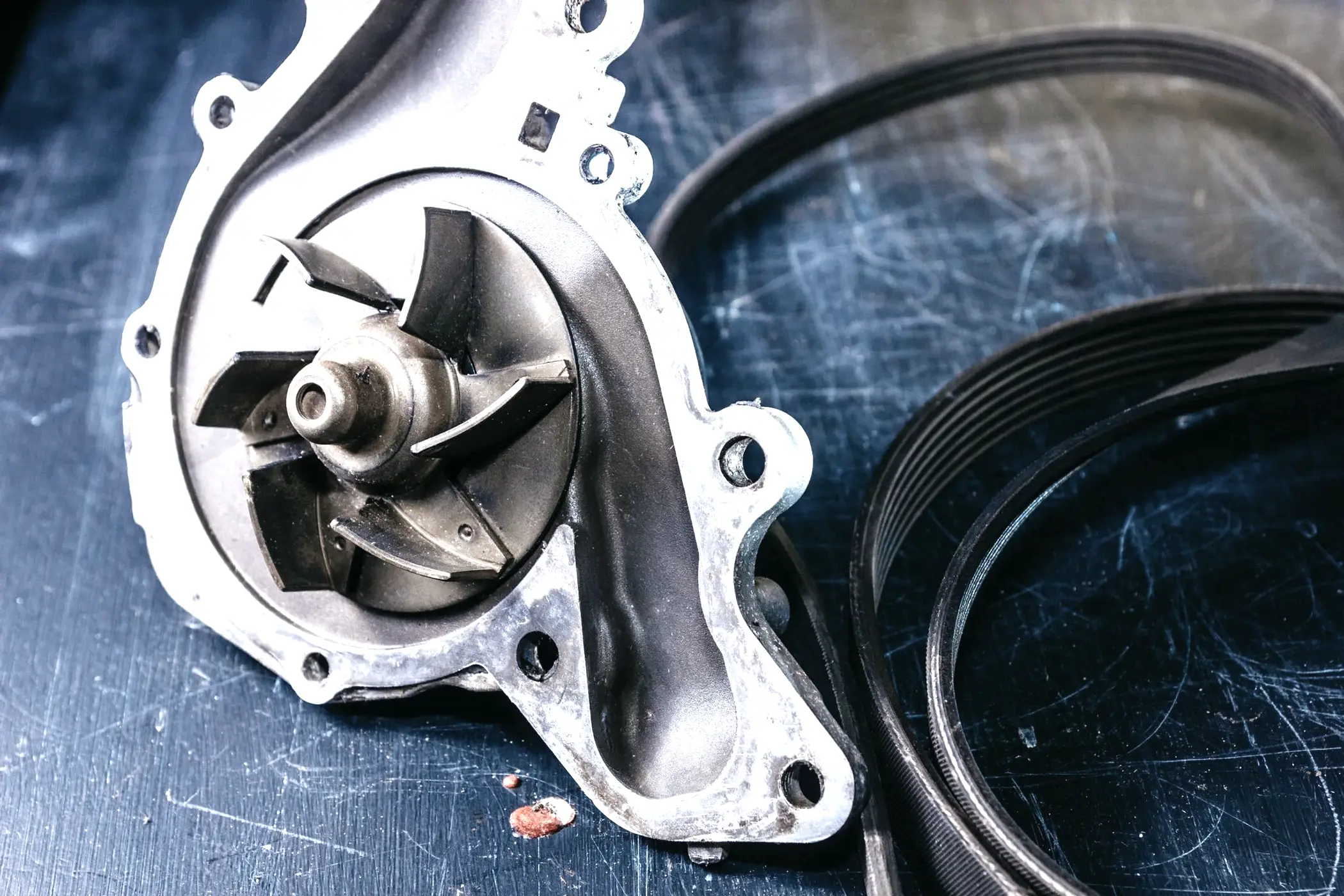
The water pump circulates coolant through the engine, and when it fails, coolant stops moving and the engine overheats within minutes no matter how full the system is.
Belts and Hoses
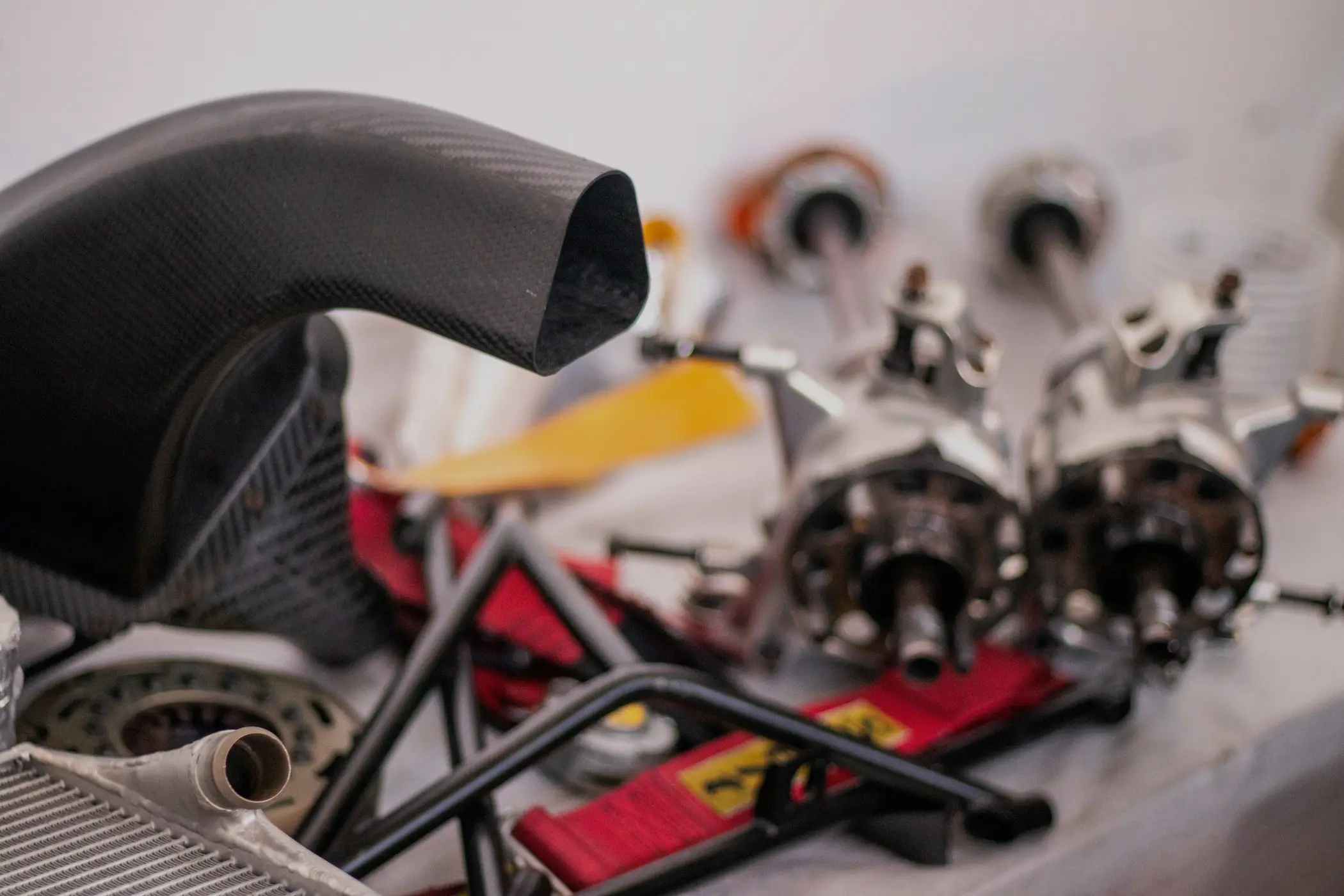
Belts and hoses are rubber parts that perish with age and heat, and when one fails it usually takes something more expensive with it or leaves you stopped at the roadside.
Timing Belt Services
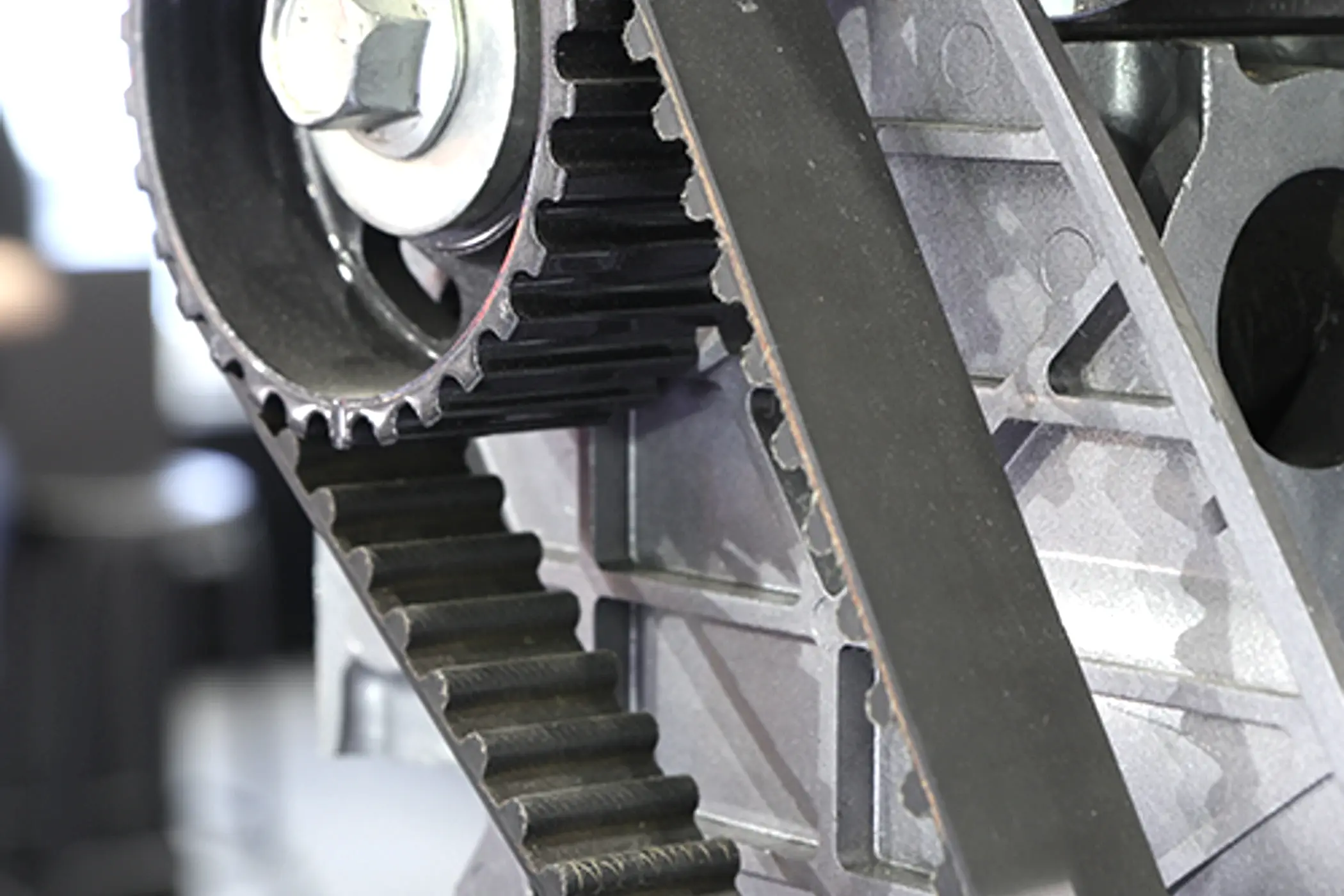
The timing belt keeps your engine's valves and pistons moving in step, and on an interference engine a snapped belt lets them collide, which can destroy the engine.
Air Conditioning
If your air conditioning blows warm, takes far longer to cool than it used to, or smells musty when you switch it on, the system has a fault rather than simply being low.