Water Pump Replacement in Redwood City: The Whine Before It Fails
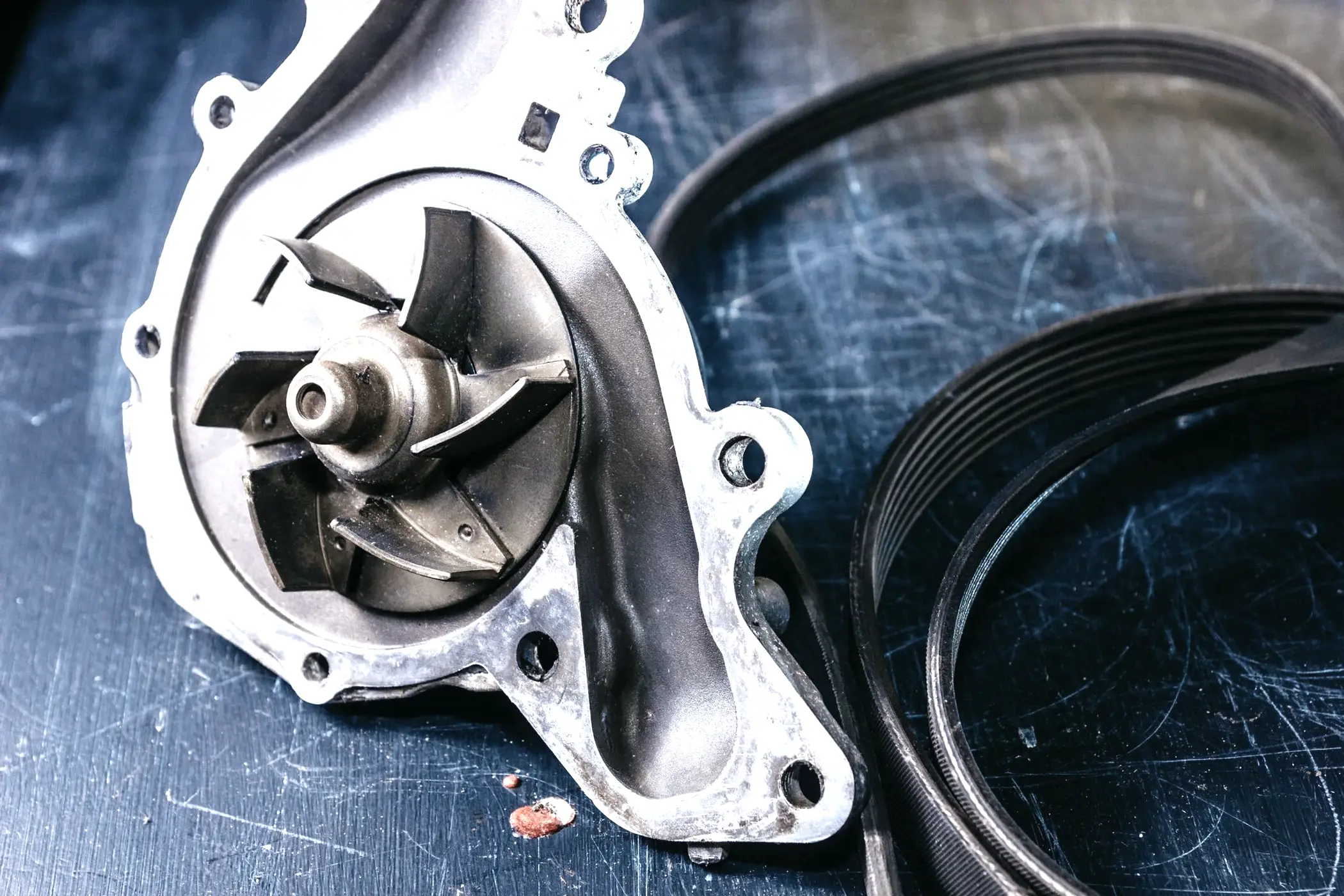
The water pump circulates coolant through the engine, and when it fails, coolant stops moving and the engine overheats within minutes no matter how full the system is. Five Points Tire services and repairs water pumps across the different types used on modern vehicles.
Water pump replacement at Five Points Tire, in short
Five Points Tire services and replaces water pumps in Redwood City across the types used on modern vehicles. Most pumps warn you first through a weep hole designed to leak visibly as the seal fails, or a whine that rises with revs. Where the timing belt drives the pump, it makes sense to do both at once because the labour is shared.
Most cooling faults give you a slow build. The gauge creeps, you notice, you book something.
A water pump failure doesn't work like that. Circulation stops, and the temperature goes up quickly with no gradual climb to watch.
The good news is that pumps usually warn you first, and the warning is easy to spot if you know what it is.
What the pump does, and why it's absolute
The water pump is an impeller that pushes coolant around the loop. It's driven by the engine itself, either by the serpentine belt or by the timing belt.
There's no backup and no partial mode. Coolant that isn't moving isn't carrying heat anywhere, no matter how full the system is or how good the radiator is.
That's why it's the cooling failure that arrives fastest.
Which belt drives it changes the job entirely. A pump driven by the serpentine belt is accessible on its own. A pump driven by the timing belt sits behind the timing covers, and because almost all the cost of that job is the labour to get in there, it is standard practice to do the pump and the belt together.
Signs you need a new water pump
- Coolant dripping from the front center of the engine, often from a weep hole
- A whining or grinding noise from the front of the engine that rises with revs
- Overheating that comes on quickly, particularly at speed
- Steam from under the hood
- Coolant loss with no other obvious leak
- Visible play or wobble in the pump pulley
Water pump symptoms and what they mean
| What you notice | What it usually means | How urgent |
|---|---|---|
| Coolant dripping from the front center of the engine | The weep hole doing its job as the seal fails | Soon |
| Whine or grumble that rises with revs | The pump bearing | Soon |
| Overheating that comes on quickly | Circulation has stopped | Stop driving |
| Visible wobble in the pump pulley | Bearing failure imminent | Urgent |
| Coolant loss with no obvious leak | A weeping seal evaporating off hot metal | Soon |
| Steam from under the hood | Active leak plus overheating | Stop driving |
Most pumps give warning before they stop. The weep hole is designed to.
What our team does for water pump replacement
Service and repair water pumps of any type your vehicle uses for engine temperature regulation.
The warning a water pump gives first
Most water pumps have a small weep hole, and it's there deliberately.
When the internal seal starts to fail, coolant escapes through that hole rather than into the bearing. So a drip from the front center of the engine is often the pump telling you it's on the way out, weeks before it stops.
The other warning is noise. A whine or grumble that rises and falls with engine speed is usually the pump bearing, and once a bearing is audible it doesn't have long.
Signs worth acting on:
- A drip from the front center of the engine. Often the weep hole doing exactly its job.
- A whine that tracks engine speed. Not road speed. That distinction matters.
- Visible play in the pulley. Grab it cold. It shouldn't wobble.
- Coolant loss with no obvious leak. A weeping seal evaporating off hot metal.
- Steam from under the hood. Active leak plus overheating. Stop.
Which belt drives the pump changes everything
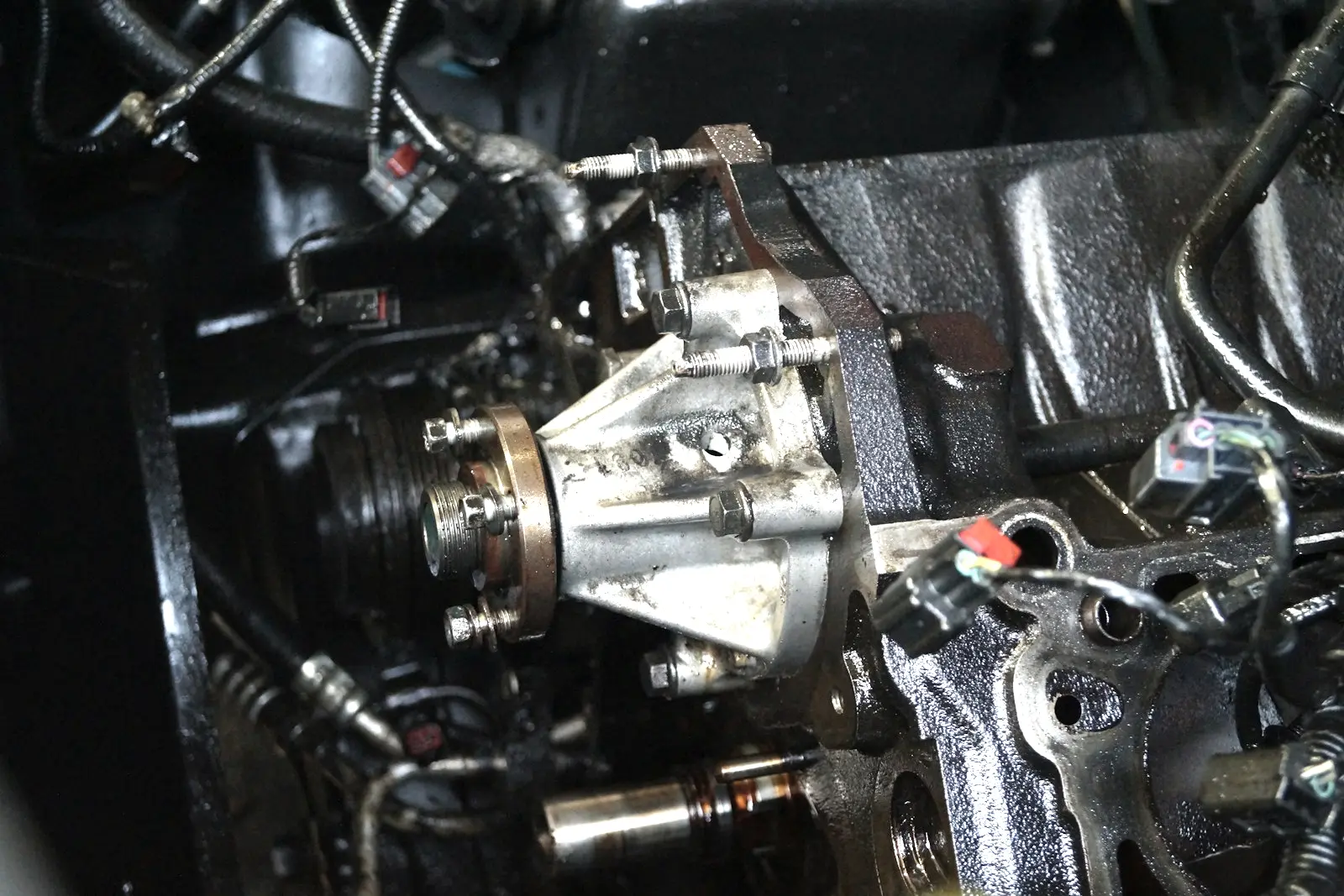
A water pump driven by the serpentine belt is a contained job. One driven by the timing belt sits behind the timing covers, and the labor to get in there is most of the bill.
That's why it's standard practice to replace a timing-belt-driven pump and the belt together, and why this question is worth asking early.
If your timing belt is due anyway, doing both at once costs far less than doing them a year apart. Tell us the year, make and model and we'll tell you which you have.
Want it checked? Describe what the car is doing and Five Points Tire will tell you whether it needs a new water pump or something else. Call 650-365-0280, or send the form and someone calls you back. Request an appointment
Coolant condition shortens pump life
Old coolant kills water pumps. Once it loses its corrosion inhibitors it becomes abrasive and corrosive to the impeller and the seal.
So skipping coolant services doesn't just risk the radiator. It shortens the life of the pump, and the pump is the more expensive of the two to replace.
Common water pump mistakes to avoid
- Driving on with a whine from the front of the engine. Once a pump bearing is audible, the failure isn't far away, and it arrives fast.
- Dismissing a small drip. The weep hole exists to leak visibly when the seal fails. That's the warning working.
- Replacing a timing-belt-driven pump on its own. The labor is already spent getting in there. Doing the belt at the same time is far cheaper than a second visit.
- Skipping coolant services. Old coolant is abrasive to the pump seal. It's the cheaper service protecting the dearer part.
- Trying to reach home when it overheats. With no circulation the temperature climbs quickly, and warped heads are the outcome.
The bottom line
Listen for a whine that rises with engine speed, and look for a drip from the front center of the engine. Those are your two warnings.
If the temperature goes up suddenly rather than gradually, that pattern points here, and it's the one where stopping promptly genuinely protects the engine.
And if your timing belt drives the pump and the belt is anywhere near due, do them together.
Call Five Points Tire on 650-365-0280 with the year, make and model. On some engines the pump is driven by the timing belt, and that changes the job entirely.
Water pump replacement questions we get asked
Question not on the list? Ask us directly.
What are the symptoms of a failing water pump?
- A coolant drip from the front center of the engine, a whine or grinding that changes with engine speed, overheating that comes on quickly, and play in the pump pulley. The drip is often the earliest sign, from a weep hole designed to do exactly that.
Can I drive with a failing water pump?
- Not for long, and not safely. Once circulation drops the engine overheats quickly, and overheating warps heads and destroys gaskets. If it is leaking or noisy, get it looked at rather than continuing to drive it.
Should the water pump be replaced with the timing belt?
- If the timing belt drives it, then usually yes. The pump sits behind the same covers, so nearly all the labour is shared. Doing both at once costs far less than doing the pump separately a year later. Five Points Tire will tell you whether the pump and the belt share the same job on your engine before you commit to either.
Related services
Cooling System
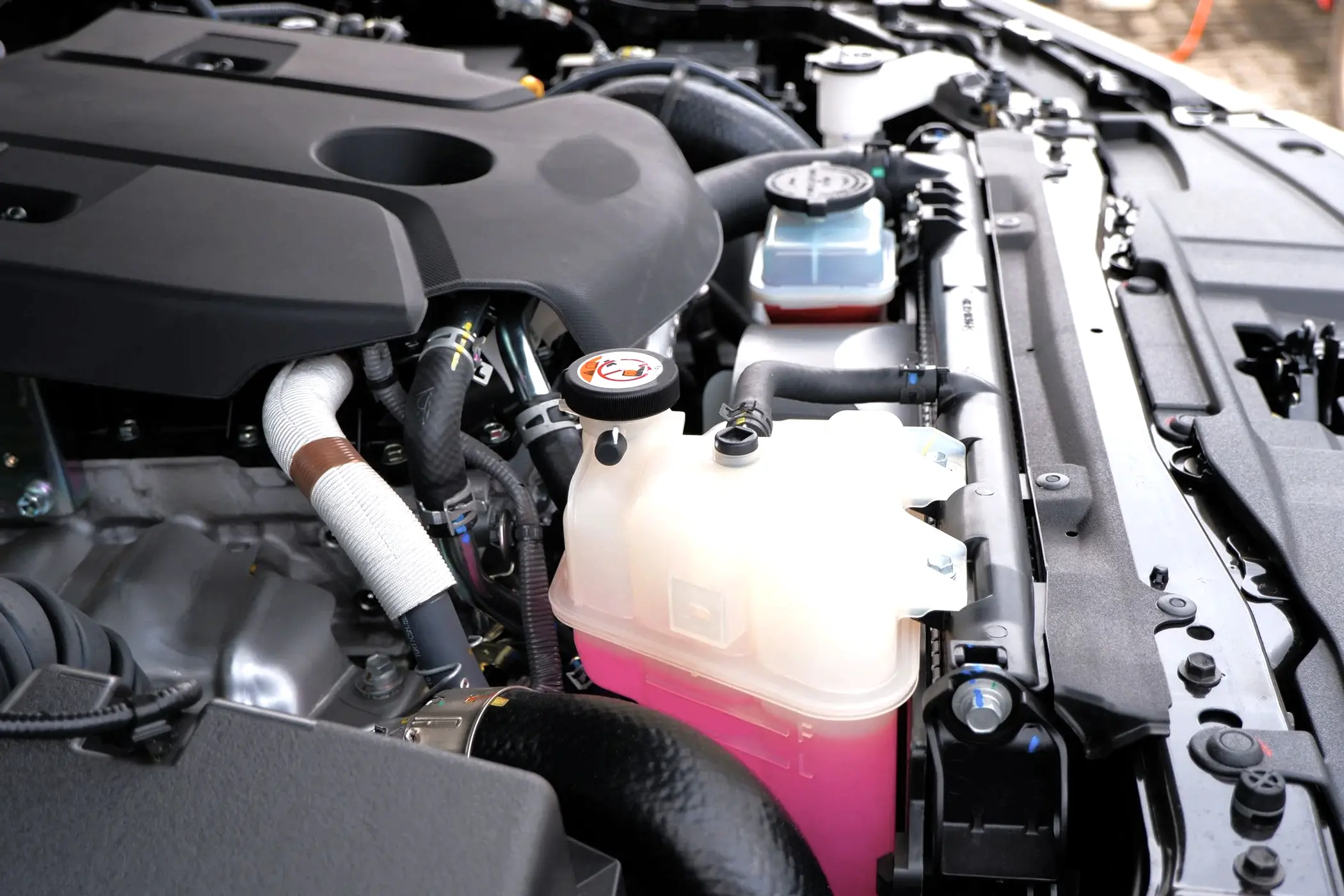
An engine that overheats even briefly can warp a cylinder head, so a cooling system problem is one of the few faults where continuing to drive genuinely makes it far more expensive.
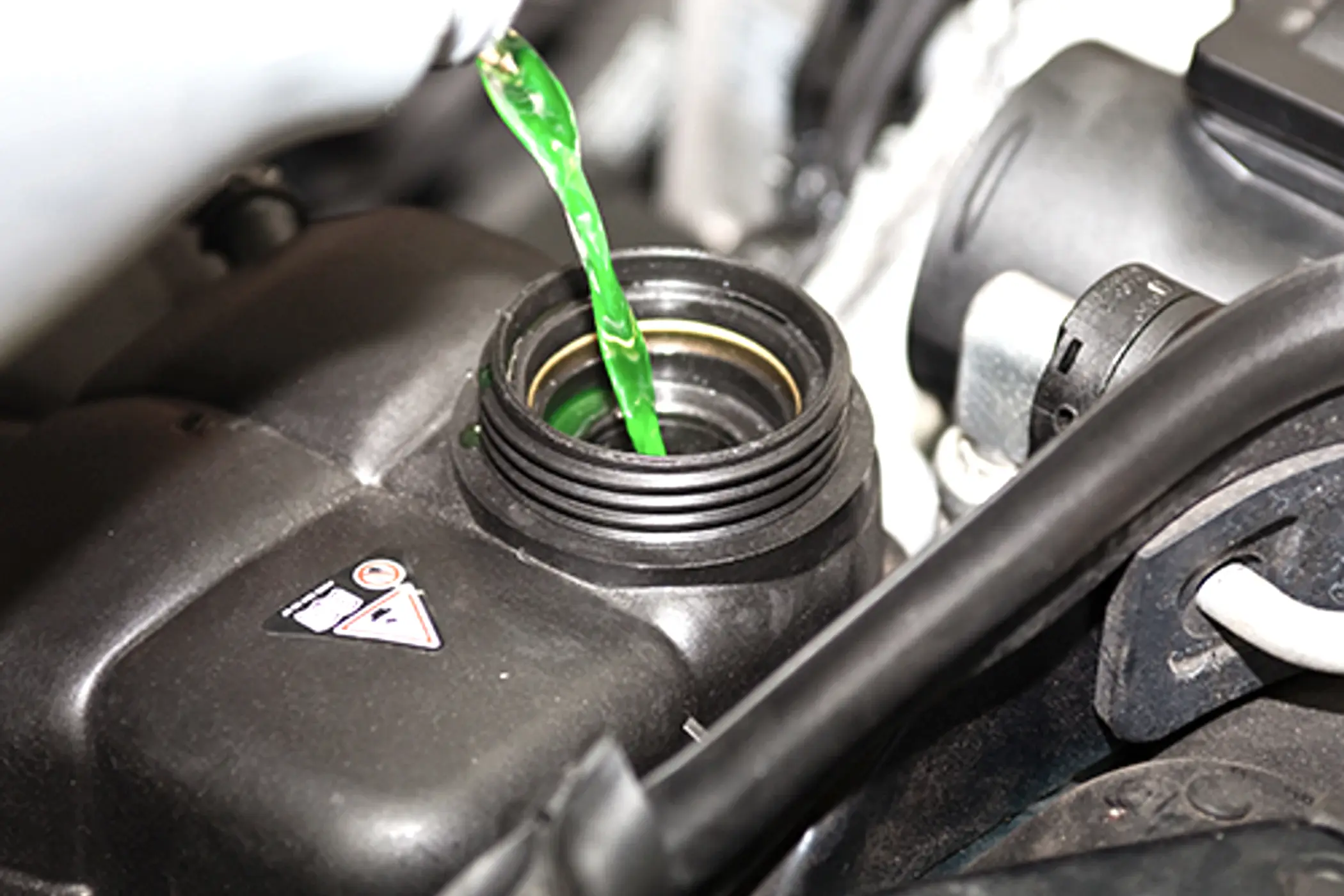
Coolant and Antifreeze
Coolant does more than stop freezing, it raises the boiling point and carries corrosion inhibitors that protect the metal inside your engine, and they wear out long before the fluid looks bad.
Radiator Service
The radiator is where your engine's heat actually leaves the car, and it fails by corroding internally, blocking, or leaking at its seams and plastic end tanks.
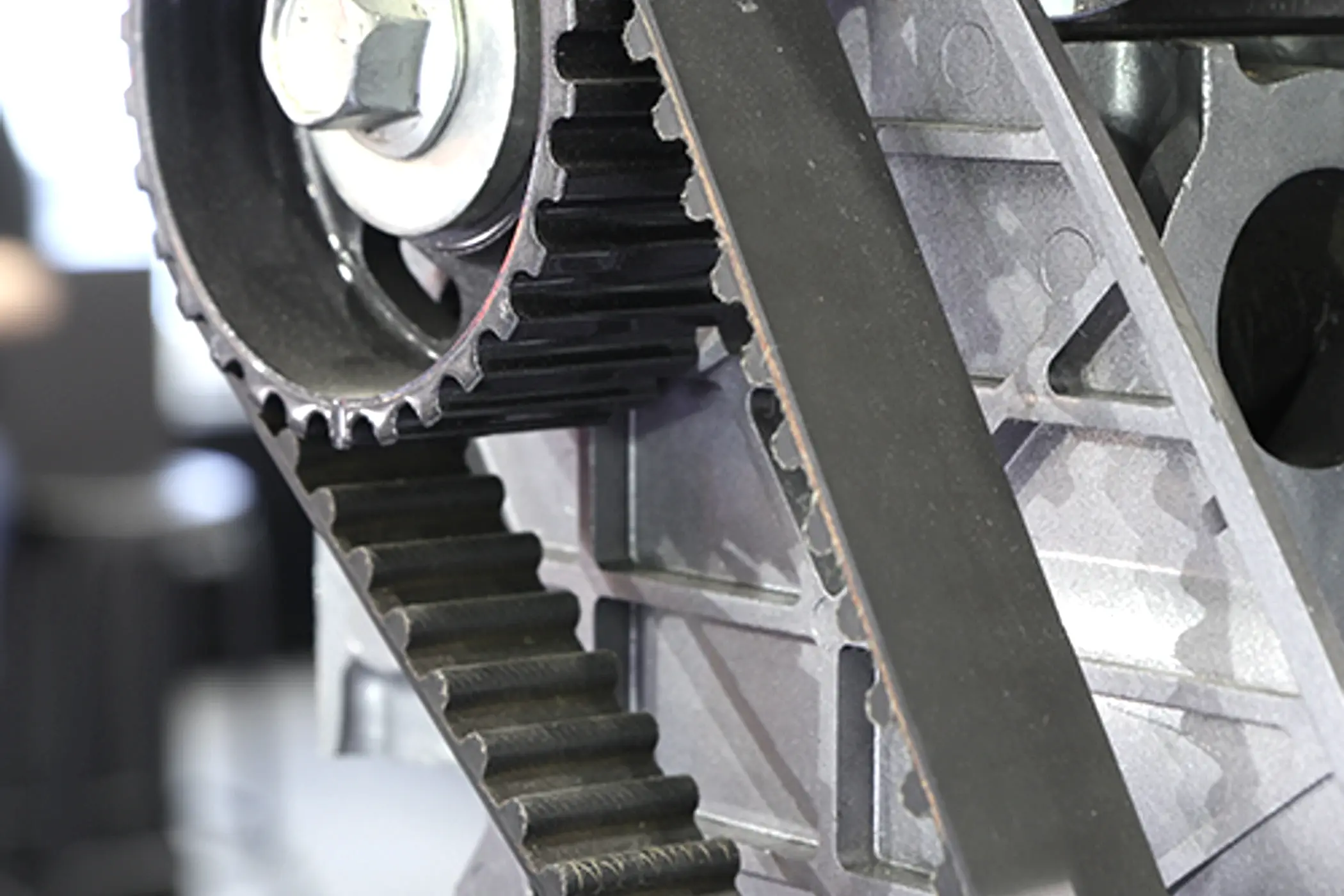
Timing Belt Services
The timing belt keeps your engine's valves and pistons moving in step, and on an interference engine a snapped belt lets them collide, which can destroy the engine.
Belts and Hoses
Belts and hoses are rubber parts that perish with age and heat, and when one fails it usually takes something more expensive with it or leaves you stopped at the roadside.
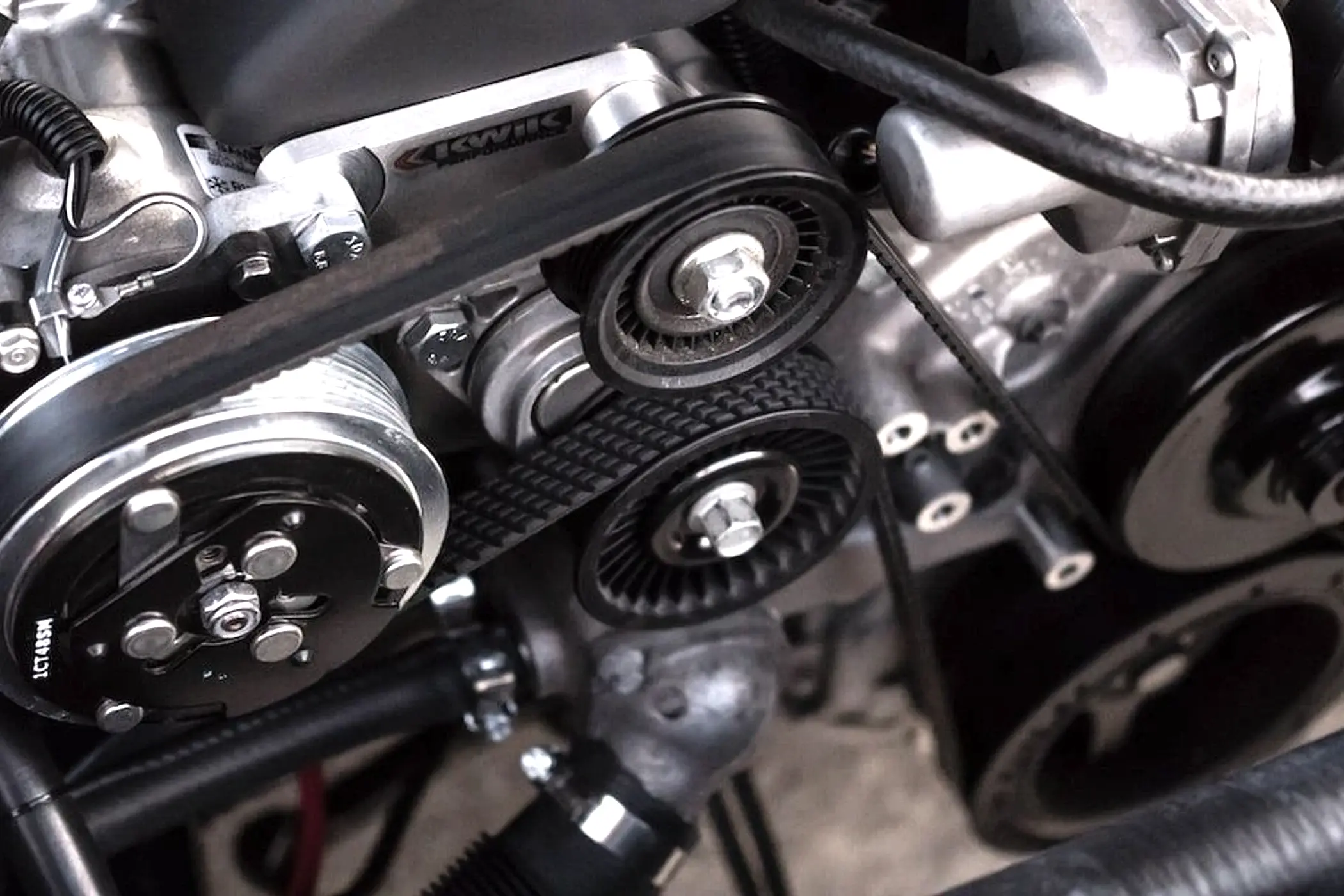
Serpentine Belt
One serpentine belt usually drives your alternator, water pump and power steering, so when it fails you lose charging, cooling and steering assistance at the same time.