Flat Tire Repair in Redwood City, and When a Tire Can't Be Saved
If you have picked up a puncture, whether the tire is flat now or just losing pressure over a few days, bring it in and we will find the leak and tell you honestly whether it can be repaired or needs replacing. Five Points Tire inspects the flat, locates the puncture and repairs it where the damage is safely repairable.
Flat tire repair at Five Points Tire, in short
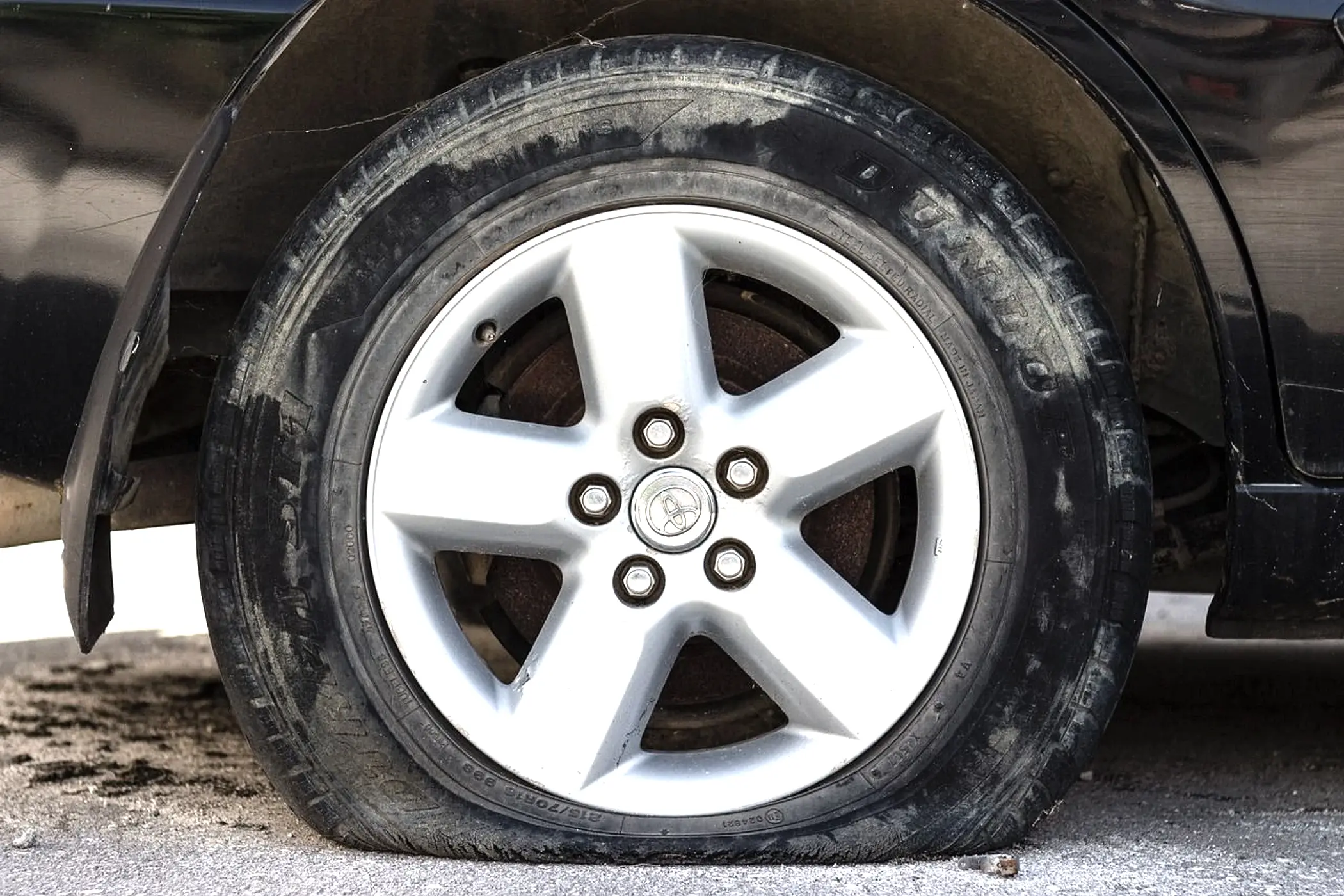
Five Points Tire repairs flats in Redwood City and tells you honestly whether yours can be fixed. We locate the puncture, inspect the sidewalls and repair it when the damage falls inside safe limits: in the tread, under about a quarter of an inch, tread not already worn out, no other damage. Sidewall punctures cannot be safely repaired and we will say so.
When you pick up a nail, the only question that matters is whether the tire can be saved.
That answer isn't a matter of opinion, and it shouldn't depend on which shop you walk into. There are industry limits, and a repair is either inside them or it isn't.
Knowing them means you can tell the difference between a shop being careful and a shop upselling you.
The repair limits, and why they exist
A repair works because the tread is thick, backed by steel belts, and doesn't flex much.
The sidewall is the opposite. It's thin, it flexes on every single rotation, and it carries the weight of the car. There's nothing solid for a patch to hold onto.
That's why the boundaries are where they are.
A puncture is repairable when all of these are true:
- It's in the tread. Not the sidewall, and not the shoulder where the tread curves over.
- It's under about a quarter inch. Bigger than that and there isn't enough material left around it.
- The tread isn't already worn out. No point repairing a tire that needs replacing anyway.
- It hasn't been driven on flat. Running flat breaks down the internal structure, even briefly.
- There's no other damage. No bulges, no cuts, no previous repair in the same area.
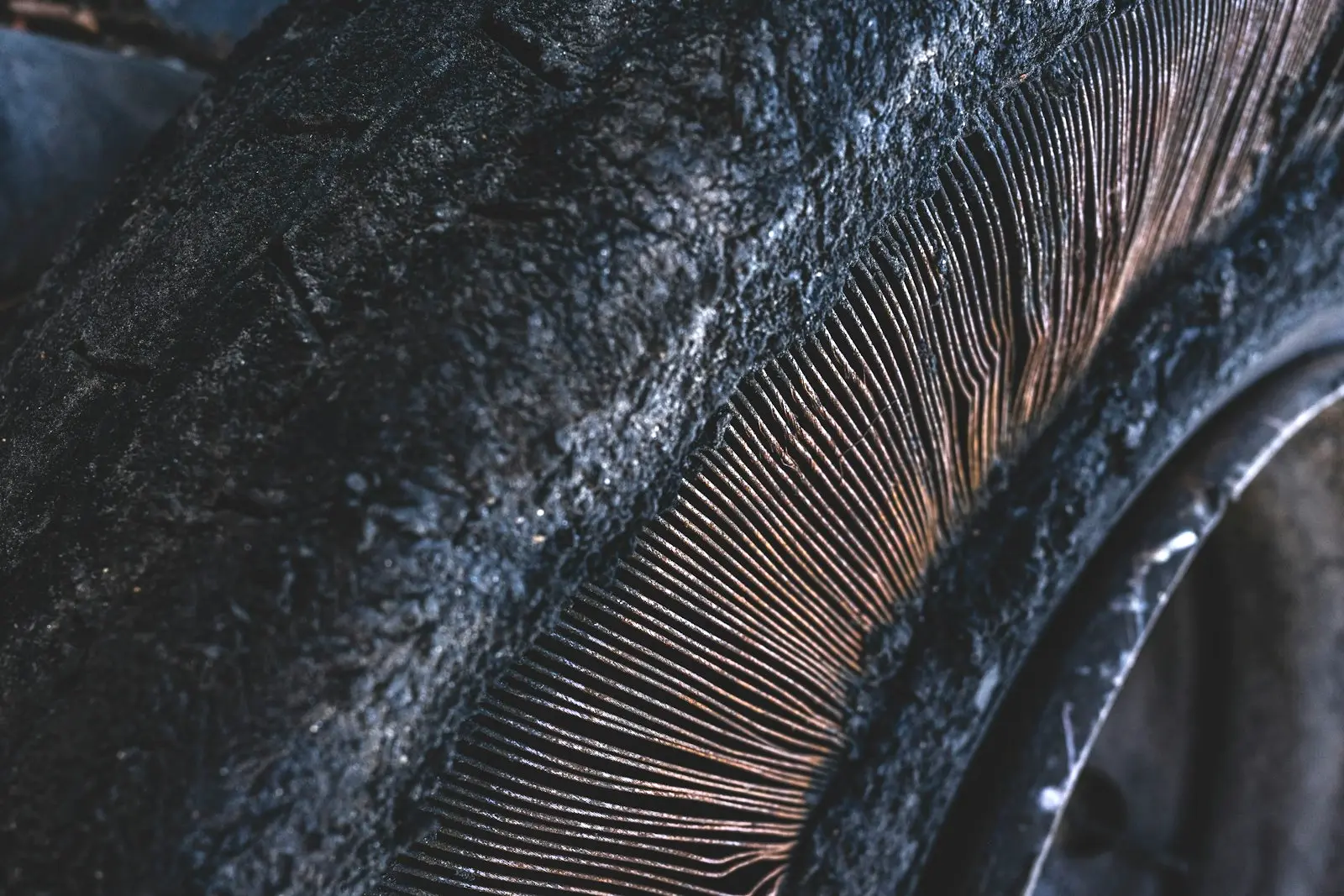
A sidewall bulge is not a slow problem. A bulge means the cords inside the sidewall have already broken and only the rubber is holding the shape. It is the failure most likely to let go at speed. Fit the spare or call us rather than driving on it.
Signs you need flat tire repair
- A tire that is visibly flat or looks low compared to the others
- One tire needs topping up every week or two and the others do not
- The tire pressure warning light keeps coming back after you reset it
- You can see a nail, screw or stone lodged in the tread
- The car pulls to one side or the steering feels heavy at low speed
- A bulge or bubble in the sidewall, which is urgent
Can your tire be repaired?
| Condition | Repairable | Why |
|---|---|---|
| Puncture in the tread, under a quarter inch | Yes | The tread is thick enough to hold a repair |
| Puncture in the sidewall or shoulder | No | The sidewall flexes constantly, nothing to hold to |
| Bulge or bubble in the sidewall | No | Internal cords have already failed |
| Tread already worn out | No | Not worth repairing a tire at the end of its life |
| Tire driven on while flat | Usually not | Running flat breaks down the internal structure |
| Multiple punctures close together | Usually not | Repairs too close weaken the same area |
These are the industry limits, and they are the criteria we publish and work to.
What our team does for flat tire repair
- 01Inspect the flat and locate the puncture
- 02Assess whether the tire can be safely repaired or needs replacing, and tell you which
- 03Repair the puncture where the damage falls inside safe repair limits
- 04Inspect the sidewalls for cracks and cuts and flag any damage found
- 05Check pressures and inflate to the vehicle manufacturer's recommended level
Why a sidewall bulge is urgent
If you see a bubble or bulge in the sidewall, that tire is finished. Not soon, now.
A bulge means the cords inside the sidewall have already broken, and only the rubber is holding the shape. There's nothing structural left in that spot.
It's the failure most likely to let go at speed, and it usually happens after a pothole or a curb strike rather than gradually.
Fit the spare or call us. Don't plan to get a few more days out of it.
Slow leaks are worth chasing
A tire you top up every week or two is a puncture you haven't found yet.
Living with it costs more than fixing it. An underinflated tire runs hot, wears out both outer edges, and burns more fuel the whole time.
It's also the condition most likely to fail suddenly on the freeway.
| Where it's leaking | How you'd know | Fixable |
|---|---|---|
| Tread puncture | Nail or screw visible, or found in water | Usually yes |
| Valve stem | Leak at the stem, often after years | Yes, stem replacement |
| TPMS sensor seal | Leak at the stem on a sensor-equipped wheel | Yes, usually a seal kit |
| Bead | Leak where tire meets rim, often corrosion | Often, by cleaning the bead seat |
| Wheel itself | Cracked or bent rim after an impact | Sometimes, depends on the damage |
| Sidewall | Visible cut or bulge | No |
Not every slow leak is a nail. The bead and the valve stem are both common and both fixable.
Want it checked? Describe what the car is doing and Five Points Tire will tell you whether it needs flat tire repair or something else. Call 650-365-0280, or send the form and someone calls you back. Request an appointment
Sealant, spares and what to do roadside
A can of sealant is a get-home tool. That's genuinely what it's for, and it's worth carrying.
It isn't a repair. It makes the puncture harder to find afterwards and it needs cleaning out, so have the tire inspected properly once you're somewhere safe.
If you've got a spare and a safe place to change it, that's the better option.
If you get a flat while driving:
- Ease off, don't brake hard. Let the car slow before you steer anywhere.
- Get fully off the road. A wide shoulder or an exit. Not a narrow verge with traffic passing.
- Hazards on. Before you get out, not after.
- Judge the spot honestly. If you'd be kneeling next to moving traffic, stay in the car and call.
- Don't drive on it flat. Even a short distance usually ends the tire.
Sealant is a get-home tool, not a repair. It will get you off the roadside, which is exactly what it is for. It also makes the puncture harder to find afterwards and needs cleaning out, so have the tire inspected properly once you are somewhere safe.
Driving on a flat, and why it ends the tire
Driving on a flat, even briefly, turns a repairable puncture into a new tire, and the damage happens in seconds rather than miles.
With no air in it, the sidewall folds and gets crushed between the rim and the road on every rotation. The internal structure breaks down and there's usually nothing to see from outside.
That's why we inspect any tire that's been run flat rather than just patching it. It might look fine and be finished.
Common flat tire mistakes to avoid
- Driving the last half mile on a flat. It's the difference between a repair and a new tire, and it happens almost immediately.
- Assuming a shop is upselling when they refuse a sidewall repair. Nobody reputable patches a sidewall. It's a limit, not a preference.
- Living with a slow leak. An underinflated tire runs hot, wears its edges, and is the one most likely to fail at speed.
- Treating sealant as a fix. It gets you off the roadside. Then it needs cleaning out and the tire needs inspecting.
- Never checking the spare. A flat spare is a very bad surprise. Check its pressure when you check the others.
- Plugging from the outside without removing the tire. A proper repair is done from the inside, so the inner liner can be inspected for run-flat damage.
The bottom line
Tread, under a quarter inch, decent tread left, never run flat, no other damage. That's the test.
If your puncture ticks all five, it's repairable, and we'll repair it. If it doesn't, we'll tell you why rather than just saying no.
A bulge in the sidewall is the exception to any wait-and-see. Fit the spare.
If the tire turns out not to be repairable, tire installation is the next conversation, and the sensor inside the wheel means TPMS work often comes with it. Where the car isn't drivable, towing gets it here. Either way it is worth a tire rotation while the wheels are already off.
Call Five Points Tire on 650-365-0280, or come to 2115 El Camino Real and we'll find the leak. Where a tire can be repaired we repair it, because a plug and patch costs a fraction of a replacement.
Need new tires? Tell us your vehicle or tire size and we'll come back with options and pricing. Find tires for my vehicle
Flat tire repair questions we get asked
Question not on the list? Ask us directly.
Can any punctured tire be repaired?
- No. A repair is safe when the puncture is in the tread, is under about a quarter of an inch across, the tread is not already worn out and there is no other damage. Punctures in the sidewall or shoulder cannot be safely repaired, and neither can a tire that has been driven on flat.
Why is my tire pressure light on when the tire looks fine?
- A tire can be several PSI low and look completely normal, because the drop is not visible until it is significant. The light is reading an actual pressure sensor, so it is usually right. It can also be a slow puncture, a temperature swing, or a TPMS sensor fault.
Is it safe to drive on a slow puncture?
- Short distances at low speed to get somewhere safe, yes. As an ongoing arrangement, no. An underinflated tire runs hot, wears its edges, and is much more likely to fail suddenly at speed.
Can I use a can of tire sealant instead?
- Sealant is a get-home tool and it is genuinely useful for that. It is not a repair, it can make the puncture harder to locate afterwards, and it needs cleaning out. Have the tire inspected properly once you are off the road.
I drove on it flat for a few blocks. Is the tire still good?
- Often not, even if it looks undamaged. Running flat crushes the sidewall against the road and breaks down the internal structure, which you cannot see from outside. It needs inspecting before it goes back on the car. Five Points Tire inspects the inside of the tire before repairing it, which is the only way that damage becomes visible.
Related services
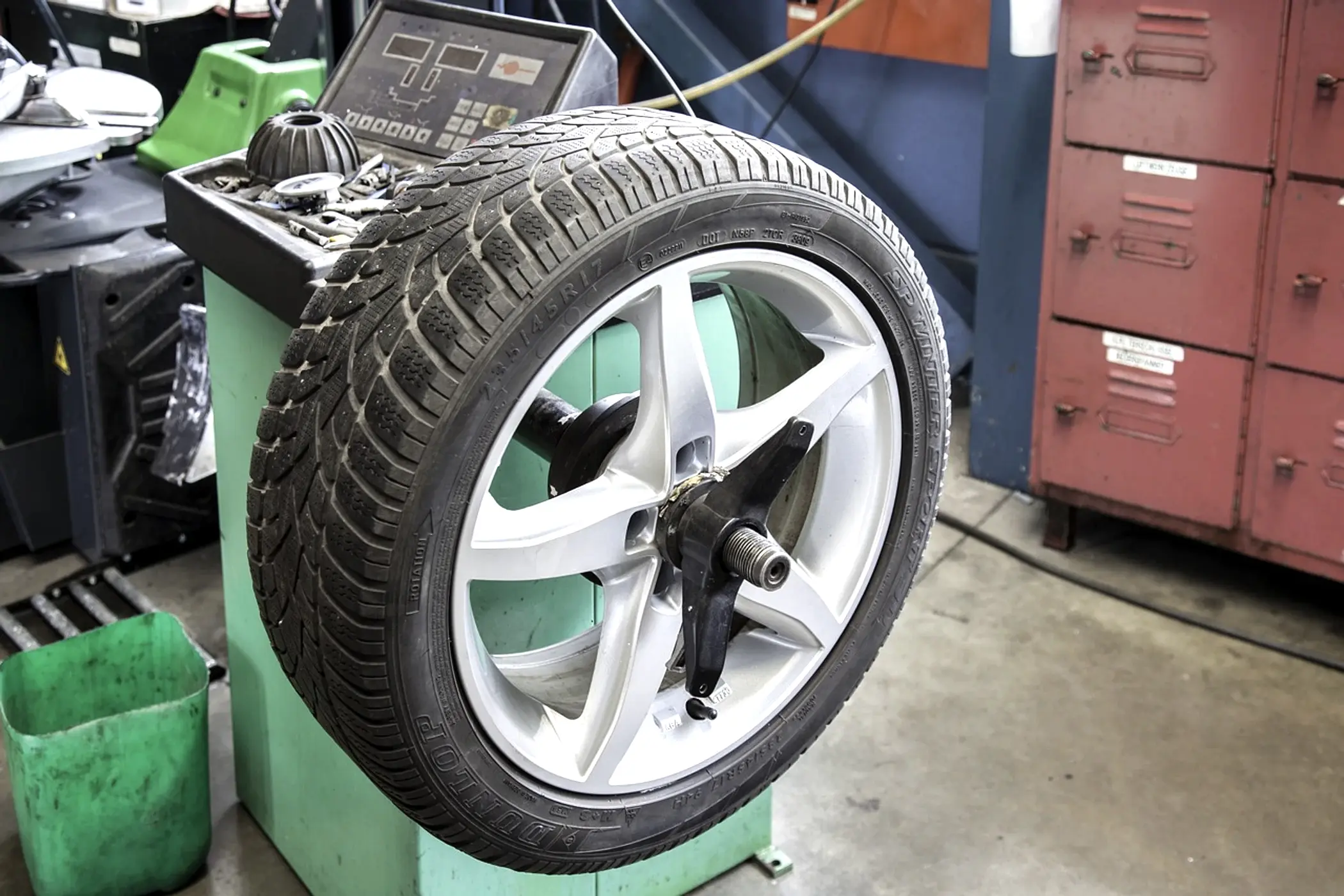
Tire Installation
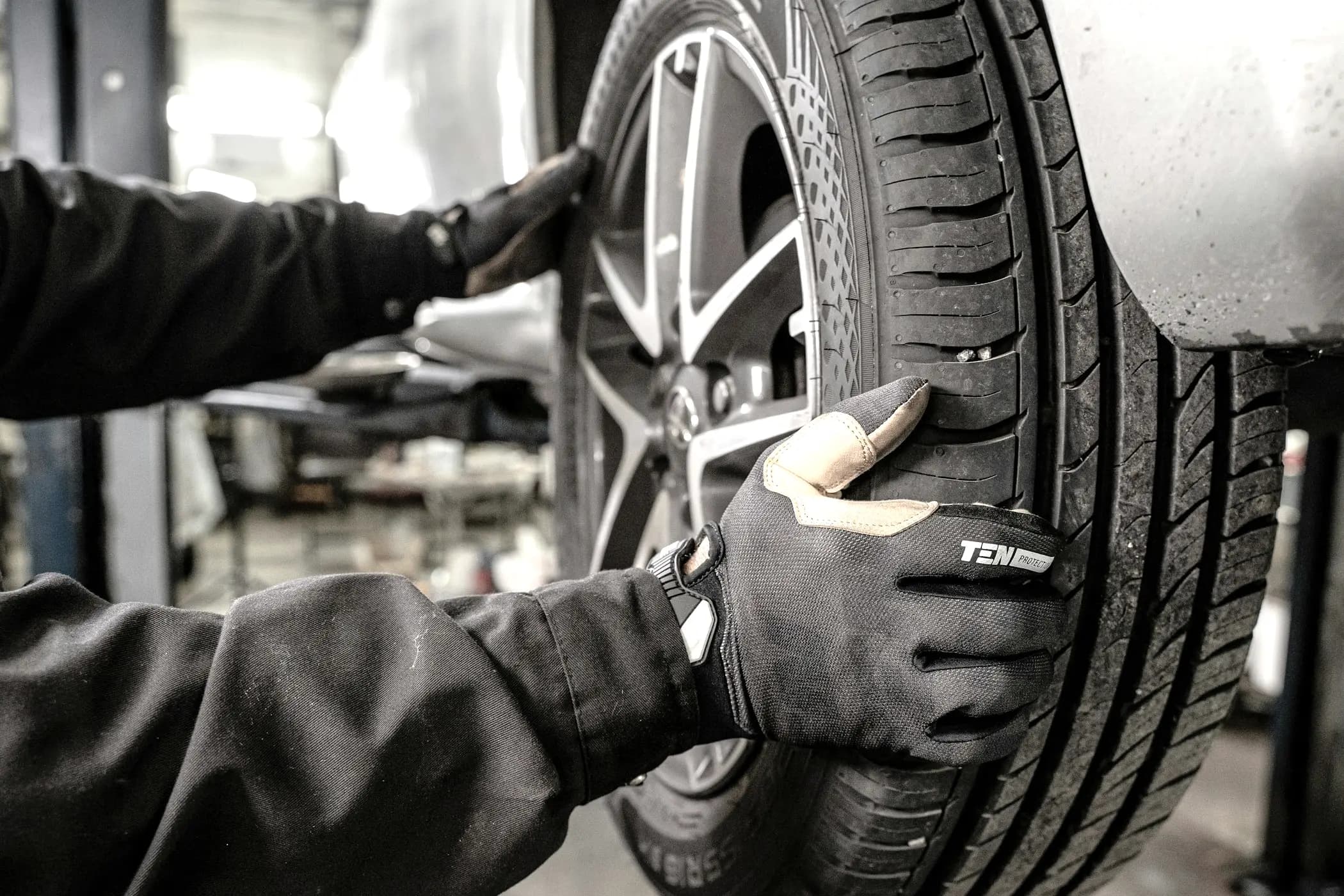
New tires need to be mounted to the wheel, balanced, and fitted with the pressures and TPMS reset set correctly, or they will wear unevenly from the first mile.
TPMS Services
If your tire pressure light is on, keeps coming back after you reset it, or stayed on after new tires were fitted, the system needs servicing rather than ignoring.
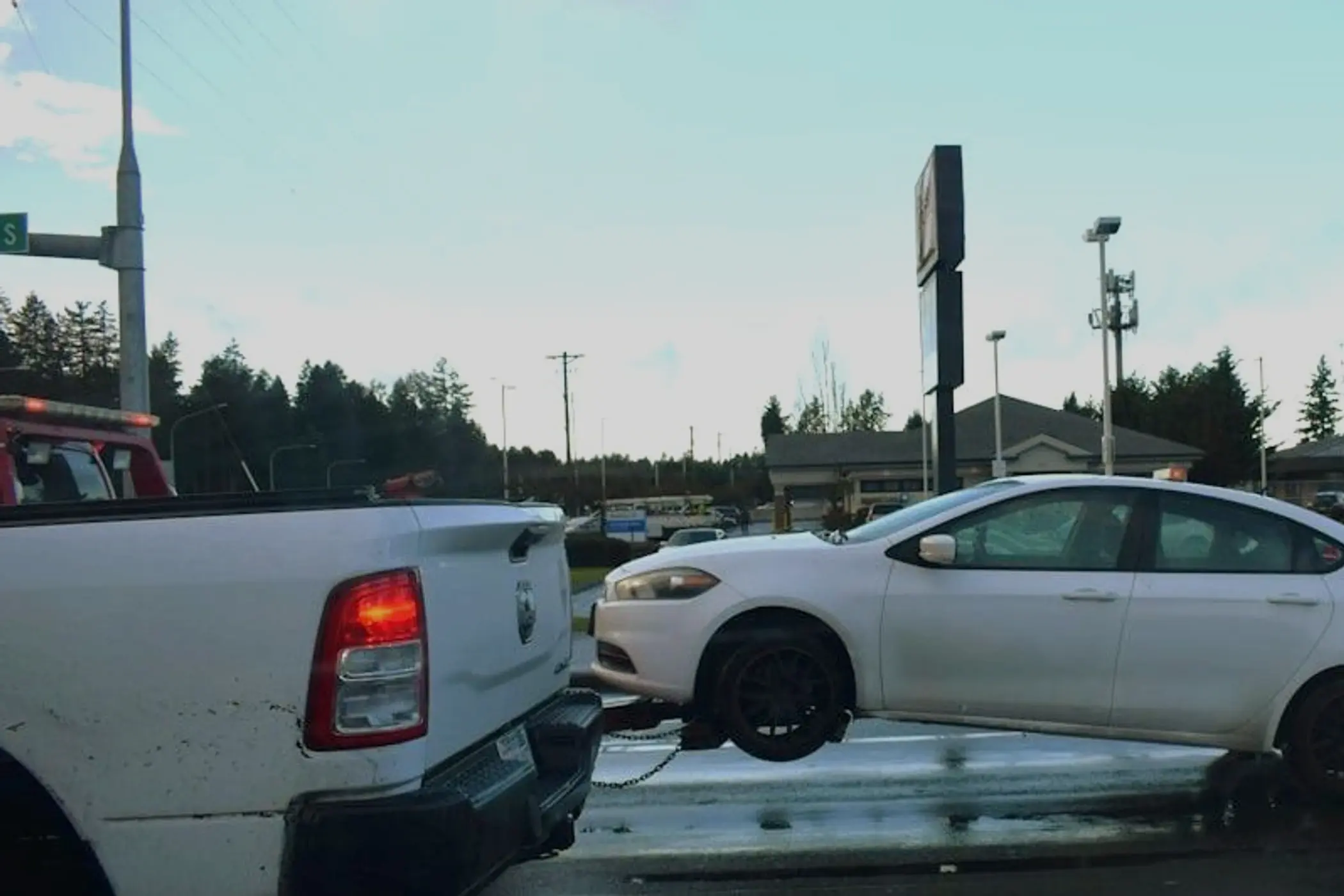
Towing Services
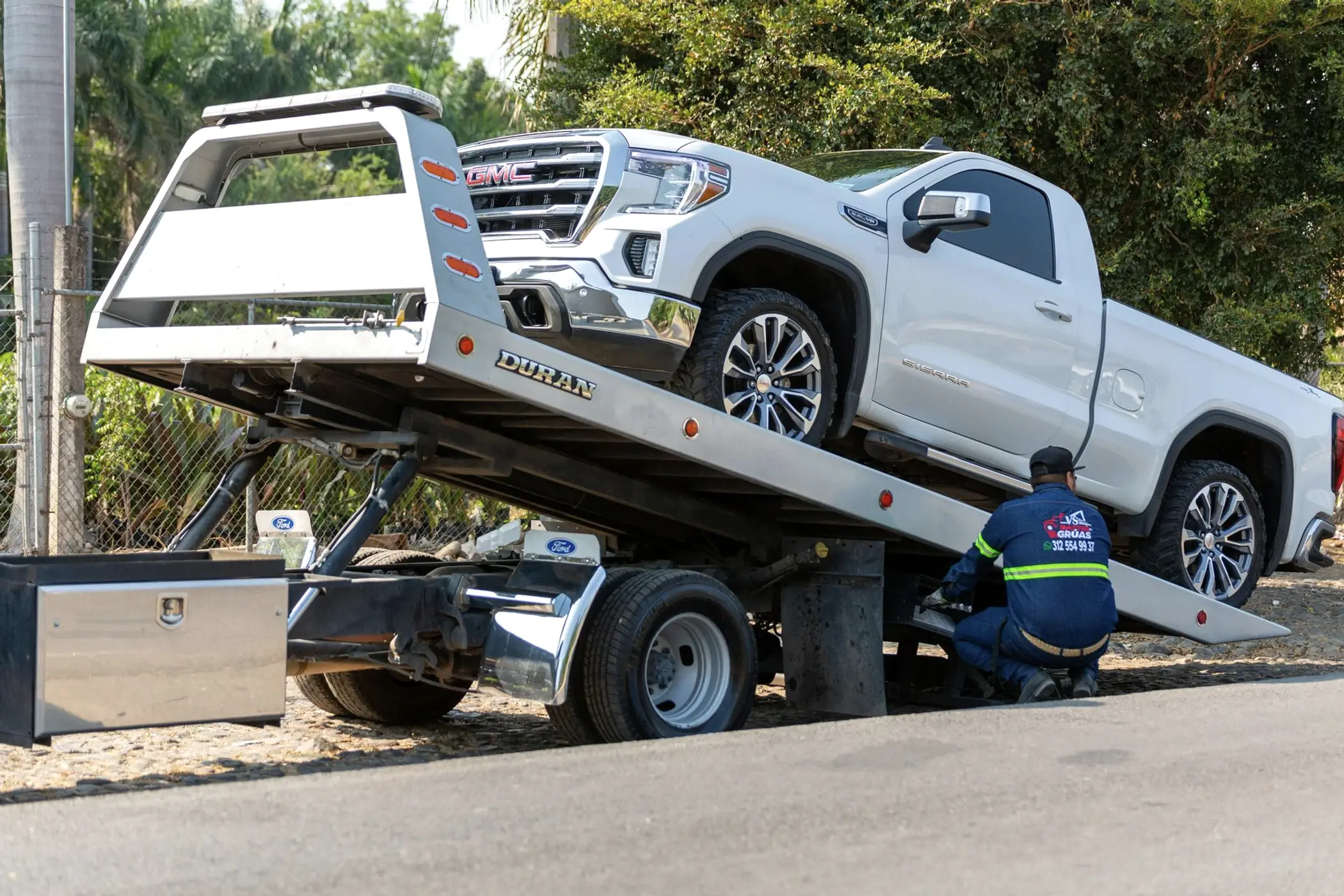
If your vehicle cannot be driven, we can bring it in on our own flatbed, and for most repairs that pickup is free, with tire repairs excluded.
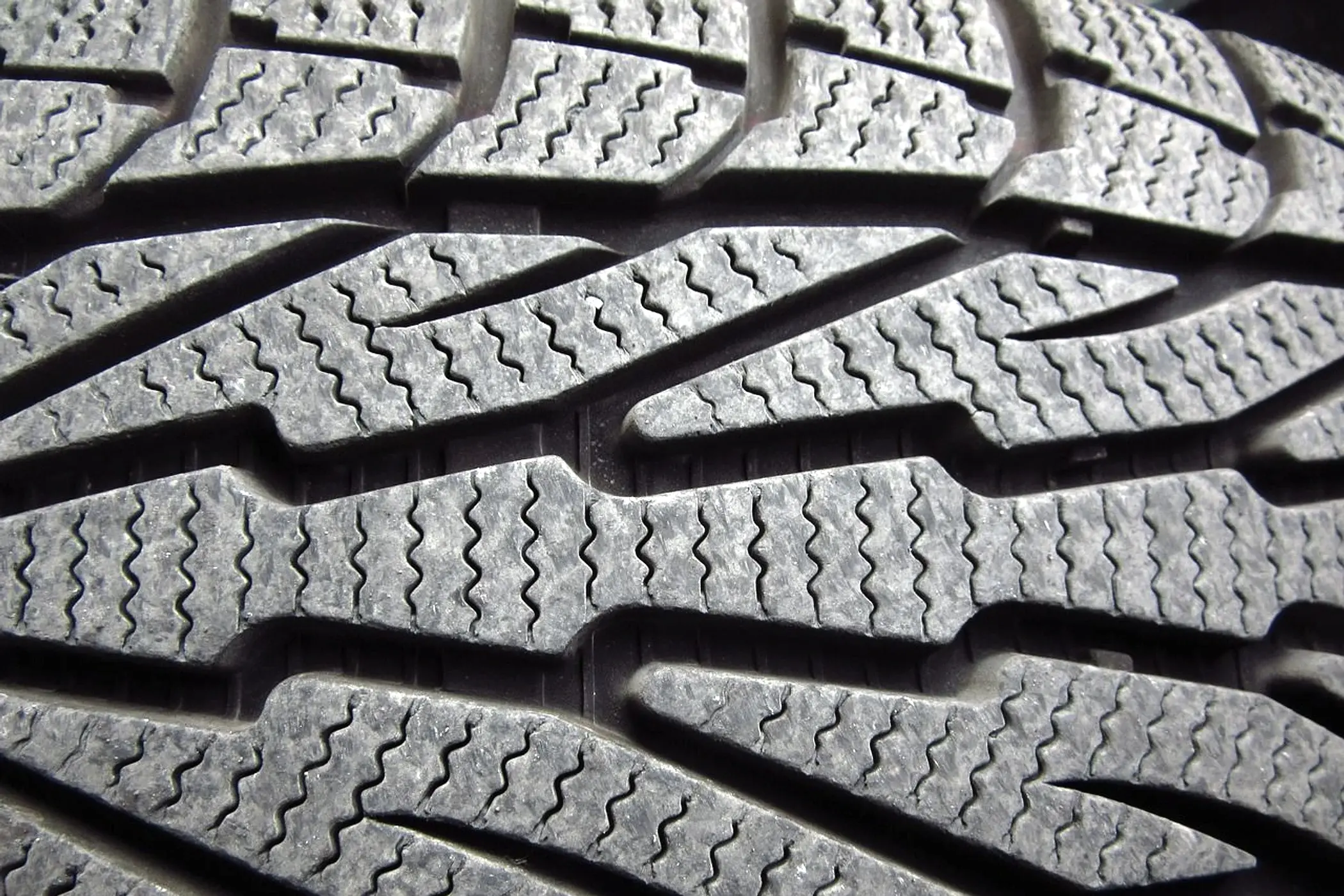
Tire Rotation
Tires wear at different rates depending on which corner they sit at, so moving them around at regular intervals is what makes a set wear evenly and last its full life.
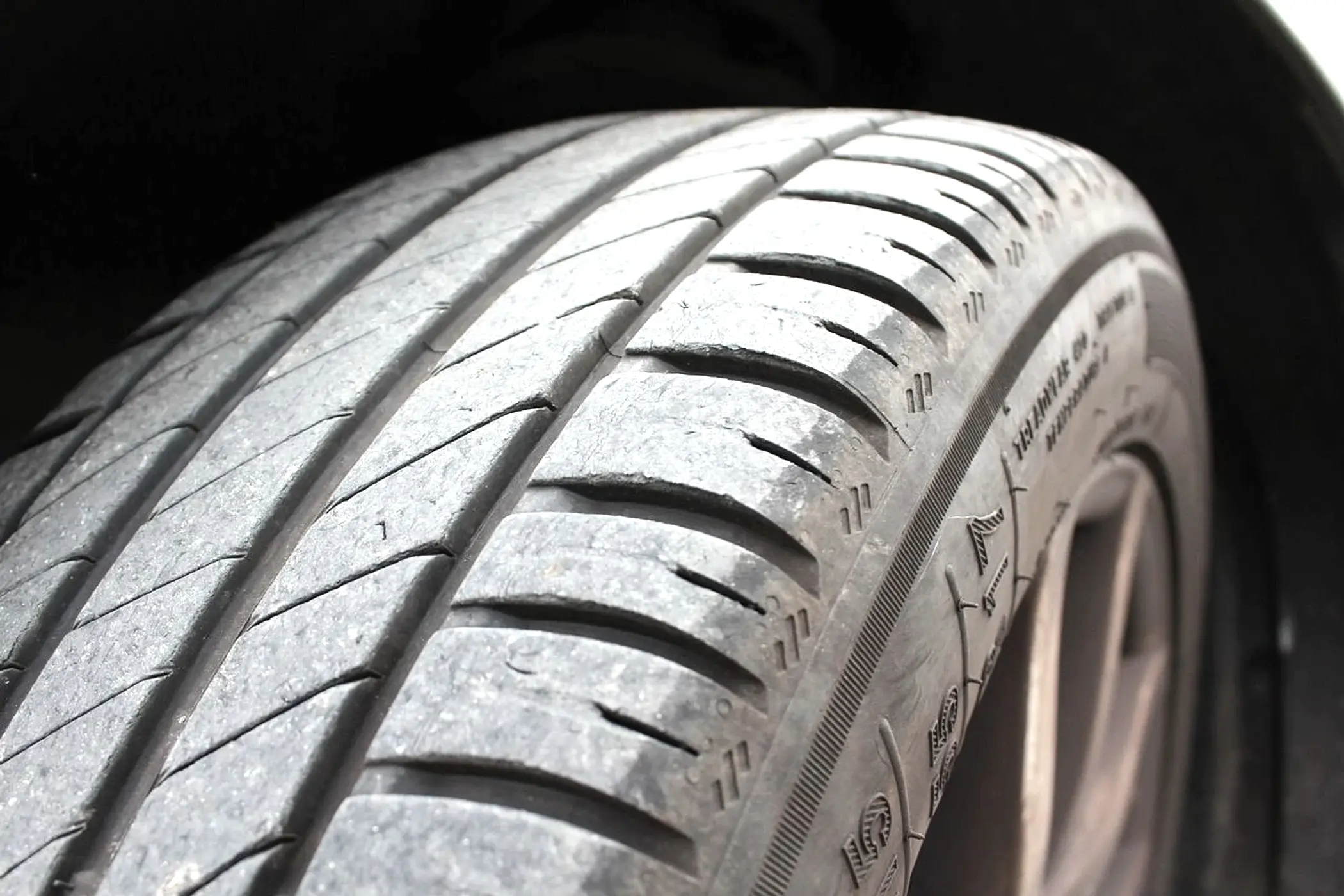
Wheel Balancing
If you feel a vibration through the steering wheel, the seat or the floor that appears at a particular speed and fades again, the wheels are almost certainly out of balance.
Roadside Assistance
If your car will not start, has a flat, or will not make it to the shop under its own power, call us and describe what happened before arranging anything else.