PCV Valve Service in Redwood City: The Cause of Sudden Oil Leaks
The PCV valve vents pressure out of your engine's crankcase and routes it back to be burnt, and when it sticks the pressure has to escape somewhere, which usually means pushed-out seals and oil leaks. Five Points Tire checks crankcase pressure and looks at the valve and the components around it rather than just swapping the part.
PCV valve service at Five Points Tire, in short
Five Points Tire checks crankcase pressure in Redwood City and looks at the PCV valve together with the components around it rather than just swapping the part. Several oil leaks appearing at once is the classic signature of a stuck valve, and it is a cheap fault with expensive-looking symptoms, so it is worth checking before anyone prices up gasket work.
If three oil leaks turned up on your car in the same couple of months, this page is probably the one you want.
Three seals failing at once isn't three coincidences. It's usually one small part in the crankcase ventilation system that stopped doing its job.
It's worth ruling out before anyone prices up gasket work, because the difference between the two answers is enormous.
Why an engine has to breathe out
Every engine pushes a little combustion pressure past the piston rings on every stroke. That's normal, and no amount of engineering removes it.
Which means the crankcase, the space underneath where the oil lives, is being pressurized from above continuously.
It has to be vented or the pressure builds. Positive crankcase ventilation is the system that does it, drawing those gases out and feeding them into the intake to be burnt rather than released.
The valve is a small part in a simple path, and both of the ways it fails produce symptoms that look like something much larger.
Several oil leaks at once is the signature. When someone has three seals weeping around the same time, the instinct is to price up three gasket jobs. Crankcase pressure is worth checking first, because a stuck PCV valve produces exactly that pattern and costs a fraction of one of them.
Signs you need a new PCV valve
- Oil leaks that appear at several seals at once
- Increased oil consumption with no visible external leak
- Rough idle, or an idle that hunts up and down
- A whistling or hissing from the engine bay
- The check engine light on, often with a lean or misfire code
- Oil residue inside the air intake hose
- Sludge or milky residue under the oil filler cap
A cheap part with expensive-looking symptoms
| Fault | What happens | What you notice |
|---|---|---|
| Valve stuck closed | Crankcase pressure builds with nowhere to go | Oil leaks at several seals at once |
| Valve stuck open | Unmetered air enters the intake | Rough or hunting idle, lean fault code |
| Hose cracked or perished | Same as stuck open | Whistling or hissing under the hood |
| Passages blocked with sludge | System stops venting | Increased oil consumption, sludge under the cap |
Check crankcase pressure before anyone starts replacing gaskets.
What our team does for PCV valve service
- 01Check crankcase pressure to confirm whether gas recirculation is working as it should
- 02Look for faults in the PCV valve and in the components around it, not just the valve itself
- 03Look past the symptom at overall system health rather than treating it in isolation
- 04Offer proactive diagnostics so the issue is caught before it causes leaks
PCV stuck closed, and pressure finds the weakest seal
Pressure that can't leave through the valve leaves through your seals.
It doesn't pick one. It pushes on all of them at once, and whichever are already tired give up first.
So the signature isn't a leak, it's leaks. A rear main weeping, a valve cover damp, the pan wet, all appearing within a month or two of each other on an engine that had been dry for years.
Three gasket jobs is the natural reaction and usually the wrong one.
PCV stuck open, and an idle that won't settle
A PCV valve stuck open is a vacuum leak by another name, and it shows up as a rough or hunting idle with a lean fault code.
A cracked, perished hose does the same thing: air enters the intake that the engine management never accounted for.
You'll often hear a whistle or hiss from under the hood while the computer chases a mixture it can't settle.
Plenty of people spend a day hunting a vacuum leak on a car whose PCV hose is split in plain sight.
Want it checked? Describe what the car is doing and Five Points Tire will tell you whether it needs a new PCV valve or something else. Call 650-365-0280, or send the form and someone calls you back. Request an appointment
Why the valve is the last thing to blame
Swapping the valve is easy, cheap and frequently pointless, because the valve is one component in a path that can block anywhere.
The hoses harden and crack. The passages in the cover and the block clog with sludge, particularly on an engine that does short trips or goes long between oil changes. Any of those produce the same symptoms as a failed valve.
Oil residue in the intake hose is a useful thing to look for. A light film is by design, since the system routes oily vapor on purpose. A pool is not.
So we check crankcase pressure first to establish whether the system is venting at all, then look at the valve together with everything around it.
Common PCV valve mistakes to avoid
- Pricing up gasket work when several leaks appear at once. That pattern is crankcase pressure until proven otherwise, and measuring it is quick.
- Replacing the valve and stopping there. The hoses and the passages block too, and they produce identical symptoms.
- Hunting a vacuum leak without checking the PCV hose. A split hose in that system is one of the most common causes, and it's in plain sight.
- Ignoring oil in the intake hose. A film is normal. A pool means the system isn't doing its job.
- Assuming it's on a schedule. Some manufacturers give an interval and plenty give none at all. Symptoms are the better trigger.
The bottom line
If several oil leaks arrived at once, have crankcase pressure checked before anyone quotes for gaskets.
If the idle is rough or hunting with a lean code, look at the PCV hose and the valve before chasing a vacuum leak anywhere else.
Pull the intake hose and look inside. A film is fine. A pool isn't.
Crankcase pressure shows up in odd places. A restricted engine air filter changes the picture, oil pushed past seals means an oil change will not fix the cause, and the fault often arrives as a check engine light.
Five Points Tire checks the pressure and the whole path rather than just the valve. 2115 El Camino Real, 650-365-0280.
PCV valve service questions we get asked
Question not on the list? Ask us directly.
What does a PCV valve do?
- It vents pressure and blow-by gases out of the crankcase and routes them into the intake to be burnt in the engine rather than released. Without it, pressure builds inside the engine and pushes oil past the seals.
What happens if the PCV valve fails?
- Stuck closed, crankcase pressure builds and forces oil out through the seals, so you get several leaks at once. Stuck open, it acts as a vacuum leak and causes rough idle and lean running. Both are cheap faults with expensive-looking symptoms.
Can a bad PCV valve cause oil leaks?
- Yes, and it is one of the most commonly missed causes. When someone has several oil leaks appear around the same time, crankcase pressure is worth checking before anyone starts replacing gaskets.
How often should a PCV valve be replaced?
- Many manufacturers include it in scheduled maintenance, often somewhere between 30,000 and 60,000 miles, but it varies a great deal by engine and some have no interval at all. It is worth checking whenever the symptoms above show up. Five Points Tire checks crankcase pressure and the whole path rather than swapping the valve and hoping.
Related services
Engine Air Filter
The engine air filter stops dust and grit reaching the inside of your engine, and as it clogs the engine has to work harder to breathe, which costs you power and fuel.
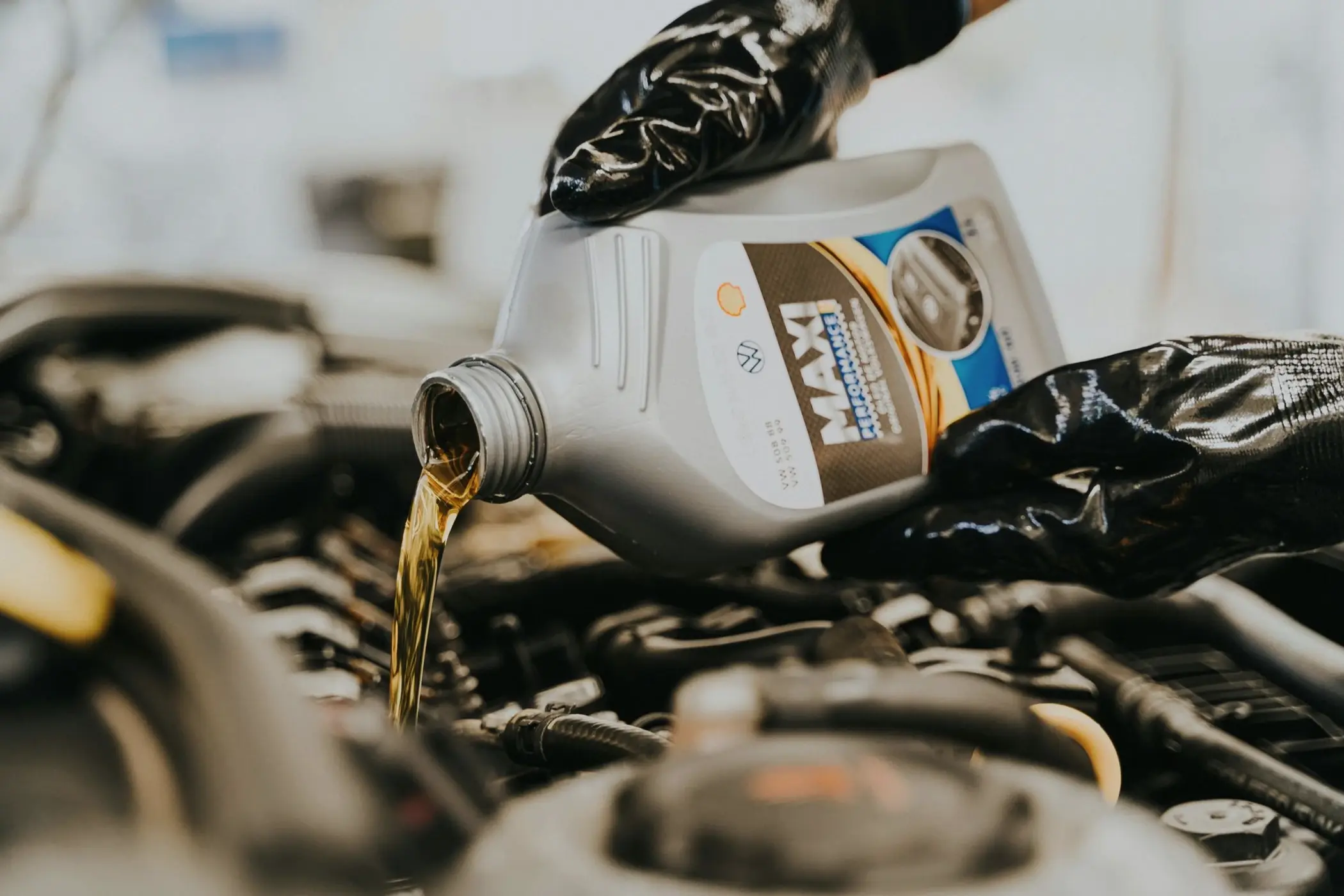
Oil Change Services
Engine oil lubricates, cools and carries contaminants away, and stops doing all three as it ages, which is why it is replaced on an interval, not when something goes wrong.
Check Engine Light
A check engine light means the engine management system has stored a fault code, and the code narrows down where to look rather than telling you what to replace.
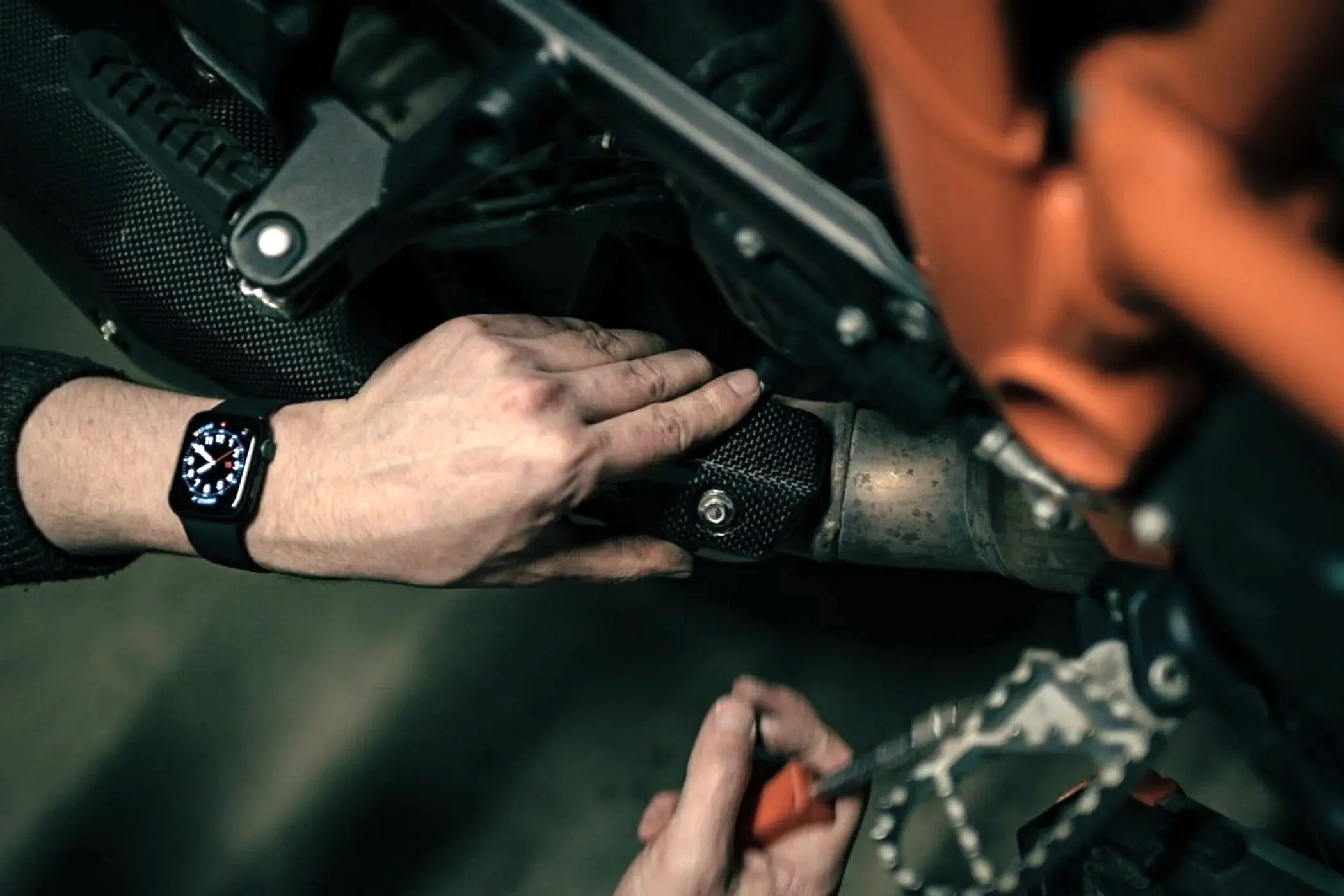
Vehicle Tune-Ups
A tune-up replaces the ignition and filter parts that wear out: spark plugs, ignition coils, air and fuel filters, and the PCV valve.
Belts and Hoses
Belts and hoses are rubber parts that perish with age and heat, and when one fails it usually takes something more expensive with it or leaves you stopped at the roadside.
Preventative Maintenance
Preventative maintenance is servicing components on a schedule so they are replaced while they still work, rather than waiting for the failure and the damage that comes with it.