
Diesel Servicing in Redwood City: Fuel, Filters and Smoke
Diesel engines run at much higher compression than gas engines and have their own service needs, particularly around fuel filtration, water separation and the emissions hardware. Five Points Tire services diesels according to the make, model, usage and mileage of the specific vehicle, and can advise on your recommended intervals.
Diesel servicing at Five Points Tire, in short
Five Points Tire services diesel engines in Redwood City according to the make, model, usage and mileage of the specific vehicle, and can advise on your recommended intervals. Where there is a fault we carry out a thorough diesel engine inspection to find it and recommend a fix. Fuel filtration and the emissions hardware need far more attention than on a gas engine.
A diesel saves you an entire category of maintenance and then spends the savings somewhere else.
There's no ignition system to service, so no plugs, no coils, nothing on that side of the bill at all.
What there is instead is a fuel system built to tolerances that don't forgive dirt, and emissions hardware that cares how you drive.
No spark plugs, and a much fussier fuel system
A diesel lights its fuel by squeezing air until it's hot enough to do the job on its own. No spark, no coil, no distributor.
Compression is far higher than on a gas engine, injection pressures are extreme, and the tolerances inside a diesel injector are very fine indeed.
So the maintenance burden shifts. Almost all of it lands on the fuel side and the emissions side, and there's more of it there than a gas engine ever asks for.
Where the attention goes on a diesel:
- Fuel filtration: More frequent than on a gas engine, and more consequential when it's skipped.
- Water separation: Diesel picks up water. The separator catches it before the injectors do.
- Particulate filter: Collects soot and then has to burn it off, which needs the right kind of driving.
- Glow plugs: Preheat the chamber so a cold engine will fire. They wear out.
- Oil and its interval: Diesel oil works harder and carries far more soot.
Short local trips are the hard case for a modern diesel. A particulate filter needs sustained higher-temperature running to burn off the soot it collects. A vehicle that only ever does short trips around town never gets the chance, so the filter gradually blocks.
Signs you need diesel servicing
- Harder starting, particularly when cold
- More smoke than usual from the exhaust, black, blue or white
- A noticeable loss of power or a drop in fuel economy
- Rough idle or a knock that was not there before
- A warning light for the diesel particulate filter or exhaust system
- You are approaching a service interval, or tow and load heavily
What exhaust smoke color tells you: a quick reference
| Smoke | Usually means | How urgent |
|---|---|---|
| Black | Too much fuel for the air available | Soon |
| Blue | Oil being burnt | Soon |
| White, clears once warm | Condensation, normal on a cold morning | Monitor |
| White, persists when warm | Unburnt fuel, or coolant entering the chamber | Urgent |
| Gray, with power loss | Turbo or intake fault | Soon |
A useful first diagnostic, and one you can do from the driver's seat.
What our team does for diesel servicing
- 01Carry out a thorough diesel engine inspection to find the problem and recommend solutions
- 02Provide specialized maintenance based on the make, model, usage and mileage of the vehicle
- 03Advise on your vehicle's recommended maintenance intervals
Why fuel filtration is the whole game
Contaminated fuel doesn't damage a diesel slowly. It damages the two most expensive parts in the fuel system.
The high pressure pump and the injectors are machined to tolerances where a particle you can barely see behaves like an abrasive.
Water is worse than dirt, because diesel fuel is also the lubricant inside those components and water is the opposite of one.
That's why a diesel filter is changed more often than a gas one, and why it usually has a water separator built in or sitting beside it. It's the cheapest protection on the vehicle.
What the particulate filter needs from you
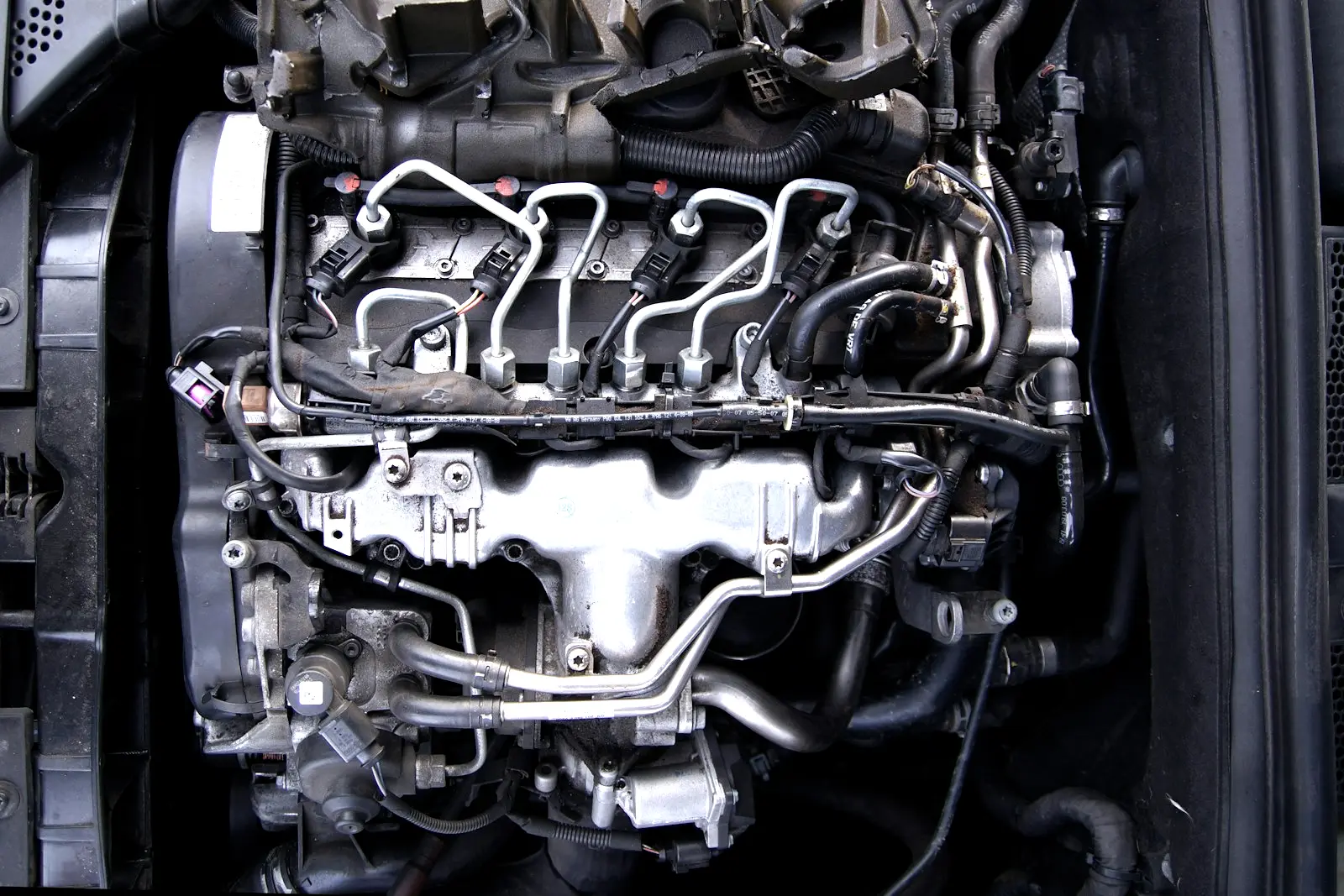
A diesel particulate filter traps soot and then has to get rid of it, which it does by burning it off. That needs sustained heat in the exhaust.
The vehicle manages that process itself when the conditions allow. What it can't do is create the conditions.
A diesel that only does short local runs never gets the exhaust hot enough for long enough. Every trip adds soot and none of it comes back out, so the filter gradually blocks and a warning light eventually arrives.
If that describes how your vehicle gets used, it's much better to know early than to find out from the dashboard.
Want it checked? Describe what the car is doing and Five Points Tire will tell you whether it needs diesel servicing or something else. Call 650-365-0280, or send the form and someone calls you back. Request an appointment
Diesel servicing against gas
| Item | Gas | Diesel |
|---|---|---|
| Spark plugs | Scheduled replacement | None fitted |
| Glow plugs | Not fitted | Wear out, cause hard cold starting |
| Fuel filtration | Routine | Critical, water separation included |
| Particulate filter | Rare | Standard, and blocked by short trips |
| Injection pressure | Moderate | Very high, tight tolerances |
No ignition system to service, but considerably more on the fuel and emissions side.
Glow plugs and the cold start that keeps getting worse
A cold diesel needs help. Glow plugs preheat the combustion chamber so the compressed air is hot enough to light the fuel on the first turn.
They fail one at a time, which is why the complaint arrives so gradually. One gone and it cranks a little longer on a cold morning. Two or three gone and it takes several attempts, or waits until the afternoon.
The signature is precise and worth recognizing. Cold starting gets steadily worse while warm starting stays completely normal.
Battery condition and fuel supply cause hard starting too, so it gets checked rather than assumed. But that pattern points at glow plugs first.
Why usage changes your intervals more than mileage
Two identical trucks, same year, same odometer reading, can need noticeably different service schedules.
One tows a loaded trailer up grades at weekends. The other does a four-mile commute. The first is working the fuel system, the cooling system and the oil hard. The second barely gets the exhaust warm.
Both are harder on the engine than steady freeway miles, in opposite directions, and neither is described by the odometer.
So we service diesels against the make, model, usage and mileage of the specific vehicle, and we can tell you what the manufacturer asks for yours.
Common diesel maintenance mistakes to avoid
- Stretching the fuel filter interval. It protects the pump and the injectors, which are the expensive end of a diesel.
- Using a diesel only for short local trips. The particulate filter never gets hot enough to clear itself, and it will eventually block.
- Ignoring smoke because it's a diesel. Black, blue and persistent white each point somewhere specific, and none of them are normal.
- Assuming a hard cold start is the battery. If warm starting is fine and cold starting gets worse every month, look at the glow plugs.
- Running it on a gas service schedule. There's no ignition work to do, but the fuel and emissions side needs considerably more.
The bottom line
Keep the fuel filter on schedule, and drain the water separator if yours has one. That's most of the job done.
If the vehicle lives on short trips, plan around the particulate filter rather than waiting for the light.
Note the color of any smoke and when it appears, and note whether hard starting is cold only. Both narrow it down before we start.
Tell Five Points Tire the make, model and how you use it on 650-365-0280. A truck that tows all day and one that idles around town need different intervals.
Diesel servicing questions we get asked
Question not on the list? Ask us directly.
How is diesel maintenance different from gas?
- There is no ignition system to service, but fuel filtration, water separation and the emissions hardware need considerably more attention. Diesel fuel filters are changed more often, and modern diesels have particulate filters and related systems that gas engines do not.
Why is my diesel hard to start when cold?
- Most commonly failing glow plugs, which preheat the chamber so the engine will fire when cold. The signature is that cold starting gets steadily worse while warm starting remains fine. Fuel supply and battery condition are the other usual suspects.
Are short trips bad for a diesel?
- They are harder on a modern diesel than on a gas car. The particulate filter needs sustained warm running to burn off accumulated soot, and a vehicle that only does short local journeys never reaches that, so the filter gradually blocks.
What does black smoke from a diesel mean?
- Generally that it is burning too much fuel for the air available, which points at the air intake, the injectors, or a turbo issue. It is worth diagnosing rather than living with, since it usually indicates something that is also costing you fuel. Five Points Tire reads black smoke against fuel, air and injection together rather than treating it as one fault.
Related services
Fuel Filter Services
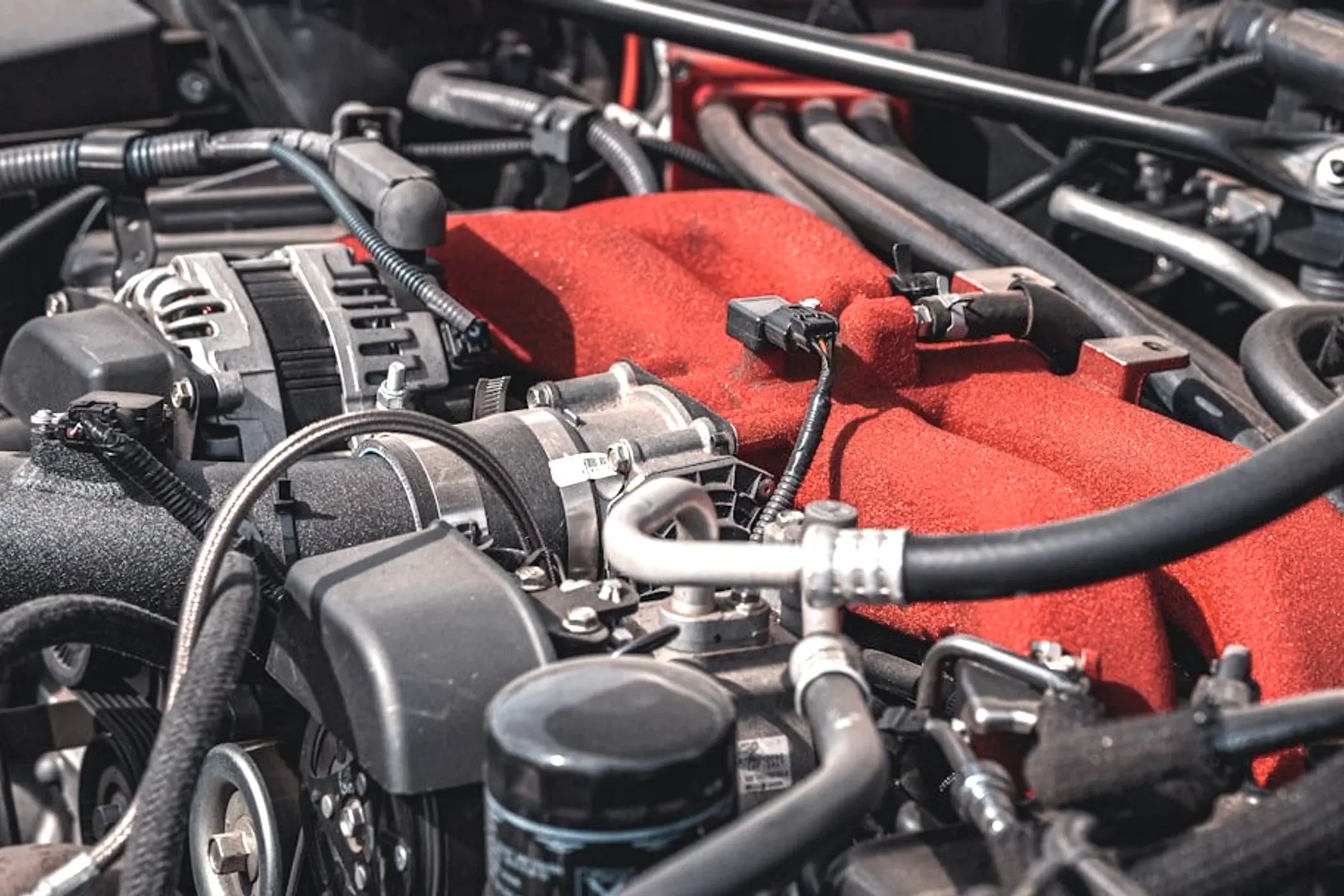
The fuel filter keeps rust, sediment and debris out of your injectors, and a clogged one starves the engine of fuel exactly when it is asking for the most.
Oil Change Services
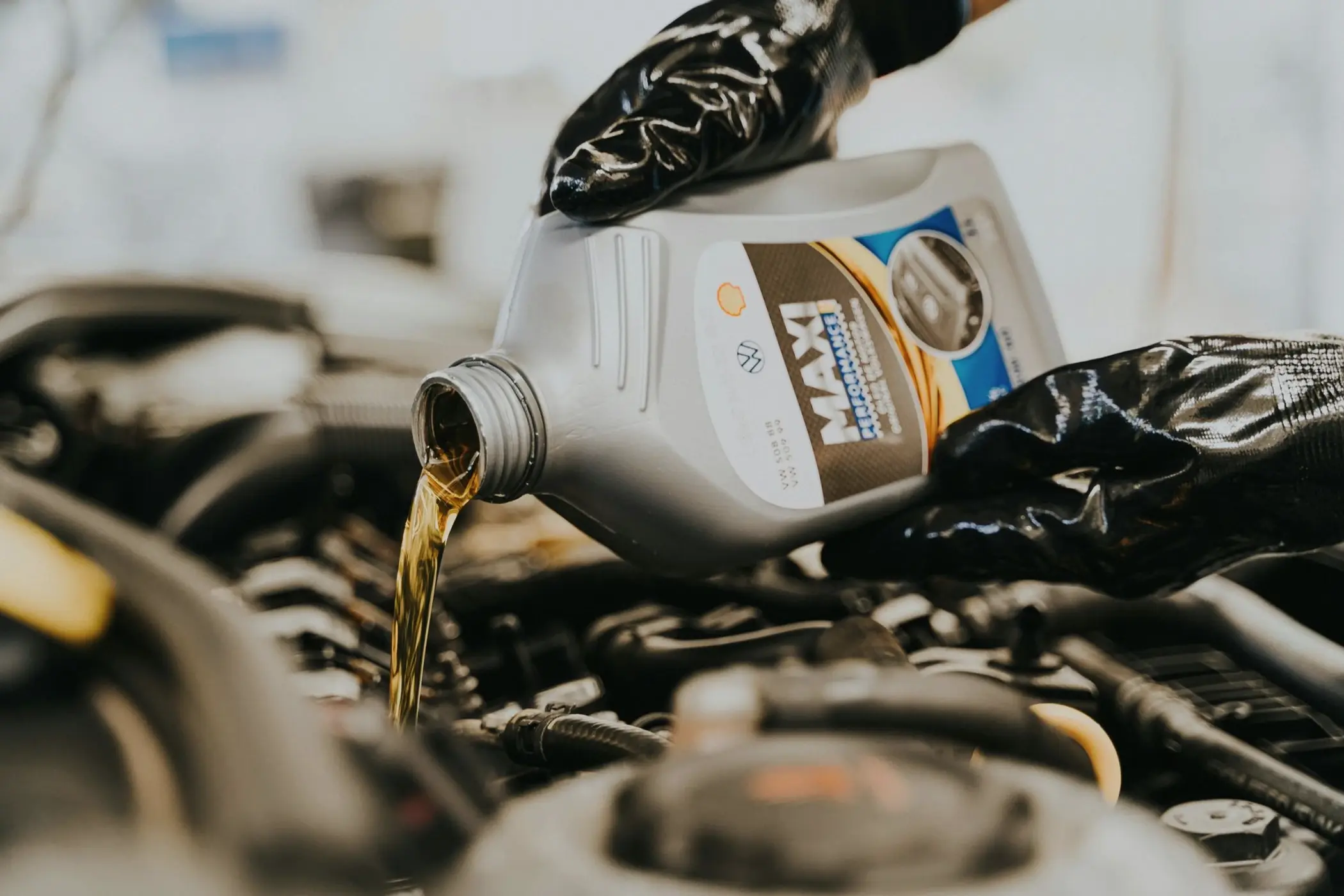
Engine oil lubricates, cools and carries contaminants away, and stops doing all three as it ages, which is why it is replaced on an interval, not when something goes wrong.
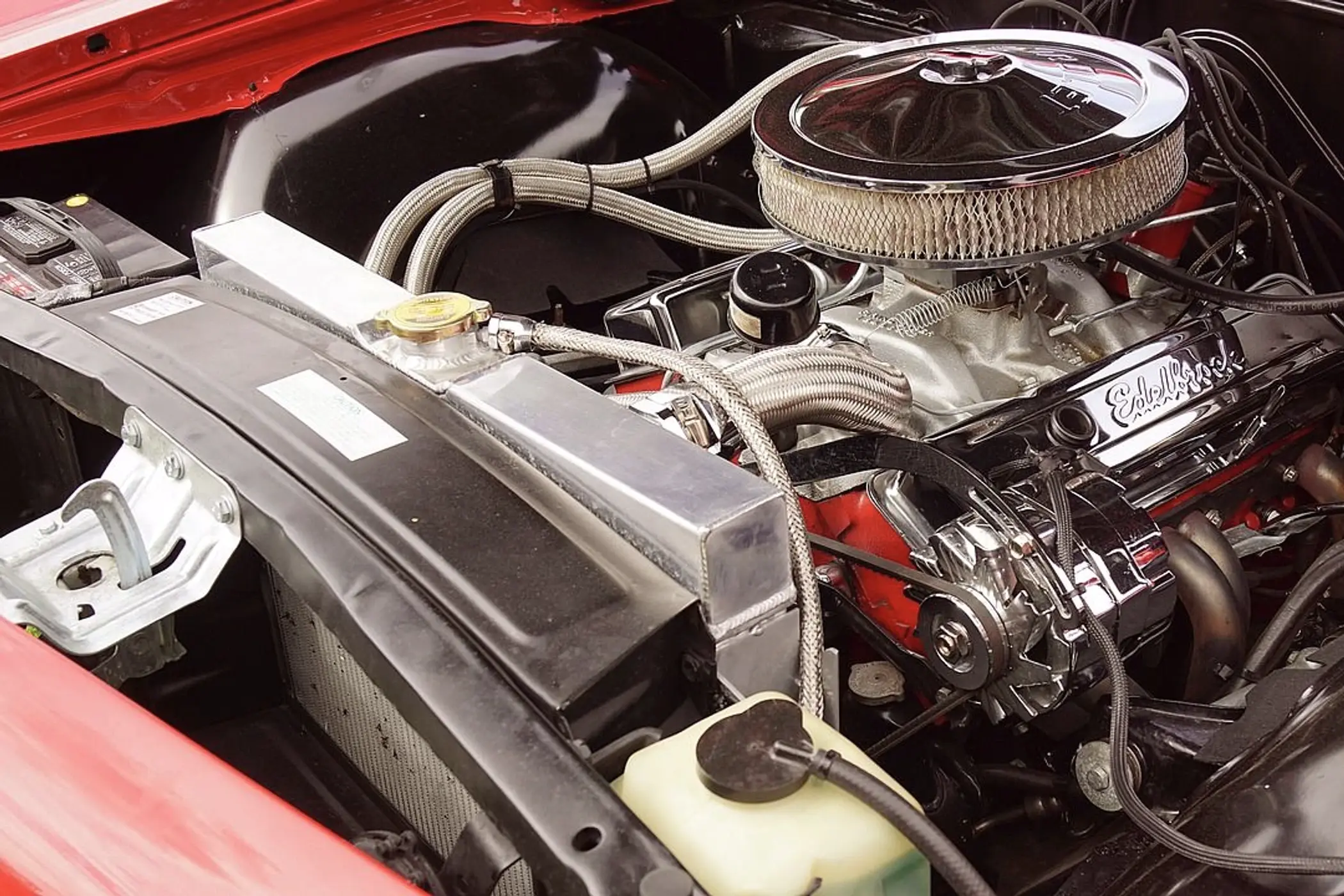
Engine Air Filter
The engine air filter stops dust and grit reaching the inside of your engine, and as it clogs the engine has to work harder to breathe, which costs you power and fuel.
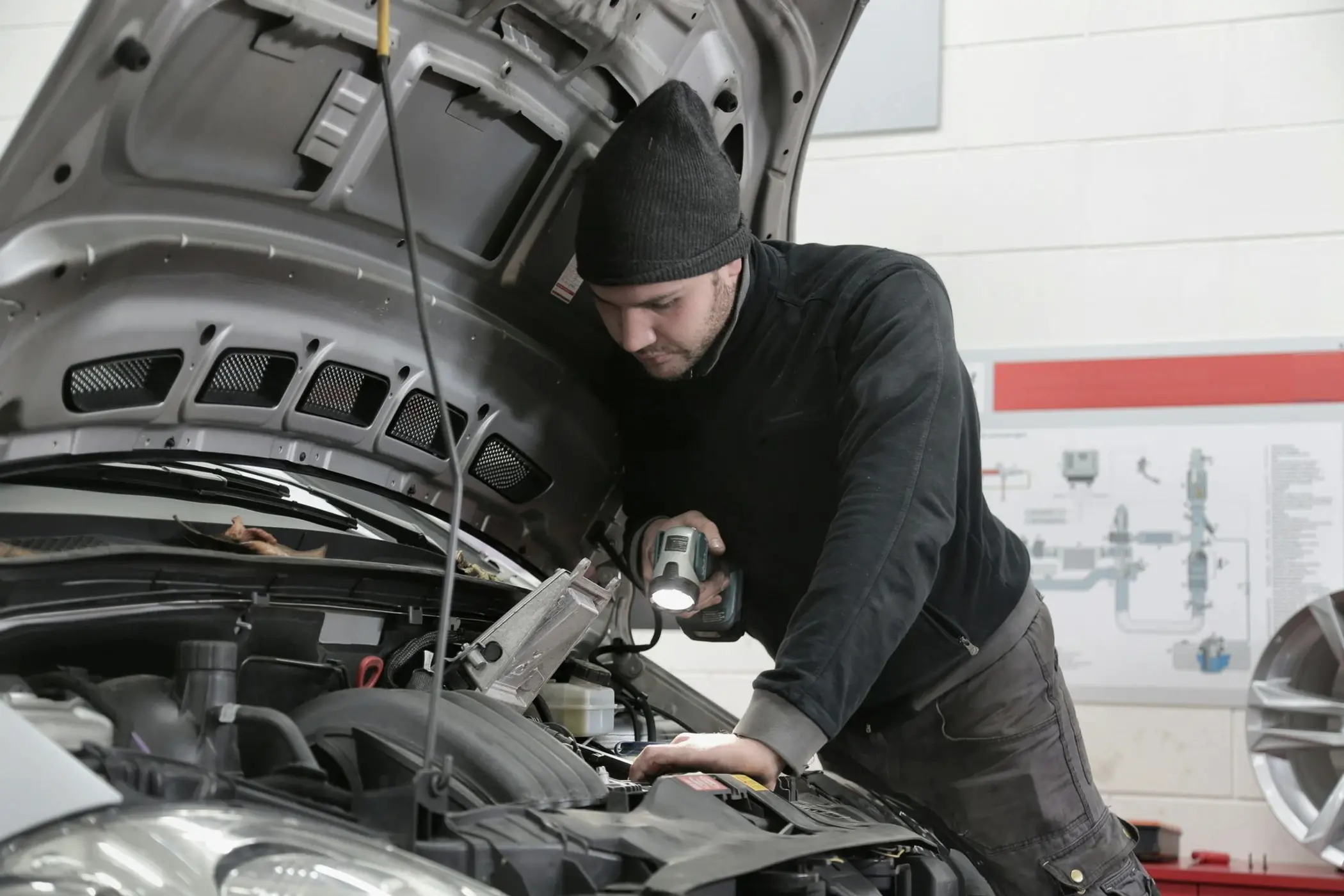
Preventative Maintenance
Preventative maintenance is servicing components on a schedule so they are replaced while they still work, rather than waiting for the failure and the damage that comes with it.
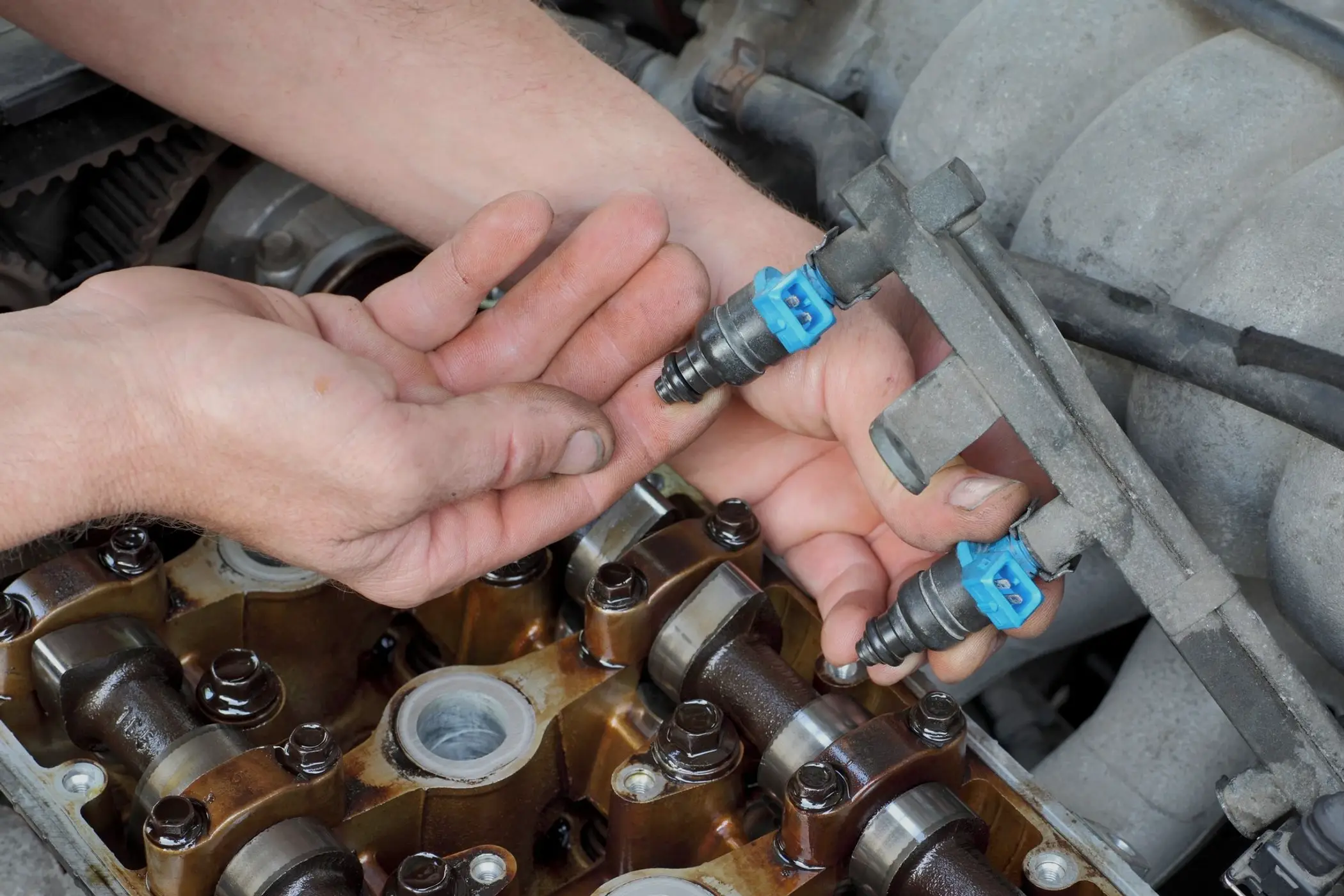
Fuel Injectors
Fuel injectors spray a precisely metered, finely atomised mist of fuel into the engine, and when their nozzles foul the spray pattern degrades and the engine misfires, runs rough and drinks more fuel.
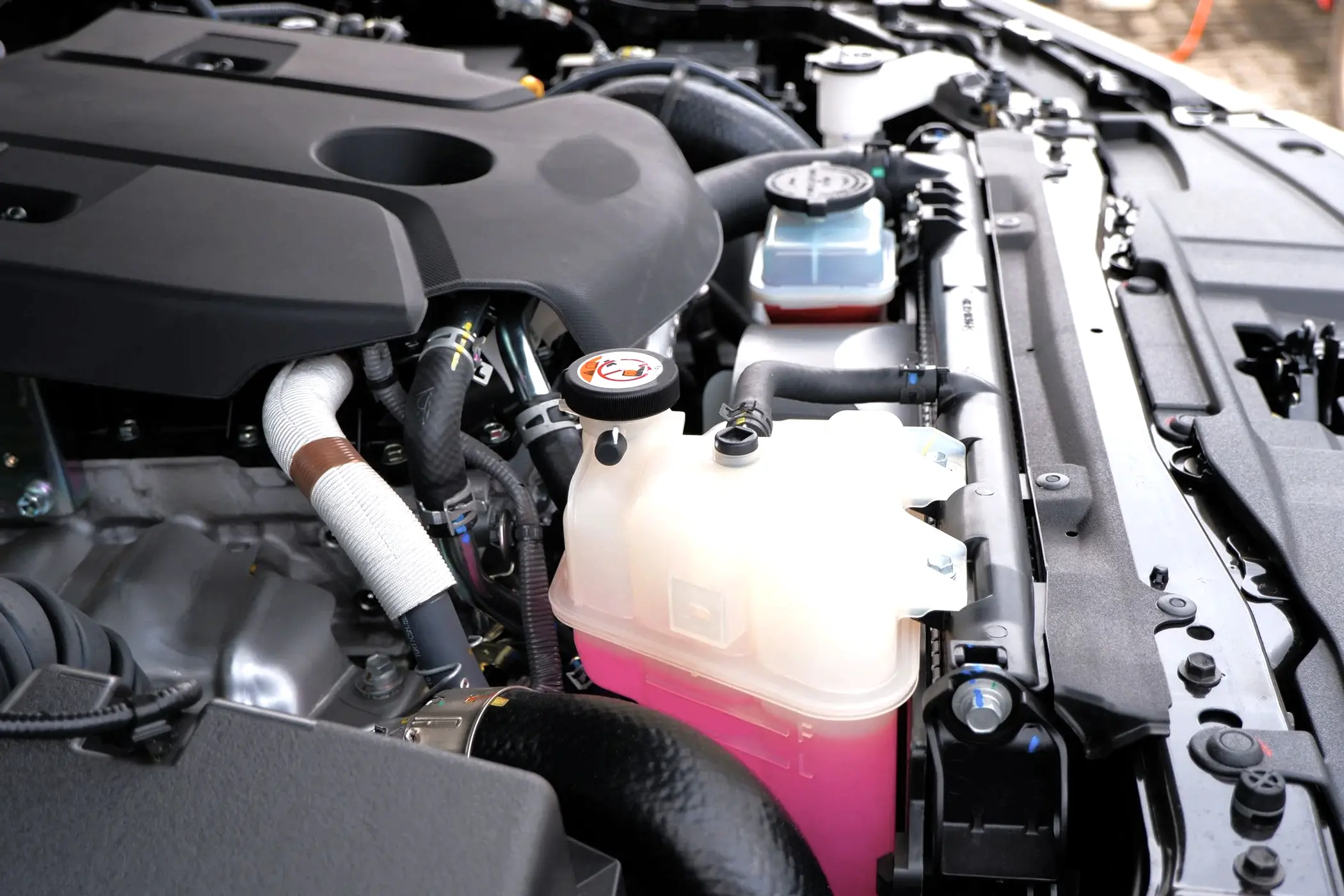
Cooling System
An engine that overheats even briefly can warp a cylinder head, so a cooling system problem is one of the few faults where continuing to drive genuinely makes it far more expensive.