Scheduled Maintenance in Redwood City: What It Prevents
Preventative maintenance is servicing components on a schedule so they are replaced while they still work, rather than waiting for the failure and the damage that comes with it. Five Points Tire can work through your vehicle's scheduled maintenance and tell you what is actually due rather than selling you the whole list.
Scheduled maintenance at Five Points Tire, in short
Five Points Tire handles scheduled maintenance in Redwood City and tells you what is actually due rather than selling you the whole list. The argument for it is simple: a timing belt against an engine, a coolant service against a radiator and water pump. We have been maintaining cars from the same address since 1964.
Maintenance is the only part of car ownership where you get to pick the date.
Everything else happens when it happens, which is usually a Tuesday morning when you needed the car. Scheduled work is the one category you control.
That's the real argument for it. Not that maintenance is cheap, although most of it is, but that the alternative is the same money at a worse time with a bigger number attached.
Why a schedule beats a repair bill
The whole logic of scheduled maintenance is in one example: a timing belt changed on time is a routine part, and the same belt left too long can finish the engine.
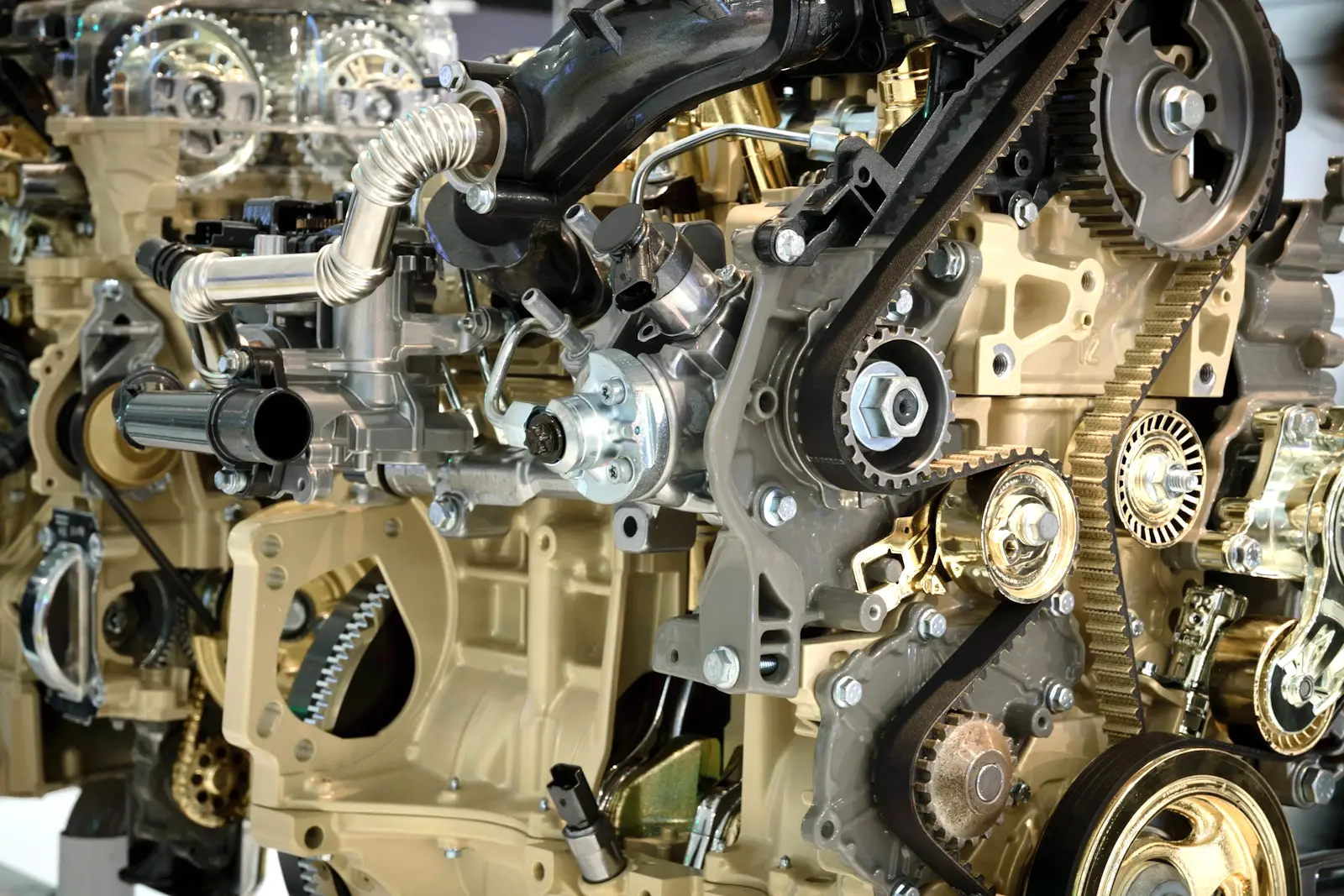
Same part, two outcomes, and the only thing standing between them is whether it was changed on time.
Nothing on the schedule is expensive. Everything on it prevents something that is.
Severe service catches more people than they expect. Frequent short trips, stop-start traffic, dusty conditions, towing and heavy loads usually qualify a vehicle for the shorter severe-service intervals. Local driving that never lets the engine warm through counts.
Signs you need a service
- You are approaching a scheduled service interval in your handbook
- A maintenance reminder or service light has appeared
- You have just bought the car and do not know its service history
- You are about to drive a long distance and want it checked over first
- Something feels slightly different and you cannot place what
- It has been more than a year since anything was looked at
What scheduled work prevents
| Scheduled item | If it is left | Difference |
|---|---|---|
| Timing belt | Snaps, and on an interference engine bends valves | A belt against an engine |
| Brake fluid | Absorbs moisture and boils under hard use | A fluid change against brake failure |
| Serpentine belt | Takes charging, cooling and steering with it | A belt against a roadside recovery |
| Coolant | Loses inhibitors and corrodes the system from inside | A service against a radiator and pump |
| Engine oil | Additives deplete, deposits build | A service against engine wear |
The comparison is not maintenance against nothing. It is maintenance against the failure.
Your manual is the schedule that matters
Generic intervals are a reasonable fallback. They are a fallback.
The schedule in your owner's manual was written for your engine, your transmission and the fluids they actually take, and it's usually laid out as a plain table by mileage.
Most manufacturers publish the same thing online for the exact year and model, so a missing handbook isn't the end of it.
If you have neither, we can work from the vehicle. But the manual is the better starting point and it costs nothing to look.
The failures that start quietly
The parts that fail loudly are the easy ones. You hear a brake, you feel a shock, you notice a belt.
Fluids don't do that. They degrade chemically while looking much the same, and they take the components around them along.
Brake fluid absorbs moisture from the air over the years. It stops the car perfectly well in normal driving, right up to the day you need it hard and hot and it boils.
Coolant loses its corrosion inhibitors long before it loses its ability to carry heat. Once those are gone it works on the radiator, the water pump and the heater core from the inside, quietly, for years.
That's the category worth being disciplined about, because there's no symptom to wait for.
Does your driving count as severe service?
Most manufacturers publish two schedules, and most people read the wrong one.
The severe service schedule has shorter intervals, and it isn't for racing. It's for short trips, stop-start traffic, extreme temperatures, dust, towing and heavy loads.
A short local run never gets the engine fully warm, so moisture and fuel don't burn out of the oil and the exhaust never dries out. Doing that twice a day is harder on a car than the same mileage in one freeway trip.
A lot of drivers qualify without ever realizing it. If your car mostly does errands around Redwood City, read the severe column.
Want it checked? Describe what the car is doing and Five Points Tire will tell you whether it needs a service or something else. Call 650-365-0280, or send the form and someone calls you back. Request an appointment
Buying a car with no service history
A used car with no receipts is a car where every interval is unknown, and unknown has to be treated as overdue.
That sounds pessimistic. It's just the only assumption that can't hurt you, and it matters most on the items where failure is expensive rather than merely inconvenient.
Timing belt, coolant, brake fluid and transmission fluid are the four worth resetting to zero. None can be assessed by looking, and all of them are cheap next to what they protect.
A seller's recollection isn't a service record. Receipts are.
The half of maintenance that never shows on the invoice
The other half of scheduled work is that it's the only time anybody looks at the whole car.
Uneven tire wear pointing at alignment. A seal that's started weeping. A hose going soft. A battery reading low. None of those are why the car came in, and all of them are visible while it's up.
Each one is cheap at that moment and considerably less cheap six months later, which is a benefit you never see itemized, because it's a repair that didn't happen.
We'll tell you what's actually due and what can wait. We've been maintaining cars from this address since 1964, and selling people the whole list has never been how that works.
Common scheduled maintenance mistakes to avoid
- Reading the normal schedule when you drive severe. Short trips, traffic, dust and towing all shorten the intervals, and most drivers qualify for at least one.
- Judging fluids by how they look. Brake fluid and coolant lose their properties long before they lose their color.
- Assuming a low-mileage car is a maintained car. Fluids and rubber age on time as much as on distance. A car that sits still is still aging.
- Treating an unknown history as a clean one. Unknown means overdue on anything where the failure is expensive.
- Doing the whole list at once because it's simpler. Ask what's actually due. A schedule is a sequence, not a shopping cart.
- Skipping it because nothing feels wrong. Nothing feeling wrong is the normal condition right up until it isn't.
The bottom line
Find your schedule first. It's in the owner's manual, or online for your exact year and model.
Then work out honestly which column you're on. Short local trips and stop-start traffic usually mean the severe one.
If you bought the car used with no records, treat the expensive items as due rather than as probably fine.
Bring it to Five Points Tire at 2115 El Camino Real and we'll tell you what's actually due, rather than what the whole list says. Call 650-365-0280.
Scheduled maintenance questions we get asked
Question not on the list? Ask us directly.
What is preventative maintenance on a car?
- It is servicing and replacing parts on a planned schedule, before they fail, rather than repairing them afterwards. Oil and filters, fluids, belts, brakes and tires all have expected service lives, and replacing them on time is what avoids the larger failures they cause.
Is preventative maintenance worth the cost?
- The comparison is not maintenance against nothing, it is maintenance against the repair it prevents. A coolant service against a warped cylinder head, or a belt against a destroyed engine. Scheduled work is also predictable, which the failures are not.
Where do I find my car's maintenance schedule?
- In your owner's manual, usually as a table by mileage. Many manufacturers also publish it online for your exact year and model. If you do not have it, bring the car in and we can work from the vehicle.
Does my driving count as severe service?
- More often than people expect. Frequent short trips, stop-start traffic, extreme temperatures, dusty conditions, towing or carrying heavy loads all usually qualify, and severe service intervals are shorter. Local driving that never lets the engine warm through counts. Tell Five Points Tire how you actually use the vehicle and the schedule gets set against that rather than against the mileage alone.
Related services
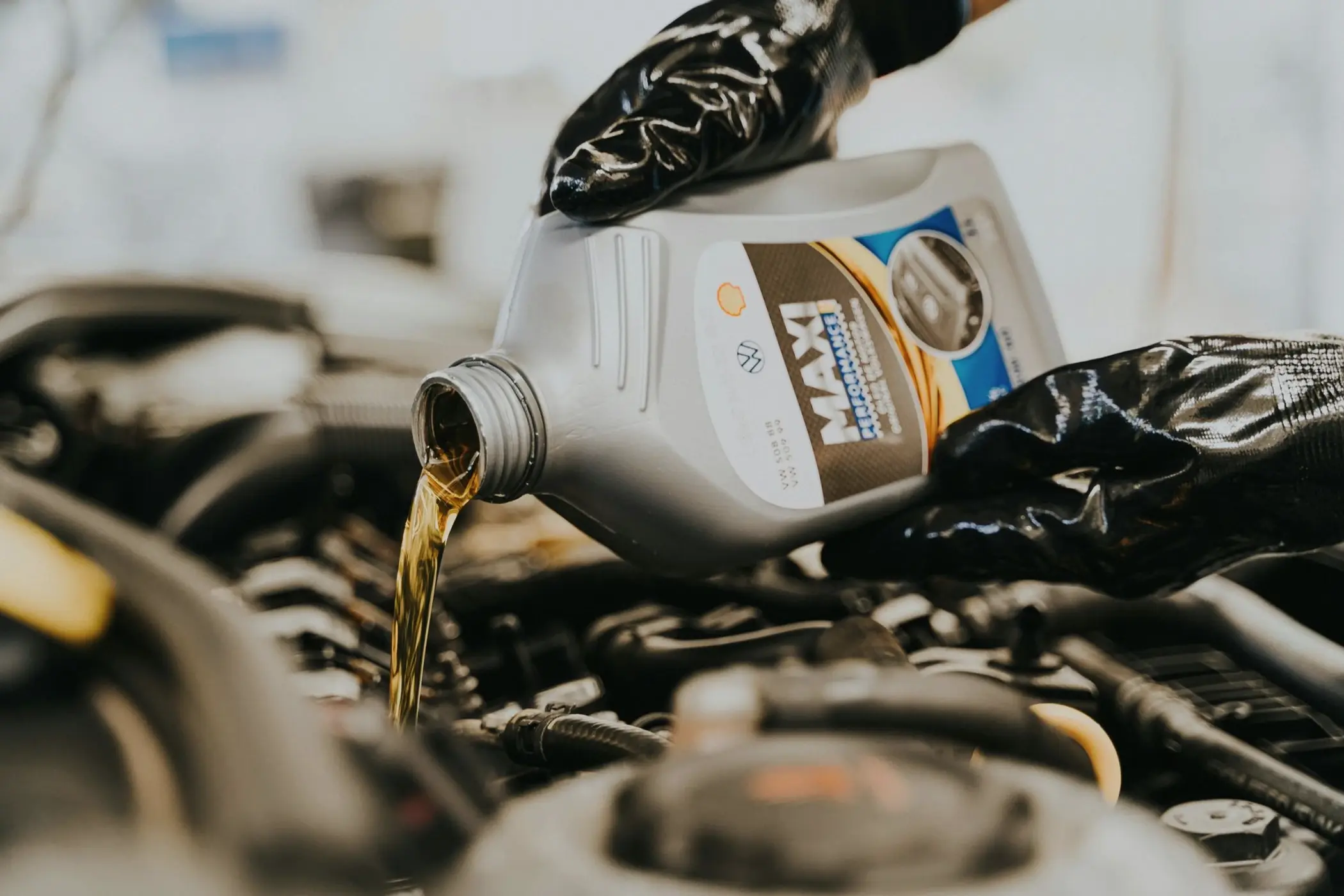
Oil Change Services
Engine oil lubricates, cools and carries contaminants away, and stops doing all three as it ages, which is why it is replaced on an interval, not when something goes wrong.
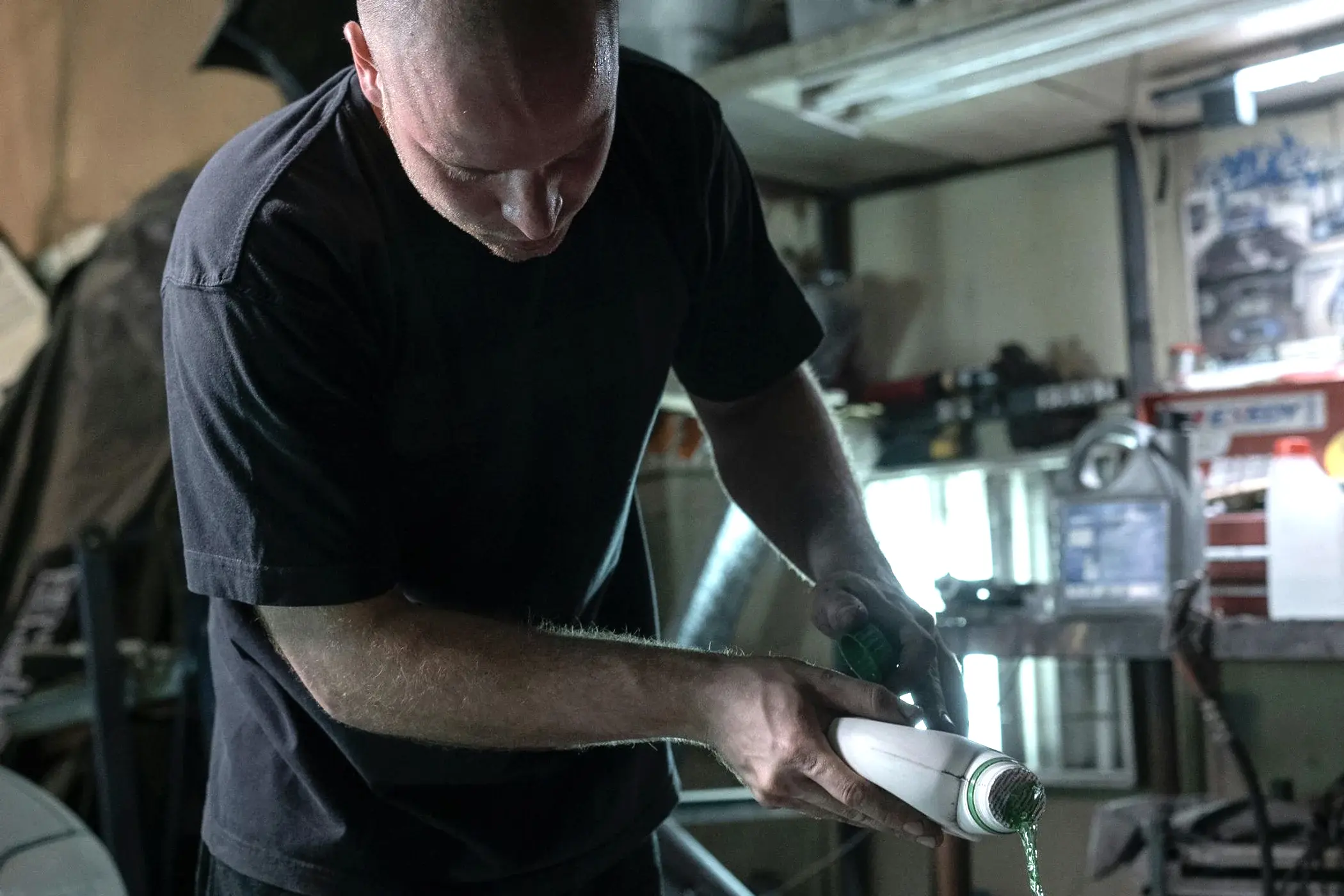
Fluid Inspections
Every major system in your car runs on a fluid, and most of them fail quietly by degrading rather than by running out.
Vehicle Tune-Ups
A tune-up replaces the ignition and filter parts that wear out: spark plugs, ignition coils, air and fuel filters, and the PCV valve.
Vehicle Inspections
California does not require a periodic safety inspection, so a voluntary check is the only thing that catches brake, tire, steering and suspension wear before it becomes a failure.
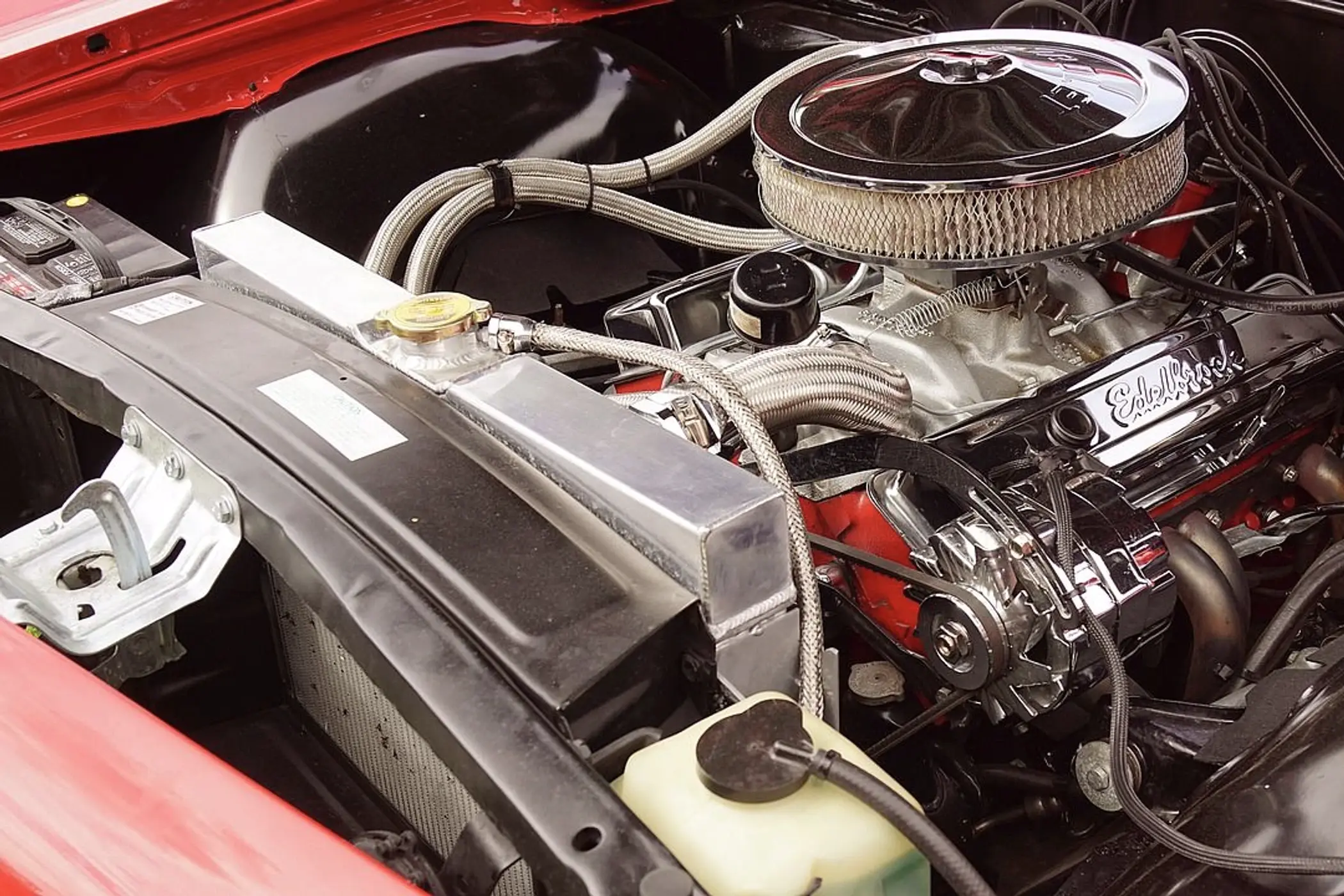
Engine Air Filter
The engine air filter stops dust and grit reaching the inside of your engine, and as it clogs the engine has to work harder to breathe, which costs you power and fuel.
Belts and Hoses
Belts and hoses are rubber parts that perish with age and heat, and when one fails it usually takes something more expensive with it or leaves you stopped at the roadside.