Drivetrain Repair in Redwood City: Clicks, Clunks and Vibration
The drivetrain is everything that carries power from your engine to the wheels, and a fault anywhere in it shows up as vibration, clunking or a driveline that does not feel connected. Five Points Tire works across all four drivetrain layouts, front-wheel drive, rear-wheel drive, all-wheel drive and four-wheel drive.
Drivetrain repair at Five Points Tire, in short
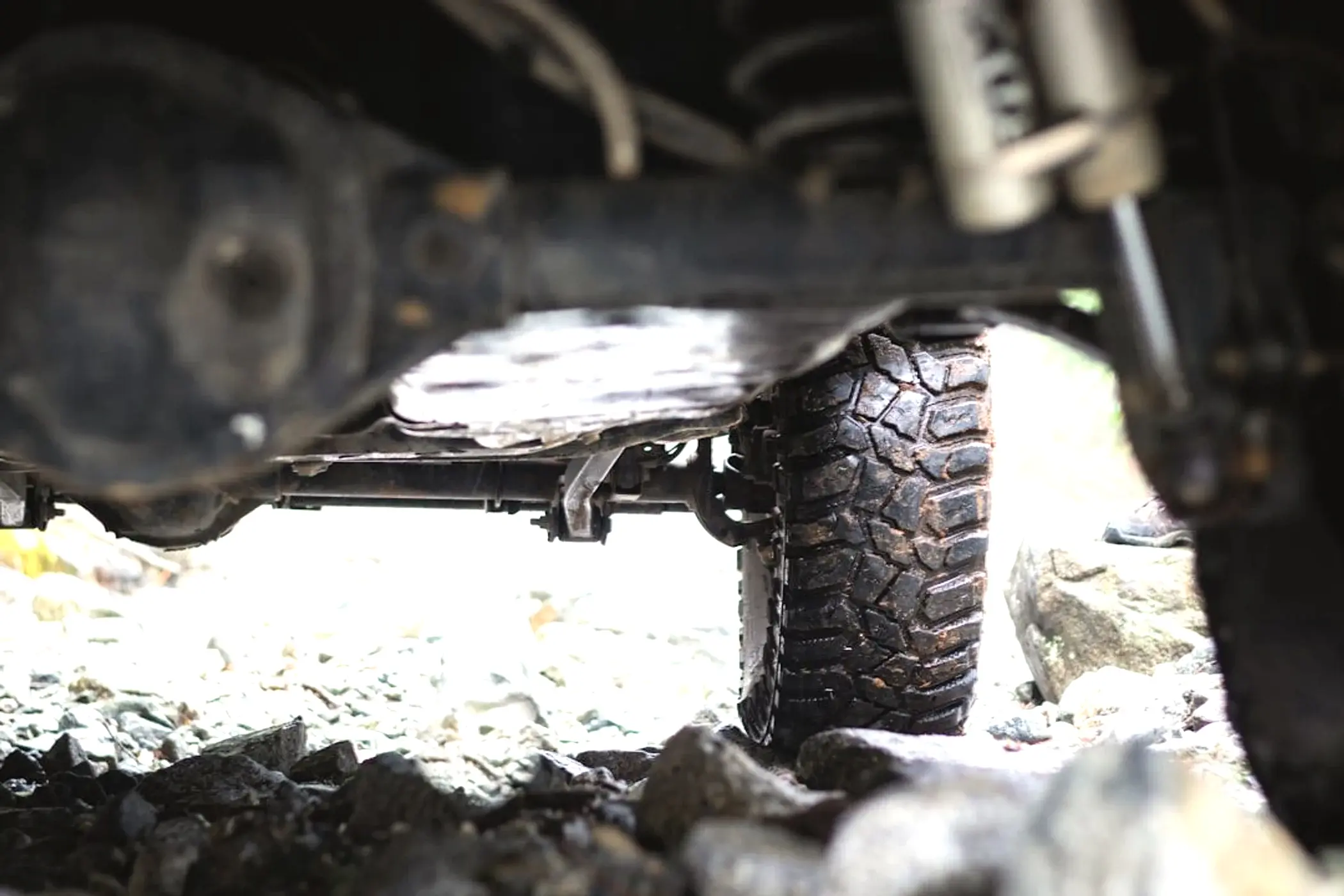
Five Points Tire diagnoses and services drivetrains in Redwood City across all four layouts: front-wheel drive, rear-wheel drive, all-wheel drive and four-wheel drive. Clicking on full lock is almost always an outer CV joint, usually after a torn boot let the grease out. Caught while the boot is only just split, the fix is often much smaller.
Drivetrain is the collective name for everything between the transmission and the road, and it's where a lot of unexplained noises live.
The useful thing is that most of them are quite specific. A click, a clunk and a vibration each point somewhere different, and telling them apart narrows the job considerably.
What counts as the drivetrain
Driveshafts, CV joints, universal joints, the differential, and on all-wheel and four-wheel drive vehicles the transfer case as well.
What they have in common is that they transmit torque while the suspension is moving underneath them. Everything has to flex and rotate at the same time, which is why the joints are the parts that wear.
It's worth separating from powertrain, a term you'll see in warranty documents. Powertrain includes the engine and transmission. Drivetrain is everything after them.
Grease inside the wheel is your early warning. A split CV boot flings grease around the inside of the wheel long before the joint starts clicking. Caught at that point the fix is often just the boot, which is a fraction of the cost of the joint.
Signs you need drivetrain work
- A clunk when you pull away, or when shifting between drive and reverse
- A vibration that increases with road speed
- A clicking noise when turning at low speed, usually one side
- A whine or howl from underneath
- A shudder under acceleration
- Grease flung around the inside of a wheel, which means a torn boot
Drivetrain symptoms by layout
| Layout | Common wear item | Signature symptom |
|---|---|---|
| Front-wheel drive | Outer CV joints | Rhythmic clicking on full lock |
| Rear-wheel drive | Universal joints, center support bearing | Clunk on take-up, vibration at speed |
| All-wheel drive | Transfer case, both differentials | Binding, whine, sensitivity to tire mismatch |
| Four-wheel drive | Transfer case and engagement mechanism | Will not engage, or will not release |
What wears depends on how the vehicle puts power down.
What our team does for drivetrain repair
Diagnose and service the drivetrain across all four configurations: front-wheel drive, rear-wheel drive, all-wheel drive and four-wheel drive.
Clicking when you turn is almost always a CV joint
A rhythmic click-click-click at low speed, loudest on full lock in a parking lot, is an outer CV joint, and the side it's loudest on is normally the side that's worn.
The cause is nearly always a split rubber boot that let the grease out and road grit in.
Once it's clicking the joint is already worn. The useful window is earlier.
A torn CV boot is your early warning
The boot fails long before the joint does, and it leaves visible evidence.
Grease gets flung outward as the shaft turns, so you'll find dark streaks on the inside of the wheel and around the arch.
Caught at that point, the fix is often just the boot and a repack, which is a fraction of the cost of the joint or a whole axle.
It's worth a look whenever the wheels are off, which is another reason a tire rotation earns its keep.
Worth checking on any drivetrain complaint:
- CV boots, both ends of each shaft. Look for splits, and for grease flung around the wheel.
- Universal joints. On rear-wheel drive, look for rust dust around the caps.
- The center bearing. Mid-shaft on longer driveshafts. Produces a vibration at a specific speed.
- Differential and transfer case seals. Oily film means a seal is weeping.
- Motor and transmission mounts. Worn mounts let everything shift, which produces clunks that mimic drivetrain wear.
Want it checked? Describe what the car is doing and Five Points Tire will tell you whether it needs drivetrain work or something else. Call 650-365-0280, or send the form and someone calls you back. Request an appointment
Vibration: road speed or engine speed?
For a vibration, this is the question that matters, and you can answer it yourself.
Get up to the speed where you feel it, then shift to neutral and coast. If the vibration continues unchanged, it tracks road speed and it's something rotating with the wheels.
If it changes or disappears, it tracks engine speed and the cause is elsewhere entirely.
| Tracks | Points at | Examples |
|---|---|---|
| Road speed | Anything turning with the wheels | Driveshaft balance, universal joints, wheel bearings, tires |
| Engine speed | Engine and its mounts | Misfire, mounts, accessory pulleys |
| Only under acceleration | Loaded driveline | Worn joints, mounts, or driveline angle |
| Only while braking | Brakes | Rotors, not drivetrain |
The neutral coast test takes ten seconds and rules out half the possibilities.
What your drive layout changes about wear
How your car puts power down determines which parts do the hard work.
Front-wheel drive puts steering and driving through the same joints, so CV joints are the common wear item and clicking on lock is the classic symptom.
Rear-wheel drive uses a long driveshaft with universal joints and often a center support bearing. Clunks on take-up and speed-related vibrations are more typical.
All-wheel drive adds a transfer case and is unusually sensitive to mismatched tire diameters, because a difference between axles makes the system fight itself continuously.
Common drivetrain mistakes to avoid
- Waiting until the clicking starts. By then the joint is worn. A split boot caught early is a much smaller job.
- Ignoring grease on the inside of a wheel. That's a torn boot announcing itself, and it's the cheapest moment to act.
- Fitting mismatched tires on all-wheel drive. Different rolling diameters load the transfer case continuously.
- Assuming a vibration is wheel balance. Do the neutral coast test first. It separates road-speed from engine-speed causes in ten seconds.
- Overlooking motor mounts. Worn mounts produce clunks that feel exactly like drivetrain wear.
The bottom line
Clicking on full lock is a CV joint. A speed-related vibration wants the neutral coast test before anything else. A clunk on take-up is slack somewhere in the driveline.
Those three cover most of what comes through the door, and telling us which one you have saves diagnostic time.
We work across front-wheel, rear-wheel, all-wheel and four-wheel drive at 2115 El Camino Real.
Call Five Points Tire on 650-365-0280 and tell us which wheels drive the car if you know. It changes what we check first and what the job involves.
Drivetrain repair questions we get asked
Question not on the list? Ask us directly.
What is the difference between drivetrain and powertrain?
- Powertrain covers the engine and transmission as well as everything that delivers power to the wheels. Drivetrain is the part after the transmission: driveshafts, joints, differentials and transfer case. The distinction matters mostly when reading warranty terms.
What does a clicking noise when turning mean?
- Almost always a worn outer CV joint, and normally on the side you are turning towards. It usually follows a split boot that let the grease escape. Caught while the boot is only just torn, it is often a much smaller repair.
Why does my car vibrate at higher speeds?
- If the vibration tracks road speed it is something rotating with the wheels: wheel balance, a driveshaft, a universal joint or a wheel bearing. If it tracks engine speed instead, the cause is elsewhere. Which one it follows is the first thing to establish.
Do all-wheel drive cars need matched tires?
- They are much more sensitive to it than other layouts. Different rolling diameters between axles make the drivetrain work continuously against itself, which loads the transfer case and differentials. It is why replacing all four is often recommended on AWD. Five Points Tire measures tread across all four tires before recommending anything on an all-wheel drive vehicle.
Related services
Transmission Service
Transmission problems almost always announce themselves gradually through slipping, harsh or delayed shifts and burnt fluid, and acting at that stage is the difference between a service and a rebuild.
Differential
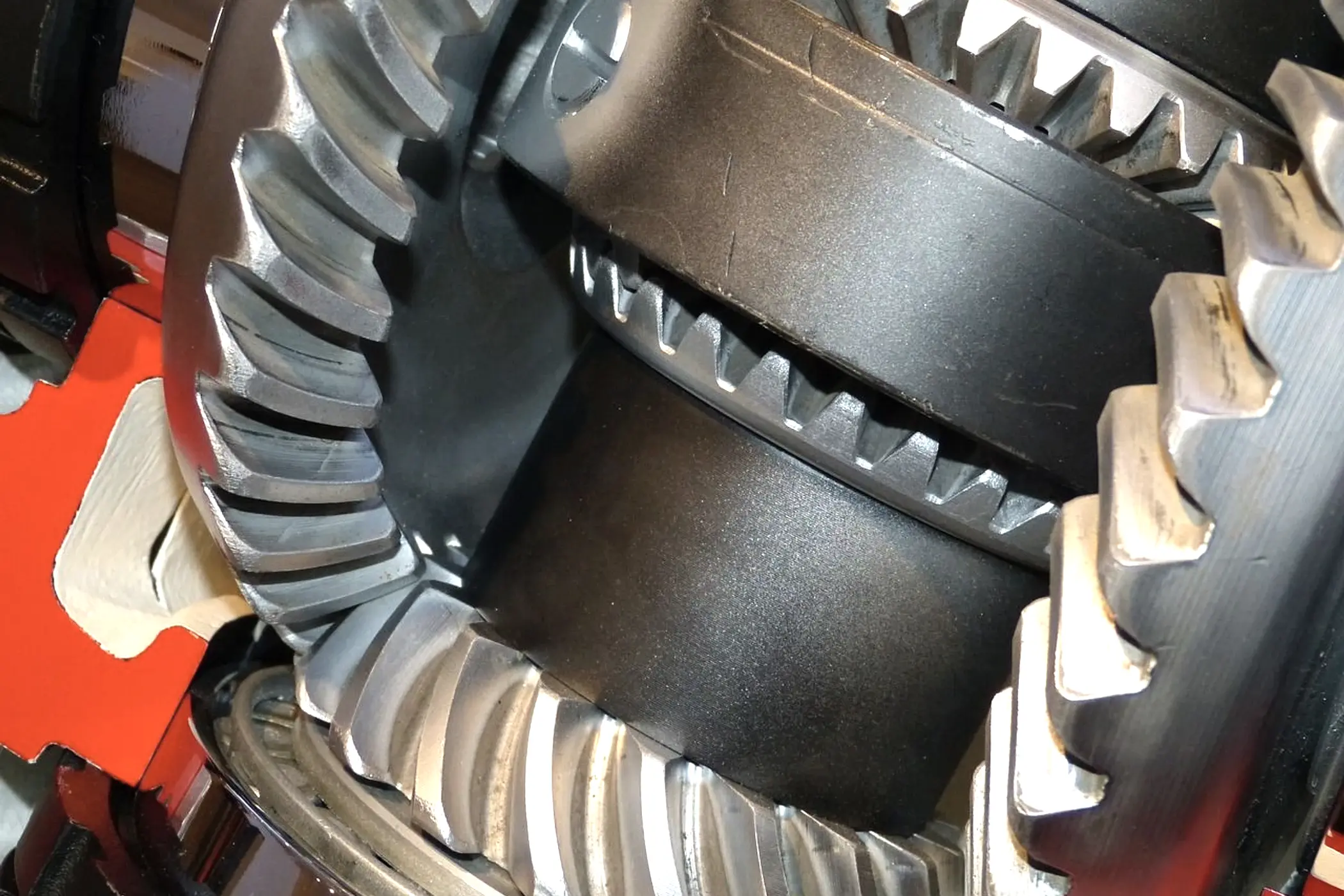
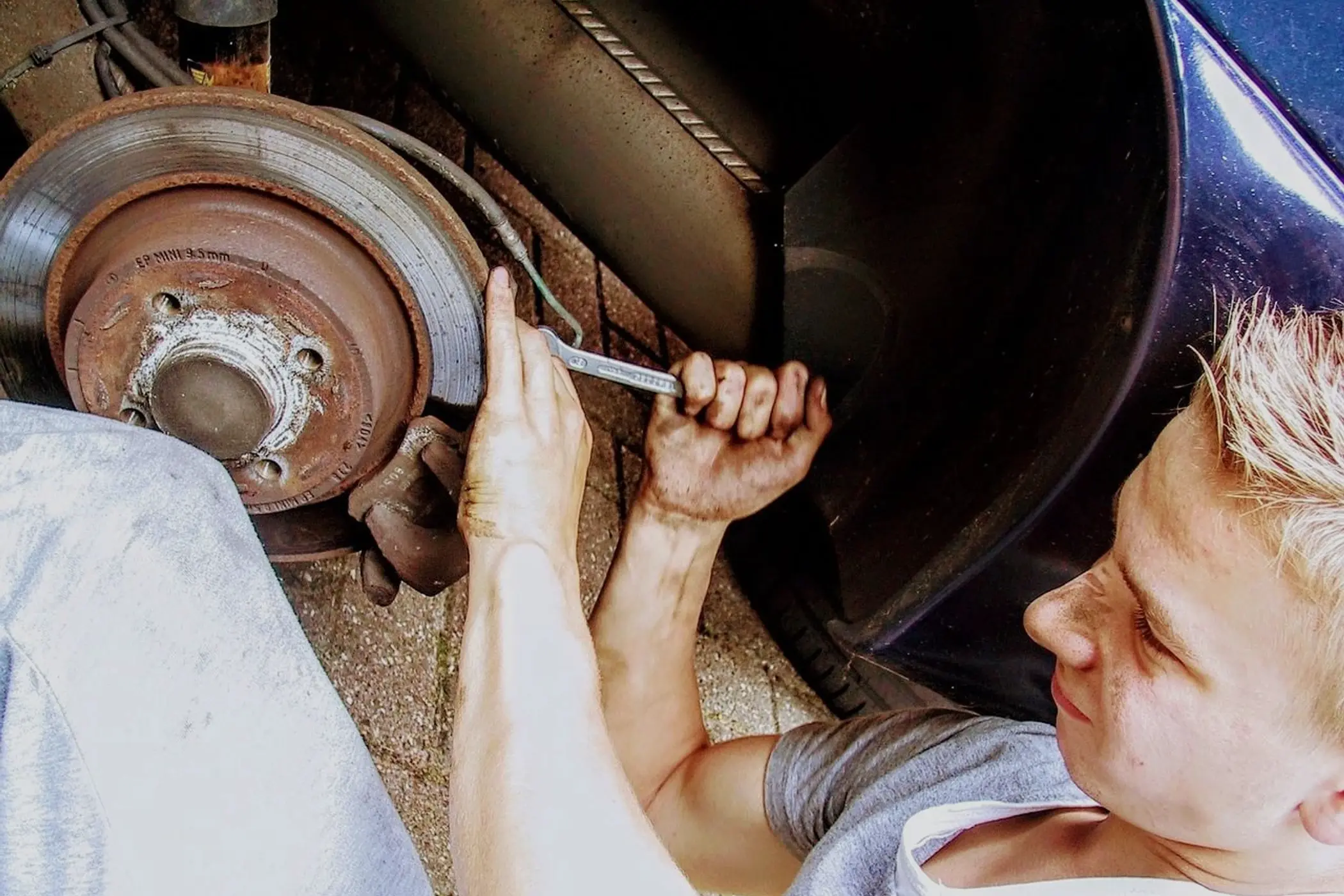
The differential lets your driven wheels turn at different speeds through a corner, and it runs on a heavy gear oil that degrades and needs replacing on a schedule.
Four Wheel Drive
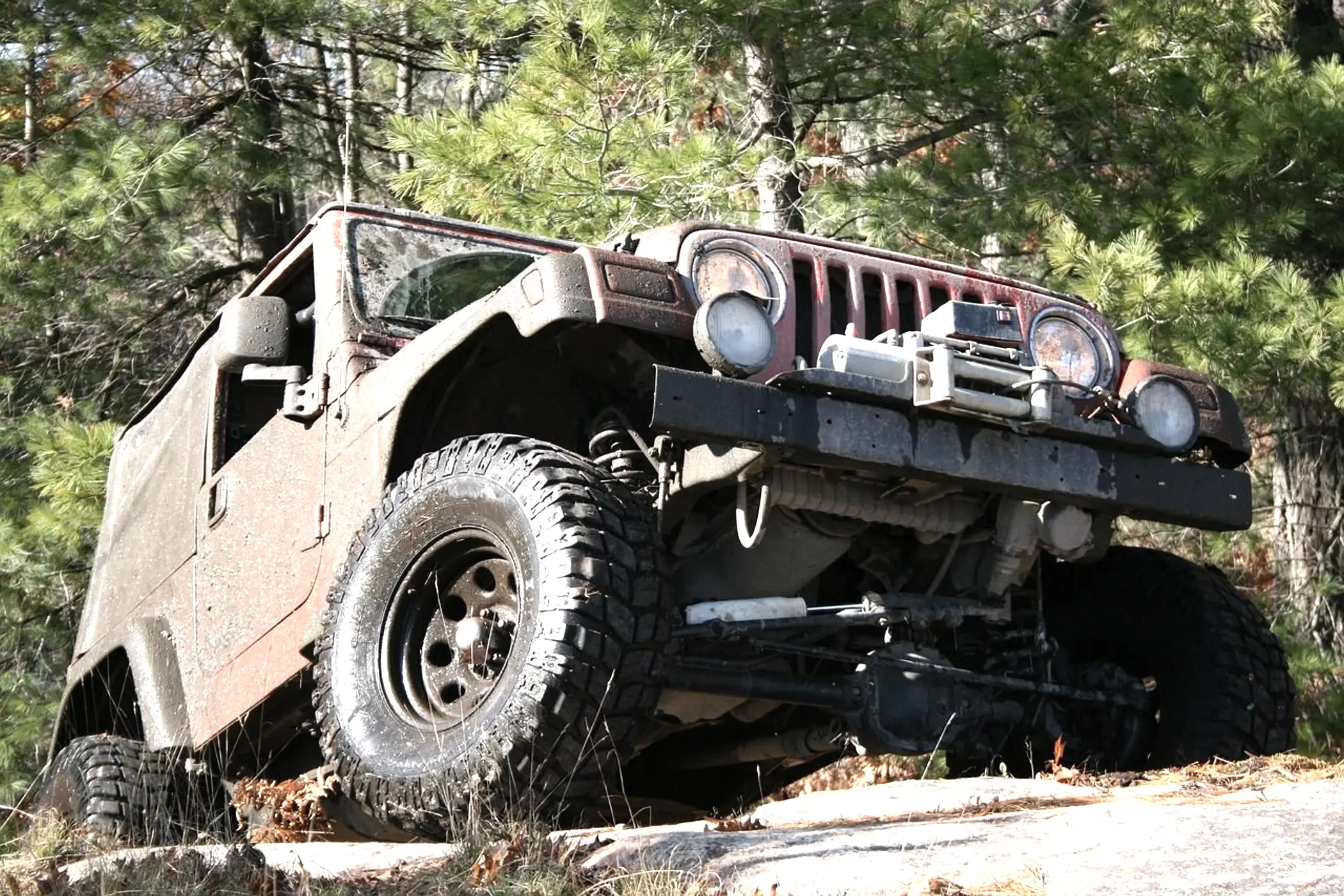
Four-wheel drive adds a transfer case and a second driven axle, which means more components to service and more ways for the system to fail to engage.
Suspension Services
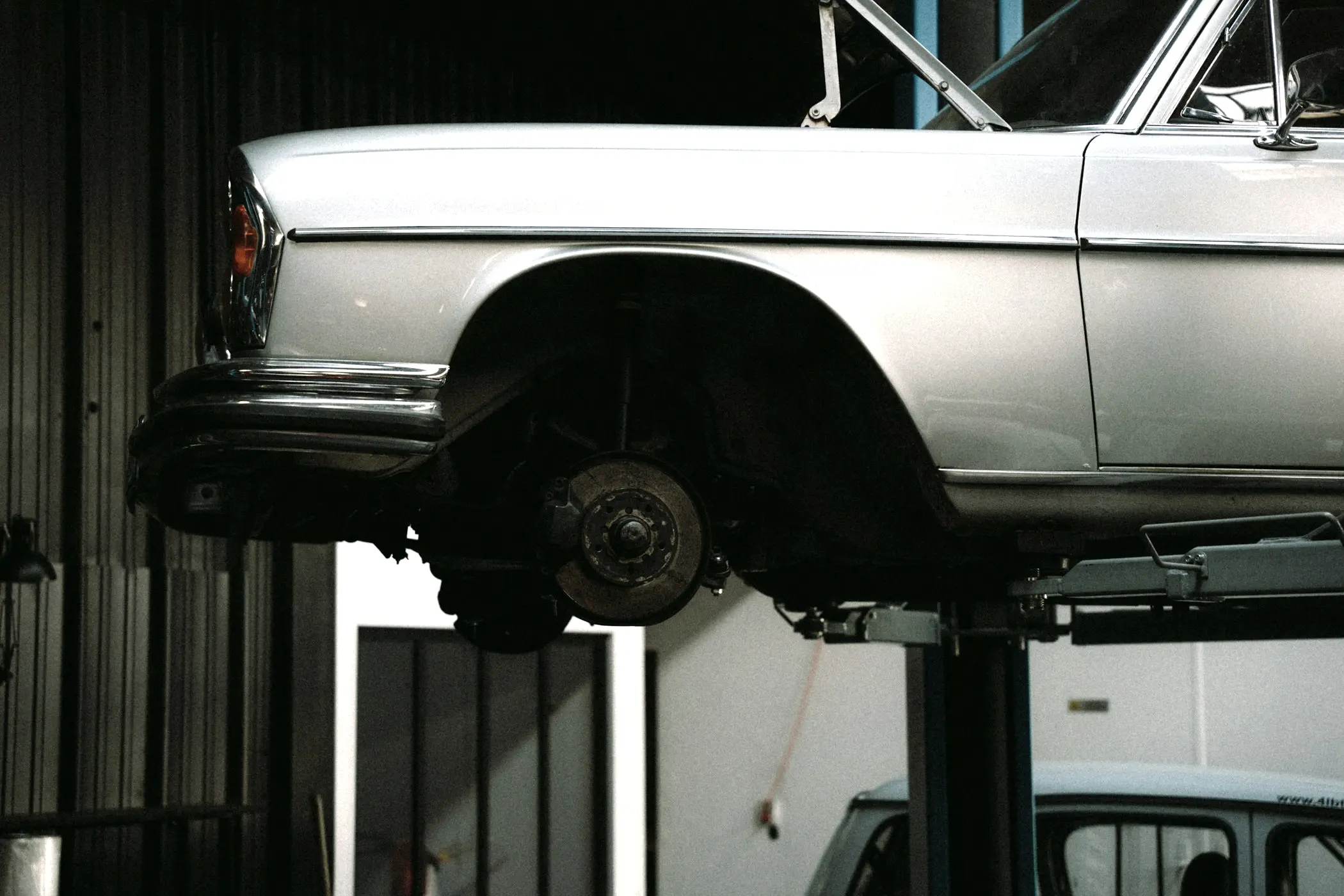
Your suspension keeps the tires in contact with the road and absorbs what the road throws at the car, so when parts of it wear you lose ride quality, steering precision and grip together.
Fluid Inspections
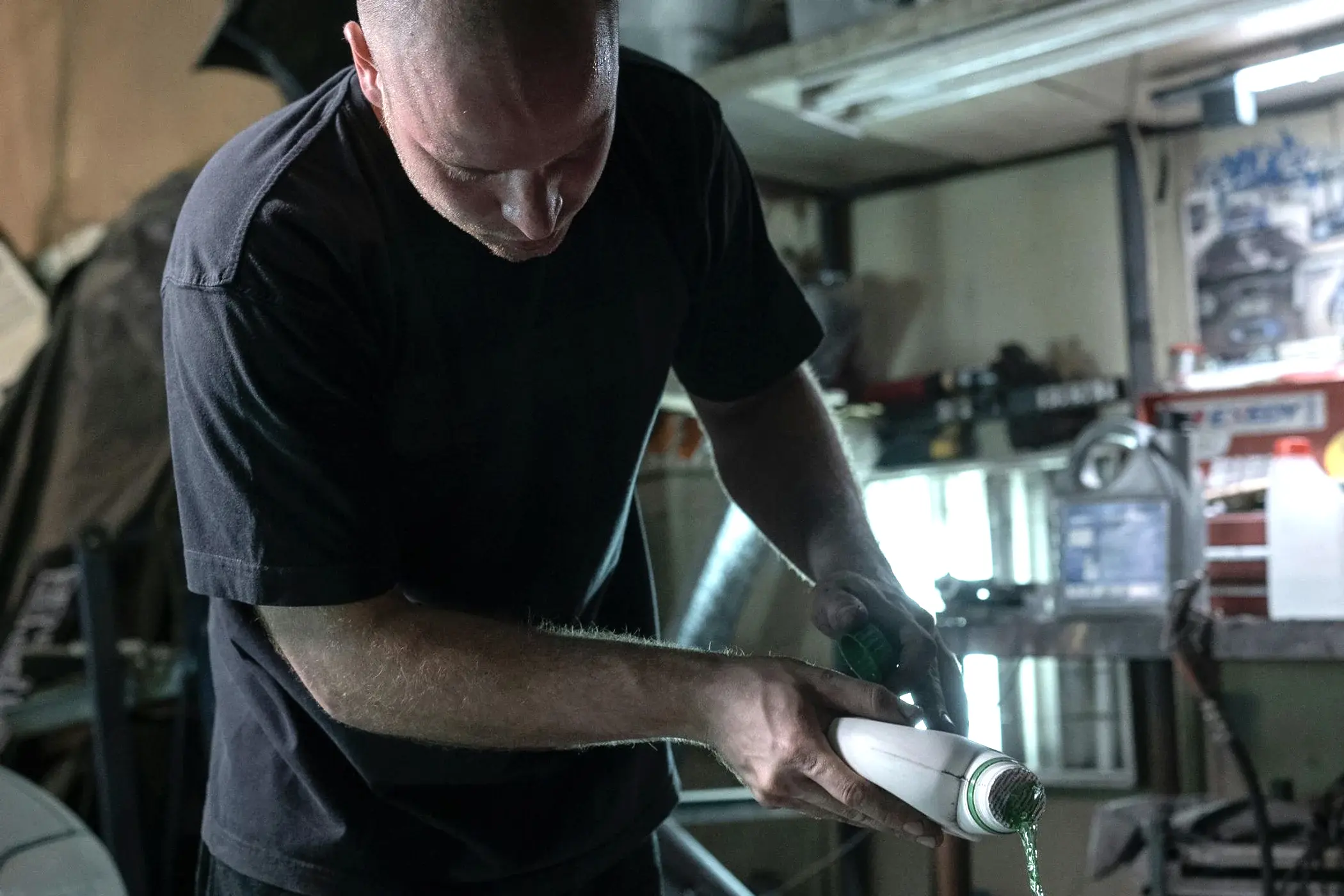
Every major system in your car runs on a fluid, and most of them fail quietly by degrading rather than by running out.
Wheel Alignment
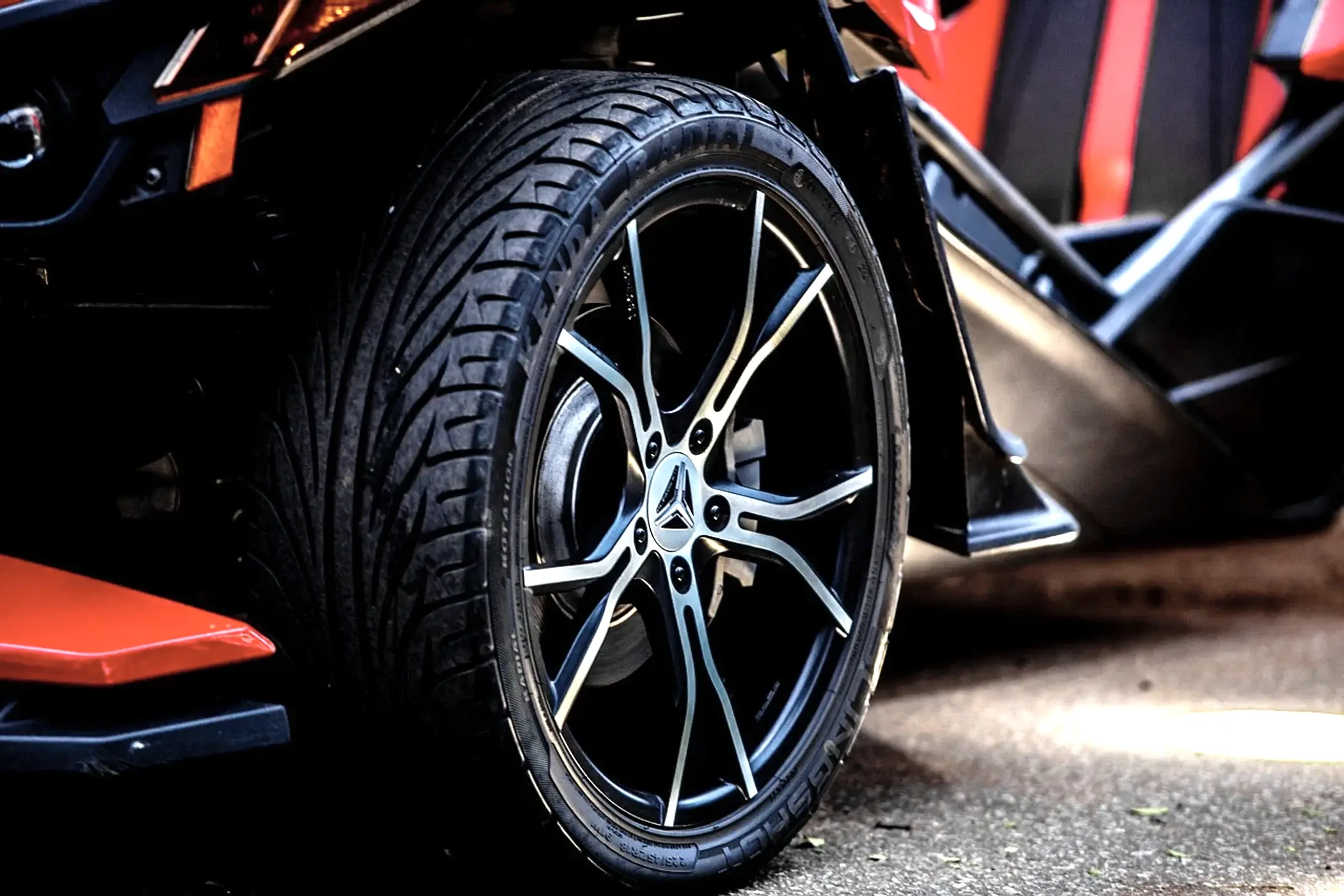
If your car pulls to one side, the steering wheel sits off center when you are going straight, or your tires are wearing on one edge, the alignment is out.