Power Steering Repair in Redwood City: Heavy, Groaning or Gone
If your steering has gone heavy, groans when you turn, or feels inconsistent from one moment to the next, the power steering system needs looking at rather than tolerating. Five Points Tire can diagnose and service the power steering so the assistance comes back and stays consistent.

Power steering repair at Five Points Tire, in short
Five Points Tire diagnoses and services power steering in Redwood City so the assistance comes back and stays consistent. Hydraulic and electric systems fail in completely different ways, so the first job is establishing which you have. Heavy steering is worth treating as a safety item, because the failure mode is losing assistance suddenly while moving.
Heavy steering is one of those faults people put up with, because the car still steers and you adapt within a day.
It's worth not adapting. The failure mode is losing assistance suddenly while you're moving, and that's a different experience at 45 mph than it is in a parking lot.
Hydraulic or electric, and why it matters first
There are two completely different systems in use, and which one you have determines everything about the diagnosis.
Hydraulic power steering uses an engine-driven pump, a reservoir and fluid. It can leak, run low, whine and lose pressure.
Electric power steering uses a motor and has no fluid at all. It fails electrically: the motor, a sensor, or the control module.
So the first question isn't what's wrong. It's which system you've got, because half the usual advice doesn't apply to the other half of cars.
| Hydraulic | Electric | |
|---|---|---|
| How it assists | Engine-driven pump and fluid | An electric motor |
| Fluid | Yes, and it can leak or run low | None |
| Common failures | Pump, rack, hoses, low fluid | Motor, sensor, control module |
| Warning sign | Groan at full lock, heavy steering | Warning light, sudden loss of assist |
| Routine service | Fluid level and condition | None |
| Belt driven | Yes, off the serpentine belt | No |
If there's no fluid reservoir for the steering, you have an electric system.
Do not hold the wheel at full lock. On a hydraulic system that puts the pump against its pressure relief with nowhere for the flow to go, and it heats the fluid quickly. A few seconds does nothing. Making a habit of it shortens pump life.
Signs you need power steering repair
- The steering has become heavy, especially at parking speeds
- A groan or whine when you turn, loudest at full lock
- The steering feels heavy in patches, then normal again
- Reddish fluid leaking under the front of the car
- The wheel is slow to return to center after a turn
- A power steering warning light
Hydraulic and electric power steering
| Hydraulic | Electric | |
|---|---|---|
| How it assists | Engine-driven pump and fluid | An electric motor |
| Fluid | Yes, and it can leak or run low | None |
| Typical failure | Pump, rack, hose, low fluid | Motor, sensor or control module |
| Warning sign | Groan at full lock, heavy steering | Warning light, sudden loss of assist |
| Routine service | Fluid condition checks | None, it fails electrically |
Which one you have determines everything about the diagnosis and the repair.
Why power steering groans at full lock
A groan at full lock on a hydraulic system almost always means low fluid or air in the system, and since it's sealed, low fluid means a leak.
Full lock is when the pump works hardest, so a starved system complains there first.
Topping it up quiets the noise for a few weeks and doesn't fix anything.
Look for reddish fluid on the driveway, or wetness around the pump, the hoses, or the ends of the steering rack.
Steering heavy sometimes, normal other times
Intermittent heaviness usually points at the pump rather than at a mechanical fault.
A pump on its way out often works fine cold and fades when hot, or fades under sustained demand and recovers when you stop asking.
Air in the system produces something similar, and so does a slipping serpentine belt, which is worth ruling out first because it's the cheapest of the three.
On an electric system, intermittent assist is almost always electrical: a connector, a sensor, or the module overheating.
Want it checked? Describe what the car is doing and Five Points Tire will tell you whether it needs power steering repair or something else. Call 650-365-0280, or send the form and someone calls you back. Request an appointment
Don't hold the wheel at full lock
Holding the wheel hard against the stop puts a hydraulic pump against its pressure relief valve with nowhere for the flow to go, and all that energy turns into heat, quickly.

A couple of seconds while parking does nothing. Sitting at full lock waiting for a gap in traffic, every day, shortens pump life.
Back off a fraction from the stop and the pump unloads.
Heavy steering is a safety item, not an annoyance. The failure mode is losing assistance suddenly while the car is moving. It stays steerable, but it takes a great deal more effort with no warning.
Power steering fluid is not universal
Power steering systems are particular about what goes in them, and this catches people out.
Some manufacturers specify a dedicated power steering fluid. Others specify an automatic transmission fluid. They are not interchangeable, and the wrong one can attack the seals.
The reservoir cap or your handbook will name it. It's worth checking rather than reaching for whatever's on the shelf labeled power steering.
Common power steering mistakes to avoid
- Topping up and calling it fixed. It's a sealed system. Low fluid means a leak, and the noise comes back.
- Using the wrong fluid. Some cars want ATF, some want a dedicated fluid. The wrong one can attack the seals.
- Living with heavy steering. The failure mode is losing assistance suddenly while moving, with no warning.
- Holding the wheel at full lock. It puts the pump against its relief valve and heats the fluid fast.
- Assuming every car has fluid to check. Electric systems have none. If there's no reservoir, stop looking for one.
The bottom line
Find out which system you have first. If there's no fluid reservoir for the steering, it's electric and none of the fluid advice applies.
If it's hydraulic and groaning at full lock, check the level, then find the leak rather than topping it up again.
And if the assistance comes and goes, get it looked at rather than adapting to it.
Call Five Points Tire on 650-365-0280 with the year and model. Hydraulic and electric systems fail in different ways, and knowing which one you have decides where we start.
Power steering repair questions we get asked
Question not on the list? Ask us directly.
Why does my steering groan when I turn?
- On a hydraulic system that is usually low or aerated fluid, and it is typically loudest at full lock where demand is highest. Since the system is sealed, low fluid means it is leaking somewhere, so topping up is a temporary measure rather than a fix.
Why has my steering suddenly gone heavy?
- On a hydraulic system, a failed pump, a snapped or slipping serpentine belt, or a significant fluid loss. On an electric system it is an electrical or module fault. The car is still steerable but takes much more effort, so it is worth getting looked at promptly.
Is power steering fluid the same as transmission fluid?
- Not universally, and it is not safe to assume. Some manufacturers do specify a transmission fluid for the steering system, and others require a dedicated fluid. Using the wrong one can damage the seals, so it is worth checking your handbook.
Does electric power steering need servicing?
- There is no fluid to change, so there is no routine fluid service. It can still fail electrically, through the motor, the sensors or the control module, and those need diagnosing rather than servicing. Five Points Tire checks the electrical side as well as the mechanical, because an electric system fails in ways a fluid check will never show.
Related services
Suspension Services
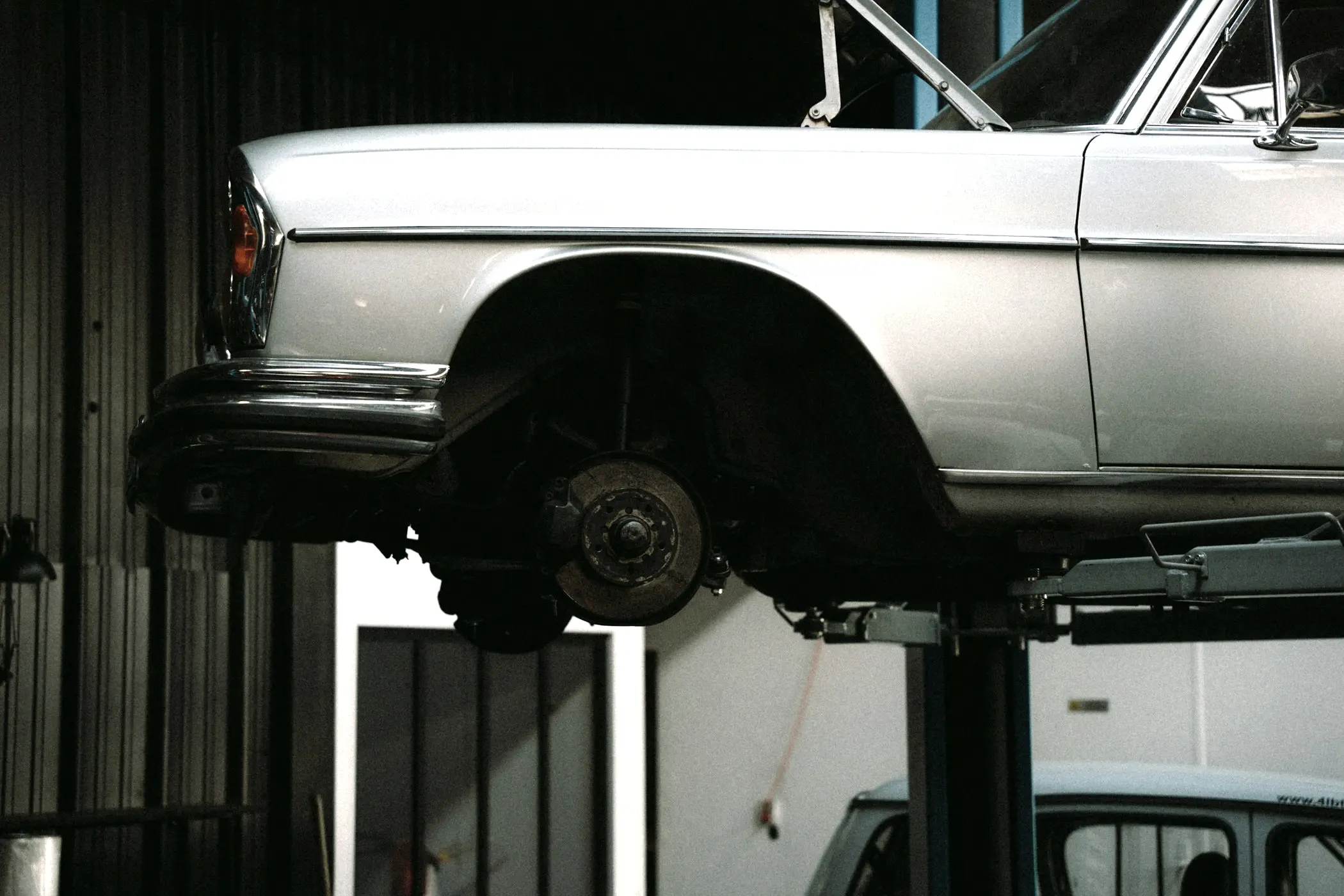
Your suspension keeps the tires in contact with the road and absorbs what the road throws at the car, so when parts of it wear you lose ride quality, steering precision and grip together.
Fluid Inspections
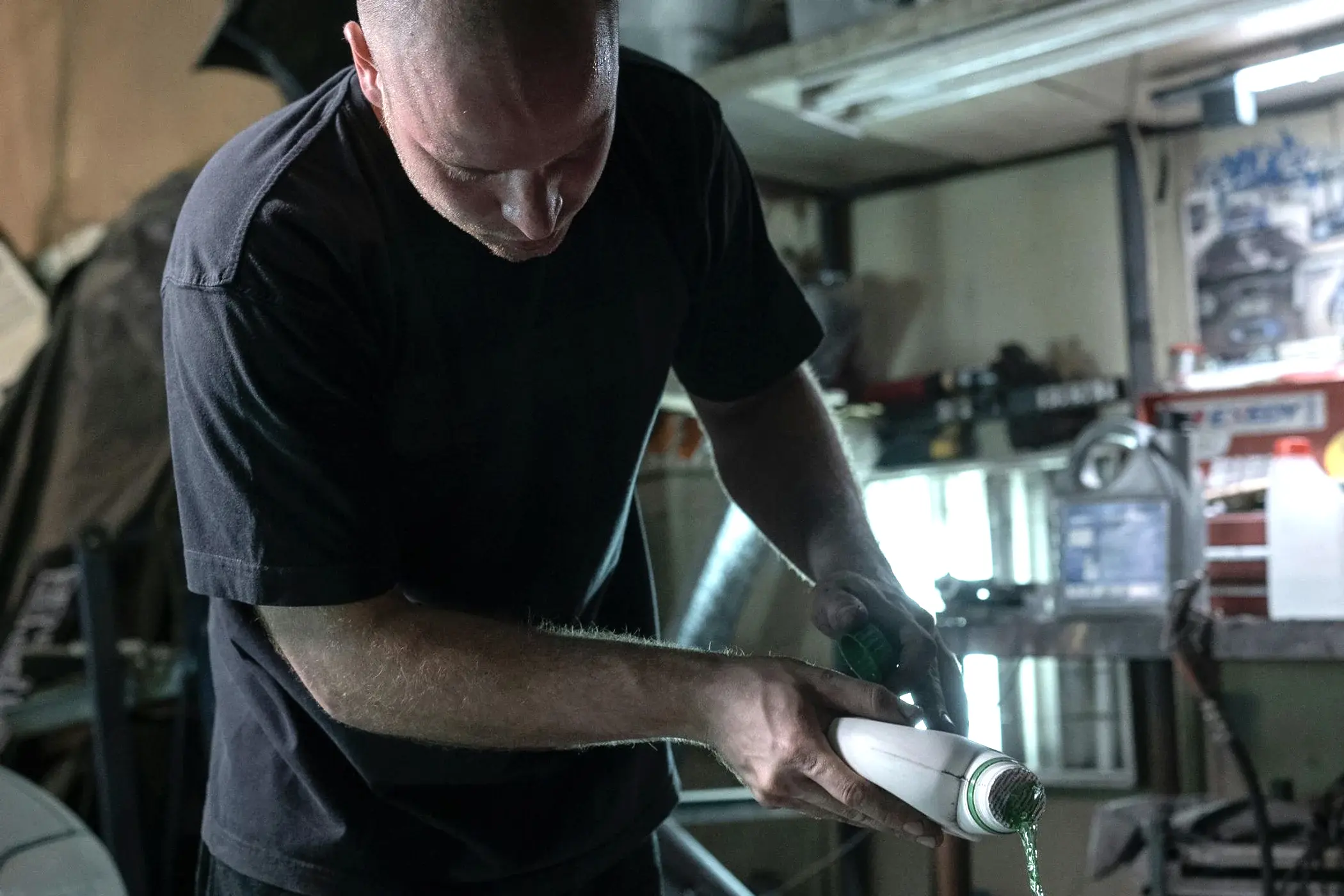
Every major system in your car runs on a fluid, and most of them fail quietly by degrading rather than by running out.
Serpentine Belt
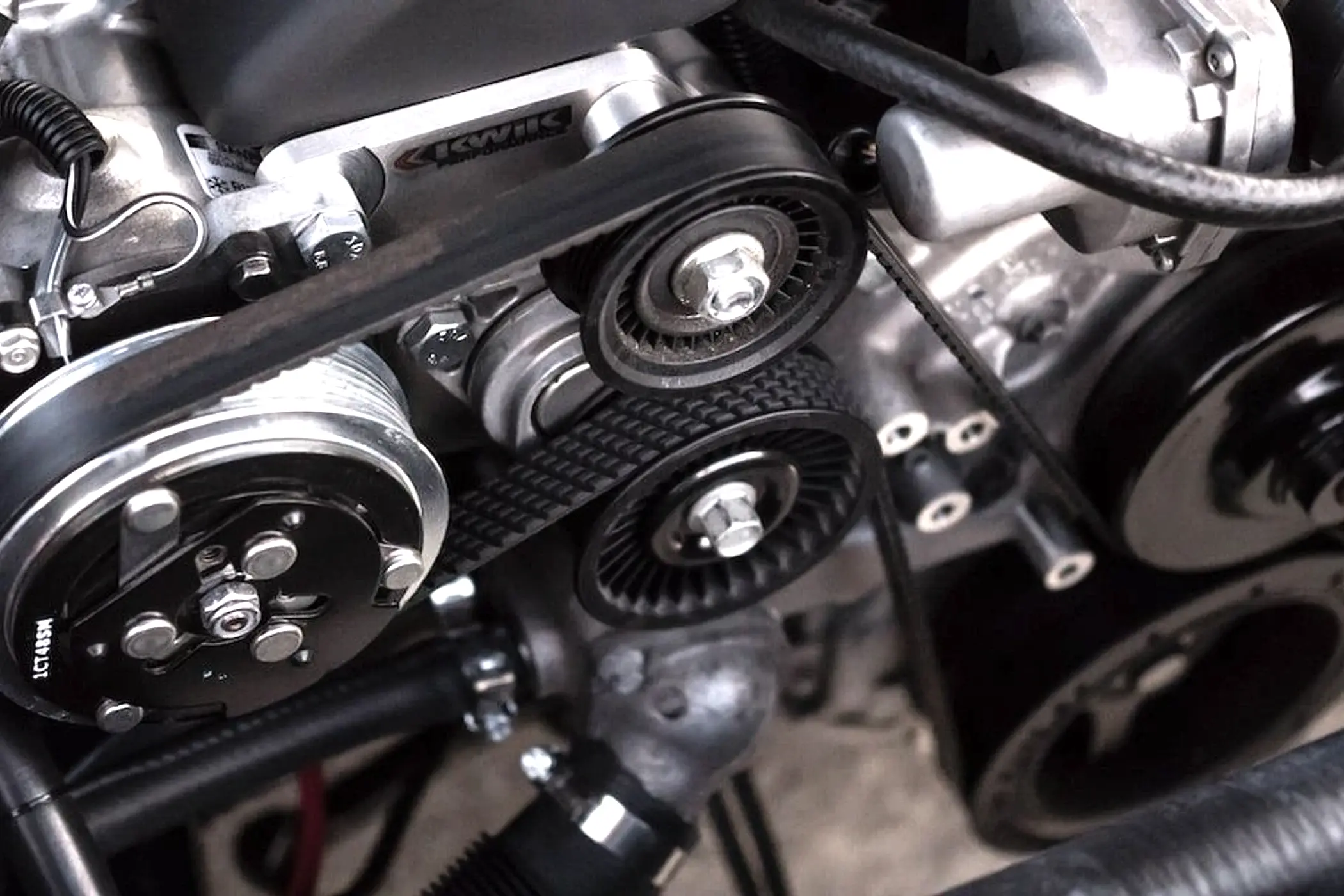
One serpentine belt usually drives your alternator, water pump and power steering, so when it fails you lose charging, cooling and steering assistance at the same time.
Wheel Alignment
If your car pulls to one side, the steering wheel sits off center when you are going straight, or your tires are wearing on one edge, the alignment is out.
Shocks & Struts
Shocks and struts stop your springs from bouncing, and because they fade gradually rather than failing outright, most people do not realize how far gone theirs are until they drive a car with fresh ones.
Belts and Hoses
Belts and hoses are rubber parts that perish with age and heat, and when one fails it usually takes something more expensive with it or leaves you stopped at the roadside.