Auto Diagnostics in Redwood City for Faults Nobody Can Place
Modern vehicles record faults across dozens of electronic modules, and a proper diagnosis reads that data and then tests to confirm the cause rather than guessing from the code. Five Points Tire uses OBD-II scan equipment to identify and troubleshoot faults across both electrical and mechanical systems.

Diagnostics at Five Points Tire, in short
Five Points Tire diagnoses faults in Redwood City using OBD-II scan equipment across both electrical and mechanical systems, then tests to confirm the cause rather than guessing from the code. Intermittent faults can usually still be traced from stored codes and freeze frame data. Diagnosis has value even when nothing is replaced.
Some faults are obvious. A grinding brake tells you what it is.
Then there's the other kind. A noise nobody can place, a warning light with no symptoms, something that only happens on cold mornings when you turn left.
Those are the ones where people end up replacing parts one at a time hoping something sticks. It's expensive, and it usually doesn't work.
Reading a code and diagnosing a fault aren't the same job
A code read tells you which system complained. A diagnosis proves which part caused it. They're different jobs, and the difference is where most of the money gets saved or wasted.
Plugging in a scan tool and pulling a code takes about a minute. That's the part that gets offered free, and it's genuinely useful information.
Working out which of the several possible causes applies to your specific car is a separate job, and it involves testing rather than reading.
Diagnosis has value even when nothing is replaced. Knowing that a noise is a heat shield rather than a failing bearing is a useful outcome, and it is a great deal cheaper than the exploratory parts replacement it avoids.
Signs you need a proper diagnosis
- A warning light you do not recognize
- An intermittent fault that never happens when you want to show someone
- A noise, vibration or smell you cannot place
- The car behaves differently and you cannot say exactly how
- Someone has already replaced a part and the problem is still there
- Poor economy, hesitation, or a loss of power with no obvious cause
What helps us find an intermittent fault
| Detail | Why it matters |
|---|---|
| When it happens | Cold start, after an hour, only at speed |
| Engine hot or cold | Separates electrical faults from thermal ones |
| Better or worse in the wet | Points at wiring, connectors and earths |
| What you were doing at the time | Braking, turning, accelerating, idling |
| Whether a warning light appeared | Even briefly, it stores freeze frame data |
| What has already been replaced | Rules out a whole branch of the diagnosis |
The more of this you can tell us, the less time it takes to reproduce.
What our team does for diagnostics
- 01Use OBD-II scan tools to read fault data and identify where the problem is
- 02Troubleshoot both electrical and mechanical faults
- 03Carry out the repair once the cause has been identified
Why one fault shows up somewhere else
A modern car is a network of computers talking to each other, and they share information constantly.
So a single failing component often lights up several unrelated-looking systems at once, and chasing the symptoms individually gets you nowhere.
Some common examples of one cause, several symptoms:
- A failing wheel speed sensor: Sets off ABS, traction control and stability control together.
- Low battery voltage: Produces warning lights across the whole dashboard, none of them about the battery.
- A bad ground connection: Causes faults in whatever happens to share that ground path.
- A vacuum leak: Shows up as fuel trim, idle and misfire codes at the same time.
- A dying alternator: Unstable voltage makes electronic modules behave unpredictably.
Intermittent faults, and what actually helps
What helps most with an intermittent fault is your description of it, because a fault that happens once a fortnight won't perform on a test drive.
No amount of equipment makes a car misbehave on demand, so what you can tell us matters. You've experienced it and we haven't.
| What we'll ask | Why it matters |
|---|---|
| When does it happen | Cold start, after an hour, only at speed |
| Engine hot or cold | Separates electrical faults from heat-related ones |
| Better or worse in the wet | Points at wiring, connectors and grounds |
| What were you doing | Braking, turning, accelerating, idling |
| Did a light come on | Even briefly. It stores freeze frame data |
| What's already been replaced | Rules out an entire branch of the diagnosis |
Stored codes and freeze frame data often fill in the rest, even when the fault won't repeat on demand.
Want it checked? Describe what the car is doing and Five Points Tire will tell you whether it needs a proper diagnosis or something else. Call 650-365-0280, or send the form and someone calls you back. Request an appointment
Diagnosis has value even when nothing is replaced
Knowing that a rattle is a loose heat shield rather than a failing wheel bearing is a useful outcome, even though nothing got replaced.
That sounds like something a shop would say, so here's the concrete version: you've spent one diagnostic charge and avoided a bearing job you didn't need.
Same with a noise that turns out to be normal for your model, or a light that traces to an accessory somebody wired in badly.
The alternative is exploratory replacement, which is how a small problem becomes an expensive one in stages.
If someone's already replaced parts
Tell us. It's genuinely useful information and it isn't embarrassing.
A part that was replaced and didn't fix it rules out a whole branch of possibilities, which saves time rather than wasting it.
It usually also tells us the original code was read but not diagnosed, which points at where to start looking.
Common diagnostic mistakes to avoid
- Treating a free code read as a diagnosis. The code is the start of the work, not the end of it.
- Replacing parts one at a time. It's the most expensive way to find a fault, and it often never finds it.
- Not mentioning what's already been done. Previous repairs rule things out. Withholding them costs you diagnostic time.
- Clearing the codes before you bring it in. You've just deleted the freeze frame data that would have told us what was happening.
- Only describing the symptom, not the conditions. When it happens matters as much as what happens, especially for intermittent faults.
The bottom line
Before you bring it in, write down when it happens. Cold or warm, wet or dry, what you were doing, and whether any light came on.
Don't clear the codes, because that erases the data that makes an intermittent fault diagnosable.
And tell us what's already been replaced. It narrows things down rather than looking bad.
What we find decides what happens next. A stored code usually starts with the check engine light, an electrical fault often ends at the car battery and charging system, and a misfire points at the fuel injectors or the spark plugs.
Five Points Tire diagnoses electrical and mechanical faults at 2115 El Camino Real. Call 650-365-0280 and say what the car is doing and when it does it, because an intermittent fault is found by its pattern first.
What is a car diagnostic test?
- Connecting to your vehicle's onboard computers to read stored fault codes and live sensor data, then testing to confirm which component or circuit is actually causing the fault. The scan is the start of it, not the whole of it.
Is a diagnostic just plugging in a code reader?
- No, and the difference matters. A reader returns a code that names a system. Establishing which of the possible causes applies to your car takes testing. That is what stops you paying for a part that was working fine.
Can you diagnose an intermittent problem?
- Often, yes, though it can take longer. Stored codes and the freeze frame data captured with them record conditions at the moment the fault occurred, even when the fault will not repeat on demand. Anything you can tell us about when it happens helps a great deal.
My check engine light is off. Can you still find the problem?
- Usually. Codes generally remain stored in memory after the light goes out, and there is a great deal of live data available besides codes. A fault with no light at all can still be diagnosed from how the car behaves and what the sensors report. Five Points Tire can often find an intermittent fault from a stored freeze frame even after the light has gone out.
Related services
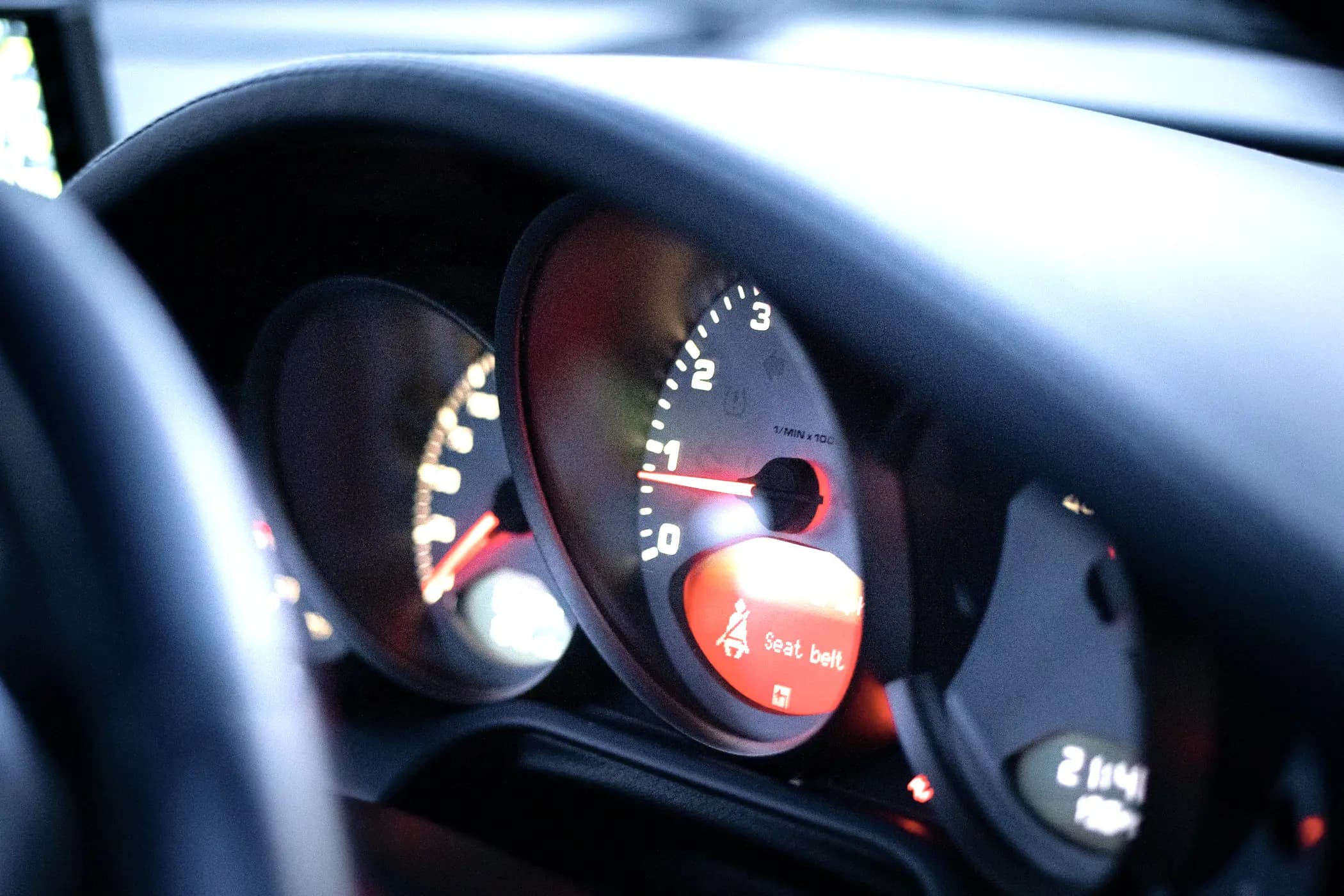
Check Engine Light
A check engine light means the engine management system has stored a fault code, and the code narrows down where to look rather than telling you what to replace.
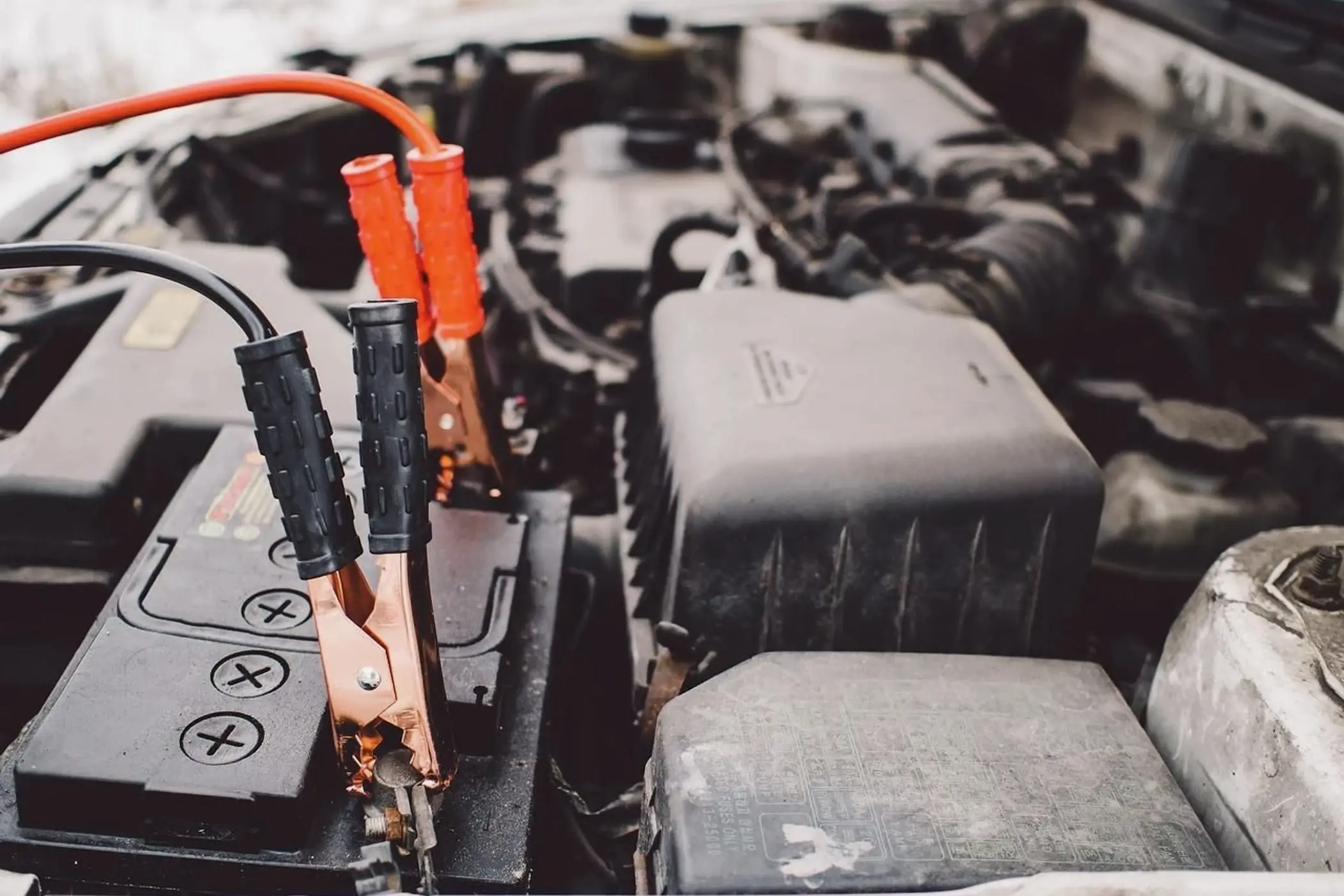
Battery Service
If your car cranks slowly, needs a jump, or the electrics behave oddly, the battery is the first thing to test, and it may not be the battery at all.
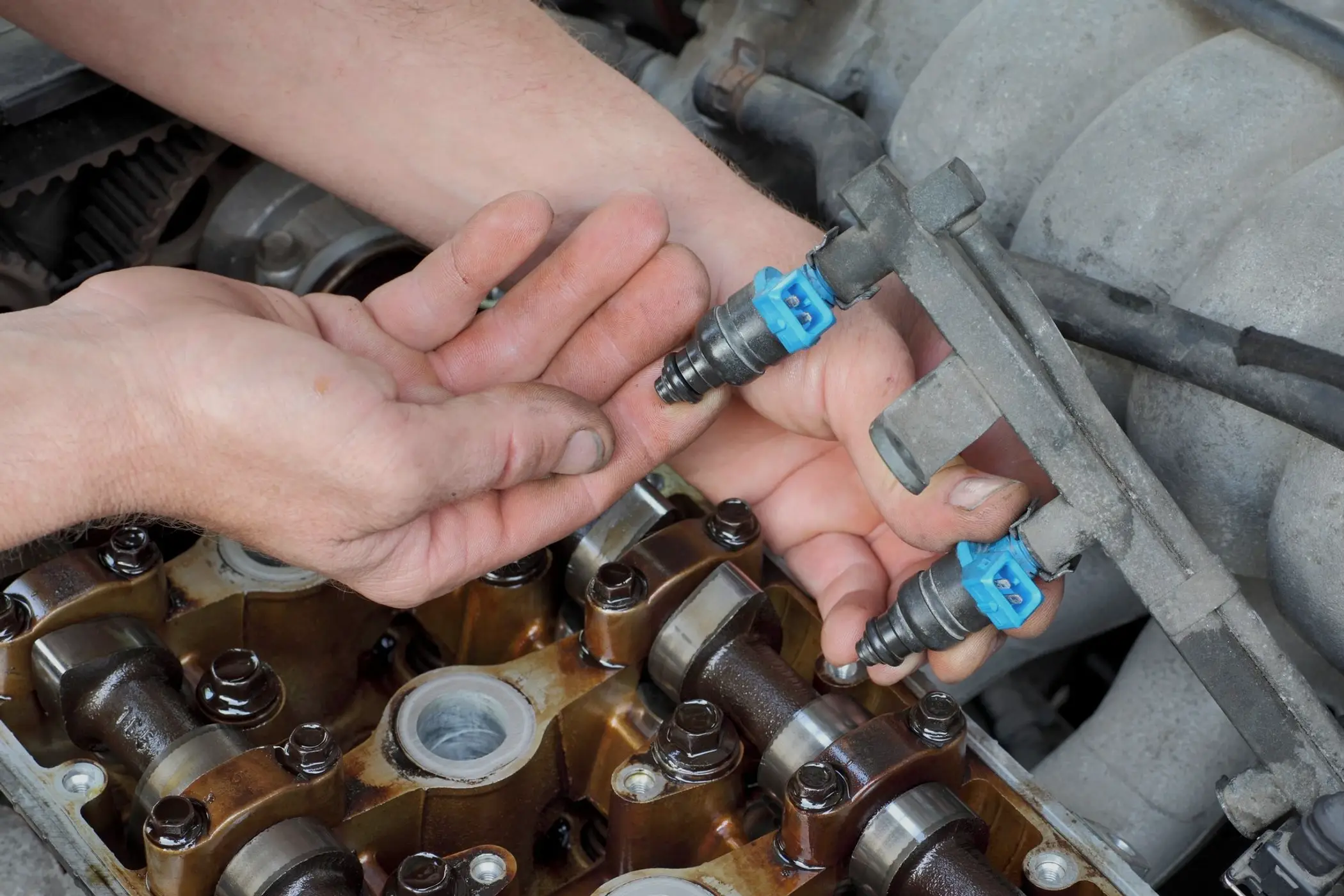
Fuel Injectors
Fuel injectors spray a precisely metered, finely atomised mist of fuel into the engine, and when their nozzles foul the spray pattern degrades and the engine misfires, runs rough and drinks more fuel.
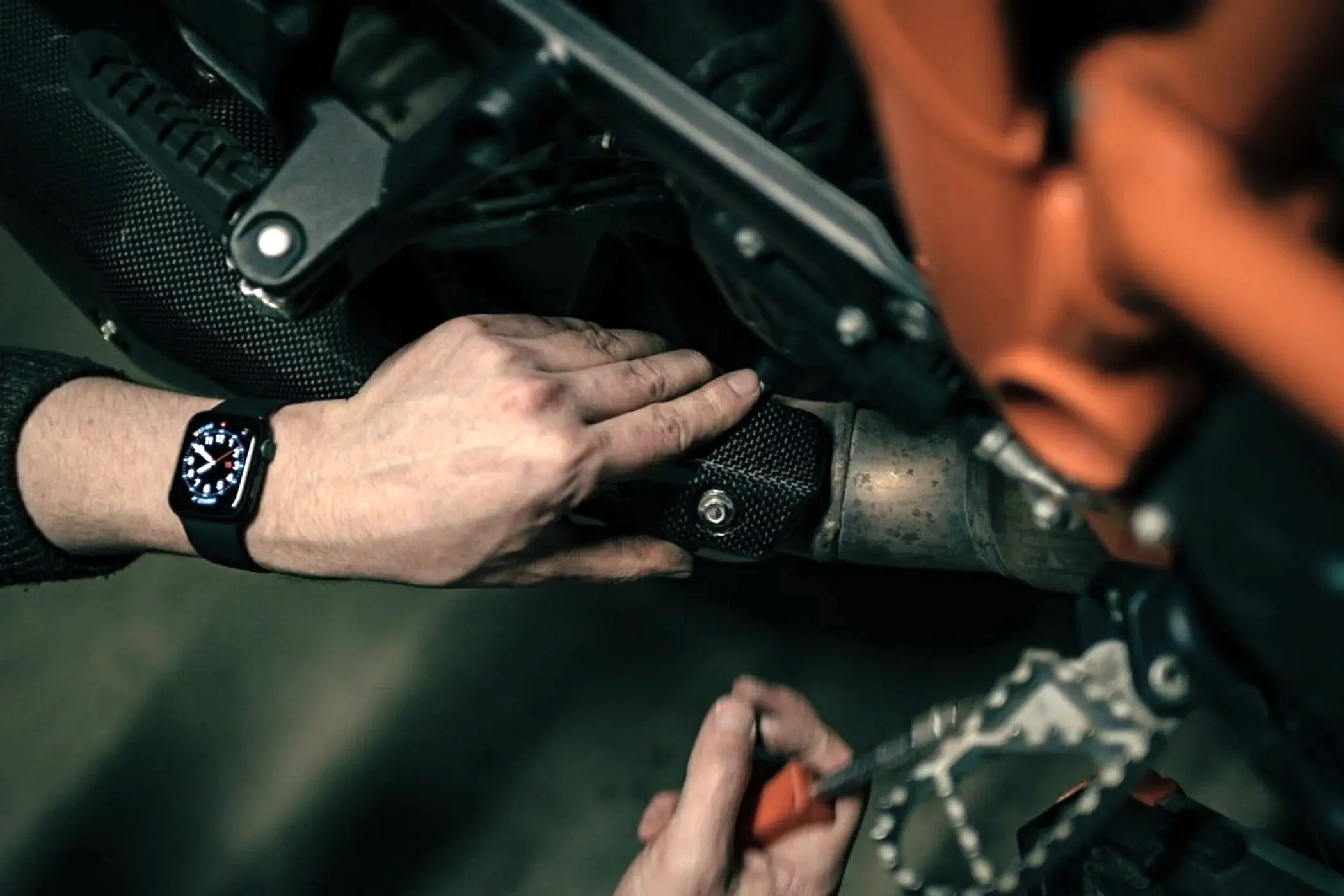
Vehicle Tune-Ups
A tune-up replaces the ignition and filter parts that wear out: spark plugs, ignition coils, air and fuel filters, and the PCV valve.
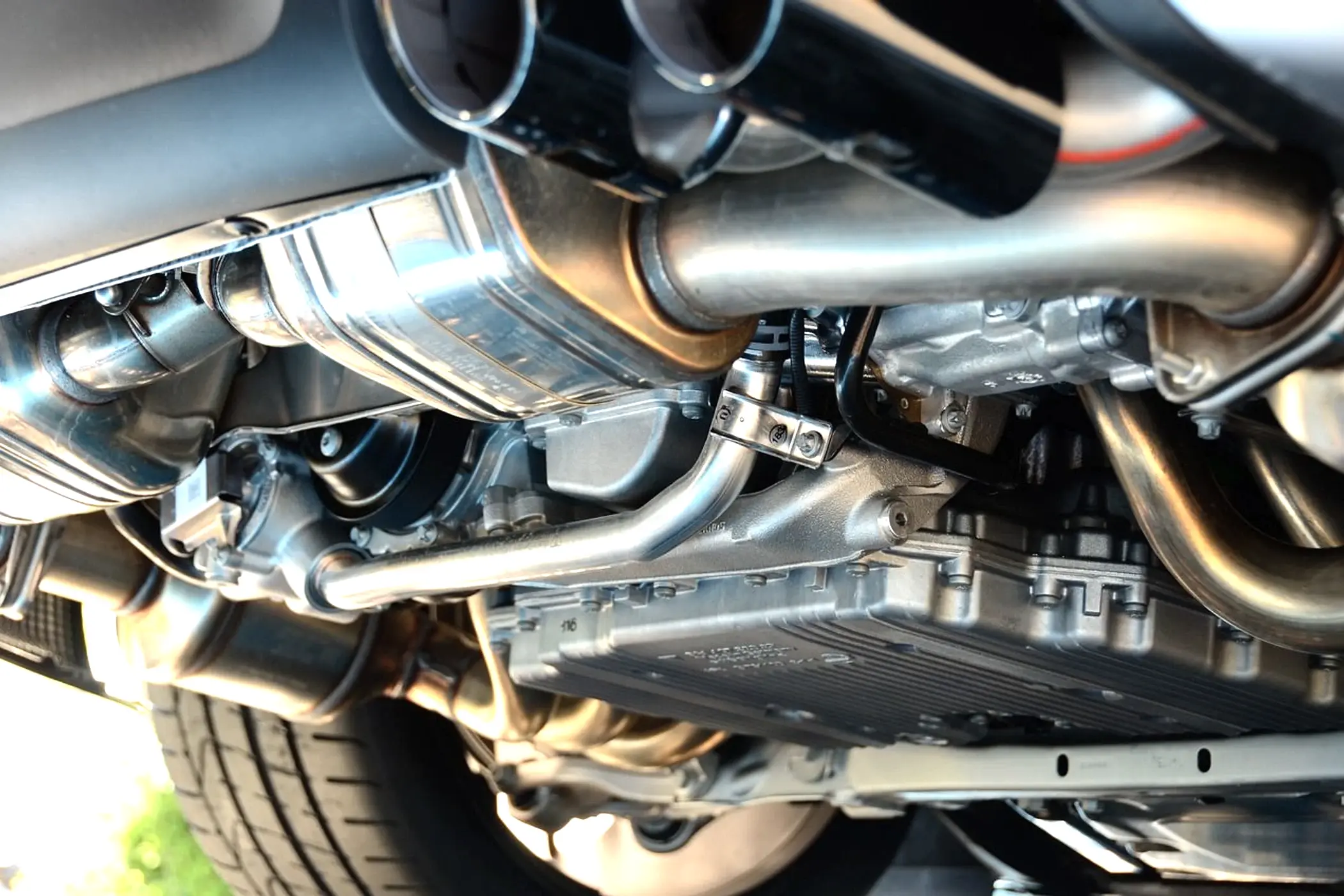
Smog Check Repair
If your vehicle has failed its California Smog Check, or the check engine light is on with a smog test due, the underlying fault has to be found and repaired before it can pass.
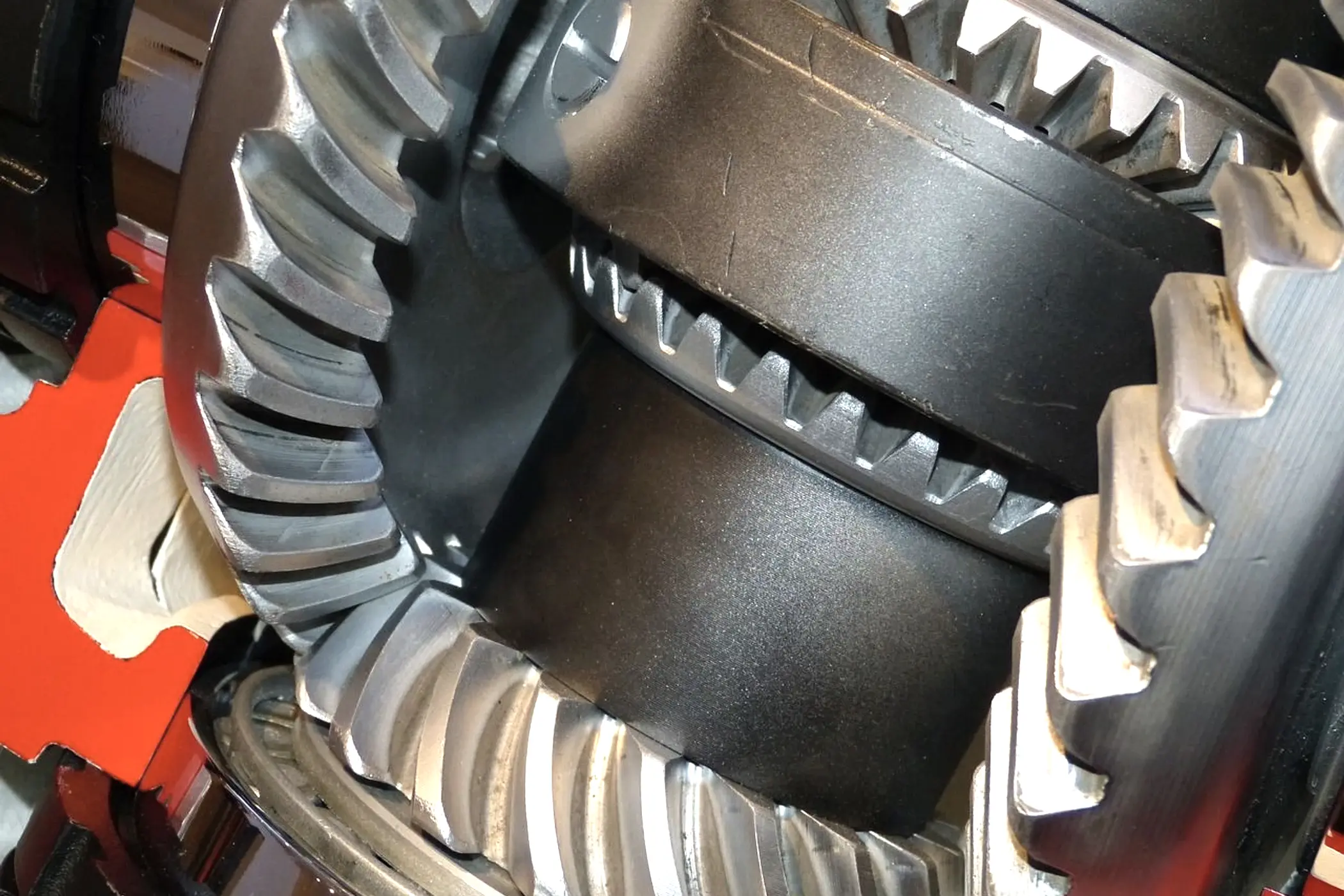
Transmission Service
Transmission problems almost always announce themselves gradually through slipping, harsh or delayed shifts and burnt fluid, and acting at that stage is the difference between a service and a rebuild.