Coolant Service in Redwood City: Protection Runs Out First
Coolant does more than stop freezing, it raises the boiling point and carries corrosion inhibitors that protect the metal inside your engine, and they wear out long before the fluid looks bad. Five Points Tire checks your coolant level and condition during regular maintenance and refills with a solution matched to your make and model.
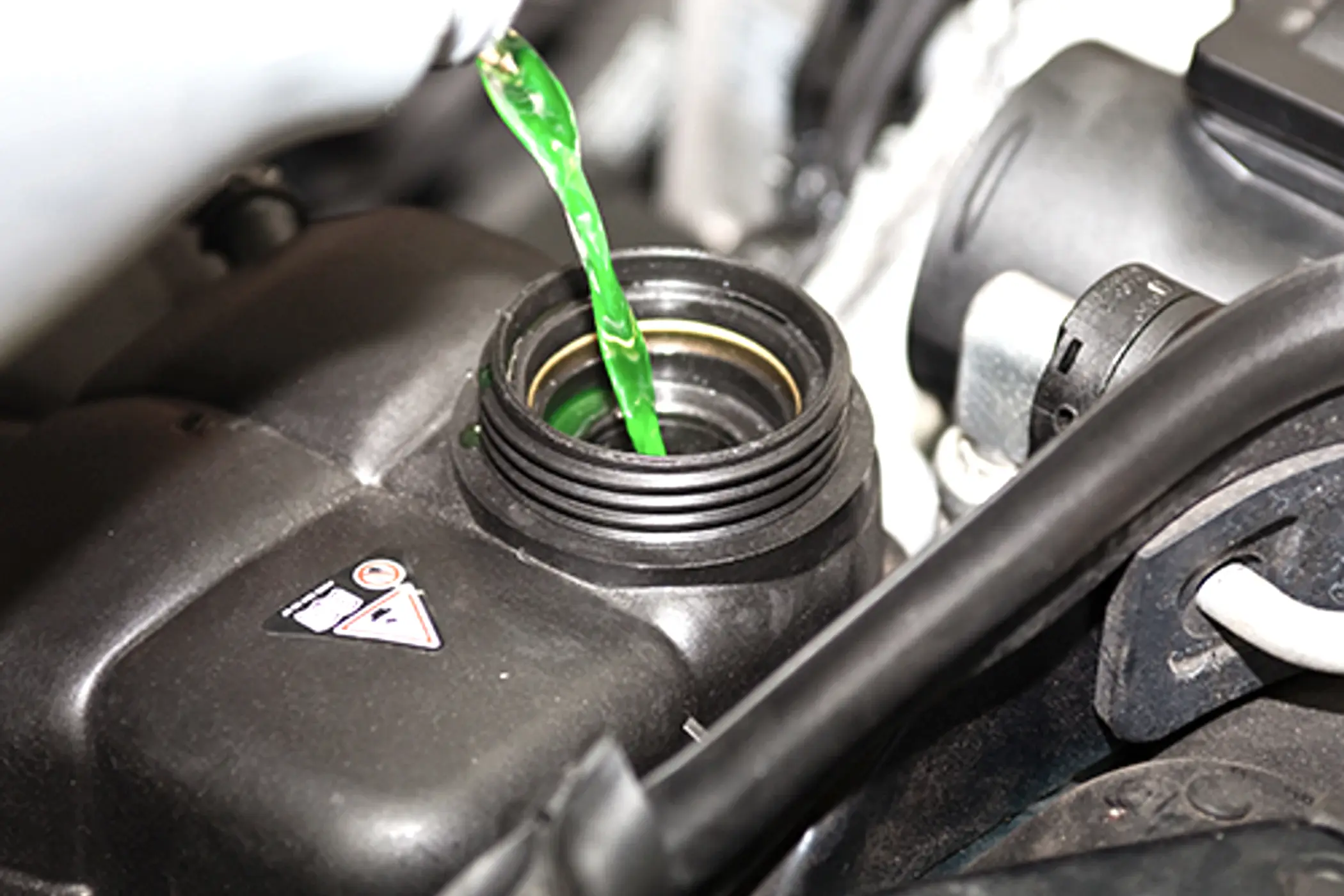
Coolant service at Five Points Tire, in short
Five Points Tire checks coolant level and condition during regular maintenance in Redwood City and refills with a solution compatible with your make and model. We check for leaks during the refill and flag issues early. Coolant loses its corrosion inhibitors long before it stops cooling, which is why it is replaced on an interval.
Coolant is the fluid people worry about least and understand least.
The name doesn't help. It sounds like its only job is stopping the engine getting hot, so as long as the engine isn't hot, it must be fine.
It actually does three jobs, and the one that fails first isn't cooling at all.
Coolant's three jobs, and which one runs out
Coolant lowers the freezing point so the block doesn't crack. It raises the boiling point so the system can run hot without boiling. And it carries an additive package that stops the metals inside your engine corroding.
The first two last a long time. The third doesn't.
Corrosion inhibitors deplete over time regardless of mileage. Once they're gone, the coolant is still cooling perfectly well while quietly allowing corrosion in the radiator, the water pump, the heater core and the block itself.
That's why coolant is replaced on an interval rather than only when the level drops. You're replacing protection, not liquid.
| Job | How it works | Degrades? |
|---|---|---|
| Freeze protection | Antifreeze lowers the freezing point | Slowly |
| Boil protection | Raises the boiling point under pressure | Slowly |
| Corrosion protection | Additive package coats the metals | Yes, and first |
| Water pump lubrication | Additives protect the seal | Yes |
Three of these you'd notice failing. The one that fails first, you wouldn't.
Color is a dye, not a specification. Different manufacturers specify chemically different formulations, and mixing incompatible types can cause them to gel and block the small passages in the radiator and heater core. Match the specification for your vehicle, not the color in the bottle.
Signs you need a coolant service
- The temperature gauge sitting higher than normal, or climbing in traffic
- A sweet smell, or colored residue and staining around hoses
- The coolant reservoir needing topping up repeatedly
- Coolant that looks rusty, cloudy, or has debris floating in it
- The heater blowing cool air when the engine is warm
- A puddle of colored fluid under the car
What coolant is doing, and what runs out first
| Job | How it works | Does it degrade? |
|---|---|---|
| Freeze protection | Antifreeze lowers the freezing point | Slowly |
| Boil protection | Raises the boiling point under pressure | Slowly |
| Corrosion protection | An additive package coats the metals | Yes, and first |
| Water pump lubrication | Additives protect the seal | Yes |
It can still cool perfectly well while no longer protecting the metal inside your engine.
What our team does for coolant service
- 01Check the level and condition of the coolant and antifreeze during regular maintenance
- 02Refill using a high-quality antifreeze solution compatible with your vehicle's make and model
- 03Check for leaks during the refill process and flag any issues early
Coolant color is a dye, not a specification
Coolant color tells you nothing about compatibility. Two orange coolants can be entirely different chemistries, and mixing incompatible types can turn them to gel.
Different manufacturers specify chemically different formulations, and the color in the bottle is a dye added so you can tell them apart. It is not a standard.
That gel blocks the narrow passages in your radiator and heater core, which is why you match the specification your manufacturer calls for, not the color of what's already in there.
What to check before topping up:
- Your handbook. It names the specification, not just a color.
- The reservoir cap or a label. Many cars state it right there.
- Whether it's pre-mixed or concentrate. Concentrate needs diluting, usually 50/50 with distilled water.
- What's already in there. If someone has topped up with the wrong type, a flush is better than adding more.
Why plain water isn't a substitute
In an emergency, to get you somewhere safe, water is fine. That's genuinely what it's for.
As anything longer term it's a bad idea on three counts. It boils sooner, it freezes earlier, and it offers no corrosion protection at all.
That last one is the real damage. Running water through a cooling system for a season will corrode it from the inside in a way you won't see until something fails.
If you've had to use water, mention it when you bring the car in so it can be corrected properly rather than just topped up.
Want it checked? Describe what the car is doing and Five Points Tire will tell you whether it needs a coolant service or something else. Call 650-365-0280, or send the form and someone calls you back. Request an appointment
Coolant disappearing with no puddle
A sealed system does not consume coolant. If the level keeps dropping, it's going somewhere.
Small external leaks often evaporate off hot metal before they can drip, so the absence of a puddle proves nothing.
Coolant can also be lost internally, into the combustion chamber. That's the more serious version, and the signs are milky oil, white exhaust steam that doesn't clear when warm, or a sweet smell.
A pressure test distinguishes the two, and it's worth doing rather than topping up for another six months.
Plain water is a get-home measure only. It boils sooner, freezes earlier and has no corrosion protection at all. Fine to reach somewhere safe, but it needs correcting afterwards.
Common coolant mistakes to avoid
- Matching color instead of specification. Color is a dye. Two identical-looking coolants can be chemically incompatible.
- Topping up with water long term. Fine to get home. After that it boils sooner, freezes earlier and corrodes the system from inside.
- Assuming no puddle means no leak. Small leaks evaporate off hot metal before they reach the ground.
- Only replacing coolant when it looks bad. The corrosion inhibitors are gone long before the color changes.
- Using tap water to dilute concentrate. Minerals in tap water scale up the system. Distilled is what's called for.
The bottom line
Check the level when the engine is cold, and look at the coolant while you're there. Rusty or cloudy means it's overdue regardless of what the interval says.
Use the specification your manufacturer names rather than matching the color.
And if you're topping it up more than once, that's a leak, not maintenance.
Five Points Tire checks condition as well as level, and refills with a solution matched to your vehicle rather than whatever is open. Call 650-365-0280.
Coolant service questions we get asked
Question not on the list? Ask us directly.
How often should coolant be replaced?
- It varies by coolant type and vehicle, from a few years to a great deal longer for extended-life formulations. Your handbook gives the interval. Condition matters too, since rusty or cloudy coolant needs changing regardless of the schedule.
Can I use any color antifreeze?
- No. Color is a dye, not a specification, and different formulations are chemically incompatible. Mixing the wrong types can cause gelling that blocks the radiator and heater core. Use what your manufacturer specifies.
Can I just top up with water?
- In an emergency to get you somewhere safe, yes. As anything longer term, no. Water alone boils sooner, freezes earlier and offers no corrosion protection, so it damages the cooling system from the inside.
Why does my coolant keep disappearing with no leak?
- A sealed system does not consume coolant. Small external leaks often evaporate off a hot engine before they can drip, and coolant can also be lost internally into the engine. A pressure test is the way to find out which. Five Points Tire pressure tests the system to find where coolant is going when nothing is visible on the ground.
Related services
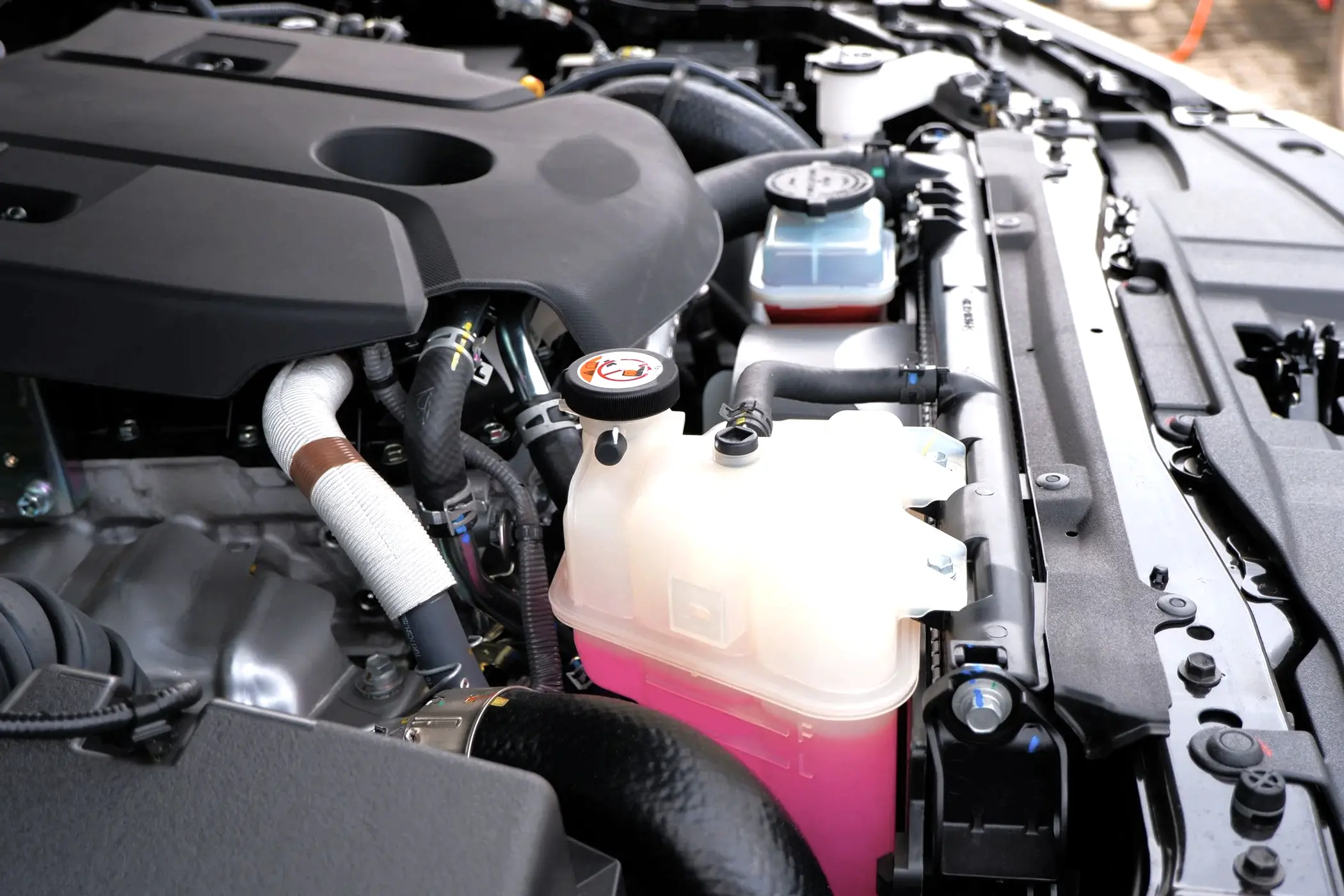
Cooling System
An engine that overheats even briefly can warp a cylinder head, so a cooling system problem is one of the few faults where continuing to drive genuinely makes it far more expensive.
Radiator Service
The radiator is where your engine's heat actually leaves the car, and it fails by corroding internally, blocking, or leaking at its seams and plastic end tanks.
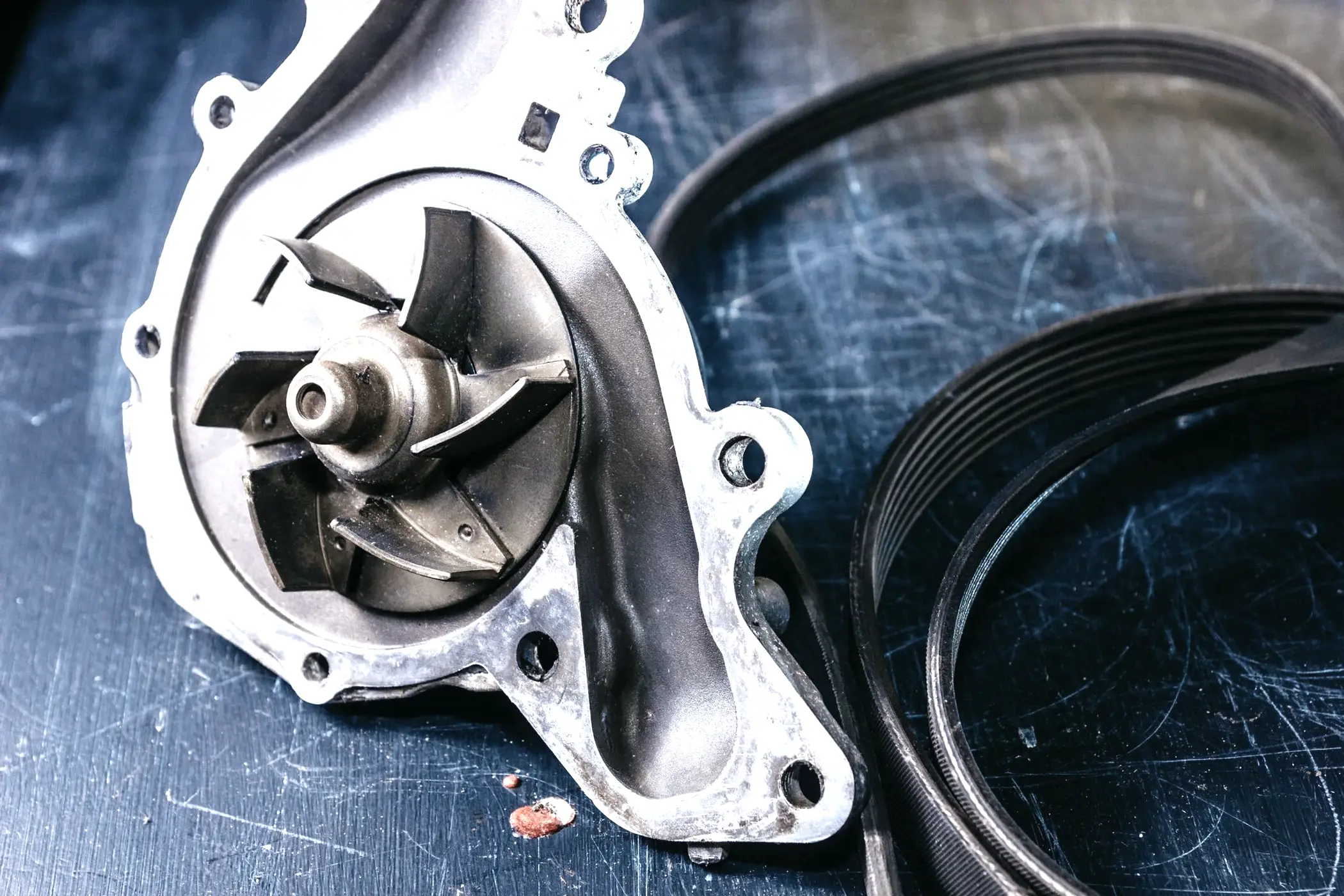
Water Pump Service
The water pump circulates coolant through the engine, and when it fails, coolant stops moving and the engine overheats within minutes no matter how full the system is.
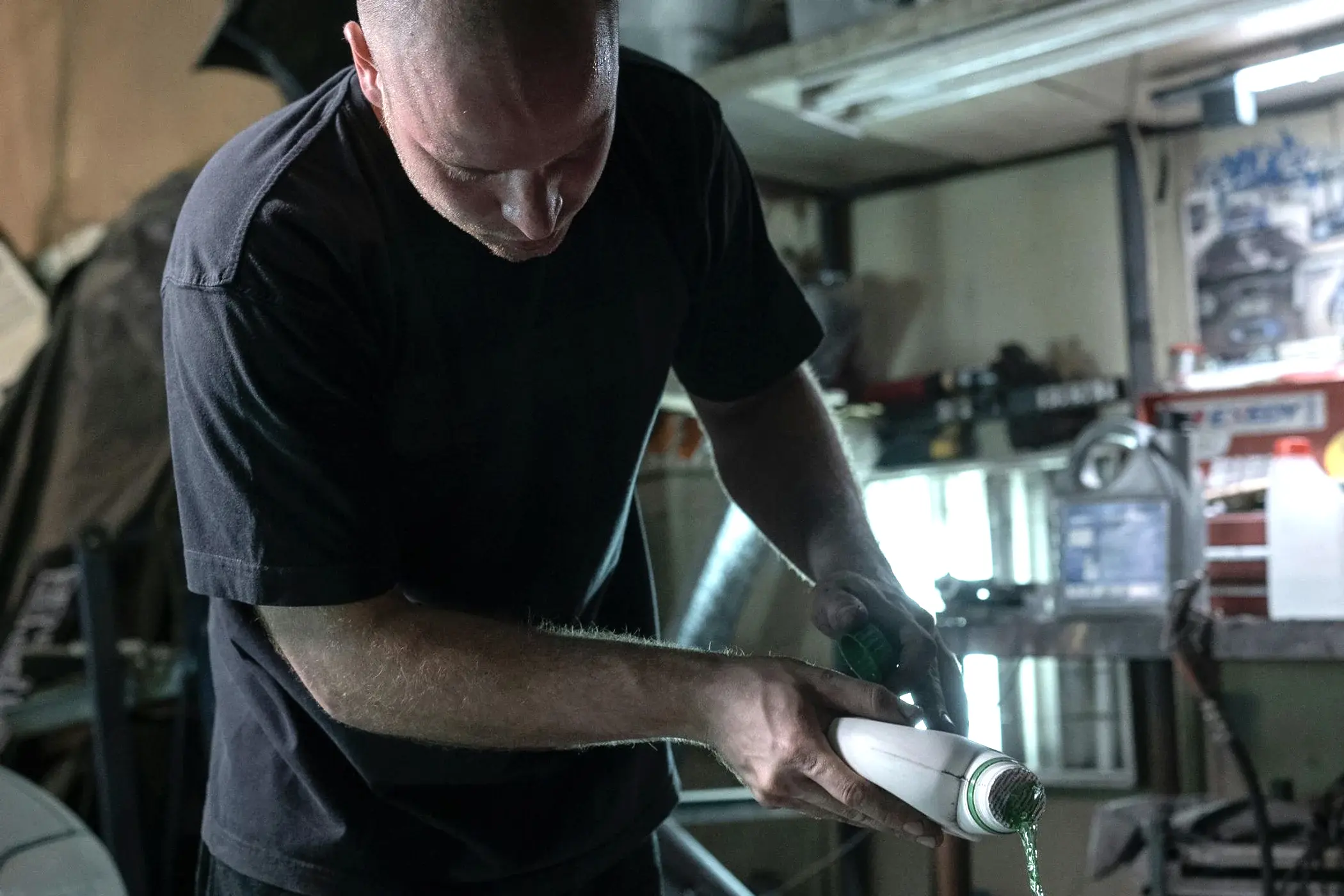
Fluid Inspections
Every major system in your car runs on a fluid, and most of them fail quietly by degrading rather than by running out.
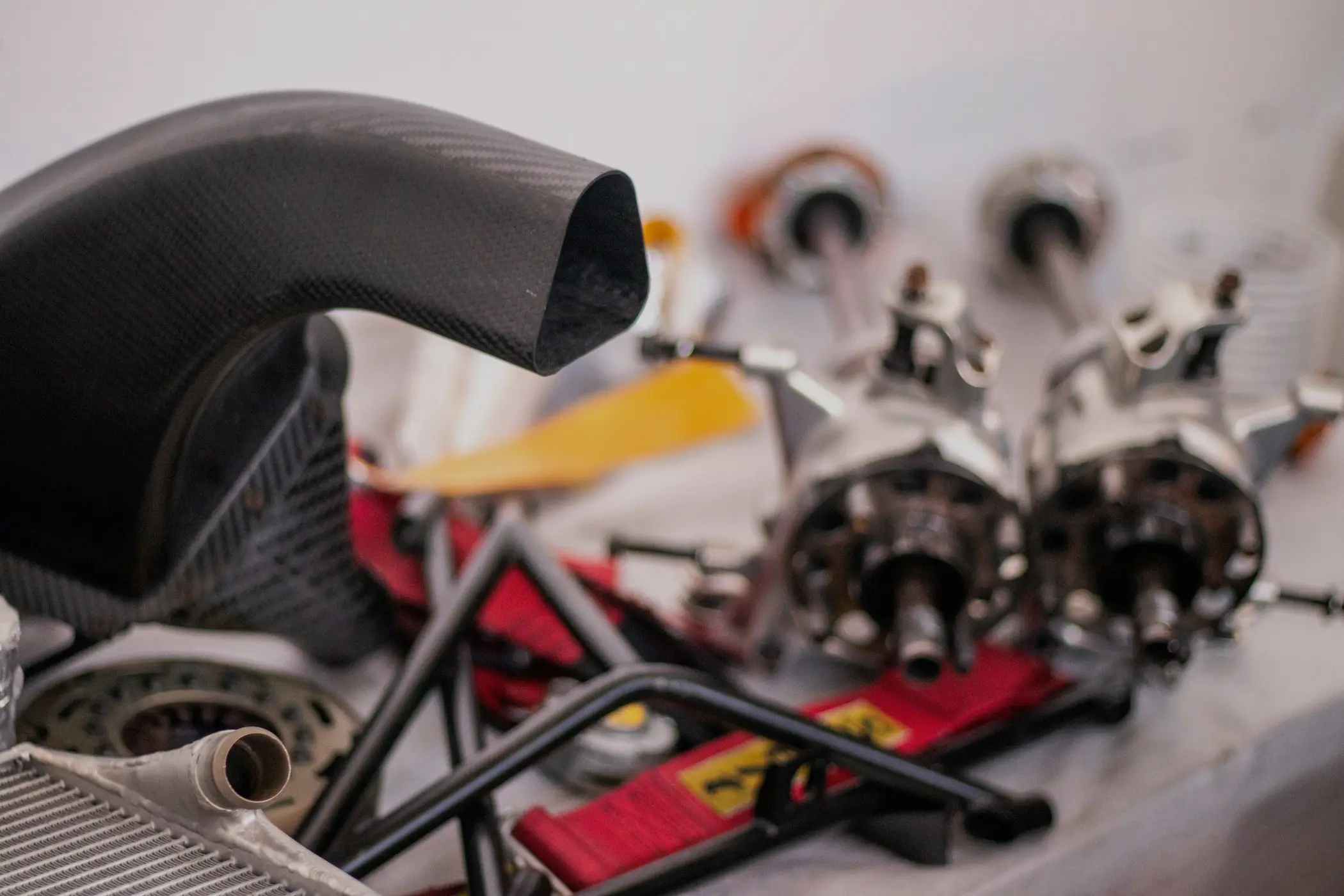
Belts and Hoses
Belts and hoses are rubber parts that perish with age and heat, and when one fails it usually takes something more expensive with it or leaves you stopped at the roadside.
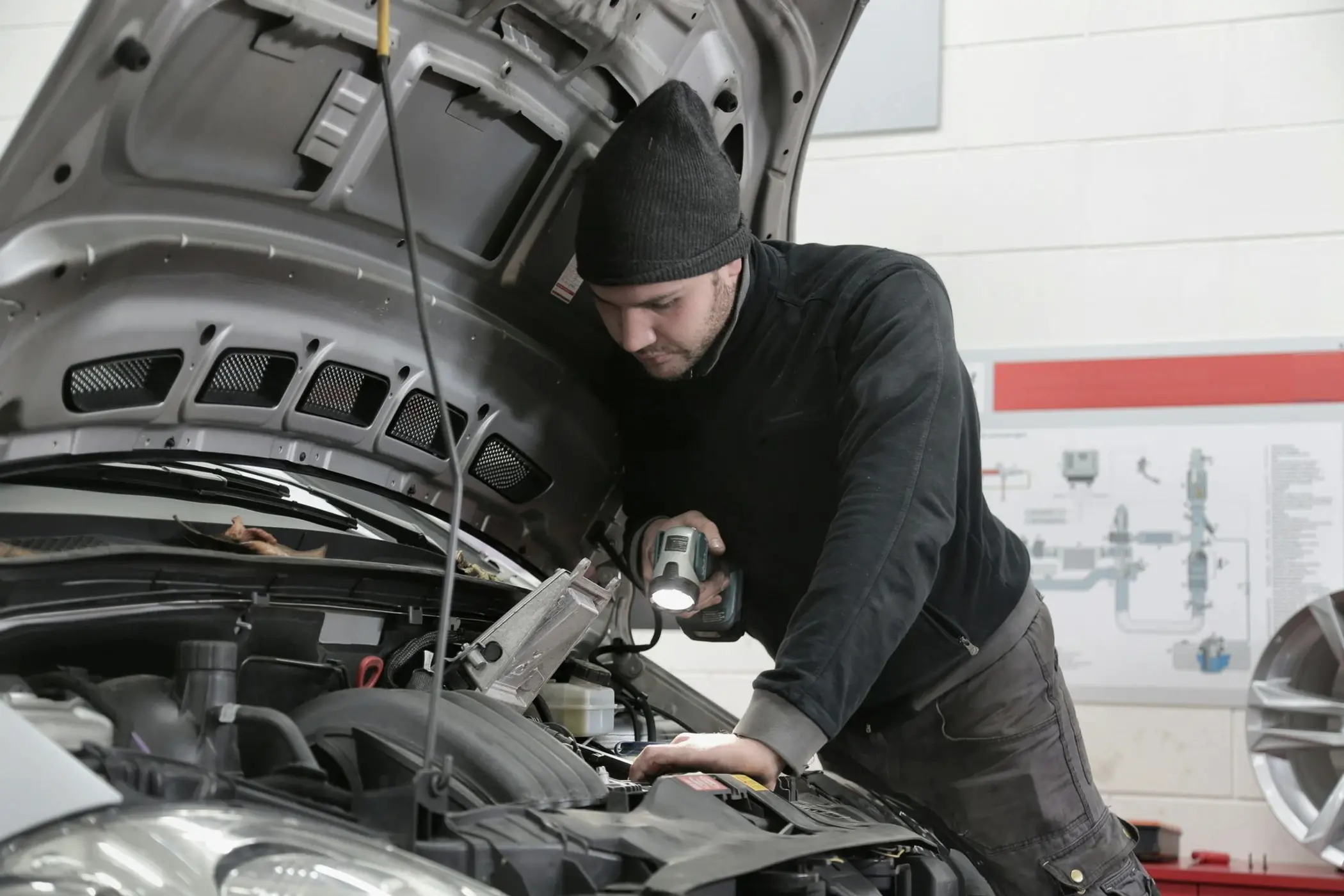
Preventative Maintenance
Preventative maintenance is servicing components on a schedule so they are replaced while they still work, rather than waiting for the failure and the damage that comes with it.