TPMS Service in Redwood City: Reading the Tire Pressure Light
If your tire pressure light is on, keeps coming back after you reset it, or stayed on after new tires were fitted, the system needs servicing rather than ignoring. Five Points Tire cleans and inspects the sensors and valve stems, replaces failed sensors or their batteries, and reprograms the system so the readings are accurate again.
TPMS service at Five Points Tire, in short
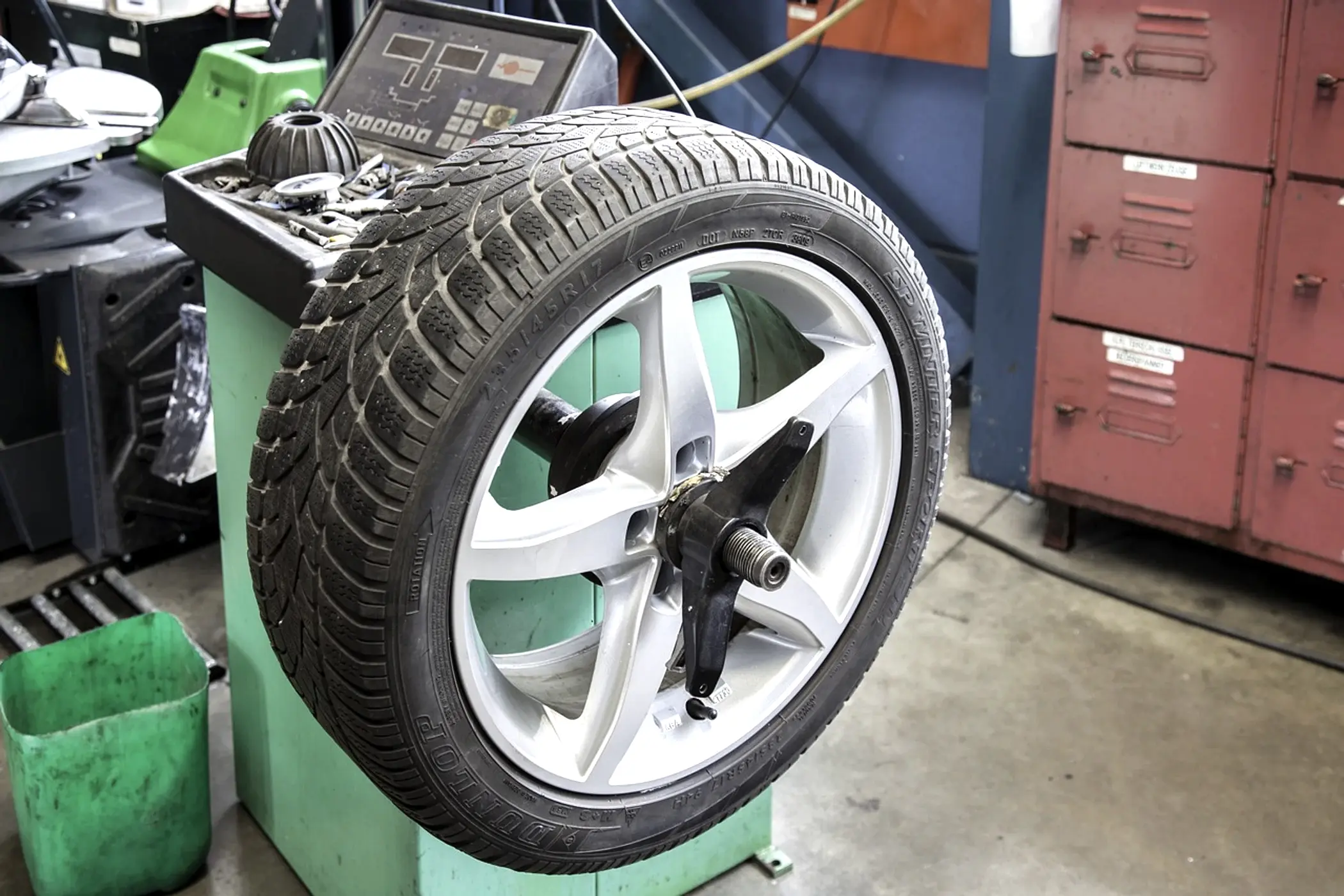
Five Points Tire services tire pressure monitoring systems in Redwood City. We check for physical damage first, clean the sensors and valve stems, test the sensor batteries, replace failed sensors, and reprogram the system after new tires or a rotation so it reports the right pressure against the right wheel. We also fit TPMS to vehicles that do not have it.
The tire pressure light is the most ignored warning on the dashboard, and it's easy to see why.
You look at the tires, they look fine, and the car drives normally. So you reset it and get on with your day.
The problem is that a tire can be several PSI down and look completely normal. Your eyes are not a pressure gauge.
Here's how to read what the light is actually telling you, because it says different things depending on how it behaves.
What TPMS is, and the two kinds
TPMS stands for tire pressure monitoring system, and it's been required on new cars sold in the US since the 2008 model year.
There are two ways manufacturers do it, and which one you have changes what can fail.
Direct systems put a battery-powered sensor inside each wheel that measures actual pressure. Indirect systems have no sensors at all. They watch how fast each wheel turns, because a soft tire has a slightly smaller rolling diameter and therefore turns faster.
| Direct | Indirect | |
|---|---|---|
| Measures | Actual pressure, per wheel | Wheel speed, inferred |
| Shows a number | Usually yes | No |
| What fails | Sensor battery, sensor body, valve stem | Nothing physical |
| After new tires | Needs a relearn | Needs a reset once inflated |
| Catches all four low at once | Yes | Often not, since it compares wheels |
That last row matters. An indirect system can miss a slow leak affecting every tire equally.
Roughly one PSI per ten degrees. Pressure falls as temperature falls. A tire that was borderline in September genuinely drops below the warning threshold on the first cold morning, then rises again as the tires warm. If the light clears by mid-morning, the tires were low when it lit.
Signs you need TPMS service
- The tire pressure light is on even though all four tires are correctly inflated
- The light came on after new tires were fitted or after a rotation
- The light flashes for a while when you start up, then stays solid
- One wheel position reads nothing at all on the dashboard display
- The readings jump around or show a pressure you know is wrong
- The light comes on every cold morning and clears later in the day
What your TPMS light is actually telling you
| Light behavior | What it means | What to do |
|---|---|---|
| Solid, came on gradually | One or more tires are genuinely low | Check all four with a gauge |
| Solid, on every cold morning, clears later | Pressure dropping with temperature | Set pressures properly |
| Flashes about a minute at startup, then solid | System fault, usually a dead sensor battery | Book it in |
| Came on right after new tires or a rotation | The system needs a relearn | Book it in |
| One wheel position reads nothing | That sensor has failed or is not paired | Book it in |
| Readings jump around | Sensor fault or signal interference | Book it in |
The behavior of the light separates a tire problem from a system fault.
What our team does for TPMS service
- 01Check for physical damage first, including loose connections and corrosion
- 02Clean the sensors and valve stems to clear debris that blocks the signal
- 03Test the sensor batteries, which are the usual cause of a light with correct pressures
- 04Replace TPMS batteries, or carry out complete TPMS replacement where needed
- 05Reprogram and reset the system after a tire replacement or rotation
- 06Inspect TPMS sensors during routine tire rotations to confirm they are still secure on the valve stem
- 07Install TPMS on vehicles that do not have it, direct or indirect
Solid light, flashing light: not the same message
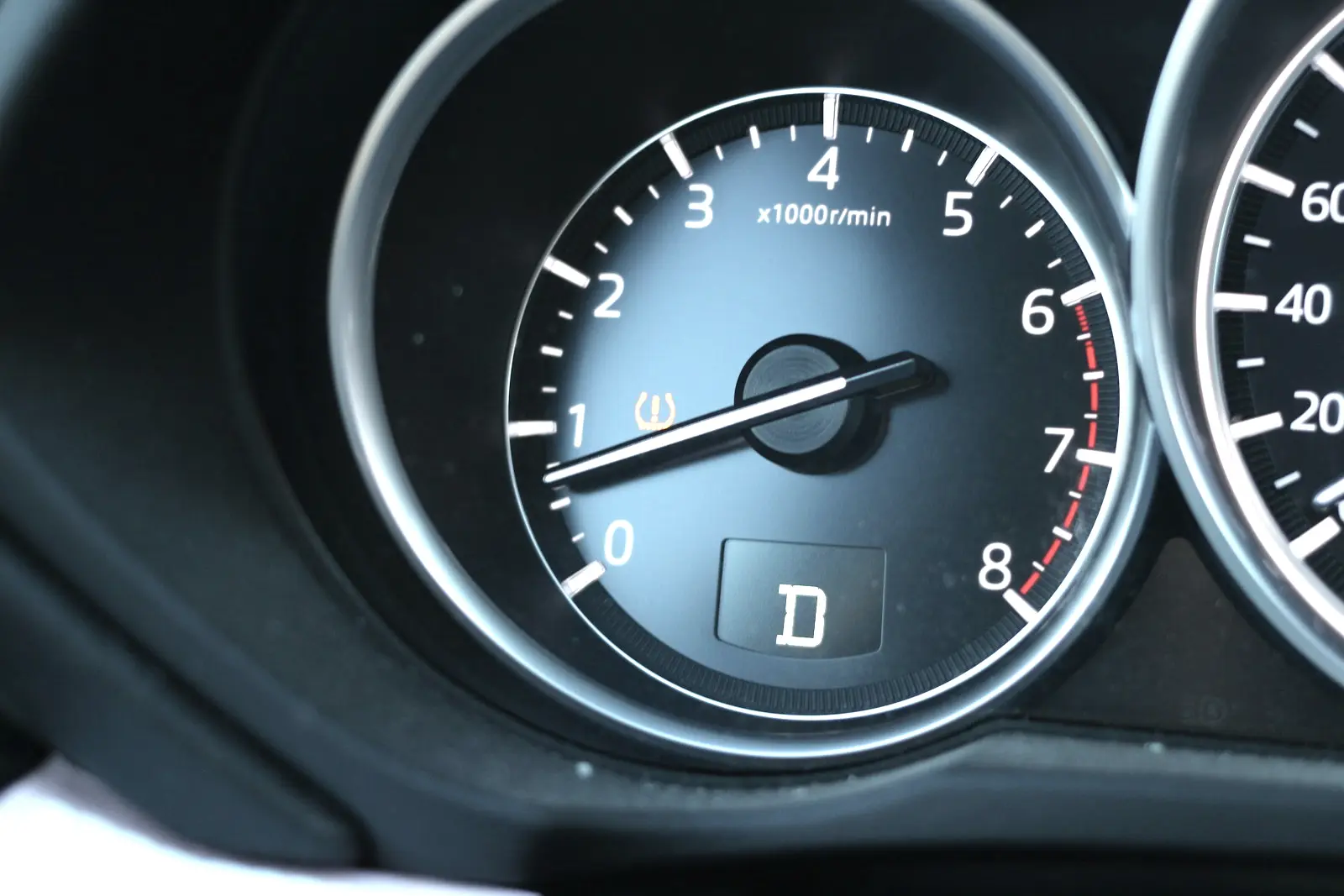
A light that comes on and stays on means low pressure. A light that flashes for about a minute at startup and then goes solid means the system itself has a fault, usually a dead sensor battery.
The solid light is the system doing its job: check your pressures. The flashing kind, no amount of inflating will clear.
People spend a lot of time chasing a phantom leak because nobody told them about the flash.
Why the tire pressure light comes on cold mornings
Air pressure falls as temperature falls. The rule of thumb is roughly one PSI for every ten degrees Fahrenheit.
So a tire sitting a little low in September genuinely drops below the warning threshold on the first cold morning, then comes back up as the tires warm on the drive.
If the light clears by mid-morning, the system isn't faulty. Your tires were low when it lit, and they're still lower than they should be.
Set them properly and it stops happening.
Setting pressures correctly takes five minutes:
- Check them cold. Before driving, or at least three hours after. Warm tires read high.
- Use the door placard, not the sidewall. The sidewall number is the tire's maximum, not your car's recommendation.
- Do all four, plus the spare. Some vehicles monitor the spare too.
- Recheck a day later. If one has dropped again, that's a leak, not a bad gauge.
Want it checked? Describe what the car is doing and Five Points Tire will tell you whether it needs TPMS service or something else. Call 650-365-0280, or send the form and someone calls you back. Request an appointment
Direct and indirect TPMS
| Direct TPMS | Indirect TPMS | |
|---|---|---|
| How it measures | A battery-powered sensor inside each wheel | Wheel speed, since a soft tire has a smaller rolling diameter |
| Shows actual pressure | Yes, per wheel | No, it infers a low tire |
| Parts that fail | Sensor battery, sensor body, valve stem | Nothing physical to fail |
| Needs a relearn | Yes, after tires or a rotation | Yes, a reset after inflating |
Which type you have decides whether there is a sensor to replace at all.
TPMS sensors don't last forever
The battery inside a TPMS sensor is sealed in. It can't be replaced on its own, so when it dies the sensor gets replaced.
They typically last several years. Because all four went in at the same time, they tend to start failing within a season or two of each other, which is why one failure is often the start of a run.
They also take physical damage. The valve stem is part of the sensor on most designs, so a corroded or snapped stem means a new sensor.
Do not forget the spare. Some vehicles monitor the spare as well. If all four road wheels are correct and the light is still on, that is worth checking before anything is replaced.
Why TPMS needs a relearn after tire work
After new tires, a rotation, or a sensor replacement, the car needs to be told which sensor is at which corner.
Skip it and the system can report the correct pressure against the wrong wheel, which is worse than no information at all. You'd go looking at the wrong tire.
It's a quick procedure with the right tool, and it's part of fitting tires properly on a TPMS-equipped vehicle.
Common TPMS mistakes to avoid
- Resetting the light instead of checking the pressures. The light is reading an actual sensor. It's usually right.
- Judging pressure by eye. A modern tire can be well down and still look completely normal. Use a gauge.
- Inflating to the number on the sidewall. That's the tire's maximum. Your car's recommendation is on the placard in the door jamb.
- Ignoring the startup flash. A flash then solid means a system fault, not a soft tire. Inflating will not clear it.
- Skipping the relearn after a rotation. The car ends up reporting the right pressure against the wrong wheel.
- Forgetting the spare. Some vehicles monitor it, and it's the one nobody checks.
The bottom line
Watch how the light behaves before you do anything else.
Solid means check your pressures with a gauge, cold, against the door placard. Flashing then solid means the system has a fault and needs reading with a tool.
If it clears every mid-morning, your tires are low. That's not a faulty sensor, that's physics.
Sensors live inside the wheels, so TPMS work rides along with tire work. A tire rotation needs a relearn afterward on many cars, a flat repair means the sensor comes out and goes back, and wheel balancing happens while the wheel is off anyway.
Five Points Tire services TPMS at 2115 El Camino Real, from cleaning sensors and valve stems through to full replacement and relearns.
Need new tires? Tell us your vehicle or tire size and we'll come back with options and pricing. Find tires for my vehicle
Why is my tire pressure light on when the tires look fine?
- Because a tire that is several PSI low looks completely normal. Check all four with a gauge, including the spare on vehicles that monitor it. If pressures are correct and the light stays on, it is usually a sensor fault rather than a tire problem.
What does it mean when the TPMS light flashes before staying on?
- That flash sequence at startup is the system reporting a fault in itself, not low pressure. Most often a sensor battery has died. It needs reading with a TPMS tool to find out which one.
Do TPMS sensors need replacing?
- Eventually, yes. The battery is sealed inside the sensor and lasts several years, so when it goes the sensor is replaced. Because they are all the same age, they often start failing within a season or two of each other.
Do I need the TPMS reset after new tires?
- Usually. The system needs to relearn which sensor sits at which wheel position, otherwise it can report a pressure against the wrong corner. It is part of fitting tires properly on a TPMS-equipped vehicle.
Why does the light come on every cold morning?
- Air pressure falls as temperature falls, by roughly one PSI per ten degrees Fahrenheit. On a cold morning a tire that was borderline genuinely drops below the threshold, then rises again as the tires warm. It means they are running a little low, so it is worth setting them properly. If it stays on once the day warms up, Five Points Tire reads the actual sensor pressures rather than guessing at which wheel.
Related services
Tire Installation
New tires need to be mounted to the wheel, balanced, and fitted with the pressures and TPMS reset set correctly, or they will wear unevenly from the first mile.
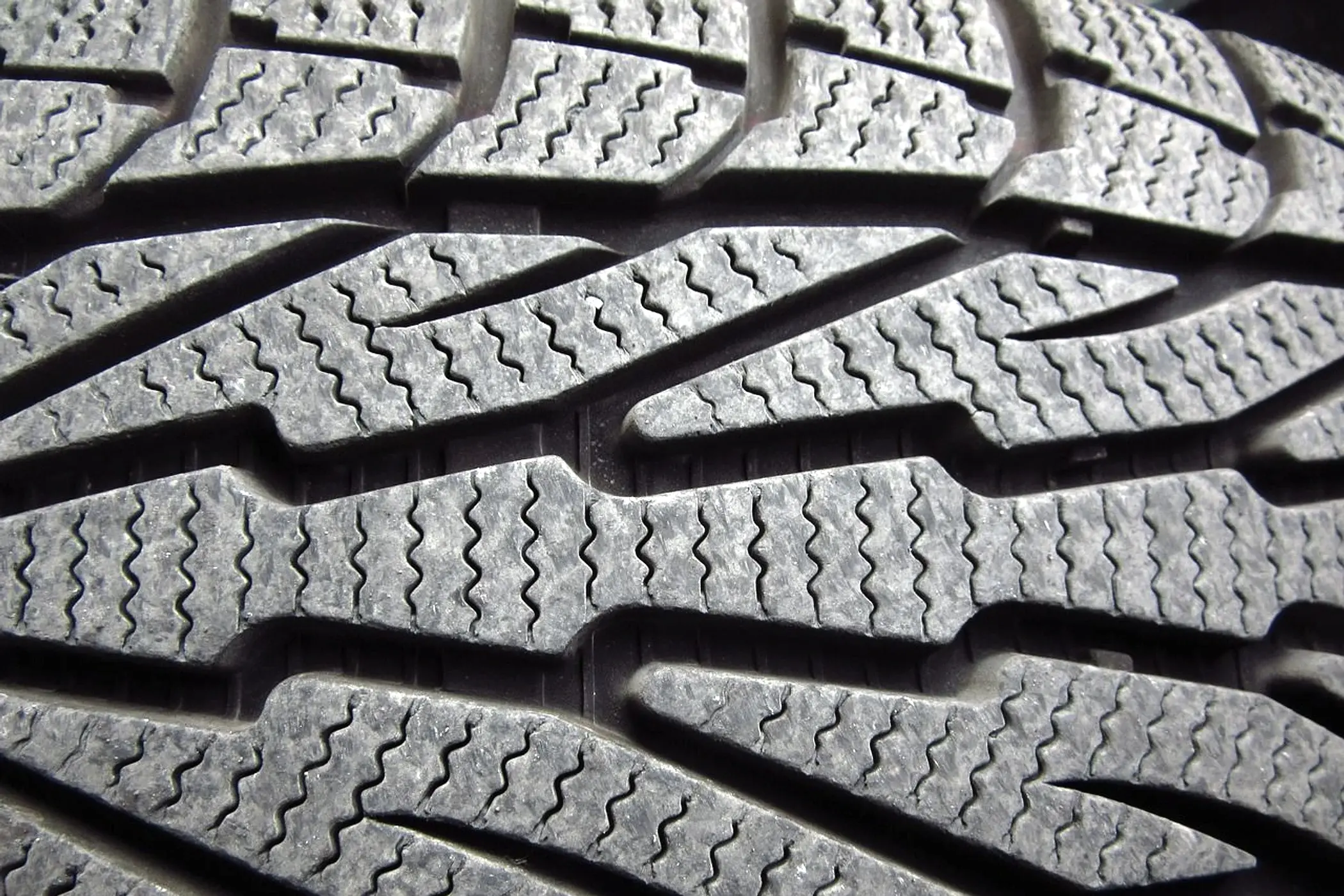
Tire Rotation
Tires wear at different rates depending on which corner they sit at, so moving them around at regular intervals is what makes a set wear evenly and last its full life.
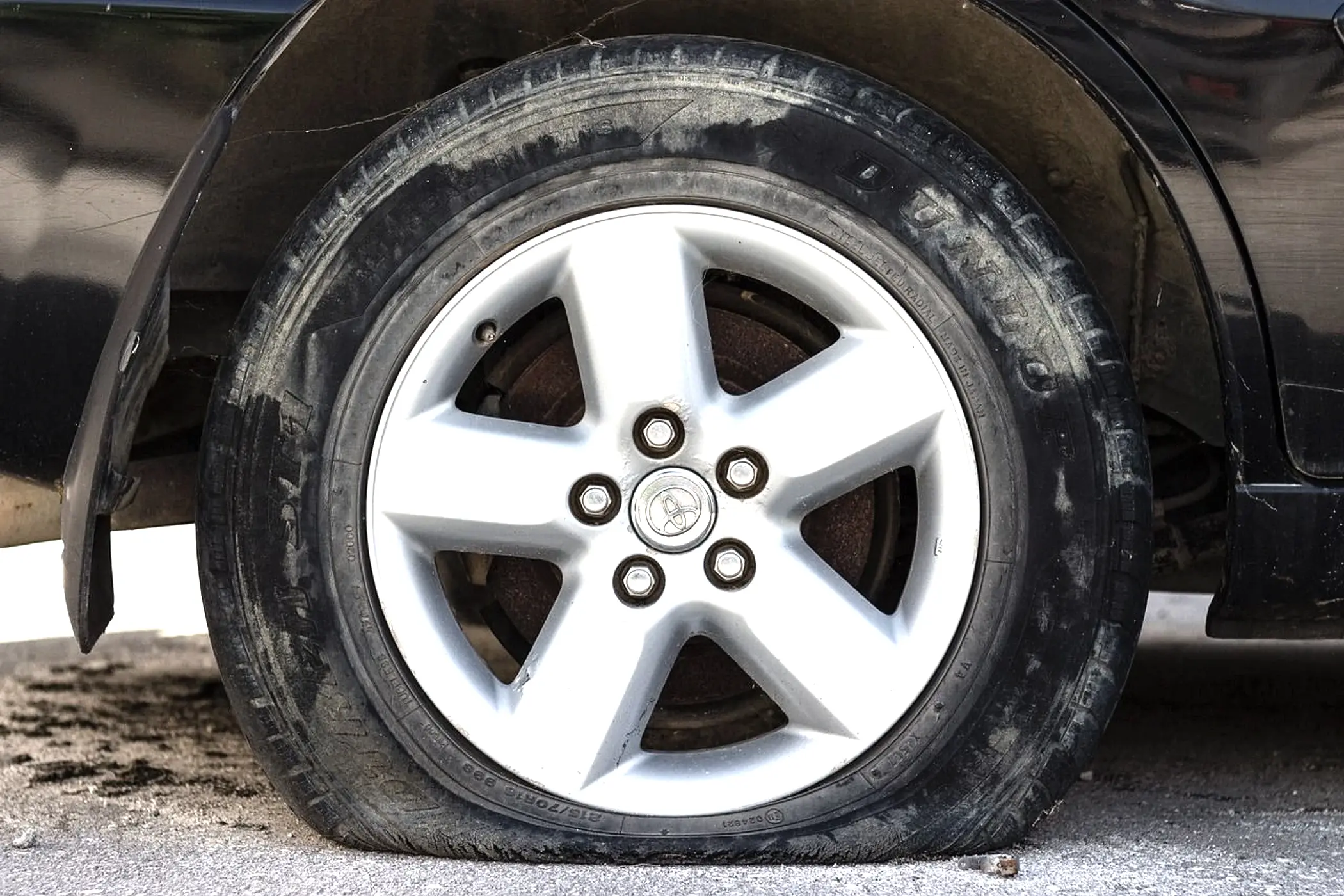
Flat Repair
If you have picked up a puncture, whether the tire is flat now or just losing pressure over a few days, bring it in and we will find the leak and tell you honestly whether it can be repaired or needs replacing.
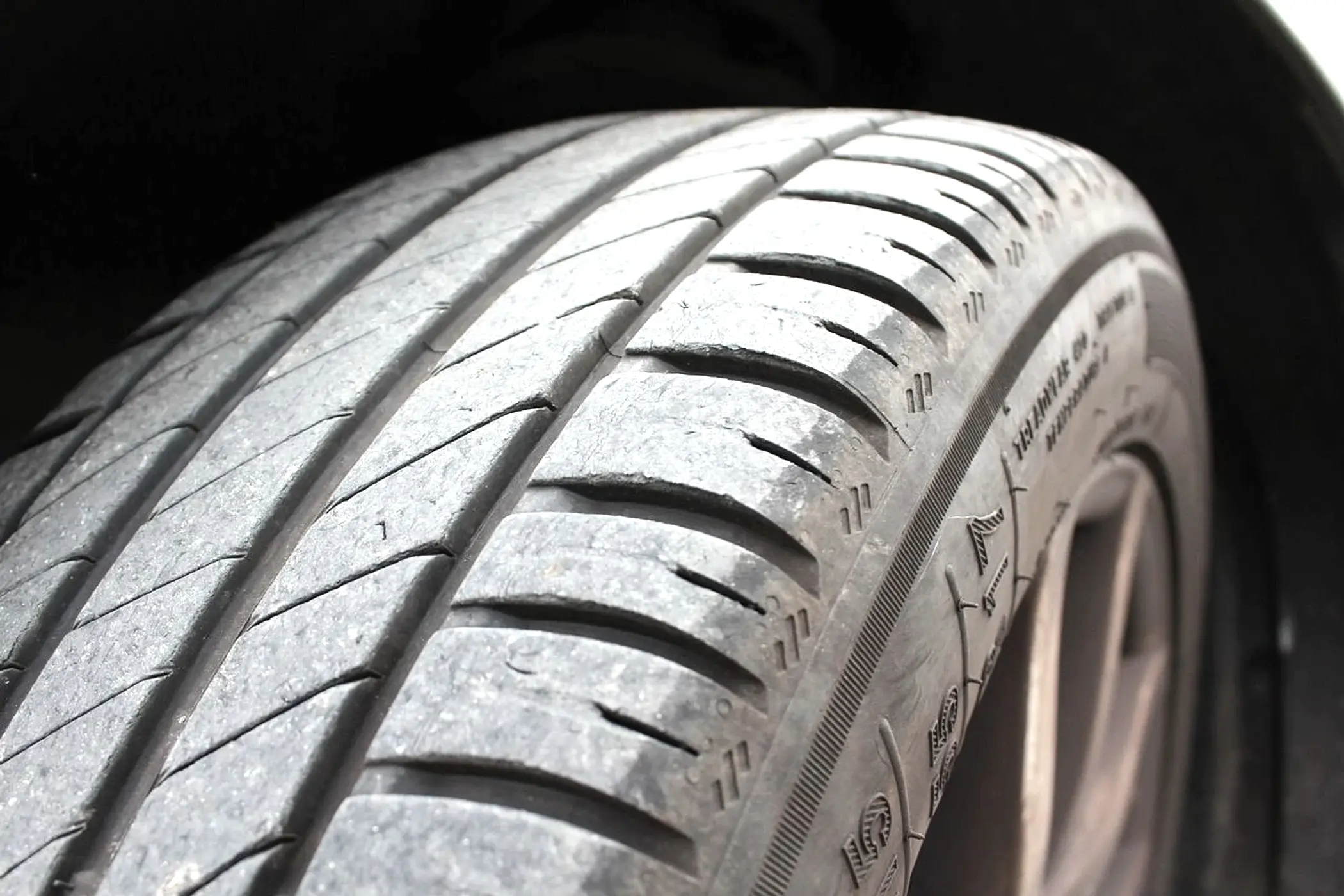
Wheel Balancing
If you feel a vibration through the steering wheel, the seat or the floor that appears at a particular speed and fades again, the wheels are almost certainly out of balance.

Tire Shaving
Tire shaving, also called truing, removes a small amount of rubber to make a tire as close to perfectly round as possible, which cures vibration that balancing alone will not fix and improves grip and handling.
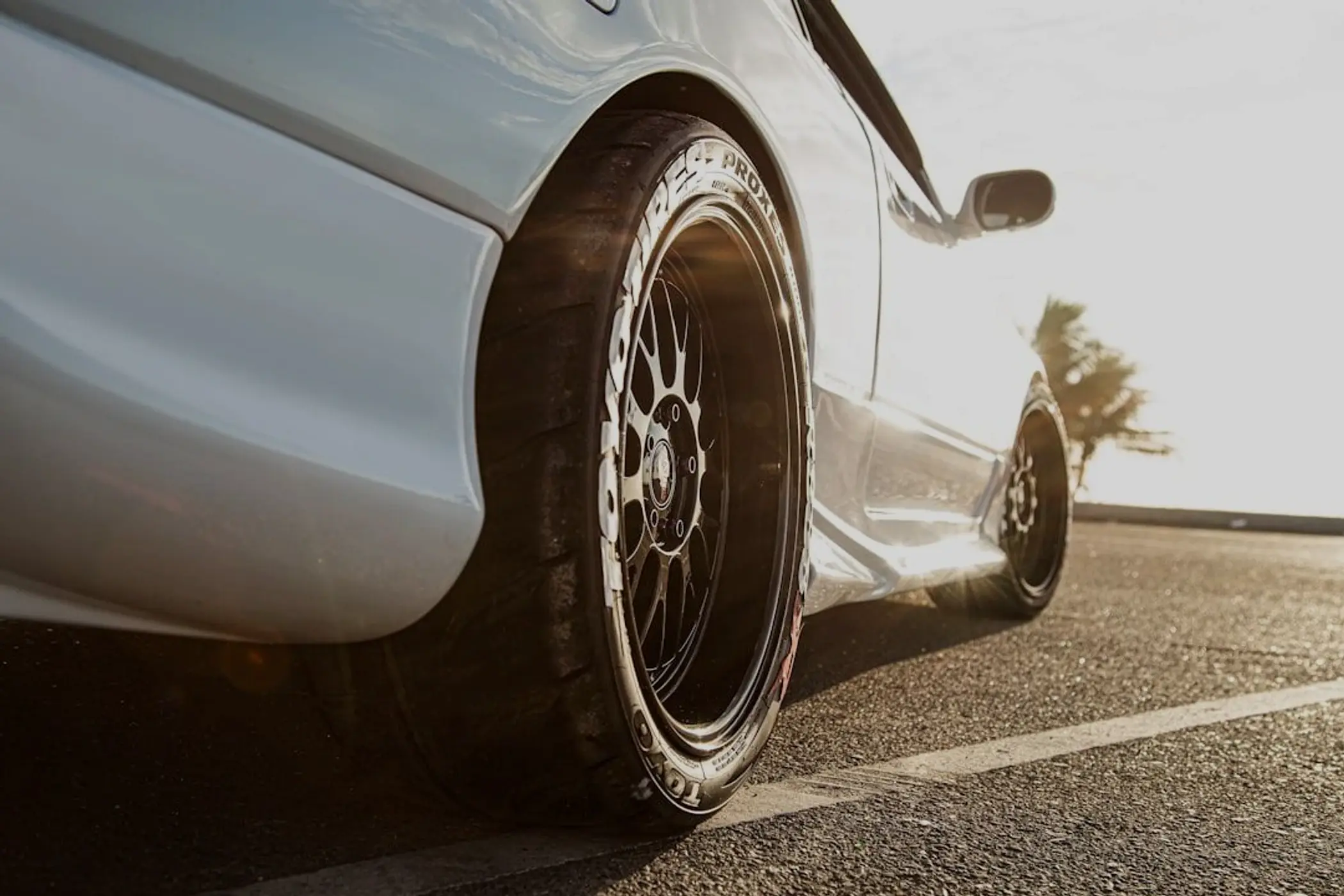
Custom Wheels
New wheels have to match your vehicle on bolt pattern, offset, load rating and brake clearance before the look matters at all.