Custom Wheels in Redwood City: Getting the Fitment Right
New wheels have to match your vehicle on bolt pattern, offset, load rating and brake clearance before the look matters at all. Tell Five Points Tire what you drive and what you are after, and our team will help you choose a size, pattern and material that actually fits, along with the tire size that goes with it.
Custom wheels at Five Points Tire, in short
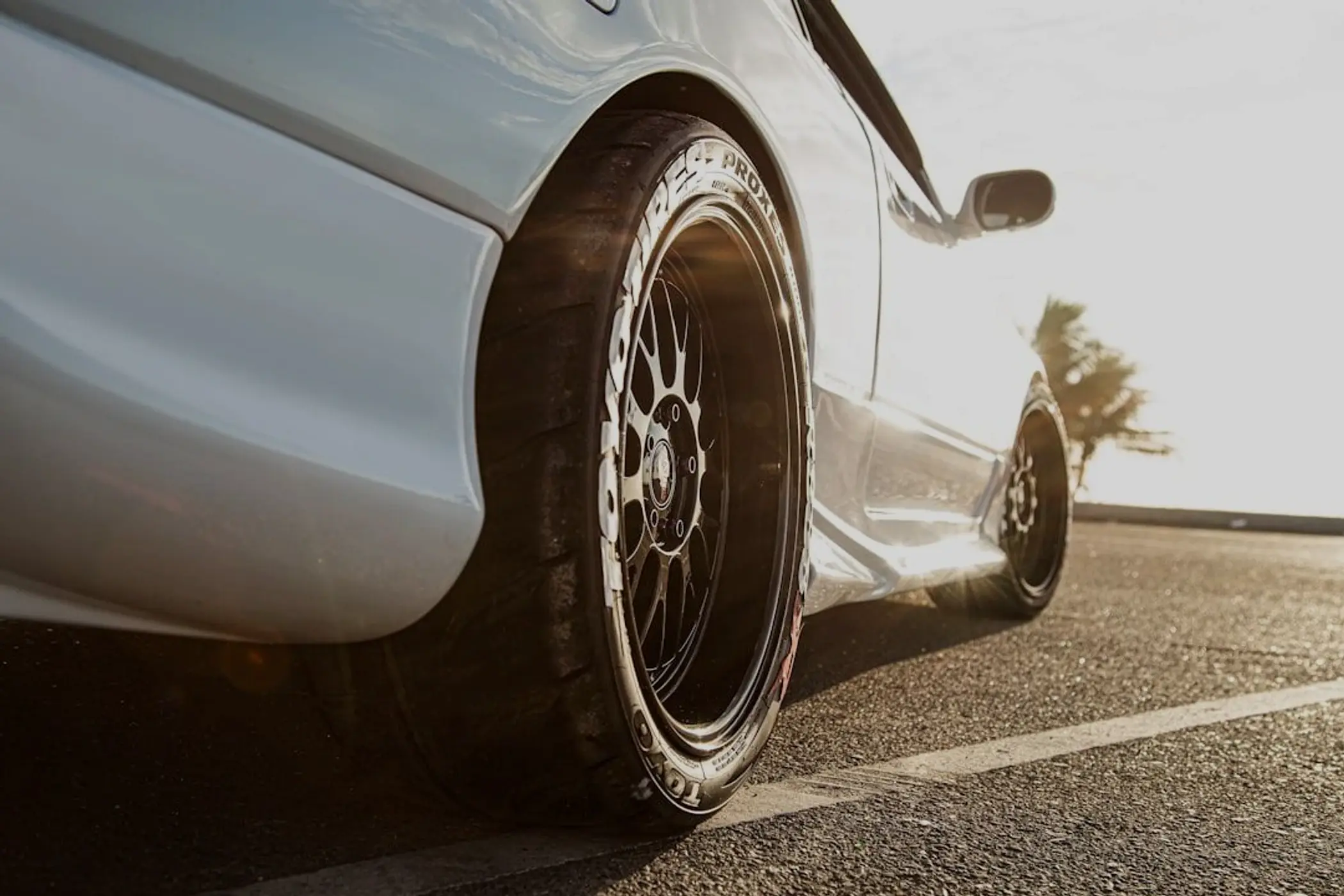
Five Points Tire fits custom wheels in Redwood City and checks bolt pattern, offset, load rating and brake clearance against your actual vehicle before you order. Our team helps you choose the size, pattern and material, and works out the tire size that goes with it so the rolling diameter stays right and your speedometer stays accurate.
Buying wheels online is easy right up to the moment they arrive and don't fit.
A wheel either fits your car or it doesn't, and four measurements decide it. None of them are visible in a product photo.
Here's what to check before you spend anything.
The four measurements that decide it
Bolt pattern, center bore, offset and load rating. All four have to be right.
Three of them are geometry, and one is structural. Getting any of them wrong ranges from annoying to genuinely unsafe.
- Bolt pattern: The number of studs and the diameter of the circle they sit on. Written like 5x114.3.
- Center bore: The hole in the middle that locates the wheel on the hub. Too big and the studs carry the load instead.
- Offset: Where the mounting face sits across the width of the wheel. Decides how far in or out the wheel sits.
- Load rating: How much weight the wheel is built to carry. Stamped on the back.
Offset is the one that catches people. Too far one way and the tire rubs the liner or a suspension arm on full lock. Too far the other and the wheel sits proud of the arch, throws load onto a wheel bearing that was not designed for it, and changes how the steering feels.
Signs you need new wheels
- You want a different look and do not know what will physically fit
- Your current wheels are curbed, buckled, or corroded around the bead
- You are moving to a bigger wheel and are not sure what tire goes on it
- A wheel you already bought rubs, or the tire sits wrong in the arch
- You are fitting bigger brakes and need to know what will clear them
- You have winter or track wheels and want a second set that fits properly
The four measurements that decide fit
| Measurement | What it controls | What goes wrong |
|---|---|---|
| Bolt pattern | Number of studs and the circle they sit on | The wheel will not mount at all |
| Center bore | How the wheel locates on the hub | Vibration, and load carried by the studs |
| Offset | How far in or out the wheel sits | Rubbing, bearing load, changed steering feel |
| Load rating | Weight the wheel is built to carry | A structural failure risk, worst on trucks |
All four have to be right. Tell us the year, make, model and trim and we work them out.
What our team does for custom wheels
- 01Help you choose the right size, bolt pattern and material for the vehicle
- 02Work out the optimal wheel diameter for your vehicle and the matching tire size that goes with it
Offset is the one that catches people
Offset is measured in millimeters from the wheel's centerline to its mounting face, and a change of 15mm is enough to cause problems.
Push the wheel too far inward and the tire rubs the inner liner or a suspension arm, usually only on full lock, which is why people don't find out in the parking lot.
Push it too far outward and the wheel sits proud of the arch. It looks aggressive, and it also puts leverage on a wheel bearing that wasn't designed for it, and changes how the steering feels.
Neither problem is obvious from a photo, and neither is cheap to discover after the wheels arrive.
Sizing up without breaking your speedometer
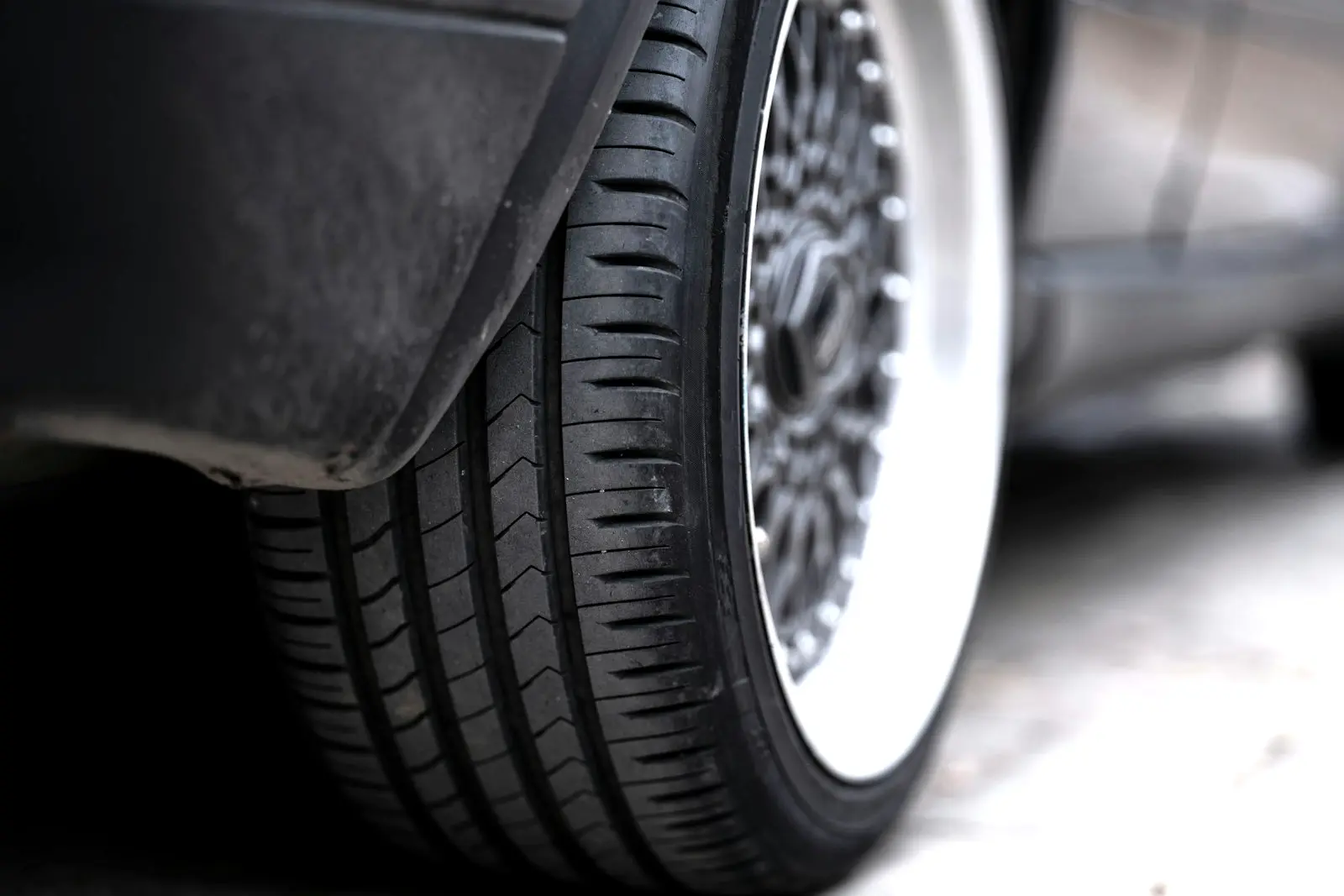
If you go to a bigger wheel, the tire has to get shorter to compensate.
That's because your speedometer, odometer, ABS and traction control all calculate from how far the car travels per wheel revolution. Change the overall rolling diameter and every one of them is out.
Keep the diameter within about 3 percent of standard and everything stays honest.
| What changes | Effect | Worth knowing |
|---|---|---|
| Bigger wheel, shorter tire | Rolling diameter stays the same | Speedometer stays accurate |
| Bigger wheel, same tire profile | Rolling diameter grows | Speedometer reads low, ABS is off |
| Shorter sidewall | Less rubber absorbing bumps | Firmer ride, more road noise |
| Wider tire | More contact patch | Better dry grip, more tramlining, sometimes more road noise |
| Heavier wheel | More unsprung weight | Slower to accelerate and stop, worse ride |
A bigger wheel is a trade, not an upgrade. Worth deciding deliberately.
Want it checked? Describe what the car is doing and Five Points Tire will tell you whether it needs new wheels or something else. Call 650-365-0280, or send the form and someone calls you back. Request an appointment
Going up a wheel size
| What changes | Effect | Trade |
|---|---|---|
| Larger wheel diameter | Shorter sidewall to keep rolling diameter | Sharper turn-in, firmer ride |
| Shorter sidewall | Less rubber absorbing the road | More road noise, more pothole risk to the rim |
| Rolling diameter kept equal | Speedometer, ABS and traction control stay accurate | None |
| Rolling diameter increased | Speedometer and odometer read low | Needs correcting |
Keep the overall rolling diameter close to standard and the speedometer stays accurate.
Load rating isn't a style choice
Every wheel has a maximum load stamped on it, and fitting one rated below what your vehicle needs is a structural problem, not an aesthetic one.
It matters most on trucks, vans, and anything you tow with or load up, which is also where people most often fit wheels sourced from a lighter vehicle.
We check it against your actual vehicle before you order.
Brake clearance, and why we check before you buy
Larger calipers need room behind the spokes, and the same model of car can differ between trims.
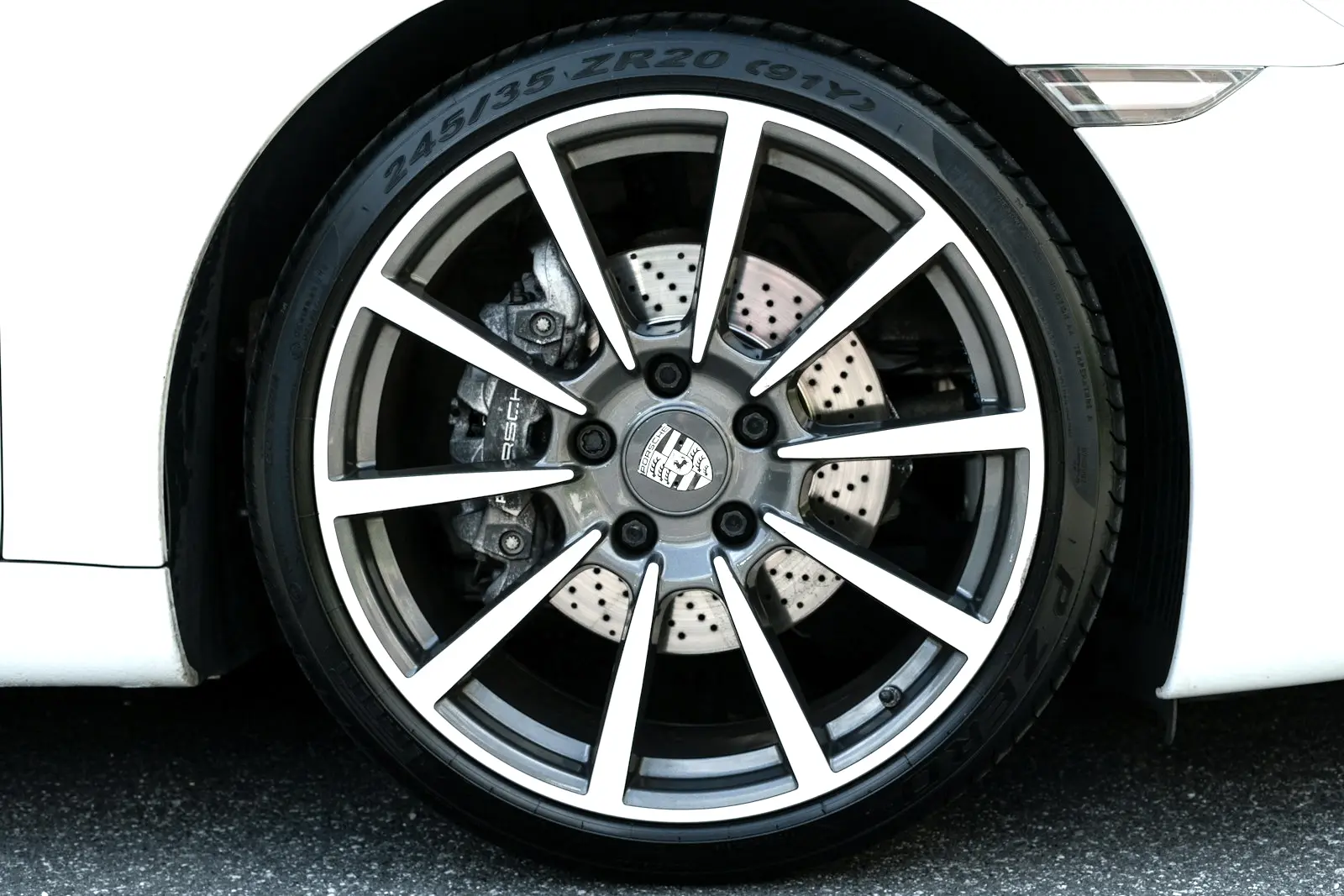
A wheel that clears the base model brakes might foul the performance package on an otherwise identical car.
There's no way to know from the wheel's specification alone, which is why we check against your year, make, model and trim rather than the model name.
Finding out before you order is the cheapest point at which to find out.
Common wheel buying mistakes to avoid
- Buying on bolt pattern alone. It's the one number people check, and it's one of four that have to be right.
- Ignoring offset. The most common cause of rubbing, and it usually only shows up on full lock.
- Using a wheel rated for a lighter vehicle. Load rating is structural. It matters most on trucks and anything you tow with.
- Going bigger without dropping the tire profile. Your speedometer, odometer and ABS all calculate from rolling diameter.
- Assuming trims share brake clearance. A performance package can have bigger calipers on an otherwise identical car.
- Skipping hub-centric rings on aftermarket wheels. If the center bore is larger than your hub, something has to locate the wheel properly.
The bottom line
Tell us the year, make, model and trim, and what you're after. Not the model name, the trim.
We'll work out bolt pattern, center bore, offset and load rating, check brake clearance, and give you the tire size that keeps your rolling diameter honest.
That's a five minute conversation that saves a return shipment.
New wheels change more than the look. They need tire installation and wheel balancing to run true, and the TPMS sensors have to move across or be replaced.
Call Five Points Tire on 650-365-0280, or come to 2115 El Camino Real with the car. Fitment is quicker to confirm in person than over the phone.
Thinking about new wheels? Start with fitment: offset, load rating and brake clearance. Find wheels for my vehicle
Need new tires? Tell us your vehicle or tire size and we'll come back with options and pricing. Find tires for my vehicle
How do I know what size wheels will fit my car?
- You need the bolt pattern, center bore, offset range and minimum load rating for your specific vehicle, and on many models these differ between trims. Tell us the year, make, model and trim and we will work out what fits rather than guessing from the model name.
Will bigger wheels affect my speedometer?
- Only if the overall rolling diameter changes. Fitting a larger wheel with a correspondingly lower profile tire keeps the diameter about the same and the speedometer stays accurate. Going bigger without dropping the tire profile is what puts the reading out.
Do I need new tires if I change wheel size?
- Yes, if the wheel diameter or width changes, because the tire has to match the wheel it sits on. That is why wheels and tires are worth specifying together in one conversation instead of ordering the wheels and working the tires out later.
Will custom wheels affect my ride quality?
- Usually a little. A larger wheel means a shorter sidewall, and the sidewall is doing a lot of the absorbing on rough surfaces, so the ride tends to firm up and you feel more of the road. Five Points Tire will work through wheel and tire size together, because the sidewall is where the ride actually goes.
Related services
Tire Installation
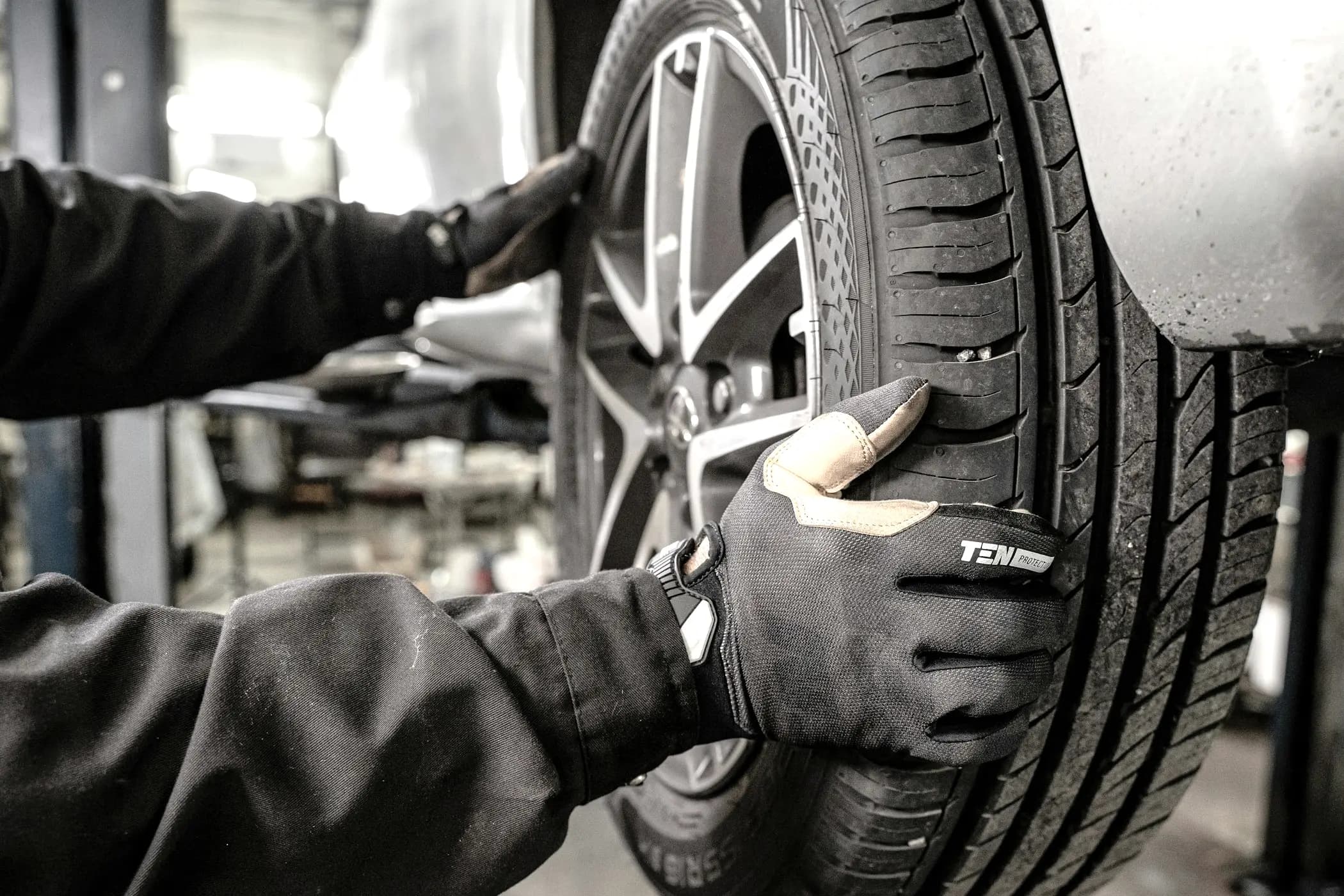
New tires need to be mounted to the wheel, balanced, and fitted with the pressures and TPMS reset set correctly, or they will wear unevenly from the first mile.
Wheel Balancing
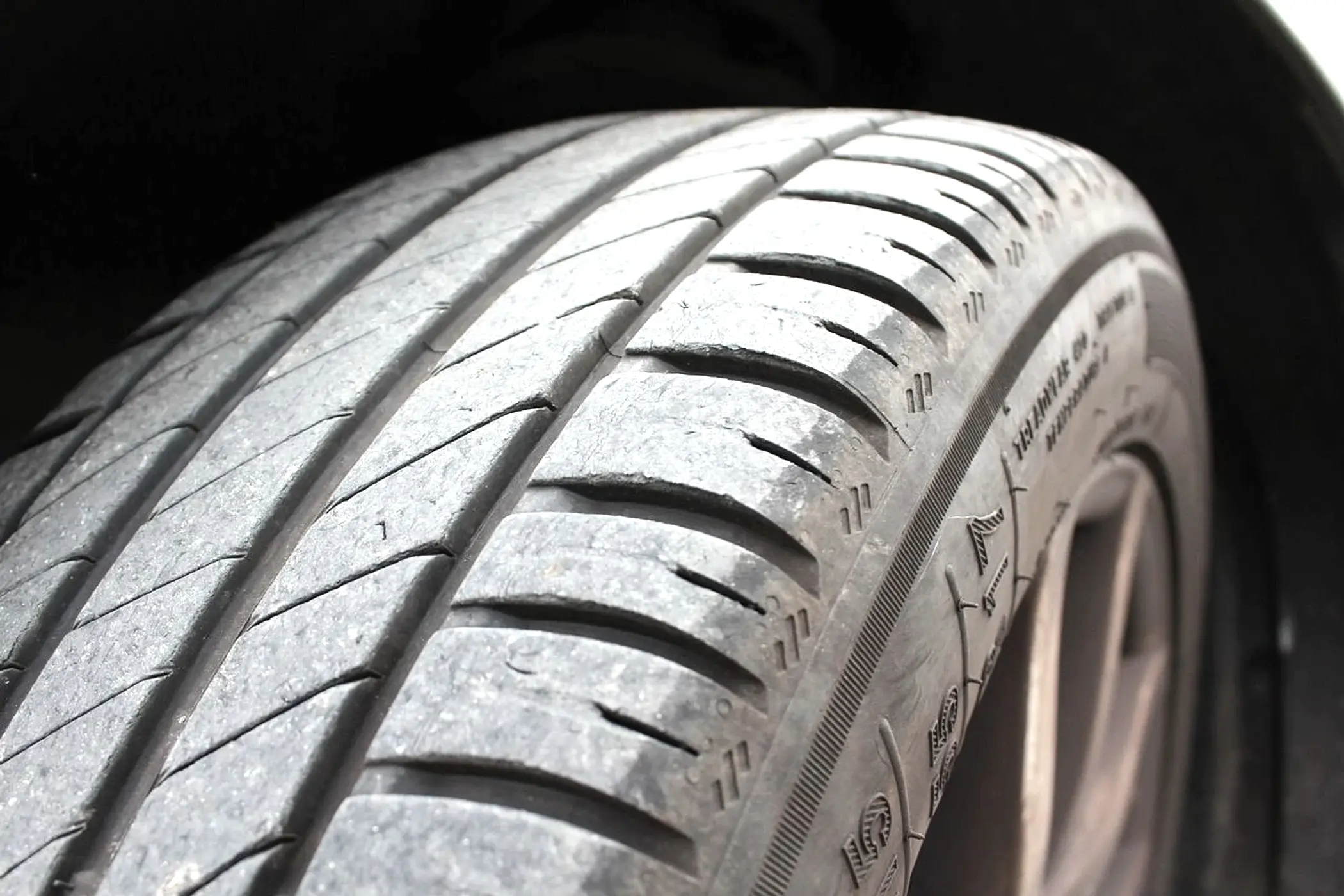
If you feel a vibration through the steering wheel, the seat or the floor that appears at a particular speed and fades again, the wheels are almost certainly out of balance.
TPMS Services
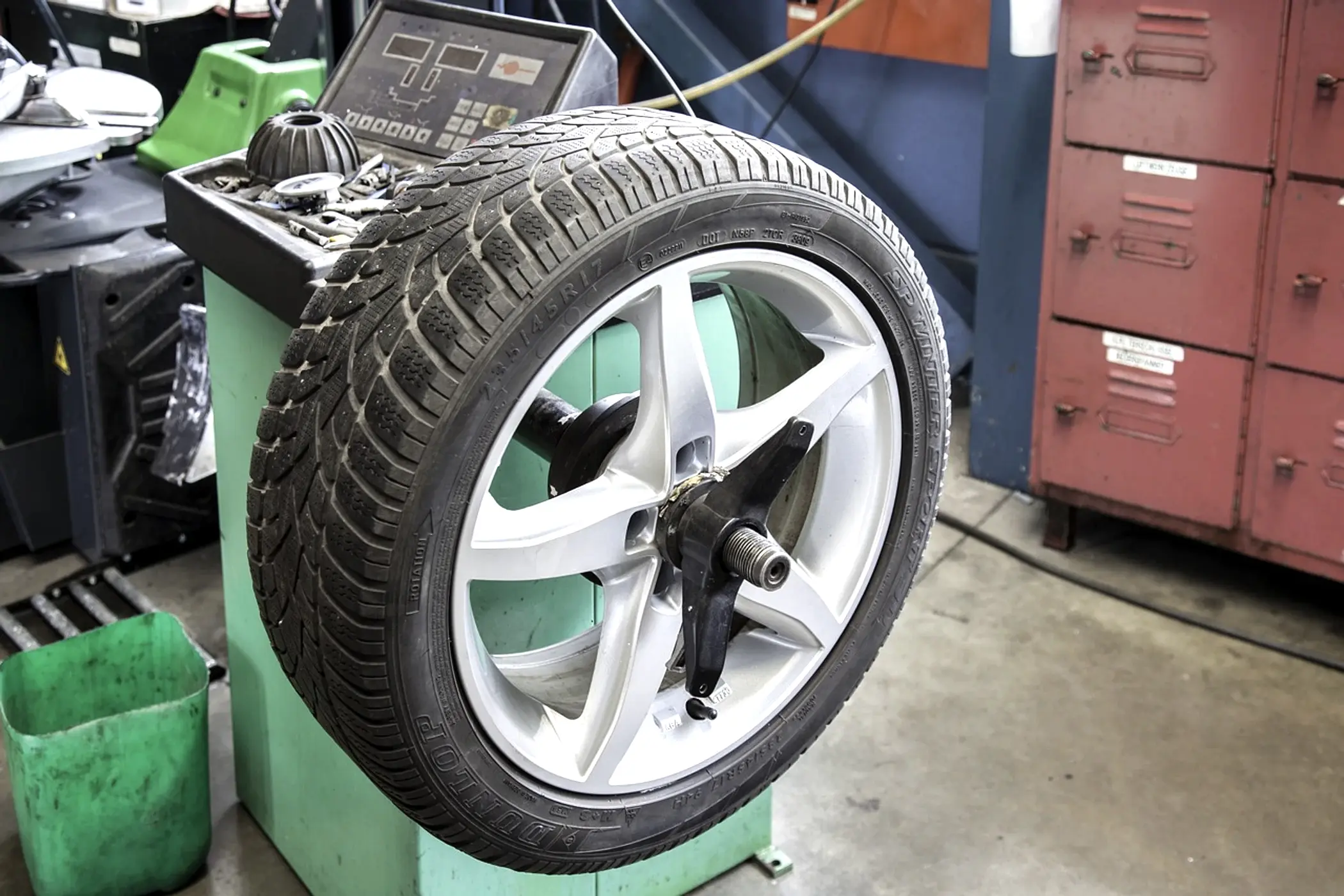
If your tire pressure light is on, keeps coming back after you reset it, or stayed on after new tires were fitted, the system needs servicing rather than ignoring.

Lift Kits
A lift kit raises your truck or SUV to fit larger tires and gain ground clearance, and it changes the suspension geometry in the process, so it has to be aligned afterwards.
Wheel Alignment
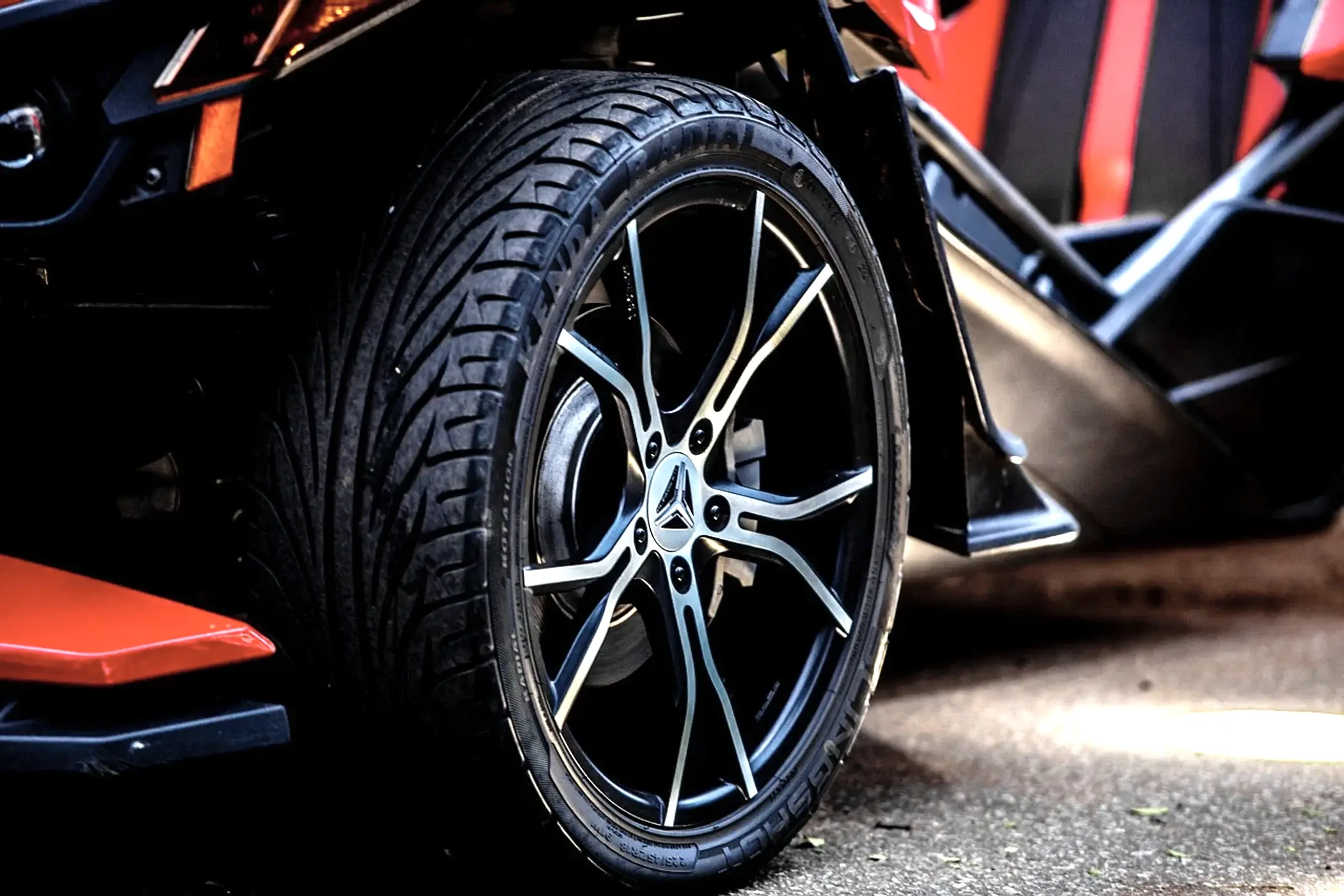
If your car pulls to one side, the steering wheel sits off center when you are going straight, or your tires are wearing on one edge, the alignment is out.

Tire Shaving
Tire shaving, also called truing, removes a small amount of rubber to make a tire as close to perfectly round as possible, which cures vibration that balancing alone will not fix and improves grip and handling.